Table of Contents >> Show >> Hide
- Keto + Fruit: The Basics You Need Before You Grab a Handful
- The Best Low-Carb Fruits for Keto
- Quick Keto Fruit Cheat Sheet
- 1) Avocado: The Keto Overachiever
- 2) Olives: The Salty Fruit That Understands Keto
- 3) Raspberries: Tiny, Tart, and Fiber-Friendly
- 4) Blackberries: The “Berries With a Backbone”
- 5) Strawberries: Sweet Enough to Feel Like Cheating
- 6) Lemons and Limes: Flavor With a Micro-Carb Price Tag
- 7) Tomatoes: The Sneaky Fruit You Already Eat
- 8) Coconut (Unsweetened): Keto-Friendly… Until It Isn’t
- 9) Rhubarb: The Tart MVP for Keto Desserts
- 10) Watermelon (and Other “Sometimes Fruits”)
- How to Eat Fruit on Keto Without Getting Kicked Out of Ketosis
- Fruits to Limit or Avoid on Keto
- FAQ: Keto Fruits, Answered Like a Normal Human
- Conclusion
- Real-World Keto Fruit Experiences (the Part Nobody Mentions Until You’re Staring at a Berry Container)
Keto has a reputation for being the “no fun allowed” dietespecially when it comes to fruit.
And sure, if fruit were a party, bananas would absolutely show up with a +1 named “Sugar.”
But here’s the good news: you don’t have to break up with fruit forever. You just need to be
pickier. Like a bouncer. With a carb calculator.
This guide breaks down the best low-carb fruits for a keto diet, explains how to
count carbs the smart way, and gives you practical (and honestly delicious) ways to fit fruit into
keto without turning your macros into a crime scene. Expect specifics, real-life examples, and
a few gentle jokesbecause nutrition advice shouldn’t feel like a lecture from a sad piece of lettuce.
Keto + Fruit: The Basics You Need Before You Grab a Handful
Total Carbs vs. Net Carbs (a.k.a. “What Actually Counts?”)
Many keto eaters track net carbs, which usually means subtracting fiber (and sometimes sugar alcohols)
from total carbs. The idea: fiber isn’t fully digested, so it has less impact on blood sugar for most people.
That’s why berries often look more “keto-friendly” than you’d expect.
Quick heads-up: “net carbs” isn’t an official, standardized label term everywhere, and different products calculate it differently.
If you have diabetes or you’re carb-counting for medical reasons, you may want to focus on total carbs and discuss targets with your clinician.
For everyday keto planning, net carbs can be helpfulas long as you use it consistently and don’t let marketing math trick you.
Your Carb Budget Controls the Fruit Menu
Keto is typically a very low-carb approach, and many people aim to keep daily carbs in a tight range.
Translation: fruit can fit, but portions matter. Think “garnish energy,” not “fruit bowl the size of a toddler’s head.”
The easiest strategy is to decide where fruit belongs in your day:
- Dessert substitute: a small serving of berries after dinner.
- Flavor booster: lemon or lime in water, sauces, and dressings.
- Texture upgrade: avocado in salads or smoothies for creaminess without sugar spikes.
Whole Fruit Beats Juice (and Dried Fruit Is Basically Candy in a Trench Coat)
Whole fruit brings fiber and volume. Juice removes most of the fiber and makes it easy to drink the carbs of several pieces of fruit in 30 seconds.
Dried fruit concentrates sugar and shrinks portion size so you can overeat it with the confidence of someone who “barely had any.”
For keto, stick to whole fruits and measure servingsat least until you know what your body and carb targets tolerate.
The Best Low-Carb Fruits for Keto
Below are the most keto-friendly fruit optionslow in sugar, reasonable in carbs, and easy to use in real meals.
Carbs vary by size and brand, so treat numbers as practical estimates, not courtroom evidence.
Quick Keto Fruit Cheat Sheet
| Fruit | Best Serving on Keto | Why It Works | Keto Rating |
|---|---|---|---|
| Avocado | 1/2 medium | Very low net carbs, high fat, fiber-rich | Daily staple |
| Olives | 10–15 olives | Low carb, satisfying, salty (hello electrolytes) | Daily staple |
| Raspberries | 1/4–1/2 cup | High fiber, lower net carbs than most fruit | Frequent |
| Blackberries | 1/4–1/2 cup | Fiber + antioxidants, great with yogurt | Frequent |
| Strawberries | 1/2 cup sliced | Vitamin C, sweet taste with moderate carbs | Frequent |
| Lemon / Lime | 1–2 Tbsp juice | Big flavor for tiny carbs | Daily staple |
| Tomatoes | 1 medium or 1 cup cherry | Lower carb fruit used like a veggie | Frequent |
| Coconut (unsweetened) | 2 Tbsp shredded | Low sugar; watch portions | Sometimes |
| Rhubarb | 1/2–1 cup cooked | Very low sugar, tart, great in keto desserts | Sometimes |
| Watermelon | 1/2 cup cubes | Higher net carbs; keep it small | Occasional treat |
1) Avocado: The Keto Overachiever
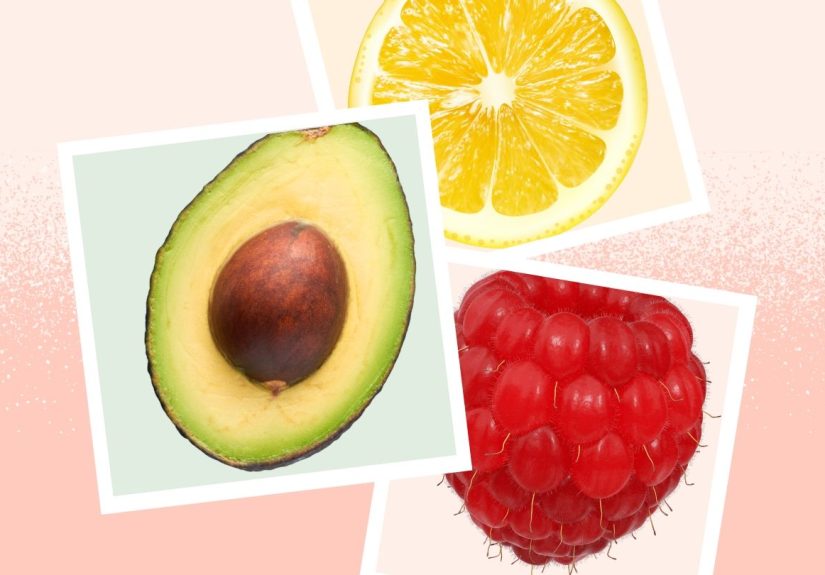
Avocado is technically a fruit, but it behaves like keto royalty. It’s rich in healthy fats and fiber, and it’s
one of the easiest ways to make meals feel satisfying on low carbs.
How to eat it (without making it weird):
- Slice into salads with olive oil, salt, and lime.
- Mash with salt and hot sauce as a “lazy guac.”
- Blend into smoothies for creaminess instead of banana.
Pro tip: If you’re missing fruit “sweetness,” avocado won’t replace a mango. But it will replace the urge to eat a mango by making you full.
That’s a different kind of magic.
2) Olives: The Salty Fruit That Understands Keto
Olives are fruits, and they’re one of the most keto-compatible snacks you can keep around. They’re low in carbs and bring
fat and sodiumtwo things many keto beginners accidentally underdo.
Easy wins:
- Pair olives with cheese for a “snack plate that feels expensive.”
- Add to salads, tuna, or chicken salad for briny flavor.
- Use olive tapenade as a spread on keto crackers or cucumber rounds.
3) Raspberries: Tiny, Tart, and Fiber-Friendly
Raspberries are a classic keto-friendly fruit because they deliver sweetness and flavor with a solid fiber boost.
A small serving goes a long way, especially when paired with something creamy.
Try this: Mix raspberries into unsweetened Greek yogurt (or coconut yogurt) with cinnamon and a few chopped nuts.
It tastes like dessert, but it won’t blow up your carb budgetif you keep the portion reasonable.
4) Blackberries: The “Berries With a Backbone”
Blackberries are similar to raspberrieslower net carbs than many fruits and easy to portion.
They’re also great when you want something fruit-forward without needing much quantity.
Snack idea: A few blackberries + whipped heavy cream + a pinch of cocoa powder.
It’s basically a fancy restaurant dessert, except you’re wearing sweatpants and nobody’s judging.
5) Strawberries: Sweet Enough to Feel Like Cheating
Strawberries taste sweet, but they can still fit into keto in moderate servings. They’re especially useful when you’re transitioning
away from sugary desserts and want a “real food” bridge.
Portion strategy: Slice them. You’ll feel like you’re eating more. Your carbs won’t know you played a psychological trick.
6) Lemons and Limes: Flavor With a Micro-Carb Price Tag
If keto had a secret weapon, it would be citrus juice. You get bold flavor for minimal carbs, which means you can make food taste bright and exciting
without adding sugar.
- Lemon butter sauce over salmon
- Lime juice + cilantro + salt over avocado
- Lemon in sparkling water when you’re bored of plain water (again)
7) Tomatoes: The Sneaky Fruit You Already Eat
Tomatoes are fruits, and they’re relatively low in carbs compared to most sweet fruits. They also make keto meals feel “normal”:
burgers, salads, shakshuka, salsa, capresetomatoes show up and do their job.
Watch-outs: Tomato sauces and ketchup can hide added sugars. Choose no-sugar-added options and still check serving size.
8) Coconut (Unsweetened): Keto-Friendly… Until It Isn’t
Coconut can work on keto, especially unsweetened shredded coconut and coconut meat. The catch is portion creep:
it’s easy to snack past your planned amount.
Best uses: Add a tablespoon or two to chia pudding, yogurt, or keto baking for texture.
9) Rhubarb: The Tart MVP for Keto Desserts
Rhubarb is famously low in sugar and super tart. On keto, that’s a giftbecause you can create a “fruit dessert vibe” without starting from a sugar bomb.
The key is how you sweeten it (think keto-friendly sweeteners, not a cup of honey).
Simple idea: Cook chopped rhubarb with a keto-friendly sweetener, cinnamon, and a splash of lemon. Serve warm with whipped cream.
10) Watermelon (and Other “Sometimes Fruits”)
Some fruits are not “best” for keto, but they can still fit if your daily carbs allow it and your portions stay small.
Watermelon is the classic example: refreshing, delicious, and easy to overeat because it’s basically crunchy summer happiness.
If you want watermelon on keto, treat it like a treat:
measure a small portion, enjoy it slowly, and don’t pretend an entire bowl is “just hydration.”
How to Eat Fruit on Keto Without Getting Kicked Out of Ketosis
1) Treat Fruit Like a Flavor Accent
Instead of building a meal around fruit, use fruit to upgrade a meal. A few berries on yogurt. A squeeze of lemon on fish.
Tomato in a salad. Avocado in a taco bowl. You’re getting the experience without the carb avalanche.
2) Pair Fruit With Fat or Protein
Fruit alone can feel like a sugar “hit.” Pairing it with fat/protein helps with fullness and makes portions easier to keep sane.
Think: berries + yogurt, strawberries + whipped cream, tomato + mozzarella, avocado + eggs.
3) Pre-portion It Once, Thank Yourself All Week
The easiest way to stay keto is to remove decision-making when you’re hungry. Wash berries, portion them into small containers,
and label them if you’re the type of person who becomes an optimist around carbs at 9 p.m.
4) Don’t Let “Keto” Marketing Override Common Sense
Some packaged “keto” snacks rely on net-carb math that doesn’t work the same for everyone, especially when sugar alcohols are involved.
Whole fruit is easier: the label is basically nature, and the portion is your job.
Fruits to Limit or Avoid on Keto
If you’re keeping carbs low, these fruits are usually tougher to fitespecially in normal portions:
- Bananas (delicious, but carb-dense)
- Grapes (tiny sugar balloons)
- Mango, pineapple (tropical and very high in sugar)
- Apples, oranges (not “bad,” just higher-carb than berries)
- Dried fruit (concentrated sugar + easy overeating)
- Fruit juice (carbs without the fiber benefit of whole fruit)
Could you fit these in with careful planning? Sometimes. Will they be the “best low-carb fruits” for keto?
Usually not. Save them for higher-carb days, maintenance phases, or the day you decide to fight a pineapple in public.
FAQ: Keto Fruits, Answered Like a Normal Human
Are berries keto-friendly?
Generally yesespecially raspberries and blackberries. Strawberries can also fit well.
Measure your portion, track your carbs, and you’re good.
Is avocado really a fruit?
Yes. It’s a fruit with the personality of a healthy fat. Keto loves it. Your toast misses it.
How much fruit can I eat per day on keto?
There’s no universal number because keto carb targets vary. Many people do well keeping fruit to one small serving of berries
(or similar) and using lemon/lime as a zero-drama flavor booster.
What about “net carbs” on labels?
Net carbs can be useful, but it’s not always standardized across foods and products. If you’re unsure, focus on total carbs,
choose whole foods, and keep portions consistent.
Conclusion
The best low-carb fruits to eat on a keto diet are the ones that deliver flavor and nutrients without torching your carb budget:
avocado and olives for daily life, berries for sweet cravings, lemons/limes for bright flavor, and tomatoes for “normal food” energy.
Add coconut and rhubarb when you want variety, and keep higher-carb fruits as occasional treats you measure on purpose.
Keto doesn’t mean fruit is forbiddenit means fruit is strategic. And honestly, strategic fruit tastes better anyway,
because you’re not eating it mindlessly. You’re eating it like someone who knows what macros are… but still wants dessert.
Real-World Keto Fruit Experiences (the Part Nobody Mentions Until You’re Staring at a Berry Container)
In real life, fruit on keto isn’t usually a math problemit’s an эмоtional plot twist. Most people don’t miss “carbs” in the abstract.
They miss the easy, sweet, grab-and-go comfort of fruit. That’s why the first week can feel weird: you’re not just changing food,
you’re changing habits. The good news is that low-carb fruits can play a surprisingly helpful role during that transition, if you use them like tools.
A common experience: you start keto, you do great all day, and then nighttime arrives with its classic question:
“So… what are we snacking on?” This is where berries become the MVP. A small bowl of raspberries or blackberries with whipped cream
can scratch the dessert itch without turning into a sugar spiral. The trick is to pre-portion them. If you eat berries straight from the container,
you will eventually convince yourself you’re basically a woodland creature who needs to forage. And foraging, apparently, has no serving size.
Another frequent situation: you want something fresh and bright because keto meals can start feeling heavy (hello, cheese).
Lemon and lime juice are the unsung heroes here. People often report that simply adding citrus to water, salad dressing, or a pan sauce
makes keto feel less restrictivelike you’re eating cuisine instead of “foods that fit.” It’s also a mental reset: you’re not chasing sweetness,
you’re chasing flavor. That’s a bigger win than it sounds.
Then there’s avocadothe fruit that quietly fixes problems. Many keto beginners realize they’re hungry not because they “need carbs,”
but because meals are missing volume, fiber, or satisfying fat. Avocado helps on all fronts. In practice, adding half an avocado to lunch
often reduces the urge to snack later, which is why it shows up in so many keto routines. It doesn’t taste like a treat, but it behaves like one
by making you feel taken care of.
People also run into the “healthy snack trap” with dried fruit. You buy it thinking it’s wholesome, then later you discover
it’s basically concentrated sugar with excellent PR. On keto, swapping dried fruit for olives, a few berries, or even cucumber slices with salt
tends to work betterand it feels less like you’re negotiating with your willpower.
Finally, one of the most useful experiences keto eaters share is learning which fruits are “sometimes” fruits.
Watermelon, for example, can fitespecially in hot weather when you want something hydrating and lightbut only if you treat it like a measured treat.
The win isn’t never eating watermelon again. The win is being able to eat a small portion intentionally, enjoy it, and move on
without accidentally turning it into a full-carb day.
If you take anything from these real-world patterns, let it be this: keto-friendly fruit works best when it supports your routine,
not when it becomes a loophole. Measure it, pair it with fat or protein, and use it to make keto feel livable. A diet you can live with
beats a diet you can only tolerate.