Table of Contents >> Show >> Hide
- What Does “Highly Sensitive Person” Mean?
- Common Signs of a Highly Sensitive Person
- Is Being an HSP the Same as Being Introverted?
- Is HSP the Same as Anxiety, ADHD, or Autism?
- Why Are Some People Highly Sensitive?
- Strengths of Highly Sensitive People
- Challenges Highly Sensitive People Often Face
- How to Thrive as a Highly Sensitive Person
- HSP at Work: Turning Sensitivity Into an Advantage
- HSP in Relationships: Loving Someone Who Feels Deeply
- Experiences Related to Being a Highly Sensitive Person
- Conclusion
Some people can walk into a noisy restaurant, ignore the clattering plates, laugh over the music, and still decide what they want from a seven-page menu. Others need five minutes, a quieter table, and possibly a small diplomatic treaty with the overhead lighting. If you belong to the second group, you may have wondered: “Am I just dramatic, tired, introverted, or secretly part house cat?”
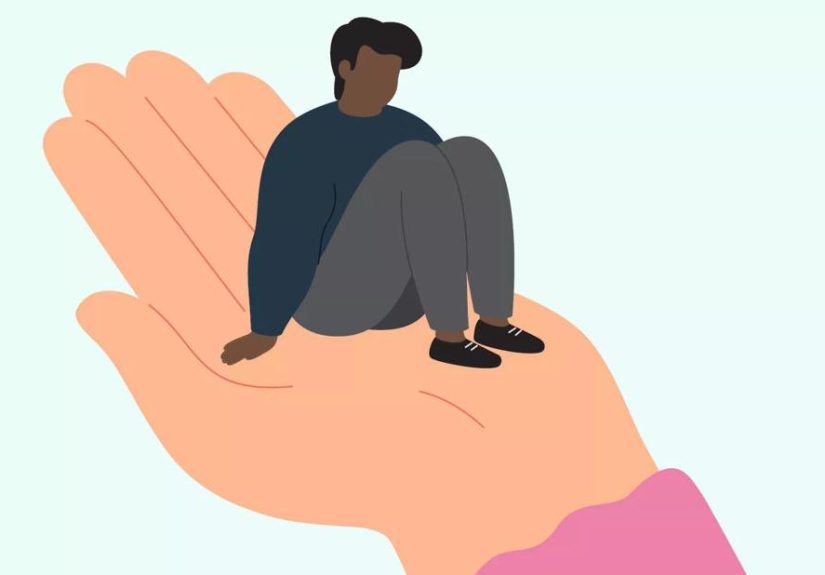
The answer might be simpler and kinder: you may be a highly sensitive person, often shortened to HSP. A highly sensitive person is someone who processes sensory, emotional, and social information more deeply than average. This trait is commonly linked to sensory processing sensitivity, a personality trait studied by psychologists, especially Dr. Elaine Aron, who helped popularize the term in the 1990s.
Being an HSP does not mean you are weak, fragile, broken, or doomed to live under a weighted blanket forever. It means your nervous system may be more responsive to the world around you. That can make life richer, more meaningful, and occasionally more exhausting than assembling furniture with instructions written by a raccoon.
What Does “Highly Sensitive Person” Mean?
A highly sensitive person is someone who tends to notice subtle details, feel emotions deeply, react strongly to sensory input, and need more time to recover from overstimulation. HSPs may be sensitive to loud sounds, bright lights, strong smells, scratchy clothing, conflict, criticism, crowds, emotional tension, and even the mood of a room.
High sensitivity is best understood as a trait, not a disease. It is not a formal mental health diagnosis, and it is not listed as a disorder. Many HSPs function very well, build strong relationships, create beautiful work, and notice things others miss. The challenge is that modern life often behaves like a shopping mall with a leaf blower: loud, fast, bright, and weirdly persistent.
Researchers often describe high sensitivity through four core features, sometimes summarized as DOES:
Depth of Processing
HSPs tend to think deeply. They may analyze conversations, consider multiple outcomes before making decisions, and notice patterns that others overlook. This can make them thoughtful friends, careful planners, and strong problem-solvers. It can also mean choosing a sandwich becomes a philosophical event.
Overstimulation
Because HSPs take in so much information, they may become overwhelmed more quickly. A busy office, crowded party, intense movie, or chaotic family gathering can feel like too many browser tabs open in the brain.
Emotional Responsiveness and Empathy
Highly sensitive people often feel emotions strongly and may be deeply moved by music, art, nature, kindness, suffering, or a dog commercial that had absolutely no right to be that emotional. Many HSPs are also highly empathetic and aware of other people’s feelings.
Sensitivity to Subtleties
HSPs often notice small changes: a shift in tone, a flickering light, a new scent, or the fact that someone said “I’m fine” in a voice that clearly means “prepare for a 40-minute conversation.”
Common Signs of a Highly Sensitive Person
Not every HSP has the same traits. Some are introverted, some are extroverted, and some are social for exactly two hours before needing to disappear like a magician with healthy boundaries. Still, many highly sensitive people recognize themselves in the following signs.
You Get Overwhelmed by Busy Environments
Crowds, traffic, open-plan offices, loud restaurants, concerts, airports, and shopping centers may drain you quickly. It is not that you dislike people. It is that your nervous system is receiving every sound, smell, facial expression, and chair scrape in high-definition surround sound.
You Feel Emotions Intensely
HSPs often experience joy, sadness, excitement, embarrassment, and stress with unusual depth. A compliment may stay with you all day. So can a careless comment. Your emotional system is not broken; it is just very enthusiastic.
You Notice Small Details Others Miss
You may detect when someone is upset before anyone else does. You might notice changes in lighting, tone, temperature, design, or body language. This can be useful at work, in relationships, and in creative projects.
You Need Downtime After Social Events
Even enjoyable gatherings can leave HSPs feeling tired. The recovery period is not laziness. It is nervous system maintenance. Think of it as closing all the mental apps that have been running in the background.
You Are Deeply Affected by Conflict
Arguments, tension, passive-aggressive comments, or harsh criticism may feel physically uncomfortable. HSPs often prefer calm, respectful communication and may replay conflict long after it ends.
You Are Moved by Beauty
Music, poetry, landscapes, meaningful conversations, acts of kindness, and art may affect you strongly. An HSP can look at a sunset and have a spiritual experience while everyone else is trying to get enough phone signal to upload it.
Is Being an HSP the Same as Being Introverted?
No. Many highly sensitive people are introverts, but high sensitivity and introversion are not the same thing. Introversion describes how a person gains or loses energy through social interaction. High sensitivity describes how deeply someone processes information and responds to stimulation.
An introverted HSP may prefer quiet evenings, small groups, and low-stimulation environments. An extroverted HSP may love people, parties, and conversation but still become overstimulated more quickly than others. In other words, an extroverted HSP may arrive at the party excited and leave early because the music, perfume, emotional subtext, and cheese board logistics became too much.
Is HSP the Same as Anxiety, ADHD, or Autism?
No, but there can be overlap in lived experience. HSP is not a clinical diagnosis. Anxiety, ADHD, and autism are distinct conditions with their own diagnostic criteria. Some traits may look similar from the outside, such as sensitivity to noise, emotional intensity, difficulty with transitions, or the need for predictable routines.
The difference matters. A highly sensitive person may feel overwhelmed by a noisy environment, while someone with anxiety may fear a negative outcome, someone with ADHD may struggle with attention regulation, and someone with autism may experience sensory input or social communication differently. A person can also be both highly sensitive and have one of these conditions.
If sensitivity causes major distress, panic, shutdowns, relationship problems, work difficulties, or avoidance that limits your life, it is worth speaking with a licensed mental health professional. Self-understanding is helpful; self-diagnosis with a flashlight under the blanket at 1 a.m. is less ideal.
Why Are Some People Highly Sensitive?
High sensitivity appears to have biological and temperamental roots. Research on sensory processing sensitivity suggests that some people naturally process environmental and emotional stimuli more deeply. Brain imaging studies have found that highly sensitive individuals may show stronger activity in areas related to awareness, empathy, attention, and emotional processing.
From an evolutionary perspective, sensitivity can be useful. In a group, someone who notices subtle danger, social shifts, weather changes, or emotional tension may help everyone make better decisions. While one person charges into the cave, the sensitive person may say, “Interesting echo. Also, why does it smell like bear?” Humanity needs both bold explorers and cautious observers.
Of course, what helps in nature can feel inconvenient in a fluorescent-lit conference room. A sensitive nervous system may be excellent at noticing nuance but less thrilled about inbox notifications, traffic noise, and someone microwaving fish at work.
Strengths of Highly Sensitive People
High sensitivity is often discussed as a challenge, but it also comes with real strengths. Many HSPs are compassionate, creative, observant, conscientious, and deeply thoughtful. They may be excellent listeners, careful decision-makers, artists, writers, caregivers, teachers, designers, leaders, or friends who remember the tiny detail you mentioned three months ago.
Empathy and Emotional Intelligence
HSPs often sense what others need and may respond with warmth and care. They may be good at reading emotional tone, noticing discomfort, and offering support before anyone asks.
Creativity and Imagination
Because highly sensitive people notice details and feel deeply, they often have rich inner lives. This can support writing, music, visual art, problem-solving, storytelling, design, and innovation.
Thoughtful Decision-Making
HSPs may dislike rushed choices, but their slower processing can lead to careful judgment. When given time, they often consider consequences, people’s feelings, risks, and long-term outcomes.
Strong Appreciation for Meaning
Many HSPs are drawn to depth. They may value meaningful conversations, purposeful work, close relationships, and experiences that feel authentic. Small talk is fine, but after 12 minutes they may gently try to steer the conversation toward childhood dreams, grief, climate change, or why the moon looks lonely tonight.
Challenges Highly Sensitive People Often Face
The same sensitivity that brings insight can also bring overload. HSPs may struggle when life is too fast, too loud, too demanding, or too emotionally chaotic. Without healthy coping strategies, they may become exhausted, irritable, anxious, or withdrawn.
Sensory Overload
Too much noise, light, movement, or multitasking can lead to headaches, fatigue, tension, or the strong desire to move to a cabin and communicate only through handwritten notes.
Emotional Burnout
HSPs may absorb emotional stress from others, especially in caregiving roles or tense workplaces. They may need clear boundaries to avoid carrying everyone else’s feelings like an unpaid emotional bellhop.
Difficulty Saying No
Because many HSPs are empathetic and conscientious, they may overcommit. They may fear disappointing people, even when their own energy is running on fumes even when their own energy is running on fumes and one emergency granola bar.
Overthinking
Depth of processing can become rumination. An HSP may replay a conversation, analyze a facial expression, or wonder whether a period at the end of a text message means the friendship has entered a winter season.
How to Thrive as a Highly Sensitive Person
The goal is not to become less sensitive. The goal is to become skillfully sensitive. You do not need to sand down your personality until it matches the furniture. You need tools that help your nervous system work with the world instead of constantly bracing against it.
Create Low-Stimulation Recovery Time
Schedule quiet time before and after intense activities. This may include reading, walking, stretching, journaling, listening to gentle music, or sitting in silence. Recovery time is not optional decoration; for many HSPs, it is basic maintenance.
Build Sensory-Friendly Habits
Use noise-canceling headphones, soft clothing, warm lighting, calming scents, or a clean workspace. Small changes can reduce daily stress. You are not being fussy; you are designing an environment your brain can actually live in.
Practice Boundaries Without a Courtroom Speech
Many HSPs explain too much when saying no. Try simple phrases: “I can’t make it this time,” “I need a quiet night,” or “That doesn’t work for me.” You do not need a 14-slide presentation proving your exhaustion.
Use Grounding Techniques
When overwhelmed, return attention to the present. Notice five things you can see, four things you can feel, three things you can hear, two things you can smell, and one thing you can taste. Slow breathing, stretching, and stepping outside can also help reset the nervous system.
Choose People Who Respect Your Wiring
Healthy relationships matter. Spend time with people who do not mock your sensitivity or demand constant availability. A good friend may not fully understand why a loud bar drains you, but they will care enough not to make you feel ridiculous for saying so.
HSP at Work: Turning Sensitivity Into an Advantage
In the workplace, highly sensitive people may shine in roles that require care, accuracy, creativity, emotional intelligence, and strategic thinking. They may notice team tension, customer needs, brand details, errors, ethical concerns, and quality issues before others do.
However, HSPs may struggle in chaotic workplaces with constant interruptions, harsh feedback, unclear expectations, and nonstop urgency. To work well, they may benefit from written instructions, quiet focus blocks, realistic deadlines, and respectful communication.
If you are an HSP at work, protect your focus. Batch notifications. Take short breaks. Ask clarifying questions. Avoid scheduling back-to-back emotionally intense meetings when possible. Most importantly, do not confuse “I need a better system” with “I am not strong enough.” Even the best phone needs charging, and nobody calls it dramatic.
HSP in Relationships: Loving Someone Who Feels Deeply
Relationships with highly sensitive people can be deeply rewarding. HSPs often bring loyalty, attentiveness, empathy, and emotional depth. They may remember your preferences, notice when you are tired, and care about the emotional climate of the relationship.
At the same time, HSPs may need patience during conflict. Raised voices, sarcasm, dismissive comments, or sudden emotional withdrawal can hit hard. Clear, kind communication works best. Instead of saying, “You’re too sensitive,” try, “I want to understand what felt hurtful.” One phrase opens a door; the other throws a chair through the window.
If you love an HSP, respect their need for downtime. If you are an HSP, remember that others may not notice the same subtleties you do. They may not be uncaring; they may simply be operating with a less sensitive antenna.
Experiences Related to Being a Highly Sensitive Person
Living as a highly sensitive person often feels like having the volume of life turned up a few notches. The world is not just seen; it is absorbed. A normal Tuesday can contain the emotional range of a small independent film. The morning light looks beautiful, the coffee tastes perfect, the email from your boss sounds slightly colder than usual, and suddenly your brain has opened a full investigation.
One common experience for HSPs is needing time to transition. For example, after a busy workday, an HSP may not be ready to jump straight into dinner plans, errands, or a family debate about where the missing scissors went. They may need 20 minutes alone in a quiet room, not because they dislike anyone, but because their nervous system is sorting through the day’s emotional and sensory receipts.
Another familiar experience is being deeply affected by other people’s moods. An HSP may walk into a meeting and immediately sense tension. No one has said anything, but the room feels tight. Someone is smiling too hard. Someone else is clicking a pen like it owes them money. The HSP may not know exactly what happened, but they know something is off. This can make them compassionate and socially aware, but it can also be tiring when they feel responsible for fixing every emotional draft in the building.
Highly sensitive people may also have vivid reactions to beauty. A song can bring tears. A kind message can be remembered for years. A quiet morning, a thoughtful gift, a child’s honest question, or a walk under trees can feel deeply nourishing. This is one of the gifts of sensitivity: ordinary moments do not always stay ordinary. They glow a little.
At the same time, HSPs often learn the hard way that not everyone understands their limits. They may be told to “toughen up,” “stop overthinking,” or “just ignore it.” But ignoring stimulation is not always easy when your brain treats a buzzing light like breaking news. Many HSPs spend years thinking they are too picky, too emotional, or too complicated before realizing they simply need different rhythms and better boundaries.
A practical HSP experience might look like choosing the corner table at a restaurant, bringing earplugs to a concert, leaving a party before becoming exhausted, asking for written instructions, or taking a walk after conflict. These are not signs of failure. They are signs of self-knowledge. The more an HSP understands their patterns, the less they need to apologize for them.
Many HSPs eventually discover that sensitivity becomes easier when they stop treating it as an enemy. Instead of asking, “How do I stop being this way?” they begin asking, “What helps me function well?” That question changes everything. It turns sensitivity from a personal flaw into a design challenge. And honestly, most people could benefit from better design.
The best experience of being an HSP may be the moment of recognition: “Oh, I am not broken. I am highly responsive.” That realization can bring relief, humor, and a new sense of agency. You still have to manage the loud restaurants, awkward texts, intense feelings, and surprise leaf blowers of life. But now you can do it with language, tools, and perhaps a very comfortable pair of socks.
Conclusion
A highly sensitive person is someone who processes the world deeply, notices subtle details, feels emotions strongly, and may become overstimulated more easily. HSP is not a disorder, and it is not a weakness. It is a personality trait with both challenges and strengths.
When misunderstood, high sensitivity can lead to stress, burnout, overthinking, and self-criticism. When understood, it can become a source of empathy, creativity, insight, and meaningful connection. The key is not to toughen up until you feel nothing. The key is to build a life that respects your nervous system while still allowing you to participate fully in the world.
If you are highly sensitive, you do not need to apologize for noticing, feeling, caring, or needing quiet. You may simply need better boundaries, supportive relationships, sensory-friendly habits, and a reminder that your depth is not a defect. In a loud world, sensitivity can be a finely tuned instrument. Just remember to tune it, protect it, and occasionally put it back in the case.
Note: This article is for educational purposes only. It does not diagnose any mental health condition. If sensitivity causes severe distress, avoidance, panic, depression, or problems in daily life, consider speaking with a licensed mental health professional.