Table of Contents >> Show >> Hide
- Meet the Grapefruit: Citrus With an Attitude
- Grapefruit Nutrition 101
- Health Benefits of Grapefruit (When It’s Safe For You)
- When Grapefruit Is Not Your Friend: Drug Interactions & Safety
- How To Use Grapefruit in Everyday Life
- Buying, Storing, and Prepping Grapefruit
- Experiences: A Week of Playing With Grapefruit (500-Word Inspiration)
- Conclusion: Let Grapefruit Work For You (Safely)
Grapefruit is one of those fruits people either adore or side–eye suspiciously.
Is it breakfast? Is it dessert? Is it secretly trying to sabotage your cholesterol
meds? In this guide, we’ll break down exactly what grapefruit is, why it keeps
showing up in “healthy breakfast” photos, how to use it in real life, and when
you absolutely should not mess around with it.
Meet the Grapefruit: Citrus With an Attitude
Grapefruit is a hybrid citrus fruit believed to have originated in the
Caribbean from a cross between sweet orange and pomelo. Today, it’s grown in
warm climates like Florida, Texas, California, and parts of the Southwest and
shows up in grocery stores all winter long.
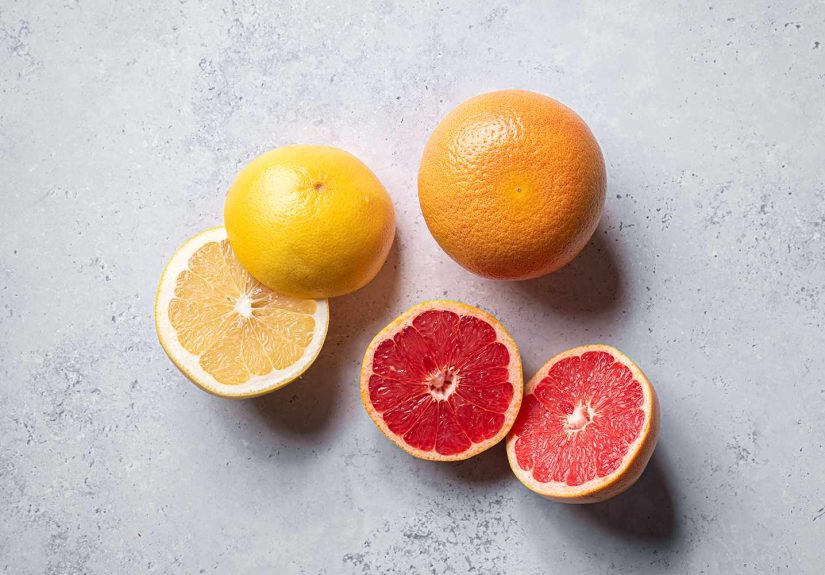
You’ll typically see three main types:
- White grapefruit: Pale yellow flesh, very tart and old-school.
- Pink grapefruit: Light pink, a bit sweeter, still tangy.
- Red or ruby grapefruit: Deep pink-red flesh, usually the sweetest and most popular.
Compared with oranges, grapefruit is more bitter and a little sharper in flavor.
That bitterness comes from natural plant compounds (like naringin) that also
contribute to its antioxidant punch. So, if you’ve ever thought, “Wow, this
tastes like a fruit that means business,” you’re not wrong.
Grapefruit Nutrition 101
What’s in Half a Grapefruit?
Exact numbers vary slightly depending on the source and variety, but half of a
medium grapefruit (around 120–125 grams) generally provides:
- About 50–52 calories
- Roughly 13 grams of carbohydrates
- Around 2 grams of fiber
- About 8–9 grams of naturally occurring sugar
- Less than 1 gram of protein
- Almost no fat or sodium
- Roughly 40–45% of your daily vitamin C
- A modest amount of vitamin A, potassium, folate, and magnesium
Translation: grapefruit is low in calories but high in nutrients, especially
vitamin C. A glass of 100% grapefruit juice (about 3/4 cup) can offer close to
your entire daily vitamin C needs, which helps support your immune system and
skin health.
Why Those Nutrients Matter
The nutrition profile isn’t just fun trivia; it actually does things for you:
- Vitamin C helps support your immune system, collagen production, and antioxidant defenses.
- Fiber supports digestive health, helps with satiety, and plays a role in heart and metabolic health.
- Potassium helps balance sodium, supports healthy blood pressure, and keeps your muscles and nerves functioning properly.
- Vitamin A contributes to eye health and normal immune function.
Put simply, grapefruit gives you a lot of nutritional “bang” for not many
calorieswhich is why it’s been featured in health-conscious diets for decades.
Health Benefits of Grapefruit (When It’s Safe For You)
Before we get into the fun recipe ideas, it’s worth understanding what grapefruit
may do for your health. Remember: no single fruit is a miracle cure, but
grapefruit can be a very nice supporting actor in a balanced diet.
1. Supports Heart and Metabolic Health
Grapefruit is rich in vitamin C, fiber, and beneficial plant compounds. Diets
higher in fiber and vitamin C are linked with better heart health, including
healthier cholesterol levels and lower inflammation. Some research has found
that people who eat grapefruit regularly tend to have higher overall diet
quality and higher intakes of fiber, potassium, and key vitamins, all of which
support cardiovascular health.
There’s also some evidence that regularly eating grapefruit may have a modest
effect on blood pressure thanks to its potassium, antioxidants, and hydration
benefits. It’s not a replacement for medication, but it can be a helpful part
of an overall heart-healthy eating pattern.
2. May Help With Weight Management
Grapefruit earned its “diet fruit” reputation (sometimes in overly dramatic
ways) because it’s low in calories but high in volume, fiber, and water. Eating
half a grapefruit before a meal, or including it as part of breakfast, can help
you feel fuller on fewer calories overall. That said, it’s not magic: if your
overall diet and lifestyle don’t support a calorie balance, grapefruit alone
won’t move the needle. Think of it as a helpful tool, not a quick fix.
3. Immune and Antioxidant Support
Grapefruit is loaded with vitamin C and also contains flavonoids and carotenoids
that act as antioxidants. These compounds help neutralize free radicals and may
support healthy aging, skin health, and immune function. Bright red and pink
grapefruits contain lycopene, the same pigment found in tomatoes, which has been
studied for its potential role in reducing oxidative stress.
4. Hydration and Digestive Health
Because grapefruit is mostly water, it can help with hydration, especially
during hot weather or after exercise. The fiber content (especially when you
eat the pulp and membranes) adds bulk to your stool and supports a healthy gut.
Pair grapefruit with other high-fiber foods like oatmeal, nuts, and seeds, and
your digestive system will be pretty happy.
When Grapefruit Is Not Your Friend: Drug Interactions & Safety
Here’s the part where grapefruit goes from “cute breakfast fruit” to “tiny
chemistry experiment.” Grapefruit and grapefruit juice can interact with a long
list of medications. This isn’t internet rumorthis is serious enough that the
FDA and large medical centers specifically warn about it on drug labels and
patient information.
How Grapefruit Interacts With Medications
Grapefruit contains plant compounds called furanocoumarins. These
can block an enzyme in your gut (CYP3A4) that helps break down many medications.
When that enzyme is blocked, more of the drug may enter your bloodstream than
intended, which can increase the risk of side effects or even toxicity.
In some cases, grapefruit can have the opposite effect by messing with drug
transporters, making certain medications less effective. The key point: it
changes how your body handles the drug, and not in a way you can reliably predict
on your own.
Common Types of Medications That May Interact
Not every medication is affected, but some of the big categories that can
interact with grapefruit (or grapefruit juice) include:
- Certain cholesterol medications (especially some statins)
- Some blood pressure drugs (like certain calcium channel blockers)
- Some anti-anxiety and sleep medications
- Some heart rhythm medications
- Certain immunosuppressants
- Some psychiatric medications
- Some blood thinners and antiplatelet drugs
This list is not complete, and new interactions are still being studied. That’s
why you’ll often see a general warning on prescription labels: “Avoid grapefruit
and grapefruit juice.”
Who Should Ask Their Doctor First?
You should talk with your healthcare provider or pharmacist about grapefruit if:
- You take any prescription medication daily, especially for cholesterol, heart disease, blood pressure, or mental health.
- You’ve seen a grapefruit warning on your pill bottle, medication guide, or pharmacy leaflet.
- You drink grapefruit juice regularly (more than an occasional glass here and there).
Also be cautious if you have:
- Acid reflux or GERD, since citrus fruits can worsen heartburn for some people.
- Citrus allergies, in which case grapefruit is obviously not your fruit.
- Kidney issues and need to carefully manage potassium (follow your provider’s guidance).
Bottom line: grapefruit is healthy for many people, but it’s absolutely not
one-size-fits-all. When in doubt, ask a professional before you start eating it
daily or downing tall glasses of juice.
How To Use Grapefruit in Everyday Life
Now for the fun part: how do you actually use grapefruit so it doesn’t just sit
in your fruit bowl looking pretty and intimidating?
1. Simple Fresh Grapefruit Ideas
- Classic breakfast halves: Cut the grapefruit in half, loosen the segments
with a small knife, and eat with a spoon. Sprinkle with a touch of sugar,
honey, or a pinch of salt to balance the bitterness. - Broiled or brûléed grapefruit: Sprinkle a little sugar (or sugar mixed with
cinnamon) over the cut side and broil for a few minutes until the top is
caramelized. It turns into a warm, slightly crunchy, dessert-like breakfast. - Grapefruit + yogurt bowl: Top Greek yogurt with grapefruit segments, a drizzle
of honey, and a handful of granola or nuts. It’s a great combo of protein,
fiber, and healthy carbs.
2. Salads and Savory Dishes
Grapefruit isn’t just for sweet dishes. Its bright acidity cuts through rich,
creamy, or fatty foods beautifully. Try:
- Citrus salad with greens: Combine grapefruit segments with arugula or mixed
greens, avocado, thinly sliced red onion, and toasted nuts. Dress with olive
oil, a bit of grapefruit juice, and a touch of honey or Dijon mustard. - Roasted veggie & grapefruit salad: Pair roasted beets or carrots with grapefruit
segments and soft cheese (like goat cheese or burrata). You get a gorgeous
mix of sweet, earthy, and tangy flavors. - Grapefruit salsa: Mix chopped grapefruit with jalapeño, cilantro, red onion,
and a little lime juice for a fresh salsa over grilled fish, shrimp, or tofu.
3. Drinks, Mocktails, and Light Desserts
- Grapefruit spritzer: Combine grapefruit juice with sparkling water and a squeeze
of lime. Add a sprig of rosemary or mint to make it feel fancy with basically no effort. - Frozen grapefruit “granita”: Freeze a mix of grapefruit juice and a little sugar
or honey in a shallow dish, scraping it with a fork every 30–60 minutes until
it becomes icy flakes. Serve in small bowls for a refreshing dessert. - Grapefruit herbal tea blend: Add a slice or two of grapefruit to hot herbal tea
or iced tea for a citrusy twist.
4. Grapefruit Juice: How Much Is Reasonable?
If your medications allow it, 100% grapefruit juice can be a refreshing way to
get vitamin C and hydration. Keep in mind:
- Juice has more concentrated sugar and less fiber than the whole fruit.
- Stick to modest portions, like 4–6 ounces, especially if you’re watching your blood sugar or overall calorie intake.
- If you’re not sure about drug interactions, skip the juice until you ask your doctor or pharmacist.
Buying, Storing, and Prepping Grapefruit
How To Choose a Good Grapefruit
- Look for fruits that feel heavy for their sizethat usually means they’re juicy.
- The skin should be fairly smooth and firm, with no major soft spots or mold.
- Color can range from yellow to blushy pink to deep red, depending on the variety; don’t stress too much about the shade.
Storage Tips
- At room temperature, grapefruits last about a week.
- In the refrigerator crisper drawer, they can last several weeks.
- Once cut, wrap tightly or store in an airtight container and use within a few days.
How To Prep Without Making a Huge Juicy Mess
Grapefruit is juicy (that’s the nice way to say “it will drip everywhere if you
’re not careful”). A few prep tricks:
- To eat in segments, cut off the ends, stand the grapefruit upright, and slice
off the peel following the curve of the fruit. Then cut the segments between
the membranes (“supreme” them) for neat, pith-free pieces. - For salads or desserts, work over a bowl to catch the juice. You can whisk that
juice into dressing or drizzle it over yogurt so nothing goes to waste.
Experiences: A Week of Playing With Grapefruit (500-Word Inspiration)
To make all this a bit more concrete, imagine spending one week intentionally
working grapefruit into your routinesafely, of course, and only if your
medications and health status allow it.
Day 1: The Classic Breakfast Test. You start simple: half a pink grapefruit
sprinkled with a tiny bit of sugar right next to your usual eggs and toast.
It’s tart, bright, and honestly a little shocking after years of sweeter
breakfast habits, but it wakes up your palate and pairs surprisingly well with
coffee. You notice that mid-morning, you’re not as hungry as usual, likely
thanks to the combination of protein, fiber, and volume.
Day 2: Brûléed Grapefruit Brunch. Feeling slightly fancier, you take the extra
five minutes to broil grapefruit halves with a sprinkle of brown sugar. The top
caramelizes into a thin, crackly layer while the inside stays juicy and warm.
Served with Greek yogurt and a spoonful of granola, it feels like something
from a brunch menu, not your own kitchen. Suddenly, that bag of grapefruits on
your counter seems like potential, not pressure.
Day 3: Salad Glow-Up. For lunch, you toss together a quick grapefruit and
arugula salad with avocado, toasted almonds, and a simple vinaigrette made from
olive oil and grapefruit juice. The fruit’s acidity cuts through the creaminess
of the avocado and the peppery bite of arugula. You realize this is the kind of
salad that actually tastes like something you’d order, not something you feel
obligated to eat in the name of “health.”
Day 4: Grapefruit Mocktail Hour. Instead of a sugary drink or second coffee
in the afternoon, you pour grapefruit juice into a glass with ice, top it with
sparkling water, and add a squeeze of lime. A sprig of mint or rosemary makes
it look extra Instagrammable. It’s refreshing, hydrating, and gives you that
“special drink” feeling without alcohol or a sugar overload.
Day 5: Sheet-Pan Dinner Upgrade. For dinner, you try a simple sheet-pan meal:
chicken thighs or tofu cubes tossed with olive oil, garlic, and spices, roasted
alongside sliced onions and bell peppers. Near the end of cooking, you add
grapefruit segments just long enough to warm them through. The heat softens the
fruit slightly and mellows the bitterness, and the juices mix with the pan
drippings to create a bright, savory-sweet sauce. It’s surprisingly easyand
suddenly citrus feels like a “real” cooking ingredient, not just a breakfast accessory.
Day 6: Dessert, But Make It Light. You experiment with a simple grapefruit
granita by freezing grapefruit juice with a little sugar and scraping it as it
hardens. The result? An icy, refreshing dessert that satisfies your craving for
something sweet and cold without being heavy. A few grapefruit segments on top
add texture and extra flavor.
Day 7: Check-In and Balance. By the end of the week, grapefruit isn’t a
mysterious fruit anymoreit’s just another tool in your kitchen. You’ve tried it
in sweet, savory, and sippable forms. Maybe you loved everything. Maybe one or
two experiments were a little too tart for your taste. Either way, you now know
exactly how you like to use grapefruit, whether that’s in a breakfast bowl,
a salad, or a simple mocktail. And if you’re someone who needs to avoid it
because of medications, you can still steal ideaslike citrusy dressings or
juicy, tangy salsasand swap in orange or another fruit that fits your health
needs.
Conclusion: Let Grapefruit Work For You (Safely)
Grapefruit is more than just a retro breakfast cliché. It’s a nutrient-dense,
brightly flavored citrus fruit that can support heart health, immune function,
hydration, and overall diet quality when used as part of a balanced eating
pattern. You can enjoy it fresh, broiled, in salads, as a refreshing drink, or
in light dessertsand you don’t need a complicated recipe to make it taste good.
But grapefruit also has a serious side: its potential to interact with certain
medications. If you take prescription drugsespecially for cholesterol, heart
disease, or mental healthcheck with your healthcare provider or pharmacist
before making grapefruit a regular part of your routine. Once you have the
green light, you can enjoy this bold citrus fruit with confidence, knowing how
to use it in delicious, practical, and safe ways.
sapo: Grapefruit is more than a bitter breakfast half on a plate. This citrus
hybrid is low in calories yet packed with vitamin C, fiber, and antioxidants
that can support heart health, immune function, and hydration. In this in-depth
guide, you’ll learn exactly what grapefruit is, how its nutrition profile stacks
up, when it can be helpful for weight management and blood pressureand when it
can dangerously interact with medications. You’ll also get practical ideas for
using grapefruit in breakfast bowls, salads, drinks, and light desserts, plus
tips on buying, storing, and prepping it without turning your kitchen into a
juice disaster. Whether you’re a citrus superfan or just grapefruit-curious,
you’ll walk away knowing how to use grapefruit in ways that fit your taste buds
and your health.