Table of Contents >> Show >> Hide
- What “Main Character Syndrome” Actually Means
- Why the Term Blew Up (Hint: The Internet Loves a Narrative)
- Signs of Main Character Syndrome
- What Causes Main Character Syndrome?
- Main Character Syndrome vs. Narcissism: Not the Same Thing
- How Main Character Syndrome Affects Relationships (And Why People Get Tired)
- Is Main Character Syndrome Always Bad?
- How to Stop Acting Like the Main Character (Without Becoming a Doormat)
- 1) Practice “supporting character” moments on purpose
- 2) Use the 80/20 conversation rule
- 3) Replace “audience thinking” with “values thinking”
- 4) Build boundaries that reduce validation addiction
- 5) Strengthen empathy with “two truths”
- 6) Watch for these “red flag sentences” in your head
- 7) If it’s causing distress, consider talking to a professional
- FAQ: Quick Answers About Main Character Syndrome
- Real-Life Experiences: When You Feel Like the Main Character (And When It Backfires)
Ever catch yourself walking into a coffee shop like the camera crew just yelled “Action!”only to realize the barista is
not, in fact, your supporting actor? Welcome to the internet’s favorite label for that vibe:
main character syndrome.
Despite the dramatic name, main character syndrome isn’t an official medical diagnosis. It’s a pop-culture shorthand
(powered by social media, especially TikTok-era “main character energy”) for what happens when someone treats life like
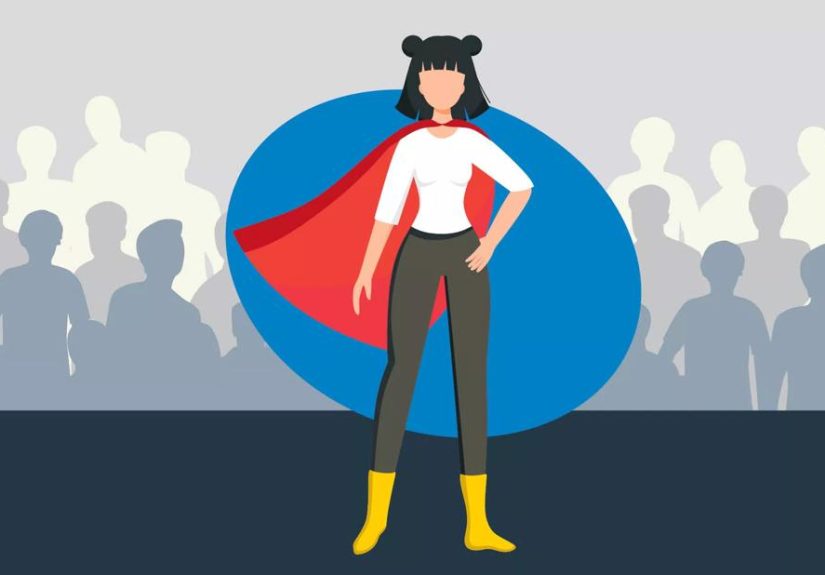
a movie where they’re the protagonist and everyone else is… background extras, plot devices, or occasional villains.
This article breaks down what main character syndrome means, what it looks like in real life, why it’s so common right now,
how it differs from confidence (and from narcissism), and how to keep the “main character” mindset healthywithout turning
your friendships into a one-person show.
What “Main Character Syndrome” Actually Means
Main character syndrome is a self-centered storytelling mindset: you experience your life as if it’s a curated narrative
starring you, and you interpret events primarily through what they mean for your plotline. In small doses, that’s normalhumans
are literally built to make meaning out of experiences. The trouble starts when your personal storyline becomes more important
than other people’s actual lives.
Main character energy vs. main character syndrome
You’ll also hear main character energy, which can be positive: investing in yourself, building confidence, setting boundaries,
romanticizing your life in harmless ways (yes, buy the flowers). The darker versionmain character syndromeshows up when self-focus
turns into self-importance, and “I’m the hero of my story” morphs into “Everyone should orbit my story.”
Why the Term Blew Up (Hint: The Internet Loves a Narrative)
Social platforms reward storytelling. Posts with a clear protagonist, conflict, glow-up, and comeback tend to perform well.
Over time, it’s easy to start living like you’re producing content rather than experiencing life. When your day becomes a feed,
attention can start to feel like oxygen.
Add in pandemic-era isolation, always-on digital life, and the pressure to “brand” yourself, and you get a culture that subtly
whispers: If it’s not content, did it even happen? (Yes. It did. Your memories still count, even without a carousel post.)
Signs of Main Character Syndrome
There’s no official checklist, but these patterns pop up often. You don’t need all of them for the label to fitand seeing one
or two doesn’t mean you’re a villain. It just means you’re human with Wi-Fi.
-
Constant narrative framing: You describe everyday events like a dramatic arcespecially when it makes you look heroic,
misunderstood, or “destined for greatness.” - Attention becomes the goal: You feel restless when you’re not the focal point, and you steer conversations back to yourself.
- Low curiosity about others: You listen to respond, not to understand. Other people’s news feels like a detour from your plot.
- Over-dramatizing minor conflicts: Normal friction becomes “betrayal,” “haters,” or “my villain era is here.”
- Entitlement to special treatment: You expect exceptionsbecause, obviously, the protagonist must make it to the third act.
- Social media performance creep: You start doing things because they’ll look good online, not because they matter to you.
- Boundary confusion: You assume people should be immediately available for your needs, messages, and emotional updates.
A quick reality check: self-focus isn’t always selfish
Especially in adolescence and young adulthood, some egocentrism is developmentally commonyour brain is building identity and
learning how you fit into the world. The “syndrome” label is more about when that self-focus becomes rigid, performative, and
harmful to relationships.
What Causes Main Character Syndrome?
Usually it’s not one thing. Think of it as a playlist with multiple tracks:
1) Social media incentives
Likes, comments, views, and follower counts are powerful reinforcement. They can train your brain to chase validation and
interpret life through an “audience” lensespecially if you’re posting frequently or tying self-worth to engagement.
2) Stress, uncertainty, and the need for control
When life feels unpredictable, turning your story into a script can feel soothing. If you can narrate the chaos, it can feel
like you’re in charge of it. The problem is that real life isn’t obligated to follow a clean three-act structure.
3) Identity building and self-protection
Sometimes “I’m the main character” is armor. If you’ve felt overlooked, criticized, or powerless, leaning into a protagonist
mindset can be a way to reclaim confidence. That can be healthyuntil it becomes the only way you know how to relate to others.
4) Personality and habits
Some people are naturally more expressive, assertive, or extroverted. That doesn’t equal main character syndrome. It becomes
a problem when the habit is: spotlight first, empathy later (or never).
Main Character Syndrome vs. Narcissism: Not the Same Thing
People often ask: “Is main character syndrome just narcissism?” Not exactly.
Main character syndrome is a casual cultural label. It can be situational and flexiblesomeone might act this way during certain phases,
on certain platforms, or when under stress.
Narcissistic personality disorder (NPD) is a clinical diagnosis involving persistent patterns that cause impairment and distress.
The key difference many clinicians point to is stability across contexts and the degree of relational harm. In other words:
main character syndrome is often a “mode,” while NPD is a pervasive, long-term pattern.
Also important: you can show “main character” behaviors and still have empathy, remorse, and the ability to change quickly.
That ability to self-correct is a pretty strong sign you’re not dealing with a fixed personality patternyou’re dealing with
habits.
How Main Character Syndrome Affects Relationships (And Why People Get Tired)
Relationships are basically co-op games. If one person insists on playing single-player mode, everyone else eventually logs off.
Common impacts
- Friends feel used: Like they exist to hype you up, not to be known.
- Conflict escalates: Disagreements become “character assassination” instead of normal communication.
- Trust erodes: If every moment might become content, people feel less safe being real around you.
- Work and school suffer: Collaboration gets harder when someone needs the final wordor the spotlight.
There’s also a sneaky downside for the “main character” themselves: pressure. If you believe everything depends on your response,
your vibe, your performance, your plot, you can become anxious and exhausted. Being the star sounds glamorousuntil you realize
the star never gets a day off.
Is Main Character Syndrome Always Bad?
Not automatically. A protagonist mindset can be helpful when it looks like:
- Healthy confidence: “My needs matter, too.”
- Boundaries: “I can say no without guilt.”
- Purpose: “I’m building a life I’m proud of.”
- Self-respect: “I won’t shrink to make others comfortable.”
It becomes harmful when it looks like:
- Entitlement: “Rules don’t apply to me.”
- Empathy collapse: “Other people’s feelings are inconvenient.”
- Constant validation-seeking: “If I’m not admired, I’m nothing.”
- Reality distortion: “Everything is about meeven your problems.”
How to Stop Acting Like the Main Character (Without Becoming a Doormat)
The goal isn’t to delete yourself from your own story. It’s to remember everyone else has a story tooand yours gets better when
it’s not written at their expense.
1) Practice “supporting character” moments on purpose
Once a day, do something that centers someone else: ask a thoughtful question, celebrate their win, help without broadcasting it,
or just listen without preparing your monologue.
2) Use the 80/20 conversation rule
Aim to spend about 80% of a conversation responding to what the other person said and 20% sharing your own related experience.
If you’re already at 50/50, congratulationsyou’re ahead of most podcasts.
3) Replace “audience thinking” with “values thinking”
Before you postor before you make a decision for the storyask:
Would I still do this if nobody ever saw it?
If yes, it’s probably values-aligned. If no, it might be performance.
4) Build boundaries that reduce validation addiction
Consider simple guardrails: no checking likes for an hour after posting, a daily social media time limit, or one screen-free
activity you do purely for you. (Yes, “purely for you” is still allowed. You’re a person, not a public utility.)
5) Strengthen empathy with “two truths”
When you feel the urge to make everything about your plot, try this:
Truth #1: My feelings are real and matter.
Truth #2: Other people’s feelings are real and matter, even when they don’t match mine.
6) Watch for these “red flag sentences” in your head
- “They’re just jealous.”
- “If they cared, they’d drop everything.”
- “This is happening to me (and only me).”
- “Everyone is watching me.”
These thoughts don’t make you bad. They’re just cues to zoom out.
7) If it’s causing distress, consider talking to a professional
If you feel constantly anxious about attention, rejected when you’re not centered, or stuck in patterns that keep harming
relationships, a licensed therapist can help you build self-worth that doesn’t depend on being the protagonist in every room.
FAQ: Quick Answers About Main Character Syndrome
Is main character syndrome a real diagnosis?
No. It’s a cultural term, not a medical label.
Can main character energy be healthy?
Yeswhen it means confidence, self-care, boundaries, and personal growth with empathy.
How do I know if I have it?
Ask yourself: Do I consistently prioritize my storyline over other people’s needs and feelings? Do friends seem drained,
dismissed, or used? If yes, you might be leaning into the syndrome sideand you can absolutely change the pattern.
Real-Life Experiences: When You Feel Like the Main Character (And When It Backfires)
Let’s make this concrete. “Main character syndrome” often shows up in everyday moments that feel smalluntil you zoom out and
realize the pattern is kind of… loud.
The group chat takeover
Someone texts, “I had a rough day.” You reply with your own rough dayexcept your version is longer, more detailed, and includes
a subplot about how the universe is testing your greatness. By the time you finish, the original person’s message is basically a
decorative coaster under your emotional latte. If the chat goes quiet after, it might not be because they’re “haters.” They might
just feel unseen.
The event becomes your scene
At a friend’s birthday dinner, you tell a story that gets laughsso you keep going. You interrupt, you top other people’s stories,
you push the spotlight brighter. Later, you feel confused when your friend seems distant. But from their perspective, their birthday
became the set for your performance. Main character syndrome doesn’t always look like cruelty; sometimes it looks like forgetting
what the occasion is actually for.
The “romanticizing my life” spiral
Romanticizing your life can be adorable: a walk with music, a cozy morning routine, finding joy in small things. The spiral happens
when you start staging your life for a hypothetical audience. You can’t enjoy the sunset until you get the shot. You can’t feel proud
of your progress until other people validate it. You’re not living; you’re producing.
The subtle empathy leak
A friend shares big newsmaybe a promotion, a breakup, a family issue. Your first instinct is to relate it back to your own story.
Relating is normal. But if you consistently pivot to yourself, people may stop coming to you. The irony: chasing “main character”
status can leave you feeling lonelier, because genuine connection requires shared space, not a spotlight monopoly.
The workplace/school “credit grab”
In group projects, main character syndrome can look like controlling the plan, taking the most visible tasks, and positioning yourself
as the reason anything worked. You might not even mean tomaybe you’re anxious, maybe you’re drivenbut teammates can feel reduced to
sidekicks. Over time, they stop contributing, resent you, or quietly avoid working with you. Being the hero of the project feels great
in the moment; being trusted long-term feels better.
The healthier version: you’re the main character, not the only character
The best “main character energy” experiences are grounded. You advocate for yourself. You set boundaries. You dress the way you like.
You take up space. And you still notice other people’s humanity. You can celebrate your wins without making other people’s lives smaller.
That’s the sweet spot: you’re the protagonist in your story, and you’re also a decent person in theirs.
If any of these examples made you cringe (affectionately): good news. Cringe is basically the brain’s way of saying,
“I’m learning.” The goal isn’t perfectionit’s self-awareness, empathy, and the ability to share the stage.