Table of Contents >> Show >> Hide
- First, What Is the FreeStyle Libre CGM?
- Why People Like the FreeStyle Libre So Much
- Understanding the Current FreeStyle Libre Lineup
- How the FreeStyle Libre Works in Real Life
- Accuracy: Very Helpful, Not Psychic
- What FreeStyle Libre Can Help You Learn
- App Features, Alarms, and Sharing
- Who May Benefit Most From FreeStyle Libre?
- Questions to Ask Before You Start
- Real-World Experiences With FreeStyle Libre
- Final Take
- SEO Tags
If you landed here because you typed “FreeStyle Libre GCM,” first of all, welcome. Second, your keyboard is not fired, but the correct term is CGM, short for continuous glucose monitor. The FreeStyle Libre family is one of the best-known CGM systems in the United States, and for good reason: it gives people with diabetes a steadier, more detailed view of glucose trends than the old “poke finger, hope for the best” routine.
That said, the FreeStyle Libre is not magic. It is smart, useful, impressively tiny, and sometimes a little needy in the way all technology is needy. It can make diabetes management easier, but it also comes with quirks, learning curves, and a few important safety details. If you are wondering whether a FreeStyle Libre CGM is worth it, how it works, what the newest models do, and what real life with one feels like, this guide covers the stuff that actually matters.
First, What Is the FreeStyle Libre CGM?
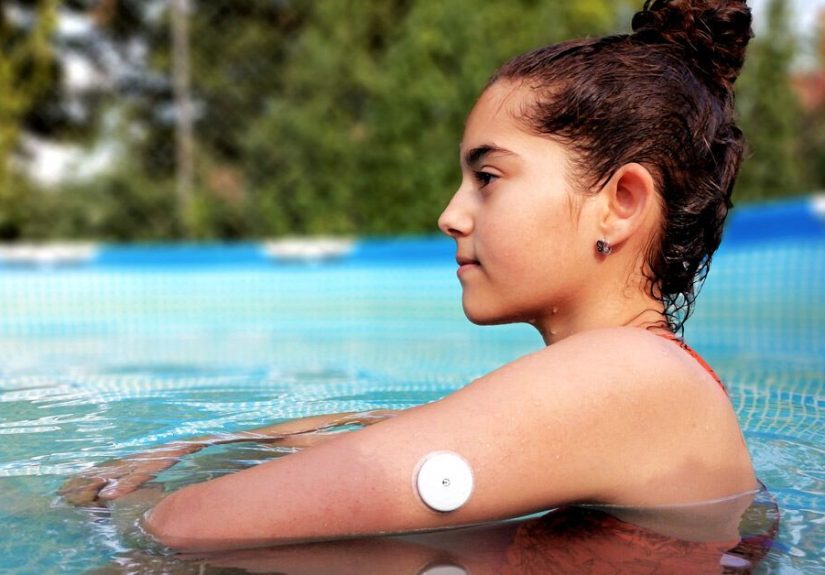
The FreeStyle Libre is a wearable glucose monitoring system made by Abbott. A small sensor sits on the back of your upper arm and measures glucose in the interstitial fluid, which is the fluid between your cells. In plain English, it is not pulling blood from a tiny vampire lair in your arm. It is estimating glucose levels from fluid under the skin and sending that information to an app or reader.
That distinction matters because CGM numbers are incredibly useful, but they are not identical to a lab test or fingerstick at every second of the day. Glucose in interstitial fluid can lag behind blood glucose, especially when levels are changing quickly after meals, during exercise, or when you are treating a low. That is why users are still told to confirm with a blood glucose meter when the reading does not match symptoms or when the device prompts a blood glucose check.
The big benefit is not just the number itself. It is the pattern. The FreeStyle Libre shows whether glucose is rising, falling, or holding steady. That helps many people make more informed decisions about meals, insulin, workouts, sleep, and the moments when the fridge starts whispering your name at 11:47 p.m.
Why People Like the FreeStyle Libre So Much
1. It gives context, not just snapshots
A traditional fingerstick gives you one number at one moment. A CGM gives you a moving picture. That is the whole movie instead of a random screenshot. For many people, that means fewer surprises and fewer “How was I 110 twenty minutes ago and now I’m in the stratosphere?” moments.
2. It can reduce routine fingersticks
The Libre systems are designed to replace routine fingersticks for many treatment decisions, depending on the situation and device instructions. That does not mean fingersticks vanish forever like socks in a dryer. You may still need them when readings look suspicious, symptoms do not match the screen, or the system tells you to check blood glucose another way.
3. Alarms can be a game-changer
Newer Libre systems include alarms or alerts for highs and lows. For people who sleep through lows, miss symptoms, or are managing glucose for a child, this can be a major quality-of-life feature. In diabetes technology, a timely beep is sometimes more romantic than flowers.
4. The sensor is discreet
One of the biggest reasons people choose FreeStyle Libre is simple: the sensor is small and low-profile. Compared with older diabetes gear, it is much less bulky and easier to forget about during normal daily life.
Understanding the Current FreeStyle Libre Lineup
The FreeStyle Libre family has evolved, and that is where people get confused. Understandably so. Medical devices love naming conventions the way fast-food chains love secret menu hacks.
FreeStyle Libre 14 Day
This older system is still familiar to many users. It requires scanning the sensor to get a reading, and it does not provide automatic alarms unless you scan. It helped popularize the Libre approach in the U.S., but it feels more old-school now compared with newer options.
FreeStyle Libre 2
Libre 2 added real-time alarm capability. In the U.S., the system is cleared for people with diabetes age 4 and older with the standard Libre 2 sensor, while the Libre 2 Plus sensor is cleared for age 2 and older. Depending on the setup, users may interact through the Libre app or a dedicated reader.
FreeStyle Libre 3
Libre 3 is the more “set it and glance at your phone” version. It sends real-time, minute-by-minute glucose readings to a compatible smartphone, which is a major step up in convenience. The standard Libre 3 sensor is a 14-day sensor and is cleared for age 4 and older in the U.S.
FreeStyle Libre 3 Plus
Libre 3 Plus is the newer extension of the lineup. In the U.S., it is cleared for people age 2 and older and offers a 15-day wear period. That extra day may sound small, but in the land of prescriptions, refills, and adhesive patches, one extra day is not nothing.
The short version: if you hear people talking about “Libre,” they may be describing very different user experiences depending on whether they mean the older 14 Day system, Libre 2, Libre 3, or a Plus sensor.
How the FreeStyle Libre Works in Real Life
Once the sensor is applied to the back of the upper arm, it starts measuring glucose under the skin. The system then sends those readings to a compatible smartphone app or a dedicated reader. The app or reader shows your current glucose, trend arrows, and historical data, so you can see whether you are rising after lunch, dropping during soccer practice, or bouncing around because your body decided today would be a chaos-themed event.
Many users end up caring less about a single number and more about a handful of repeating questions:
Am I trending up or down?
How fast is it happening?
What happened after breakfast, that workout, or that “just one cookie” situation?
The app also helps users review daily patterns over time. This is where CGM becomes especially useful. It can help spot overnight lows, post-meal spikes, exercise-related dips, and other patterns that an A1C alone cannot show. A1C still matters, but CGM fills in the daily story between appointments.
Accuracy: Very Helpful, Not Psychic
The FreeStyle Libre systems are considered accurate enough for routine diabetes management, but no CGM is perfect every second of every day. Readings can be less reliable when glucose is changing rapidly, when the sensor is new, when there is pressure on the sensor, or when something simply seems off.
One real-world issue many CGM users learn about quickly is the “compression low.” That happens when you sleep on the sensor or put prolonged pressure on it, and the reading suddenly acts dramatic for no good reason. Your screen may suggest that your glucose has cliff-dived into a disaster movie while your body is lying there feeling perfectly normal. In that case, the old rule applies: if the number does not match how you feel, verify it.
Also worth noting: as of early 2026, Abbott and the FDA posted a correction affecting certain FreeStyle Libre 3 and FreeStyle Libre 3 Plus sensors after reports of incorrect low readings in a subset of products. That does not mean the whole Libre lineup is in trouble. It does mean users of Libre 3 or 3 Plus should stay current on manufacturer safety notices and confirm suspicious readings with a blood glucose meter.
What FreeStyle Libre Can Help You Learn
The best thing about CGM is not that it tells you a number. It is that it teaches cause and effect. Many people discover patterns they never knew they had.
For example, someone may find that oatmeal is apparently a sweet, innocent liar that spikes glucose faster than expected. Another person may learn that a short walk after dinner helps flatten a spike. Someone else may discover that stress at work sends glucose higher than the office vending machine. CGM does not fix those patterns by itself, but it makes them visible.
That can be powerful for adults with type 1 diabetes, people with type 2 diabetes using insulin, and increasingly for some adults with type 2 diabetes using other glucose-lowering therapies. Clinical guidance in the U.S. has moved toward broader CGM use because seeing trends can improve decision-making and support better glucose management.
App Features, Alarms, and Sharing
The Libre app has become a major part of the user experience. On compatible devices, users can view up-to-the-minute readings on a smartphone and, in some cases, a smartwatch. For many people, that means less gear in pockets and fewer excuses to “accidentally” leave the reader at home.
Alerts and alarms are especially helpful for people who want warnings about lows or highs, parents helping monitor a child’s diabetes, and anyone who has a hard time feeling lows in real time. These features can also lower mental load. You do not need to wonder every ten minutes whether you should check. The system can do some of the watching for you.
Still, more data is not always more peace. For some users, a CGM can initially create information overload. Every arrow feels urgent. Every bump feels personal. Every overnight wiggle looks like a crisis. Over time, most users learn that not every glucose movement deserves a dramatic intervention. Sometimes the smartest move is to wait, watch the trend, and not panic-bolus like your pancreas insulted your family.
Who May Benefit Most From FreeStyle Libre?
The answer depends on your diabetes type, treatment plan, budget, insurance, comfort with apps, and how much data you actually want in your life.
FreeStyle Libre may be a strong fit if you:
- want a smaller, discreet CGM sensor,
- would benefit from trend data and alarms,
- take insulin or have frequent highs and lows,
- want to review glucose patterns with a clinician,
- prefer smartphone-based monitoring over carrying extra hardware.
It may be less ideal if you dislike wearing devices, do not want frequent glucose data, or expect the system to be flawless in every situation. A CGM is a tool, not a crystal ball in sticker form.
Questions to Ask Before You Start
Before choosing a FreeStyle Libre CGM, ask a few practical questions:
Which Libre model am I actually being prescribed?
Will I use an app, a reader, or both?
What should I do if the number does not match symptoms?
How do I handle exercise, sleep, travel, and sensor adhesion?
What does my insurance cover?
These are not glamorous questions, but they save headaches. The best diabetes technology is the tech you can actually get, actually use, and actually trust.
Real-World Experiences With FreeStyle Libre
One of the most common experiences people report with FreeStyle Libre is that the first week feels like someone turned on the lights in a room they had been walking through half-blind. Suddenly, there is context. Breakfast is no longer just breakfast; it is a graph. Exercise is no longer just a good habit; it is a trend line with consequences. A snack before bed may look harmless at 9:00 p.m. and a lot less harmless by 1:00 a.m. For many users, that visibility is both empowering and a little humbling. The sensor is not judging you, but it can feel like it saw the second slice of pizza and wrote it down.
Another common experience is relief. People who used to rely on fingersticks alone often describe feeling less “blind” between checks. Parents of kids with diabetes may feel less anxious when alarms or remote monitoring features are part of the setup. Adults who have trouble noticing lows may feel safer during sleep, commuting, or long meetings where leaving the room every hour is not exactly ideal. In those moments, the FreeStyle Libre is not just a gadget. It is a layer of reassurance.
Then there is the adjustment period, which deserves honesty. Some users become hyperaware of every movement in their glucose and start reacting too fast. A minor upward trend after lunch can trigger a mental spiral. A nighttime alarm can launch a household into action before anyone has fully remembered their own name. This usually gets better with experience. People learn that trend arrows matter, timing matters, and not every blip requires a heroic correction dose. In a weird way, the Libre often teaches patience as much as it teaches glucose management.
Many users also talk about the practical annoyances. Adhesive issues happen. Sensors can get bumped by door frames, peeled up by sweaty workouts, or offended by certain skin-care products. Sleepers discover compression lows. Athletes discover that intense activity can make readings look odd for a bit. Travelers discover that managing extra sensors, chargers, apps, prescriptions, and airport routines deserves its own tiny project manager. None of these issues make the device useless, but they do remind you that “wearable tech” still means “tech,” and tech occasionally chooses chaos.
At the same time, the upside tends to keep people coming back. Users often say they become better at spotting meal patterns, understanding the timing of insulin, seeing how stress affects glucose, and recognizing which habits genuinely help. A short walk after dinner, a different breakfast, a better pre-bolus routine, or a change in exercise timing can become obvious when the data is right there. That kind of learning is difficult to get from occasional fingersticks alone.
Perhaps the most realistic summary is this: people do not usually love the FreeStyle Libre because it is perfect. They love it because it is useful. It turns invisible patterns into visible ones. It can reduce guesswork, reveal habits, and create safer routines. It can also beep at inconvenient times, expose your snack decisions, and occasionally make you mutter at your phone. In other words, it behaves like many helpful things in adult life.
Final Take
If you want the cleanest answer possible, here it is: the FreeStyle Libre CGM is one of the most practical and popular glucose monitoring options in the U.S. because it combines a small sensor, useful trend data, app-based convenience, and newer alarm features in a system many people find easier to live with than older diabetes tech.
But “easy” does not mean “automatic.” You still need to understand your specific Libre model, know when to double-check a reading, and pay attention to updates from Abbott and the FDA. The people who get the most from FreeStyle Libre are usually the ones who treat it as a smart guide, not an infallible boss.
Used that way, it can be incredibly helpful. Not glamorous. Not magical. But genuinely helpful, which is often better.