Table of Contents >> Show >> Hide
- Harvest season isn’t a date. It’s a detective story.
- A practical harvest calendar by season
- Quick “when to pick” guide for popular crops
- Ripeness cues that beat the calendar
- Tomatoes: color is necessary, but texture seals the deal
- Cucumbers: younger is usually better
- Summer squash and zucchini: the overnight growth spurt is real
- Green beans: aim for crisp pods, not bulging seeds
- Sweet corn: harvest at the “milk stage”
- Potatoes: “new” vs. “storage” harvest
- Onions and garlic: cure is not optional if you want them to last
- Winter squash and pumpkins: hard rind, mature stem, and a good cure
- Apples: pick in waves, not all at once
- Harvest like a pro: timing, tools, and handling
- Regional cheat sheet: how harvest season shifts across the U.S.
- Common harvest mistakes (and how to avoid them)
- Conclusion: your best harvest calendar is the one you use
- Garden Harvest Experiences: real-life lessons that make harvest season easier
- 1) The garden rewards the people who show up often
- 2) Your first “too-late” harvest is a rite of passage
- 3) Taste tests are the most honest garden tool
- 4) Harvest mornings feel different for a reason
- 5) Fall harvest is where the “wow” flavors live
- 6) Storage success is mostly about what happens after picking
- 7) “Too much at once” is a planning problem, not a character flaw
- 8) The best harvest season is the one that fits your life
If you’ve ever stared at a tomato like it owes you rentwondering whether to pick it now or wait one more daywelcome to harvest season.
The truth: harvest time isn’t a single week on the calendar. It’s a moving target influenced by your weather, your variety, your soil,
and the tiny microclimate created by that one warm wall that makes your peppers act like they’re on vacation.
This guide breaks down harvest season the way real gardeners live it: by seasons, by ripeness clues,
and by the simple “garden math” that connects frost dates and days-to-maturity to what actually ends up in your basket.
You’ll get a practical crop-by-crop cheat sheet, plus storage tips so your hard-earned harvest doesn’t become a science experiment in the fridge.
Harvest season isn’t a date. It’s a detective story.
Clue #1: Your last spring frost and first fall frost
In most of the U.S., the main outdoor growing season is framed by two big events: the average last frost in spring
(when tender plants can finally stop living in fear) and the average first frost in fall
(when you suddenly become emotionally attached to every last green tomato).
Frost dates vary wildly by region, elevation, and even your neighborhood (cities often stay warmer than rural areas).
Use your local frost dates to anchor your “harvest window,” especially for warm-season crops that hate cold.
Clue #2: “Days to maturity” is a helpful hintnot a contract
Seed packets and plant tags list days-to-maturity, but consider that number a ballpark.
Cool springs slow growth. Heat can speed it up (or stress plants into sulking). Rain, drought, soil fertility, and pest pressure all nudge the timeline.
A cucumber labeled “55 days” might be ready in 50 during a hot stretchor take 65 if nights stay cool.
Clue #3: Ripeness signals beat the calendar every time
Your most accurate harvest tool is not an app. It’s your eyeballs (plus your hands, nose, and taste buds).
Ripeness signalscolor, firmness, aroma, ease of pickingtell you when flavor and texture peak.
Learn the signals for your key crops, and you’ll harvest at the sweet spot instead of “technically edible.”
A practical harvest calendar by season
Below is a broad, U.S.-friendly harvest roadmap. Exact timing will shift by region and planting date, but the seasonal pattern holds:
cool-season crops thrive in spring and fall; warm-season crops dominate summer; and storage crops shine late summer into fall.
Spring harvest: crisp, quick, and leafy
Spring harvest is the era of salads, snap, and speed. These crops often mature fast and taste best before heat arrives:
- Radishes: Ready quickly; harvest before they turn woody or hollow.
- Lettuce & spinach: Pick baby leaves early, or harvest heads before hot weather triggers bitterness and bolting.
- Peas: Harvest pods when plump; pick frequently to keep plants producing.
- Asparagus (established beds): A spring-only celebrationshort, glorious, and surprisingly addictive.
- Strawberries (in many regions): Spring into early summer, depending on type and climate.
Summer harvest: the “blink and it’s huge” season
Summer is when the garden goes from “cute hobby” to “why do I have 17 zucchini?”
Warm-season crops often produce fast and heavyharvest frequently for best quality.
- Tomatoes: Peak summer into early fall; harvest by color and feel.
- Cucumbers: Pick small-to-medium for best texture; oversized cukes can turn seedy and bitter.
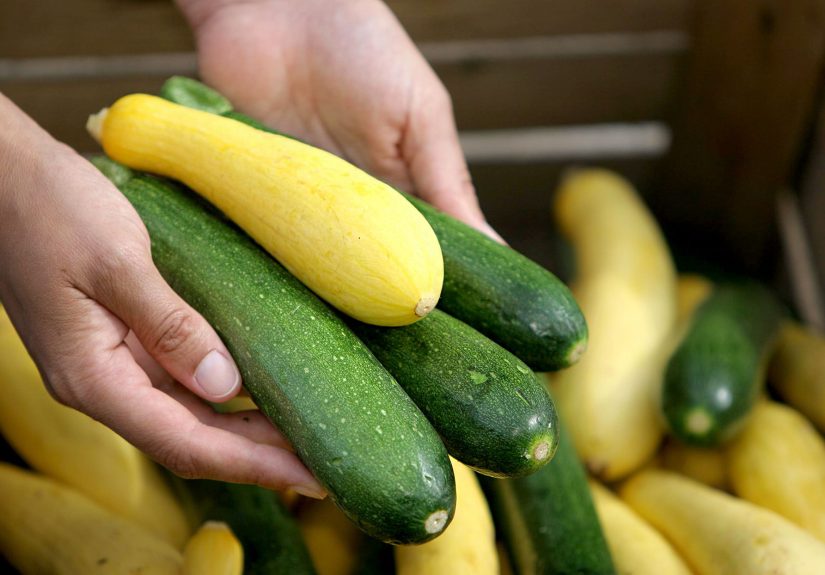
- Zucchini & summer squash: Harvest young and tender; they grow like they’re paid by the inch.
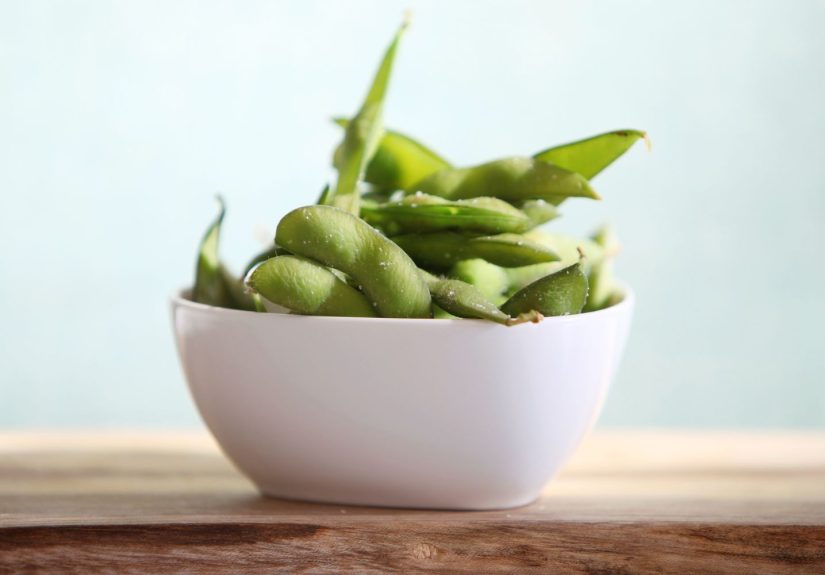
- Green beans: Pick while pods are firm and seeds inside are still small; frequent picking = more beans.
- Peppers: Harvest green or fully colored (red, yellow, orange, etc.) depending on variety and your patience level.
- Sweet corn: A narrow perfection windowtiming matters more than your feelings.
- Berries (varies): Strawberries, blueberries, raspberries, blackberriessummer is the main event in many regions.
- Stone fruit (where grown): Peaches, plums, nectarinesusually mid-to-late summer.
Late summer into fall: big flavor, big storage energy
Late summer and fall harvest is when you shift from “fresh eating” to “let’s make this last.”
Storage crops, tree fruit, and cool-season returns dominate.
- Winter squash & pumpkins: Harvest before hard frost; cure for longer storage.
- Potatoes: New potatoes earlier; main crop once vines die back and skins set.
- Onions & garlic: Harvest when tops yellow/fall; cure thoroughly.
- Apples & pears: Late summer through fall, depending on variety and region.
- Grapes: Late summer to early fall in many areas; taste is your best guide.
- Sweet potatoes: Harvest before frost; handle gently to avoid bruising.
Cool-season fall (and sometimes winter): sweeter after a chill
Some crops get better with cool weather. Light frosts can improve sweetness in certain greens and roots.
In milder climates or with season extension (row covers/cold frames), harvest can run deep into winter.
- Kale, collards, mustard greens: Often sweeter after cool nights.
- Carrots, beets, turnips: Roots can hold in cool soil; harvest as needed.
- Brussels sprouts: Many gardeners swear sprouts taste best after frost.
- Broccoli & cauliflower: Fall plantings can produce excellent quality if timed well.
Quick “when to pick” guide for popular crops
Use this as a starting point, then fine-tune with your local frost dates and variety notes.
When in doubt: harvest a little, taste it, and adjust. Your garden is allowed to have opinions.
| Crop | Typical harvest season (U.S.) | Best ripeness clues |
|---|---|---|
| Tomatoes | Mid-summer to first frost | Full color for variety, glossy skin, slightly soft, aromatic |
| Cucumbers | Summer | Firm, evenly green, before seeds enlarge; size depends on variety |
| Zucchini / summer squash | Summer | 6–8 inches (common), glossy skin, tender; pick often |
| Green beans | Summer | Pods snap cleanly, seeds still small, pods not bulging |
| Peppers | Summer to fall | Firm, glossy; green or fully colored depending on desired sweetness |
| Sweet corn | Mid-summer | Silks brown, husk green; kernels at “milk stage” when punctured |
| Potatoes | Summer to fall | New: after flowering; main crop: vines die back, skins set |
| Onions | Mid-to-late summer | Tops fall over/yellow; cure until necks are dry and papery |
| Garlic | Early-to-mid summer | Lower leaves yellowing while several top leaves remain green; cure well |
| Winter squash / pumpkins | Late summer to fall | Rind hard (resists fingernail), full color, mature stem; cure |
| Carrots | Spring, fall, winter (mild areas) | Shoulders sized up; flavor sweetens in cool weather |
| Apples | Late summer to fall | Ground color shifts, seeds darken, flavor/aroma develop; pick in waves |
| Strawberries | Spring to summer (varies) | Uniformly red, fragrant; pick gently with cap attached |
Ripeness cues that beat the calendar
Tomatoes: color is necessary, but texture seals the deal
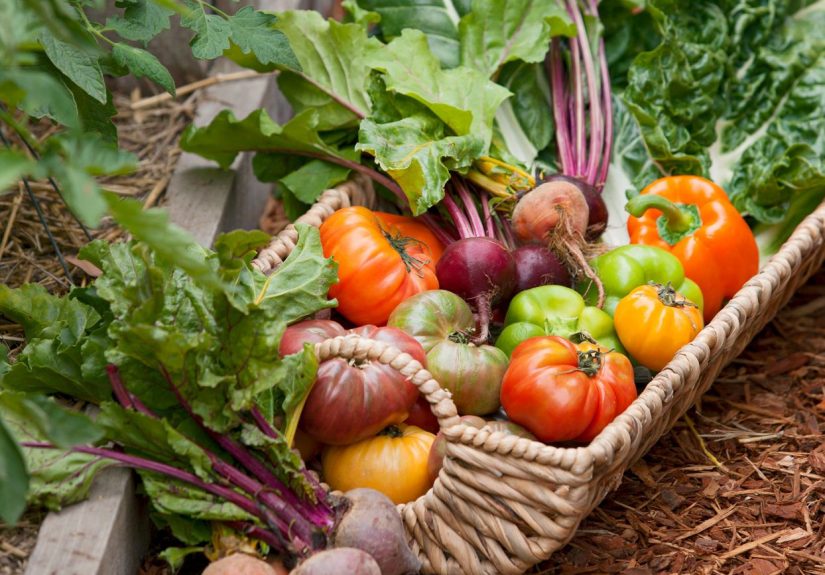
For best flavor, let tomatoes ripen on the vine when possible. Harvest when they’re fully colored for the variety and slightly soft to a gentle squeeze.
In very hot weather, tomatoes can soften quickly and may not color wellpicking at first blush and finishing indoors can save quality.
Before frost, you can harvest mature green tomatoes and ripen them inside.
Cucumbers: younger is usually better
Cucumbers are at their crisp best before seeds get large. If your cucumbers are turning yellow, they’re past prime.
Pick often and don’t let “one giant cucumber” hijack the plant’s production.
Summer squash and zucchini: the overnight growth spurt is real
Pick zucchini and summer squash when they’re tender and glossy. Oversized squash aren’t a moral failurebut they’re better suited to shredding,
stuffing, or baking into something that distracts everyone from the fact you grew a vegetable the size of a canoe.
Green beans: aim for crisp pods, not bulging seeds
Harvest when pods are firm and snap cleanly. If the seeds inside are clearly bulging, the pods get tougher and starchier.
Regular harvesting keeps plants producing.
Sweet corn: harvest at the “milk stage”
Sweet corn is ready when kernels are full-sized and release a milky juice when punctured with a thumbnail. Silks should be brown and dry,
while husks stay green. Once harvested, sugars convert to starch quicklyso corn tastes best when picked in the cool morning and cooled fast.
Potatoes: “new” vs. “storage” harvest
New potatoes can be harvested a couple of weeks after flowering when tubers are small and skins are delicate.
For main-crop storage potatoes, wait until vines yellow and die back, then allow skins to “set” (harden) before storage.
Cure in a cool, dark, ventilated space to help them store longer.
Onions and garlic: cure is not optional if you want them to last
Onions are typically ready when tops yellow and fall over. After lifting, cure them in a warm, dry, well-ventilated place
until necks are thoroughly dry and outer skins are papery.
Garlic is often harvested when the lower leaves begin to yellow while several upper leaves remain green.
Cure bulbs out of direct sun with good airflow so wrappers dry properlythis is what gives you that pantry-stable garlic instead of “sad, soft garlic.”
Winter squash and pumpkins: hard rind, mature stem, and a good cure
Harvest before hard frost. Mature winter squash typically has a rind that resists scratching with a fingernail.
Pumpkins should have full color and a sturdy stem. After harvest, curing in warm, dry conditions helps toughen skins and heal minor wounds,
dramatically improving storage life.
Apples: pick in waves, not all at once
Many apple varieties don’t ripen uniformly. It’s normal to pick from the same tree several times over a week or two.
Watch for maturity cues like ground color shift (the background under red blush), seed color darkening, and a developed aroma and flavor.
A ripe apple can still be tartbut it should taste like an apple, not like crunchy lawn clipping.
Harvest like a pro: timing, tools, and handling
Pick in the cool, handle gently, and keep things dry
- Morning harvest often gives you crisper produce (and fewer heat-meltdowns for you and the plants).
- Avoid harvesting when plants are wet if you canmoisture can spread disease and shorten storage life.
- Use pruners or a knife for thick stems (peppers, squash, pumpkins) to avoid tearing vines.
- Don’t yank fruit off unless the plant is clearly offering it to you.
Curing and storage: where good harvests go to live longer
Some crops are born ready for the fridge. Others need a “curing” phase first:
- Onions: Cure until necks are dry and skins rustle. Store cool, dry, and ventilated.
- Garlic: Cure with good airflow; store dry with ventilation.
- Winter squash/pumpkins: Cure warm and dry, then store cool and dry (but not freezing).
- Potatoes: Cure in dark, cool conditions; store away from light to prevent greening.
Quick rule: cool + dark + airflow is the holy trinity for many storage crops.
(And yes, your countertop in direct sun is the opposite of that.)
Regional cheat sheet: how harvest season shifts across the U.S.
The U.S. is a big place. A “June harvest” in Minnesota may be a “March harvest” in parts of Texas or Arizona.
Use this as a general orientationthen refine with your local frost dates and variety selection.
Cooler regions (Upper Midwest, New England, mountain climates)
- Shorter warm-season window: tomatoes, peppers, melons peak later; early varieties shine.
- Fall crops thrive: carrots, brassicas, kale, and storage roots can be excellent with cool nights.
- First frost can arrive early: plan to harvest tender crops before that date or use covers.
Temperate regions (Mid-Atlantic, much of the Midwest, Pacific Northwest lowlands)
- Classic four-season pattern: strong spring greens, big summer harvest, productive fall second act.
- Succession planting pays off: stagger lettuce, beans, and cucumbers for steadier harvests.
- Wet fall weather can challenge squash storageharvest and cure promptly.
Warm regions (South, Gulf Coast, parts of California and the Southwest)
- Long seasons allow multiple waves of planting and harvest.
- Heat can interrupt summer production: some cool-season crops bolt fast; fall gardens are often a highlight.
- Frost is less frequent, but sudden cold snaps still matter for tender crops and timing storage harvests.
Common harvest mistakes (and how to avoid them)
1) Waiting for “perfect” and missing “best”
Many vegetables are best slightly young: cucumbers, zucchini, beans, okra. If you wait for the biggest possible harvest,
you may get the toughest possible bite. Harvesting regularly often increases total yield.
2) Ignoring the plant’s signals
Yellowing leaves, falling tops (onions), dying vines (potatoes), hardened rinds (winter squash)these are the plant’s way of saying,
“Hi, I’m done. Please don’t make this weird.”
3) Skipping curing and blaming storage
If onions rot, garlic shrivels, or squash molds, it’s often a curing/storage environment issuetoo humid, too warm, not enough airflow,
or storing damaged fruit. Cure properly, handle gently, and store only sound produce.
4) Forgetting frost is a flavor and a deadline
Frost can sweeten some cool-season crops, but it can ruin warm-season crops fast. Keep an eye on your local forecast as fall approaches.
Your future self will thank you while eating tomato sauce in January.
Conclusion: your best harvest calendar is the one you use
Harvest season doesn’t have to feel like a guessing game. Start with your frost dates, treat days-to-maturity as a guide,
then let ripeness cues make the final call. Pick frequently in summer, cure storage crops with intention, and plan for fall like it’s the secret bonus level of gardening.
And remember: the “right time” to harvest is often the moment you walk outside and think, “If I don’t pick this today, it’s going to pick itself.”
Garden Harvest Experiences: real-life lessons that make harvest season easier
Ask a group of home gardeners about harvest season and you’ll hear the same kinds of stories, told with different accents and the same tired grin.
Harvest is excitinguntil it’s overwhelming. It’s joyfuluntil you open the fridge and realize you’ve accidentally started a produce adoption agency.
Here are experience-based lessons gardeners commonly share, the kind you only learn after a few seasons of “I’ll remember next year” moments.
1) The garden rewards the people who show up often
The biggest harvest hack is simply checking plants regularly. Cucumbers can go from perfect to seedy overnight.
Beans can get bulky fast. Zucchini is basically a magic trick. When you do quick daily walk-throughsfive minutes with coffee, ten minutes after work
you catch produce at peak quality and you keep plants producing. Frequent harvesting is not just about collecting food; it’s how you “vote” for the plant to keep going.
2) Your first “too-late” harvest is a rite of passage
Nearly everyone has harvested a cucumber that could double as a foam roller or found an okra pod that might qualify as building material.
It’s not failure; it’s training. Those overgrown vegetables teach you what “too late” looks and feels like.
The next year, your hands will reach for the pruners sooner because you remember the taste of that fibrous zucchini.
Gardening is a long-term relationship, and sometimes it communicates via enormous produce.
3) Taste tests are the most honest garden tool
Many gardeners stop relying on strict dates and start relying on small taste tests.
Snap a pea. Try a cherry tomato. Roast a small beet. You learn your own preferencessome people like cucumbers smaller and crunchier,
others like them a little bigger for slicing. The “right” harvest moment includes your taste, not just textbook rules.
Once you start tasting regularly, harvest season feels less like a quiz and more like a conversation.
4) Harvest mornings feel different for a reason
Experienced gardeners often harvest early because produce is usually firmer and cooler.
Greens tend to be crisper before midday heat. Sweet corn tastes best when harvested at the right stage and handled quickly.
Even if you’re not an early bird, harvesting before the day gets hot can mean better texture and longer shelf life.
It also means you’re not sweating through your shirt while trying to wrestle a pumpkin off the vinean underrated benefit.
5) Fall harvest is where the “wow” flavors live
Spring is fresh and fast, summer is abundant, but fall is often the most satisfying.
Cool nights can improve flavor in many greens and roots, and the garden feels calmerless frantic, more deliberate.
Many gardeners report that fall carrots taste sweeter, kale tastes nicer after cool weather, and brassicas feel less bitter.
Planning a fall garden (or simply protecting late crops) is one of the most “I can’t believe I didn’t do this sooner” upgrades.
6) Storage success is mostly about what happens after picking
People often assume storage is luck: “My onions lasted forever!” or “My squash rotted immediately!”
In reality, post-harvest handling is usually the difference. Gentle harvesting prevents bruises that turn into rot.
Curing onions, garlic, and winter squash gives them the protective outer layers they need.
Airflow matters. So does keeping storage crops out of sun and away from extreme heat.
Once gardeners dial in curing and storage, they stop racing to use everything immediatelyand start enjoying the harvest for months.
7) “Too much at once” is a planning problem, not a character flaw
Overwhelm happens when planting is concentrated and harvesting isn’t staggered. Many gardeners solve this by
succession planting (small plantings every couple of weeks) and by growing a mix of early, mid, and late varieties.
Another real-life strategy: decide in advance what you’ll do with peak crops.
Tomatoes become sauce or freezer packs. Zucchini becomes shredded and frozen for baking.
Herbs become pesto cubes. A plan turns abundance from stressful to satisfying.
8) The best harvest season is the one that fits your life
Some gardeners aim for a steady trickle of fresh salads. Others want a canning marathon and a pantry full of jars.
Some people love daily picking; others prefer fewer, bigger harvest days.
There’s no universal best scheduleonly the one you can maintain without resenting your own garden.
When your harvest style matches your routine, the garden feels like a gift instead of a chore.
And that’s the real goal: food you grew, at the right time, enjoyed without burnout.