Table of Contents >> Show >> Hide
- What Exactly Is a White Porcelain Wall or Ceiling Light?
- Why Choose Porcelain for Lighting?
- Porcelain vs. Other Lighting Materials
- Where White Porcelain Wall or Ceiling Lights Work Best
- How to Choose the Right White Porcelain Light
- Installation and Safety Tips
- Cleaning and Maintaining White Porcelain Fixtures
- Styling Ideas: Making Porcelain Lights Look Intentional, Not “Builder Basic”
- Real-Life Experiences with White Porcelain Wall or Ceiling Lights
- Conclusion
If you love lighting that looks crisp, timeless, and just a little bit fancy (without the fancy price tag),
a white porcelain wall or ceiling light might be your new design best friend. These compact fixtures show up in
old-school farmhouses, Art Deco apartments, chic Scandinavian bathrooms, and even modern lofts, quietly doing
their job while looking effortlessly polished.
In this guide, we’ll break down what white porcelain wall and ceiling lights are, why designers still swear by
them, where they work best, how to choose the right one, and how to keep them looking spotless for years.
We’ll also walk through real-life styling ideas and some hands-on experiences so you can picture them in your own home.
What Exactly Is a White Porcelain Wall or Ceiling Light?
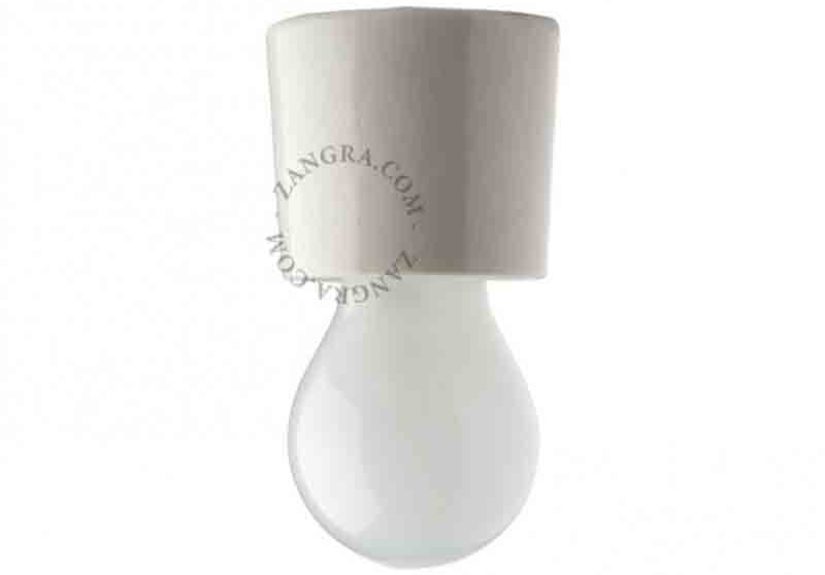
A white porcelain wall or ceiling light is usually a compact fixture made from glazed porcelain that mounts
directly to your wall or ceiling. Many designs are “flush mounts,” sitting close to the surface with a
visible bulb or attached shade. Others are small wall sconces or lampholders that hold a single bulb and
sometimes a glass globe or shade.
You’ll often see:
- Flush-mount ceiling fixtures with a round or hexagonal porcelain base and a glass shade or exposed bulb.
- Porcelain wall sconces that can be mounted vertically or horizontally and used in bathrooms, hallways, or porches.
- Simple lampholders just a porcelain base and socket, often used in basements, closets, and utility rooms.
The common thread? A sleek, bright white finish, compact footprint, and a feeling that the fixture is both vintage
and modern at the same time.
Why Choose Porcelain for Lighting?
Durable, Heat-Resistant, and Long-Lasting
Porcelain is famous for its durability. It’s a dense, non-porous ceramic that resists moisture, stains, and
corrosion, which is exactly what you want around light bulbs that run warm and spaces that can be steamy or damp,
like bathrooms or covered outdoor areas.
Because porcelain holds up so well to temperature changes and wear, a well-made porcelain wall or ceiling light can
last for decades. That’s why vintage porcelain fixtures from the 1920s–1930s still show up on resale sites and in
architectural salvage shops, often looking surprisingly fresh after a bit of cleaning.
Clean Look that Works with Almost Any Style
White porcelain has a built-in “designer look.” It reads as clean, minimal, and slightly glossy. That means it can
slide into:
- Farmhouse and cottage spaces with beadboard walls and painted trim.
- Scandinavian-inspired rooms with pale wood and neutral textiles.
- Art Deco or vintage apartments where original porcelain fixtures are part of the charm.
- Modern minimal interiors where you want function-forward fixtures that don’t scream for attention.
Because the color is neutral, you can change wall paint, furniture, or hardware finishes and your white porcelain
fixtures will still fit right in.
Great for Damp or Utility Spaces
Many white porcelain wall or ceiling lights are paired with glass globes and rated for damp environments such as
bathrooms, covered porches, or laundry rooms. Some designs carry IP44 or similar ratings, meaning they’re
resistant to splashes and moisture, as long as they’re installed appropriately.
Even plain lampholder-style porcelain fixtures are popular in closets, garages, and basements thanks to their
toughness and low cost.
Porcelain vs. Other Lighting Materials
Porcelain vs. Plastic
Plastic lamp holders are inexpensive and lightweight, but they can discolor, warp, or become brittle over time,
especially near heat. Porcelain, on the other hand, is heat-resistant and keeps its crisp white color for far
longer. That makes it a better choice for fixtures used frequently or in high-heat situations.
Porcelain vs. Metal
Metal fixtures (aluminum, steel, brass) are common in decorative lighting. They’re great looking, but the finish
can scratch, chip, or fade, especially outdoors. Porcelain enamel coatings on steel are one way manufacturers make
metal more durable; layers of porcelain enamel glass create a finish that doesn’t fade in the sun like some
powder-coated metals.
With solid porcelain bases, you’re essentially getting that same rugged, glassy surface baked into the structure of
the fixture itself.
Where White Porcelain Wall or Ceiling Lights Work Best
Bathrooms and Powder Rooms
A white porcelain wall light with an opal glass globe on either side of a bathroom mirror can look both fresh and
nostalgic. IP-rated porcelain fixtures can also be mounted over a shower or bathtub (according to manufacturer
specs and local code), giving you soft, diffuse light in a moisture-heavy environment.
Entryways and Hallways
Narrow hallways and small entry vestibules are ideal for flush-mount porcelain ceiling lights. They offer good
general illumination without taking up headroom or visual space. In older homes, swapping a dated brass “boob light”
for a simple white porcelain fixture can instantly modernize the space while keeping things classic.
Kitchens, Pantries, and Laundry Rooms
These hardworking spaces benefit from even, bright light and surfaces that are easy to wipe down. Porcelain fixtures
with LED bulbs can provide energy-efficient illumination for thousands of hoursmany LED ceiling bulbs are rated for
50,000 hours of use, drastically cutting replacement frequency and energy costs.
Basements, Closets, and Utility Areas
Old-school porcelain lampholders are practically a design trope in utility areas, but they’re popular for a reason:
they’re small, tough, and affordable. When paired with modern LED bulbs, they’re safer and more efficient than the
incandescent setups they originally used.
How to Choose the Right White Porcelain Light
1. Decide on Wall vs. Ceiling Mount
Start with where you need light:
- Ceiling mount is ideal for general ambient lighting in hallways, bedrooms, pantries, and small rooms.
- Wall mount works better for task or accent lighting beside mirrors, along stairs, or framing artwork.
Many porcelain fixtures can be installed on either a wall or ceiling, but always double-check the manufacturer’s
instructions.
2. Get the Size and Scale Right
A common lighting mistake is choosing fixtures that are too small for the space. Designers suggest sizing ceiling
lights relative to room dimensions and ceiling height, and sometimes even “mocking up” the fixture footprint with
paper to get a feel for scale.
As a quick rule of thumb for small porcelain flush mounts:
- For tight spaces like closets and small hallways, 5–8 inches in diameter is typically enough.
- In larger rooms, treat porcelain fixtures as part of a layered lighting plan rather than the single light source.
3. Choose the Right Bulb and Color Temperature
Because most porcelain fixtures show at least part of the bulb, the bulb you choose matters for both function and style.
- Soft white (around 2700K) gives a warm, cozy glow ideal for bedrooms and living areas.
- Neutral white (3000–3500K) is great for kitchens and bathrooms where you want clarity without harshness.
- High-CRI LED bulbs (CRI around 90–95) render colors more accurately, especially useful near mirrors or in dressing areas.
If the fixture allows, consider dimmable LED bulbs so you can shift from bright task lighting to softer mood lighting.
4. Check for Damp or Wet Location Ratings
For bathrooms, laundry rooms, and outdoor applications, look for fixtures with appropriate damp or
wet location ratings or IP codes (like IP44). These ratings indicate how well the fixture is protected
from moisture and water spray and are important for safety and longevity.
Installation and Safety Tips
Installing a porcelain wall or ceiling light is usually straightforward, but electricity is not the place for
guesswork. If you are not comfortable turning off power at the breaker and working with wiring, hire a licensed
electrician.
Basic Steps (High-Level Overview)
- Turn off power at the breaker and verify with a voltage tester.
- Remove the old fixture, exposing the ceiling or wall box.
- Connect the new fixture’s wires (typically hot, neutral, and ground) to the corresponding house wires using wire connectors.
- Secure the porcelain base to the electrical box with the included screws.
- Install the bulb and any shade or globe, then restore power and test.
Porcelain fixtures are heavier and more rigid than plastic ones, so ensure the electrical box is properly supported.
Cleaning and Maintaining White Porcelain Fixtures
Good news: porcelain is relatively easy to care for. The key is to stay gentle and avoid harsh abrasives.
Routine Cleaning
- Always turn the power off and let bulbs cool before cleaning.
- Dust the fixture with a soft, dry cloth or feather duster to remove loose debris.
- For smudges, use a slightly damp cloth with a mild soap solution, then wipe dry.
Deeper Cleaning
For more stubborn grime on porcelain and glass:
- Carefully remove glass shades or globes and wash them in warm, soapy water.
- Use cleaning products formulated for ceramic or porcelain surfaces to avoid etching or dulling the glaze.
- Avoid steel wool, scouring pads, or abrasive powders that can scratch the finish.
Keep fixtures dry whenever possible and avoid placing them where they’ll be constantly exposed to splashes unless
they’re specifically rated for that use.
Styling Ideas: Making Porcelain Lights Look Intentional, Not “Builder Basic”
The beauty of white porcelain fixtures is that they can look either charmingly vintage or sleek and curated,
depending on how you style them.
Play with Bulb Shape
Try round “G” bulbs, globe-style LEDs, or even soft-edged vintage-style bulbs with warm filaments. These emphasize
the sculptural quality of the fixture and can add a touch of personality without changing the base at all.
Use Them as Part of Layered Lighting
Designers often warn against relying on a single overhead light for an entire room. Instead, combine your porcelain
ceiling fixture with wall sconces, table lamps, and perhaps under-cabinet lighting so your space feels balanced and
high-end.
Lean Into Vintage or Minimalist Themes
- In a vintage setting, pair porcelain fixtures with checkerboard floors, beadboard, and classic chrome faucets.
- In a minimalist interior, keep the walls light and smooth, and let the simple white fixture fade almost invisibly into the ceiling.
Real-Life Experiences with White Porcelain Wall or Ceiling Lights
Beyond the specs and style boards, how do these fixtures feel to live with every day? Here are some experience-based
insights and scenarios that show what it’s like to choose and use white porcelain wall and ceiling lights in real homes.
1. The “Goodbye Boob Light” Hallway Upgrade
Picture a long, narrow hallway with a single, dated builder-grade fixture in the center. When homeowners swap it for
two or three compact white porcelain flush mounts spaced along the corridor, several things happen:
- The light becomes more even, reducing harsh shadows at one end of the hall.
- The fixtures no longer distract from artwork or wall color they recede visually, letting décor shine.
- The hallway suddenly feels like part of the home’s design, not just a tunnel connecting rooms.
People who make this change often say it’s one of those “small upgrades that feels surprisingly big” inexpensive,
but dramatically more intentional.
2. Tiny Bathroom, Big Character
In a compact bathroom with a pedestal sink and minimal storage, counter space is precious. Instead of bulky sconces
with wide shades, a pair of slender white porcelain wall fixtures with small glass globes can flank the mirror. The
result:
- The fixtures don’t intrude into the room, so it feels less cramped.
- The glossy white porcelain echoes the sink and toilet, making the space feel cohesive.
- Soft, warm LED bulbs make the mirror lighting flattering and spa-like rather than harsh.
People often underestimate how much bathroom lighting impacts mood. A porcelain fixture with the right bulb color
can turn your morning routine from “squint and rush” into “gentle wake-up ritual.”
3. The Utility Room that Doesn’t Feel Like an Afterthought
Many laundry rooms and utility spaces are lit by a single buzzing fluorescent tube that flickers just enough to make
you question your life choices. Replacing that with two white porcelain ceiling fixtures and bright, high-CRI LED
bulbs instantly changes the atmosphere:
- The room feels cleaner and more cheerful.
- Colors of clothing and linens are easier to see correctly.
- The space becomes somewhere you don’t mind spending 20 minutes folding clothes.
Because porcelain is tough and easy to wipe down, any lint, dust, or occasional splash from the sink is easy to clean up.
4. Balancing Old House Charm with Modern Efficiency
In older homes, you’ll often find original porcelain fixtures that have been painted over, yellowed, or mismatched
with replacement bulbs. Homeowners can either restore these or swap them for new white porcelain models that capture
the same spirit with updated safety and efficiency standards.
For example, someone might keep the original ceiling box location but install a modern porcelain lampholder and a
high-quality LED bulb. They get:
- The period-appropriate vibe of a simple ceramic fixture.
- Lower energy usage and cooler operation thanks to LED technology.
- A finish that can be cleaned up and will stay bright white instead of slowly yellowing over time.
5. Living with the Fixtures Day to Day
On a daily basis, people tend to forget about their white porcelain wall and ceiling lights and that’s actually a
good sign. The fixtures do their job quietly:
- They don’t clash with changing wall colors or décor.
- They hold up to the occasional bumped laundry basket or over-enthusiastic cleaning session.
- They continue to look “right” even as trends shift from industrial to farmhouse to minimalist and back again.
The few times you do notice them are usually positive: the way the glossy porcelain catches the light during
golden hour, or how the round fixture on the ceiling echoes the round mirror on the wall. In other words, they
quietly elevate the room without demanding the spotlight.
Conclusion
A white porcelain wall or ceiling light might be one of the most low-drama, high-impact upgrades you can make in a
home. It’s durable enough for real life, stylish enough for design lovers, and flexible enough to work in nearly any
room from humble closets to spa-like bathrooms.
Choose the right size and bulb, pay attention to damp ratings and installation safety, and you’ll end up with a
fixture that doesn’t just light your space, but quietly makes it feel more finished, more intentional, and more
welcoming every single day.