Table of Contents >> Show >> Hide
- Ham Wasn’t the Original Easter Star
- The Real Reason: Timing, Timing, and More Timing
- Why Ham Took Off in America
- What Lent Has to Do With Easter Ham
- So Why Not Just Keep Serving Lamb?
- The Cultural Side of the Story
- Why the Tradition Still Works Today
- What Easter Ham Really Means
- Conclusion
- Shared Experiences Around Easter Ham: Why This Tradition Feels So Personal
Easter dinner has a funny way of looking both holy and hungry. One minute people are talking about resurrection, renewal, and spring. The next minute somebody is asking who forgot the honey glaze and whether there are enough dinner rolls for Uncle Mike to make his annual “just one more ham sandwich” masterpiece.
So why do we eat ham on Easter? The short answer is this: ham became an Easter tradition mostly because it was practical, affordable, and perfectly timed for spring. While lamb had stronger religious symbolism, ham won in many American homes because pigs were usually butchered in the fall, cured through the winter, and ready to eat by early spring. By the time Easter rolled around, the ham was basically saying, “Hello, I was made for this moment.”
That simple answer, though, hides a more interesting story. The Easter ham tradition sits at the crossroads of religion, farming, economics, seasonality, and family habit. In other words, it is part sacred history, part pantry strategy, and part “this is what Grandma always made, so nobody questions it.”
Ham Wasn’t the Original Easter Star
If you go back far enough, lamb was the meat more closely associated with Easter. That makes sense for religious reasons. In Jewish Passover traditions, lamb carried sacrificial meaning, and in Christianity, Jesus is often described as the “Lamb of God.” For many early Christians, lamb made symbolic sense at the Easter table. It was theologically tidy, deeply rooted, and honestly pretty hard to beat in the symbolism department.
That is why “lamb versus ham” is really the key to understanding Easter food history. If symbolism alone had decided the menu, lamb might have stayed the undisputed champion forever. But holiday meals are rarely decided by symbolism alone. People also ask practical questions like: What can we afford? What is available? How many people are coming? And can this feed everyone without requiring a second mortgage?
Over time, especially in the United States, ham started pulling ahead. Not because lamb disappeared, and not because every family made the same switch at once, but because ham fit the real-life rhythm of American households exceptionally well.
The Real Reason: Timing, Timing, and More Timing
The biggest reason ham became associated with Easter has a lot to do with old-school food preservation. Before modern refrigeration, families had to plan their meat supply around the seasons. Pigs were commonly slaughtered in the fall. That timing worked well because cooler weather made butchering and preserving meat easier and safer. Once cured or smoked, hams could last for months.
And then came spring.
By the time Easter arrived, those cured hams were ready to be eaten. That made ham a natural choice for a celebratory meal. It was already there. It was preserved. It was flavorful. It could feed a crowd. It did not require a dramatic last-minute search through town for a fancy roast. In a world where your food planning needed to be smarter than your calendar, ham made sense.
Honestly, this is one of the least glamorous but most convincing explanations in food history. Sometimes a tradition is not born because a committee of brilliant ancestors sat around inventing meaning. Sometimes a tradition is born because someone opened the pantry and said, “Well, the ham is ready.”
Why Ham Took Off in America
Once ham got a foothold on the Easter table, several American habits helped it stick.
1. Ham was often more affordable than lamb
For many households, cost mattered more than symbolism. Ham was frequently the more budget-friendly option, especially as American grocery culture expanded in the 20th century. A holiday main dish had to feel special without wrecking the family budget, and ham did that job beautifully. It was festive enough for the holiday, but practical enough to justify buying.
2. Ham feeds a crowd without causing a family crisis
Easter is one of those holidays where “a few relatives” can mysteriously turn into fourteen people and one toddler holding a jellybean with suspicious intensity. Ham is ideal for that kind of gathering. It is large, sliceable, and easy to serve buffet-style. It looks impressive on a platter, which is great news for hosts who want applause without advanced culinary acrobatics.
3. Ham is relatively low-maintenance
Compared with some other roasts, many holiday hams are simpler to prepare, especially the fully cooked varieties popular in modern American kitchens. A glaze, some oven time, maybe a few pineapple rings if your family loves retro flair, and suddenly dinner looks grand. Ham lets the host focus on side dishes, deviled eggs, desserts, and preventing children from hiding plastic eggs in impossible locations.
4. Leftovers are basically a bonus holiday
One of ham’s secret weapons is what happens the day after Easter. Leftover lamb is fine. Leftover ham is a lifestyle. It becomes sandwiches, breakfast hash, quiche, split pea soup, scalloped potatoes with ham, and that one plate everyone quietly raids from the refrigerator while pretending they are “just checking something.” A meat that stretches into several more meals is a meat that earns loyalty.
What Lent Has to Do With Easter Ham
To understand why a rich meat dish feels so satisfying at Easter, it helps to understand where Easter sits on the Christian calendar. Easter follows Lent, a season traditionally associated with fasting, abstinence, prayer, and penance. In many Christian traditions, especially Catholic practice, meat abstinence and fasting shape the weeks leading up to Easter, with Good Friday carrying special significance.
That means Easter is not just another Sunday dinner. It arrives as the joyful feast after a season of restraint. The shift matters. A celebratory meal makes emotional sense after a period of self-denial. Ham, being hearty and festive, fit that mood very well. It felt abundant. It felt like a table worthy of a celebration. It felt like spring had finally stopped acting dramatic and started being useful.
This is one reason the Easter ham tradition endured. It was not only practical; it also matched the emotional rhythm of the holiday. After a solemn season, families wanted a meal that felt generous and glad. Ham delivered.
So Why Not Just Keep Serving Lamb?
Many families do. Lamb is still a beloved Easter centerpiece in many homes, especially among people who want to keep the meal closely tied to its religious symbolism or to cultural traditions from Greece, Italy, Eastern Europe, and other parts of the world.
But in the United States, food traditions often shift toward what is available, affordable, and easy to share. Ham checked every box. It also meshed well with regional cooking styles, especially in the South and Midwest, where cured pork has long had a strong culinary presence. Once a few generations started thinking of glazed ham as “the Easter main dish,” tradition took over. And tradition is powerful. It can turn a practical choice into a beloved ritual faster than you can say “pass the sweet potatoes.”
That does not make ham more “correct” than lamb. It just makes ham more American in the way many American food traditions evolve: a blend of old meaning and everyday practicality.
The Cultural Side of the Story
There is also a broader cultural layer here. In some parts of European Christian history, eating pork could serve as a marker of religious identity, distinguishing Christians from Jewish and Muslim dietary practices. That is an important historical footnote, although it is not the whole explanation for Easter ham in America.
In the American context, the tradition is better understood through farming seasons, preservation methods, cost, and convenience. Still, the fact that food can signal belonging is part of why holiday dishes matter so much. A family table is never just about calories. It is about memory, identity, and the quiet comfort of knowing what shows up every year.
Why the Tradition Still Works Today
Modern people do not need to cure pork through the winter to make Easter dinner happen. Most of us are not standing in a smokehouse in November planning an April entrée. But the tradition still works because it continues to solve a very modern problem: how to serve something festive, familiar, and crowd-friendly without losing your entire weekend to cooking.
Ham also pairs beautifully with classic Easter side dishes. Think scalloped potatoes, roasted carrots, spring peas, asparagus, biscuits, mac and cheese, green beans, deviled eggs, and fruit salad. It plays nicely with sweet flavors, savory flavors, and that one aunt who insists her pineapple casserole is “non-negotiable.” In short, ham is flexible, nostalgic, and surprisingly un-fussy for such a dramatic centerpiece.
That combination helps explain why Easter ham remains so common even in families who are not particularly interested in the history behind it. Sometimes people keep a tradition because they understand it deeply. Sometimes they keep it because it tastes good and makes the house smell fantastic. Both reasons are valid, and frankly, both are delicious.
What Easter Ham Really Means
If you strip away the glaze, the cloves, and the endless debates over spiral-cut versus bone-in, the Easter ham tradition tells a bigger story about how food traditions are made.
They are rarely built on a single reason. Instead, they are layered. Religious symbolism matters. Seasonal agriculture matters. Preservation methods matter. Grocery prices matter. Family habits matter. And once all those layers stack up for long enough, a tradition feels inevitable, even though it began with a series of ordinary choices.
That is the real story behind Easter ham. It is not just a piece of meat with a nice glaze. It is a lesson in how holidays evolve. A symbolic feast became a practical spring meal. A practical spring meal became a family custom. And a family custom became one of the most recognizable Easter dinner traditions in America.
Conclusion
So, why do we eat ham on Easter? Because history loves a good team-up. Lamb brought the symbolism, but ham brought the logistics. In America, ham became the Easter favorite because it was ready in spring, easier on the budget, easier to serve to a crowd, and perfect for a celebratory meal after Lent. Over time, practicality turned into nostalgia, and nostalgia turned into tradition.
That means the Easter ham on your table is more than dinner. It is a snapshot of how real life shapes ritual. It is faith meeting farming, memory meeting convenience, and one delicious centerpiece proving that sometimes the foods we keep are the ones that solved a problem so well we never bothered to replace them.
And if your family still serves lamb, salmon, lasagna, or an epic vegetarian spread? That is part of the same story too. The heart of Easter is not that everyone eats the same thing. It is that people gather, celebrate, and pass the good stuff around the table. Preferably before the rolls disappear.
Shared Experiences Around Easter Ham: Why This Tradition Feels So Personal
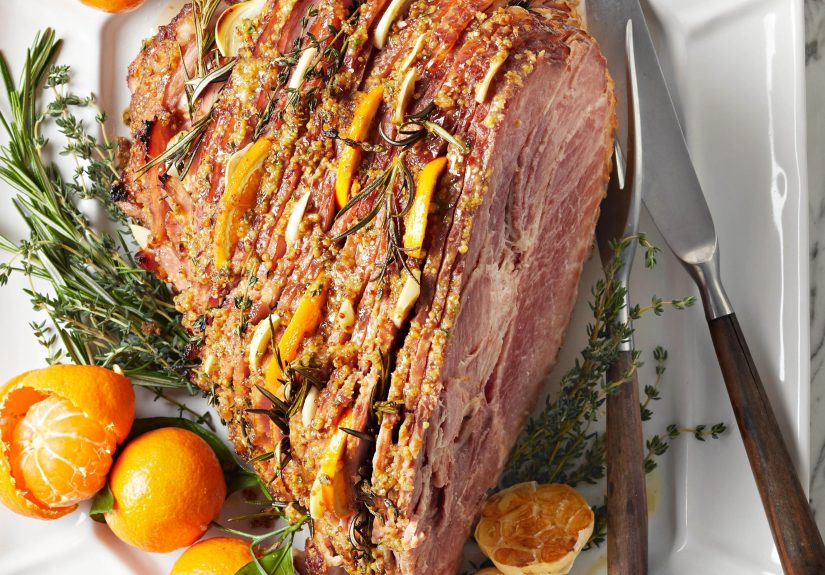
One reason the Easter ham tradition survives is that it creates a very specific kind of holiday experience. Even people who do not know the history can usually recognize the feeling. There is the sound of the oven opening. There is the glossy ham coming out on a heavy platter like it knows it is the main character. There is someone in the kitchen whispering, “Do not cut it yet,” while somebody else is already hovering with a fork.
For a lot of families, Easter ham is not just about what gets eaten. It is about the rhythm of the day. Morning starts with church, baskets, or a casual egg hunt in the yard. Then everyone migrates toward the kitchen. The adults talk over each other while pretending they are not stressed. The kids are half-distracted by candy. The table slowly fills with bright spring side dishes, and the ham sits in the middle like a shiny pink trophy for surviving winter.
There is also something deeply comforting about how familiar the meal feels. Ham is the kind of centerpiece that does not require a dramatic explanation every year. It shows up, and people know what comes next. Someone asks for the crispiest edge piece. Someone requests the glaze. Someone says the leftovers are the best part, and honestly, they are not wrong. The meal feels generous in a way that fits Easter perfectly. It says celebration without becoming too formal to enjoy.
Another experience tied to Easter ham is memory. People may not remember every sermon, centerpiece, or side dish, but they often remember the smell. They remember the carving board. They remember the awkward family photo taken five minutes before dinner. They remember learning how to make a sandwich from leftover ham the next day. Food traditions last because they attach themselves to moments like these. The taste matters, but the repetition matters even more.
And then there is the lovely practicality of it all. Easter can be busy, emotional, joyful, and a little chaotic. Ham works because it supports the day instead of taking it over. It feeds the crowd. It leaves room for conversation. It turns into leftovers that extend the holiday by another day or two. In many homes, that is exactly what people want from a tradition: something warm, reliable, and just a little bit indulgent.
That is why Easter ham continues to feel bigger than a recipe. It carries the experience of gathering, serving, laughing, remembering, and eating together. History may explain where the custom came from, but experience is what keeps it alive.