Table of Contents >> Show >> Hide
“Superfood” is one of those words that sounds like it should arrive wearing a cape and saving your lunch from blandness. In real life, no single food can leap tall buildings, erase stress, or make up for a week of drive-thru dinners. Still, some foods truly earn their shiny reputation because they bring a lot to the plate: fiber, protein, healthy fats, vitamins, minerals, antioxidants, and plant compounds that support long-term wellness.
The best superfoods are not mysterious powders guarded by wellness influencers in linen pants. They are usually everyday foods you can find at a grocery store, farmers market, or perhaps already hiding in your pantry next to the pasta. Think berries, beans, leafy greens, oats, salmon, yogurt, nuts, and other humble ingredients that work hard without asking for applause.
This guide looks at 16 superfoods that are actually worthy of the title. The goal is not to chase perfection. It is to build a more colorful, satisfying, nutrient-dense eating patternone delicious bite at a time.
What Makes a Food a “Superfood”?
A superfood is generally a nutrient-dense food that delivers meaningful health-supporting nutrients without a lot of unnecessary added sugar, sodium, or saturated fat. The term is not a formal medical category, so it should be used with a little common sense and maybe one raised eyebrow. A food earns its place here when it offers a strong nutritional package and fits easily into real meals.
In other words, a true superfood should do more than look good in a smoothie bowl. It should help support a balanced diet rich in vegetables, fruits, whole grains, healthy proteins, and beneficial fats. Bonus points if it tastes good, stores well, and does not require a tiny gold spoon.
16 Superfoods That Deserve the Hype
1. Dark Leafy Greens
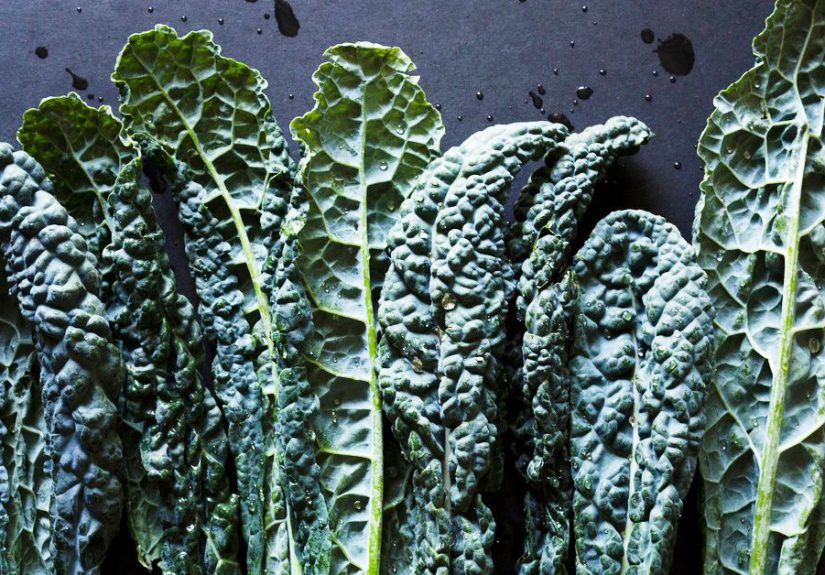
Spinach, kale, collard greens, Swiss chard, arugula, and mustard greens are the overachievers of the produce aisle. They are rich in vitamins A, C, and K, along with folate, magnesium, fiber, and protective plant compounds. Their deep green color is not just for drama; it signals a high concentration of nutrients.
Leafy greens are easy to add to meals without turning dinner into a science project. Toss spinach into eggs, stir kale into soup, add arugula to sandwiches, or blend mild greens into smoothies. If raw kale tastes like yard work to you, massage it with olive oil and lemon juice. Yes, your salad gets a spa treatment. It deserves one.
2. Berries
Blueberries, strawberries, raspberries, blackberries, and cranberries are small but mighty. They provide fiber, vitamin C, and antioxidants such as anthocyanins, the pigments that give many berries their rich colors. These compounds help protect cells from oxidative stress, which is one reason berries are often linked with heart-smart and brain-friendly eating patterns.
Berries are also practical. Fresh berries are wonderful, but frozen berries are often just as useful and usually less dramatic about spoiling in three days. Add them to oatmeal, yogurt, salads, chia pudding, or whole-grain pancakes. They are basically nature’s candy, except they come with fiber and do not leave your energy level doing a roller-coaster impression.
3. Green Tea
Green tea earns its superfood status from catechins, a group of antioxidant plant compounds. It also contains a modest amount of caffeine, usually less than coffee, which can provide a gentle lift without making your nervous system feel like it joined a marching band.
Enjoy green tea hot or iced, plain or with lemon. The key is to avoid turning it into dessert in disguise. A little honey is fine if you like it, but a giant sweetened bottled tea may deliver more sugar than benefits. For a calm afternoon ritual, steep green tea for a few minutes, breathe in, and pretend your inbox does not exist.
4. Eggs
Eggs are compact, affordable, and packed with high-quality protein. They also provide choline, selenium, vitamin B12, and nutrients found in the yolk, including lutein and zeaxanthin, which are associated with eye health. For many people, eggs can fit well into a balanced diet.
The trick is preparation. A boiled egg with whole-grain toast and fruit is a very different meal from eggs buried under a mountain of processed meat and extra cheese. Scramble eggs with spinach, make a veggie omelet, or slice a hard-boiled egg over a grain bowl. Eggs are flexible enough to behave at breakfast, lunch, or dinner.
5. Legumes
Beans, lentils, chickpeas, split peas, and black-eyed peas are nutritional workhorses. They provide plant-based protein, fiber, iron, potassium, magnesium, and slow-digesting carbohydrates. They are also budget-friendly, shelf-stable, and capable of turning “there is nothing to eat” into chili, soup, tacos, hummus, or curry.
Because legumes are high in fiber, start gradually if you do not eat them often. Your digestive system appreciates polite introductions. Rinse canned beans to reduce sodium, or cook dried beans in batches and freeze portions. A bean salad with olive oil, herbs, lemon, and chopped vegetables is simple, filling, and more exciting than it has any right to be.
6. Nuts and Seeds
Almonds, walnuts, pistachios, chia seeds, flaxseeds, pumpkin seeds, sunflower seeds, and hemp seeds bring healthy fats, protein, fiber, minerals, and satisfying crunch. Walnuts offer plant-based omega-3 fats, while chia and flaxseeds are especially useful for adding fiber to breakfast bowls and smoothies.
Because nuts and seeds are energy-dense, a small handful goes a long way. Sprinkle seeds over oatmeal, add walnuts to salads, blend peanut butter into sauces, or keep pistachios around for a snack that requires a little shell-cracking effort. Built-in portion control: nature thought of everything.
7. Yogurt and Kefir
Plain yogurt and kefir are fermented dairy foods that can provide protein, calcium, and live cultures. These live cultures may help support a balanced gut microbiome as part of an overall fiber-rich diet. Greek yogurt is especially high in protein, while kefir has a drinkable texture and tangy flavor.
Choose plain versions most often, then add your own fruit, cinnamon, nuts, or a small drizzle of honey. Flavored yogurts can sometimes carry more added sugar than expected, sneaking into breakfast like they own the place. Plain yogurt also works in savory dishes: use it in dips, salad dressings, marinades, or as a creamy topping for baked sweet potatoes.
8. Garlic
Garlic is tiny, pungent, and absolutely not interested in being subtle. It contains sulfur compounds that give it its famous aroma and may contribute to its health-supporting properties. Garlic also makes vegetables taste less like an obligation and more like something you chose on purpose.
Add minced garlic to soups, roasted vegetables, beans, pasta sauces, stir-fries, and marinades. Let chopped garlic sit for a few minutes before cooking to help preserve some of its active compounds. If you are worried about garlic breath, remember: sharing garlic-heavy food with everyone at the table is not a problem; it is a strategy.
9. Extra-Virgin Olive Oil
Extra-virgin olive oil is a cornerstone of Mediterranean-style eating patterns. It contains mostly monounsaturated fats, along with polyphenols that contribute antioxidant activity. Used in place of butter or highly saturated fats, olive oil can support a heart-conscious approach to cooking.
Use it for salad dressings, roasted vegetables, sautéed greens, grain bowls, and dips. A simple dressing of olive oil, lemon juice, mustard, garlic, and black pepper can rescue almost any salad from boredom. Store olive oil away from heat and light to protect its flavor, because even oil deserves boundaries.
10. Ginger
Ginger is a spicy root with a long culinary history and a reputation for supporting digestion. It contains gingerols and related compounds that give it both its bite and its wellness appeal. Fresh ginger can brighten dishes without relying on extra salt or sugar.
Grate ginger into stir-fries, soups, tea, marinades, smoothies, and salad dressings. It pairs beautifully with citrus, garlic, soy sauce, carrots, sweet potatoes, and fish. A mug of ginger tea can also feel comforting when your stomach is acting like it has formed a tiny protest committee.
11. Turmeric
Turmeric is the golden spice behind many curry powders. Its best-known compound is curcumin, which has been studied for anti-inflammatory and antioxidant activity. Turmeric is not magic glitter, but it can be a flavorful part of a colorful, plant-rich diet.
Use turmeric in soups, rice, lentils, roasted cauliflower, scrambled eggs, and warm drinks. Pair it with black pepper and a source of fat, such as olive oil, to help improve curcumin absorption. Just be careful with white countertops and favorite shirts. Turmeric stains with the confidence of a permanent marker.
12. Salmon and Other Fatty Fish
Salmon, sardines, trout, anchovies, and herring are rich in omega-3 fatty acids, especially EPA and DHA. These fats are important for heart, brain, and eye health. Fatty fish also provides protein, vitamin D, selenium, and other nutrients that can be harder to get from a heavily processed diet.
Try roasted salmon with vegetables, sardines on whole-grain toast, trout tacos, or canned salmon mixed into patties. Canned and frozen options can be more affordable than fresh fish and are still useful. If you do not eat fish, plant sources such as walnuts, chia seeds, flaxseeds, and soy foods provide ALA, another omega-3 fat, though it works differently in the body.
13. Avocado
Avocado is creamy, satisfying, and famous enough to have influenced brunch economics. It provides monounsaturated fat, fiber, potassium, folate, and several antioxidant compounds. Because it is rich and filling, avocado can make meals feel more satisfying without needing heavy sauces.
Spread avocado on whole-grain toast, slice it into salads, blend it into smoothies, or mash it with lime, garlic, and cilantro for a quick guacamole. It also makes a good topping for chili, tacos, grain bowls, and eggs. Just remember that avocado is nutritious, not supernatural. It will not file your taxes, although at this point many of us would appreciate that.
14. Sweet Potatoes
Sweet potatoes are rich in fiber, potassium, vitamin C, and beta-carotene, a plant pigment the body can convert into vitamin A. Their natural sweetness makes them satisfying, while their nutrients make them a smart choice for meals and snacks.
Bake sweet potatoes whole, roast them in wedges, mash them with cinnamon, or cube them for grain bowls. They pair well with black beans, yogurt, olive oil, greens, chili spices, and eggs. For a simple meal, top a baked sweet potato with beans, salsa, avocado, and plain yogurt. It is dinner wearing a cozy orange sweater.
15. Mushrooms
Mushrooms bring savory depth, often called umami, along with B vitamins, selenium, copper, and unique plant compounds. Some mushrooms can also provide vitamin D if exposed to ultraviolet light during production. Their meaty texture makes them useful in meals where you want flavor without relying heavily on meat.
Add mushrooms to omelets, soups, stir-fries, pasta, tacos, and grain bowls. Sauté them until their moisture cooks off and they brown nicely; this turns them from squeaky little sponges into flavor-packed gems. Mushrooms also blend well with ground meat or lentils to stretch recipes like burgers, sauces, and meatballs.
16. Seaweed
Seaweed is a mineral-rich food commonly used in Japanese, Korean, and other coastal cuisines. Varieties such as nori, wakame, kombu, and dulse can provide iodine, which the body needs for thyroid hormone production. Seaweed also offers fiber and unique plant compounds.
Use seaweed thoughtfully, because iodine content can vary widely. Nori sheets are easy to enjoy with rice, eggs, vegetables, or salmon. Wakame works well in soups and salads. Kombu can flavor broths, but it is often removed before serving. Seaweed is proof that sometimes the ocean looks at vegetables and says, “I can do that too.”
How to Build a Superfood-Rich Plate Without Overthinking It
The simplest way to use superfoods is to combine them into normal meals. Start with vegetables or fruit, add a protein source, include a whole grain or starchy vegetable, and finish with a healthy fat. That could be oatmeal with berries, walnuts, chia seeds, and yogurt. It could be a salad with leafy greens, salmon, avocado, beans, and olive oil dressing. It could be lentil soup with garlic, turmeric, spinach, and a side of whole-grain toast.
Variety matters more than obsessing over one “best” food. Blueberries are great, but they do not cancel the need for vegetables. Salmon is nutritious, but it does not make fiber unnecessary. Green tea is lovely, but it cannot single-handedly defeat a diet built entirely from cheese crackers and hope.
Think of superfoods as a team. Some bring fiber, some bring protein, some bring healthy fats, and others bring color, flavor, and useful micronutrients. When they work together, meals become more nourishing and more enjoyable.
Common Superfood Mistakes to Avoid
Believing One Food Can Fix Everything
No food can replace sleep, movement, hydration, medical care, or an overall balanced eating pattern. Superfoods support health best when they are part of consistent habits.
Ignoring Added Sugar and Sodium
A food can start healthy and become less impressive after heavy processing. Sweetened yogurt, sugary bottled green tea, salted nut mixes, and fried vegetable chips may still taste good, but they are not always the most nutrient-dense option.
Buying Expensive Products You Do Not Enjoy
You do not need a pantry full of rare powders. If you hate kale, eat spinach. If salmon is too expensive, try sardines, trout, beans, eggs, or tofu. The best healthy food is the one you can realistically eat again.
Personal Experience: What Happens When Superfoods Become Everyday Foods
The most useful thing I have learned about superfoods is that they work better when they stop feeling special. The first time someone decides to “eat healthier,” it is tempting to redesign the entire kitchen like a wellness retreat. Suddenly there are three kinds of seeds, a suspicious green powder, and a promise to cook quinoa every day until the end of time. By Thursday, everyone is tired, the spinach is slimy, and the takeout menu is looking like an old friend.
A better approach is quieter. Add one or two superfoods to meals you already like. If breakfast is usually toast, add eggs or avocado. If lunch is a sandwich, add leafy greens and a side of berries. If dinner is pasta, stir in mushrooms, garlic, spinach, and olive oil. If snacks are chaotic, keep nuts, yogurt, fruit, or roasted chickpeas nearby. Small upgrades are less glamorous than a total lifestyle makeover, but they are much easier to repeat.
One of the easiest changes is keeping frozen berries and vegetables on hand. Frozen berries turn plain yogurt or oatmeal into something that feels bright and fresh, even when the refrigerator is otherwise giving “college apartment” energy. Frozen spinach can disappear into soups, eggs, and sauces. Frozen vegetables roast surprisingly well when tossed with olive oil, garlic, and spices. Convenience is not the enemy of nutrition; sometimes it is the only reason dinner happens.
Another practical lesson is that flavor decides whether a superfood stays in your life. People do not avoid vegetables because they are morally opposed to vitamins. They avoid vegetables when the vegetables are sad. Roasted sweet potatoes with smoked paprika, olive oil, and a pinch of salt are completely different from plain boiled cubes. Kale with lemon, garlic, and parmesan has a personality. Beans simmered with onion, cumin, and tomatoes are cozy, filling, and cheap. Healthy food should taste like food, not punishment with garnish.
Superfoods also become easier when they are connected to routines. Make a basic meal formula: grain bowl on Mondays, soup on Tuesdays, fish or eggs on Wednesdays, bean tacos on Thursdays, and leftovers whenever life gets dramatic. Keep a few “nutrition boosters” ready: chopped nuts, ground flaxseed, canned beans, washed greens, plain yogurt, and olive oil dressing. Then meals can come together quickly without needing a heroic level of motivation.
It also helps to drop the all-or-nothing mindset. Eating a salad at lunch does not require a perfect dinner. Having pizza does not erase the berries you ate at breakfast. Food is not a scoreboard. The real benefit of superfoods comes from frequency, variety, and enjoyment over time. Add more color. Add more plants. Choose satisfying proteins. Use fats that support heart-conscious eating. Drink water. Repeat often enough that it becomes normal.
In the end, superfoods are not about chasing trends. They are about building meals that help you feel steady, satisfied, and well fueled. The best superfood habit is not the fanciest one. It is the one that fits your budget, your taste buds, your schedule, and your actual lifethe one with laundry, homework, meetings, errands, and occasional emergency cereal dinners.
Conclusion
The foods on this list deserve the “superfood” label because they offer dense nutrition, useful versatility, and real-world staying power. Dark leafy greens, berries, legumes, yogurt, fatty fish, nuts, seeds, garlic, olive oil, sweet potatoes, mushrooms, and the rest are not miracle cures. They are better than that: they are reliable ingredients that can make everyday eating more balanced, flavorful, and satisfying.
The smartest strategy is not to crown one food as king. It is to build a colorful rotation of nutrient-rich foods and enjoy them in meals you genuinely like. A bowl of lentil soup, a salmon salad, yogurt with berries, or a sweet potato loaded with beans may not look like a superhero movie, but your body knows good supporting characters when it sees them.