Table of Contents >> Show >> Hide
- Why Roosters Crow So Much
- Way 1: Manage Light and Morning Access
- Way 2: Improve Coop Placement and Sound Control
- Way 3: Reduce Triggers and Manage the Flock
- What Not to Do When Trying to Quiet a Rooster
- How to Talk to Neighbors About Rooster Noise
- A Simple Rooster Noise Reduction Plan
- Experience-Based Tips: What Actually Helps in Real Backyards
- Conclusion
Note: This article synthesizes practical guidance from U.S. poultry extension programs, backyard flock resources, public health recommendations, and local animal-code principles. Source links are intentionally omitted for clean web publishing.
A rooster can make a backyard feel charming, rustic, and slightly like you accidentally moved next door to a tiny feathered trumpet player. For some people, that classic cock-a-doodle-doo is the soundtrack of country living. For othersespecially neighbors, light sleepers, night-shift workers, and anyone with a bedroom window facing the coopit is less “farmhouse chic” and more “why is the alarm clock wearing feathers?”
The truth is simple: you cannot completely stop a healthy rooster from crowing. Crowing is normal rooster behavior. It is how he communicates, claims territory, warns the flock, responds to light, reacts to movement, and occasionally announces that a leaf looked suspicious. But you can minimize rooster noise in humane, practical ways by adjusting the coop, managing his routine, and being a good neighbor before complaints turn into a city-code scavenger hunt.
This guide breaks down three realistic ways to reduce rooster crowing without harming the bird or turning your backyard into a poultry courtroom drama. The goal is not silence. The goal is better timing, lower volume, fewer triggers, and a happier relationship between you, your flock, and everyone within earshot.
Why Roosters Crow So Much
Before solving the problem, it helps to understand the “why.” Roosters do not crow only at sunrise. That is the romantic version sold by cartoons, coffee mugs, and people who have never met a real rooster at 4:37 a.m.
Roosters may crow when daylight begins, when they hear another rooster, when they sense a predator, when a car door slams, when the flock gets restless, or when they want to show dominance. Some crow more than others. Breed, age, personality, flock dynamics, lighting, coop placement, and nearby noise all matter. A confident mature rooster may crow like he has a public relations department. A younger rooster may crow unpredictably while he figures out his role.
Roosters also respond strongly to light. If artificial light reaches the coop from porch lights, streetlights, motion lights, or a neighbor’s security floodlight, he may believe morning has arrived early. Congratulations, your rooster has invented daylight saving time without asking anyone.
Way 1: Manage Light and Morning Access
The first and often most effective way to minimize a rooster’s noise is to control what happens during the early morning hours. Many crowing complaints happen before people are ready to wake up. If your rooster is outside, fully alert, and facing the sunrise at 5 a.m., he has everything he needs to begin his concert.
Keep the Coop Dark Until a Reasonable Hour
A darker sleeping area can help delay early crowing. Roosters are triggered by changes in light, so the coop should block early dawn light as much as possible while still providing safe ventilation. The key phrase is safe ventilation. Do not seal the coop like a refrigerator box. Chickens need airflow to reduce moisture, ammonia buildup, respiratory irritation, and heat stress.
Use solid walls, shaded windows, blackout curtains over vents that still allow air movement, or carefully placed exterior panels to limit direct morning light. If the coop has windows facing east, consider adding a removable shade or opaque panel. The idea is to keep the rooster calm and roosting longer, not to create a dark, stuffy cave where everyone wakes up cranky and smelling like wet straw.
Use an Automatic Coop Door
An automatic coop door can be a backyard chicken keeper’s best friend. Set it to open after your local quiet hours end or at a time that is considerate to neighbors. If your rooster stays inside a darker, insulated coop until 7 a.m. instead of stepping into the yard at first light, the loudest crowing may be delayed or muffled.
This works especially well when paired with a comfortable coop interior. Make sure your rooster has enough headroom on the roost, clean bedding, fresh air, and enough space to avoid crowding. A cramped rooster is not a quiet rooster. He is a feathered complaint form.
Avoid Early-Morning Feeding Excitement
Chickens learn routines fast. If you bring feed at sunrise every morning, your rooster may start crowing before you arrive, as if calling room service. Try feeding in the evening, using secure feeders, or preparing the coop so the flock has access to food and water without a dramatic morning event.
Keep feed stored securely to avoid attracting rodents and predators. A rooster that hears scratching near the coop at night or early morning may crow more because he is alerting the flock. Good sanitation, secure feed storage, and predator-proof construction can reduce unnecessary alarm crowing.
Way 2: Improve Coop Placement and Sound Control
Sound management is not about magically making a rooster whisper. It is about reducing how far the crow travels and where it lands. A rooster’s crow can carry surprisingly well, especially across open yards, driveways, fences, and hard surfaces. If the coop sits right next to a neighbor’s bedroom wall, the rooster is not just crowinghe is providing unwanted wake-up service.
Move the Coop Away From Property Lines
If possible, place the coop as far from neighboring homes as your yard allows. Distance is one of the simplest forms of noise reduction. Even a modest relocation can make a noticeable difference, especially if the current setup points the rooster’s favorite crowing spot toward a window, patio, or fence line.
Also consider direction. If the run opens toward your own garage, shed, garden, or dense landscaping instead of your neighbor’s house, the sound may be less irritating. Think of the crow like a tiny brass instrument. You would not point a trumpet at someone’s pillow unless you wanted to become famous for all the wrong reasons.
Add Sound-Softening Materials
Hard surfaces reflect sound. Wood fences, concrete patios, metal sheds, and bare walls can bounce a crow around the yard. Soft and layered materials absorb and scatter sound better. Use shrubs, hedges, stacked straw bales outside the coop wall, wooden privacy fencing, or layered landscaping to break up the noise path.
Inside the coop, use safe, dry bedding such as pine shavings or straw and maintain it regularly. Clean bedding improves flock health and can slightly reduce echo inside the coop. Do not line the coop with unsafe foam where birds can peck and swallow pieces. If you add insulation, cover it securely with plywood or another durable material so chickens cannot access it.
Build a Rooster-Friendly Night Box
Some keepers use a nighttime rooster box or lower-ceiling sleeping area to reduce early crowing volume. The concept is that a rooster cannot fully stretch his neck and project a crow as loudly if he is resting in a properly sized, ventilated enclosure. This method must be used carefully and humanely.
A rooster box should never be tiny, hot, airless, dirty, or stressful. It must allow the bird to stand comfortably, breathe fresh air, and rest safely. It should be used only during normal sleeping hours and cleaned often. If the rooster panics, overheats, pants, injures himself, or seems distressed, stop using it. Noise control is not worth harming the animal.
For many backyard owners, a better version of this idea is simply a well-built, darker, insulated coop with thoughtful roost placement. The rooster sleeps in the regular coop, the morning light is delayed, and the walls do some of the sound-muffling work.
Way 3: Reduce Triggers and Manage the Flock
A rooster is often loudest when he has a reason to be loud. Sometimes that reason is obvious, like a hawk overhead. Sometimes it is mysterious, like a garden gnome with “bad vibes.” Your job is to identify patterns and remove avoidable triggers.
Watch for Crowing Patterns
Spend a few days observing when your rooster crows most. Does he start when the porch light clicks on? When dogs bark? When delivery trucks arrive? When another rooster in the neighborhood calls first? When hens leave the coop? When the automatic sprinkler starts? Once you know the trigger, you can often reduce it.
For example, if motion lights wake him, redirect the lights or use lower-intensity settings. If he crows at passing pedestrians, add visual barriers along the run. If he reacts to predators, improve fencing, roof the run, bury hardware cloth along vulnerable edges, and remove food scraps that attract wildlife.
Keep the Flock Calm and Enriched
Bored or stressed chickens are noisier chickens. Provide enough space, perches, dust-bathing areas, shade, clean water, and opportunities to forage. A rooster with calm hens and a predictable environment is often easier to manage than one overseeing a chaotic poultry soap opera.
Overcrowding can increase stress, competition, aggression, and noise. If the run is too small, hens may squabble and the rooster may intervene loudly. If there are too many roosters, crowing can become competitive. In most small backyard flocks, one rooster is more than enoughand in many urban areas, even one is not allowed.
Consider Whether You Actually Need a Rooster
Here is the plot twist: hens do not need a rooster to lay eggs. They need a rooster only if you want fertile eggs for hatching. If your goal is breakfast, not baby chicks, a rooster is optional.
This matters because many cities and suburban neighborhoods allow hens but prohibit roosters. Others restrict noise, flock size, coop placement, or animal nuisance behavior. Before investing in soundproofing, check local ordinances, homeowners association rules, and animal control guidelines. If roosters are not allowed where you live, the most practical “noise reduction” plan may be rehoming him responsibly.
Rehoming should be done thoughtfully. Contact local farms, poultry groups, sanctuaries, or experienced flock keepers. Be honest about his temperament and crowing habits. A rooster who is a problem in a dense neighborhood may be perfectly acceptable on a rural property where the nearest neighbor is a cornfield with excellent emotional boundaries.
What Not to Do When Trying to Quiet a Rooster
Some ideas online sound convenient but can be risky, cruel, or ineffective. Avoid any method that restricts breathing, causes pain, prevents normal eating or drinking, or creates fear. Do not tape a rooster’s beak, use shock devices, deprive him of water, keep him in a dangerously small box, or perform any procedure yourself. A rooster is loud, not guilty of treason.
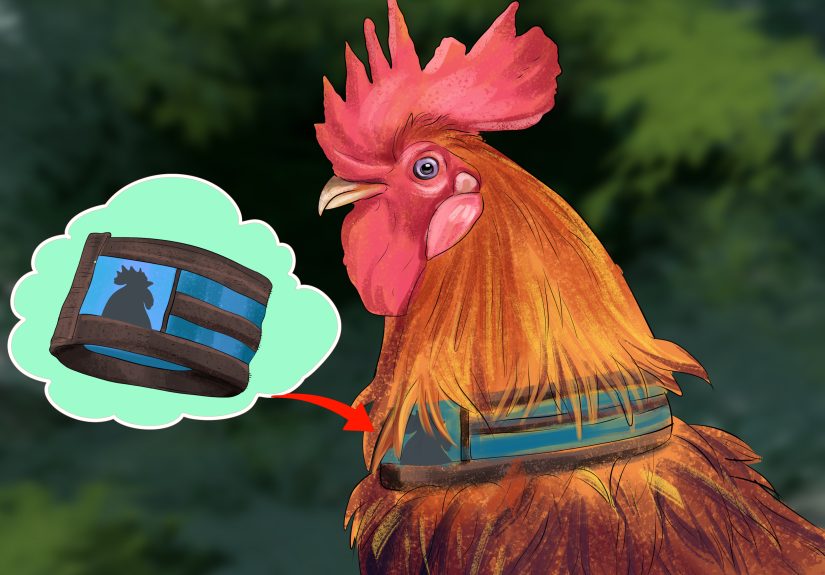
Rooster collars are controversial. Some keepers report reduced volume, while others warn that improper use can cause distress, injury, choking, or death. If someone considers a collar, it should be approached with extreme caution, close supervision, and veterinary guidance. For most backyard keepers, environmental changes are safer and more neighbor-friendly.
How to Talk to Neighbors About Rooster Noise
Noise problems get worse when everyone pretends they do not hear them. A friendly conversation can prevent formal complaints. Tell nearby neighbors that you are working on reducing early crowing. Share your plan: darker coop, later release time, improved sound barriers, and regular monitoring. A dozen eggs can help, but do not rely on eggs alone. Eggs are nice. Sleep is nicer.
Ask neighbors when the crowing bothers them most. If the issue is 5 a.m. but not 9 a.m., your solution should focus on delaying morning access. If the issue is weekend noise, adjust routines on Saturdays and Sundays. If the coop is near their bedroom, consider moving it. A practical compromise often works better than arguing about whether roosters are “supposed” to crow. They are supposed to crow. People are also supposed to sleep.
A Simple Rooster Noise Reduction Plan
Start with the easiest changes first. For one week, keep the rooster in a darker, ventilated coop until a reasonable hour. Record whether the crowing decreases. Next, add visual barriers and sound-softening landscaping near the run. Then evaluate flock stress, predator pressure, and lighting triggers. If complaints continue, check local rules and decide whether keeping a rooster is realistic for your location.
The best rooster noise strategy usually combines several small improvements. One change may not solve everything, but five thoughtful changes can transform a daily neighborhood problem into a manageable backyard quirk.
Experience-Based Tips: What Actually Helps in Real Backyards
In real backyard settings, the most successful rooster-noise solutions tend to come from boring consistency rather than dramatic gadgets. The keepers who do best are the ones who observe first, adjust second, and resist the urge to buy every “miracle” rooster product at midnight while their bird is screaming at the moon.
One common experience is that the first crow of the day is the most important one to manage. Once the rooster is outside and fully awake, he may continue crowing off and on. But if you can delay that first big announcement, the whole morning often becomes easier. A dark coop, a later automatic door setting, and no bright light shining into the sleeping area can make a meaningful difference. It is not magic, but it is practical.
Another lesson is that coop location matters more than many beginners expect. A rooster placed near a fence line may sound twice as annoying as the same rooster placed behind a garage, shed, or hedge. People often build the coop where it is convenient for feeding and cleaning, then realize later that convenience created a direct sound tunnel into the neighbor’s bedroom. Moving a coop is not fun, but neither is receiving a noise complaint printed on official paper.
Backyard keepers also learn that roosters are excellent security guards but terrible judges of threat level. A raccoon at the fence? Yes, crow. A hawk overhead? Reasonable. A plastic grocery bag drifting across the lawn? Apparently also a national emergency. Reducing visual triggers can help. Cover part of the run with shade cloth, add solid panels along high-traffic sides, and keep the flock’s environment predictable. A calmer rooster usually means fewer alarm crows.
Flock balance is another big factor. Too many roosters in a small area can create a crowing contest that nobody wins, especially the humans. If one rooster hears another, he may answer. Then the first answers back. Then both seem to forget why they started but continue for professional reasons. In small backyard flocks, keeping only one roosteror none if local rules prohibit themis usually the most peaceful option.
Cleaning and maintenance also play a quiet role in noise control. A dirty coop attracts flies, rodents, and nighttime visitors. Those visitors make the rooster nervous. A nervous rooster becomes a noisy rooster. Keep feed in sealed containers, clean wet bedding, collect eggs, secure the run, and inspect for gaps. Good poultry care is not just about health; it also reduces the little disturbances that trigger crowing.
Finally, experienced keepers know that neighbor goodwill is part of flock management. A rooster may be legal, but legality does not always equal harmony. If your neighbor works nights, has a baby, or simply values quiet mornings, their frustration is real. A short conversation, a sincere apology, and visible effort can go a long way. You do not need to beg for permission to enjoy your flock, but you do need to live in the same soundscape as everyone else.
The practical takeaway is this: minimize light, muffle sound, reduce triggers, and stay realistic. Some roosters are naturally louder and more persistent than others. If a rooster continues causing conflict despite your best efforts, rehoming may be the kindest solution for the bird, the flock, and the neighborhood. A good rooster deserves a place where he can crow without becoming the villain in three households before breakfast.
Conclusion
Minimizing a rooster’s noise is possible, but it requires realistic expectations. Roosters crow. That is part of their biology, not a software bug. The smartest approach is to delay early crowing with light control, reduce sound travel with better coop placement and barriers, and manage triggers that make the rooster feel alert or competitive.
Humane rooster management protects the bird while respecting the people nearby. If you can create a darker sleeping space, release him later, soften the sound path, keep the flock calm, and maintain open communication with neighbors, you may be able to keep both your rooster and your neighborhood peace. And if not, remember: hens lay eggs without a rooster, and sometimes the quietest solution is also the simplest.