Table of Contents >> Show >> Hide
- Before You Cook: What Makes Venison Different?
- 1. Pan-Sear Venison Steaks for a Fast, Restaurant-Style Meal
- 2. Grill Venison Backstrap for Smoky, Juicy Flavor
- 3. Slow-Cook Venison Stew for Tender Comfort Food
- 4. Make Ground Venison Burgers, Meatballs, or Chili
- 5. Braise Venison Roast Until It Falls Apart
- Seasoning Venison: What Flavors Work Best?
- Common Venison Cooking Mistakes
- Extra Kitchen Experience: Real-World Lessons for Better Venison
- Conclusion
Venison has a reputation. Some people hear “deer meat” and immediately imagine a dry, gray hockey puck wearing a camouflage hat. Others know the truth: when cooked correctly, venison is rich, clean-tasting, deeply savory, and surprisingly elegant. It can be a sizzling steak, a cozy stew, a weeknight burger, a slow-braised roast, or smoky jerky-style strips that disappear before the game starts.
The secret is understanding what venison is not. It is not beef with antlers. Deer meat is much leaner than typical beef, which means it cooks faster, dries out quicker, and needs a little more attention. But attention does not mean stress. Think of venison like a talented guest at your dinner table: treat it well, do not overwork it, and it will impress everyone.
This guide covers five practical ways to cook venison, from fast high-heat methods to low-and-slow comfort food. You will learn which cuts work best, how to season deer meat, how to avoid that “gamey” flavor, and how to keep venison juicy without drowning it in sauce. Most importantly, you will learn how to cook venison safely using a meat thermometer, because guessing doneness by color is about as reliable as asking your dog to guard a steak.
Before You Cook: What Makes Venison Different?
Venison is lean, dense, and flavorful. Because deer are active animals, their muscles tend to be firmer than farm-raised beef. That is why the cooking method should match the cut. Tender cuts such as backstrap, tenderloin, loin chops, and some round steaks are best cooked quickly with high heat. Tougher cuts such as shoulder, neck, shank, and stew meat need moisture, time, and patience.
Another major difference is fat. Beef fat can be buttery and pleasant; venison fat can taste waxy or strong, especially if the animal was wild. Trimming silver skin, connective tissue, and excess fat helps produce a cleaner flavor. If the meat still tastes strong, a short soak in saltwater or a mild vinegar solution in the refrigerator can help mellow it. Just discard the soaking liquid and pat the meat dry before cooking.
Food Safety Comes First
Cook venison with care. Keep raw deer meat cold, thaw it in the refrigerator, and avoid cross-contamination with cutting boards, knives, and plates. Ground venison should be cooked thoroughly, and whole cuts should be checked with a food thermometer. Some official recommendations for wild game vary, with many food-safety sources recommending 160°F for venison products, while some modern charts use different temperatures for whole cuts and ground meats. The safe move for home cooks is simple: use a thermometer, follow your local guidance, and never rely on color alone.
1. Pan-Sear Venison Steaks for a Fast, Restaurant-Style Meal
Pan-searing is one of the best ways to cook venison steak, especially backstrap, tenderloin, loin medallions, or thin round steaks. The goal is a browned crust on the outside and a juicy center inside. Because venison is lean, it does not forgive wandering away to check your phone, water the plants, or debate whether cilantro tastes like soap.
Best Cuts for Pan-Searing
Use backstrap, tenderloin, loin chops, or well-trimmed round steaks. Cut them into even pieces so they cook at the same rate. Thick steaks are easier to keep juicy than thin ones, but thin steaks work if cooked quickly.
How to Pan-Sear Venison
Pat the meat very dry with paper towels. Moisture is the enemy of browning. Season with kosher salt, black pepper, garlic powder, and a little rosemary or thyme. Let the meat sit in the refrigerator for at least 30 minutes, or season it a few hours ahead for deeper flavor.
Heat a heavy skillet, preferably cast iron, over medium-high heat. Add a high-heat oil such as avocado, canola, or light olive oil. When the oil shimmers, place the venison in the pan and leave it alone. A good crust needs contact. Flip once, then add a small knob of butter, crushed garlic, and herbs. Spoon the melted butter over the meat for the last minute of cooking.
Rest the steak for 5 to 10 minutes before slicing across the grain. Resting allows juices to settle instead of running across the cutting board like they are late for a meeting.
Flavor Ideas
For a classic finish, serve pan-seared venison with mashed potatoes, roasted mushrooms, and a quick pan sauce made from beef stock, a splash of balsamic vinegar, and a spoonful of butter. For a brighter plate, slice the venison over arugula with shaved Parmesan, lemon juice, and olive oil.
2. Grill Venison Backstrap for Smoky, Juicy Flavor
Grilling venison is simple, dramatic, and dangerously good. The grill adds smoke and char while keeping the kitchen from smelling like dinner for the next three days. Backstrap is the star here, but tenderloin and loin chops also work beautifully.
Marinade or Dry Rub?
Both work. A marinade can add moisture and balance stronger flavors, especially if it includes acid, oil, salt, and aromatics. Try olive oil, soy sauce, lemon juice, garlic, black pepper, and a little brown sugar. Marinate in the refrigerator, not on the counter. For a dry rub, use salt, pepper, smoked paprika, onion powder, and a tiny pinch of coffee or cocoa powder for depth.
How to Grill Venison
Preheat the grill so it is hot enough to sear. Clean and oil the grates. Remove the venison from the marinade and pat it dry. Wet meat steams; dry meat browns. Sear over direct heat, turning as needed, then move thicker pieces to a cooler zone to finish gently.
Use a thermometer to check doneness. Because venison can dry out quickly, pull it from the grill before it becomes firm and tough. Let it rest under loose foil before slicing. Do not wrap it tightly, or the crust will soften.
What to Serve with Grilled Venison
Grilled venison loves sweet, acidic, and earthy flavors. Serve it with grilled onions, charred corn, blackberry sauce, cranberry relish, roasted sweet potatoes, or a salad with apples and toasted pecans. The goal is balance: venison brings the savory bass note, while fruit, vinegar, or greens bring the high notes.
3. Slow-Cook Venison Stew for Tender Comfort Food
If steak is the flashy sports car of venison cooking, stew is the reliable truck with heated seats. It turns tougher cuts into fork-tender comfort food and fills the house with the kind of smell that makes people wander into the kitchen pretending they “just wanted water.”
Best Cuts for Venison Stew
Use shoulder, neck, shank, rump, or cubed stew meat. These cuts contain connective tissue that becomes tender when cooked slowly with moisture. Do not waste tenderloin in stew; that is like using a silk tie to wash the car.
How to Make Venison Stew
Cut the meat into 1-inch cubes and pat dry. Season with salt and pepper, then dust lightly with flour if you want a thicker stew. Brown the meat in batches in a Dutch oven. Do not crowd the pot. Crowding creates steam, and steam does not build flavor.
After browning, remove the meat and sauté onions, carrots, celery, and garlic. Add tomato paste and cook it for a minute to deepen its flavor. Deglaze with stock, red wine, or a splash of apple cider. Return the venison to the pot with potatoes, mushrooms, bay leaves, thyme, and enough liquid to barely cover the meat. Simmer gently until tender.
The key word is gently. A hard boil can tighten lean meat and make it dry. Low heat, moist heat, and time are the holy trinity of venison stew.
Slow Cooker Option
Brown the meat and vegetables first if possible, then transfer everything to a slow cooker. Cook on low until the venison is tender. The browning step adds flavor, but if you skip it on a busy day, the stew police will not knock on your door. Add fresh herbs, peas, or a splash of vinegar near the end to brighten the final dish.
4. Make Ground Venison Burgers, Meatballs, or Chili
Ground venison is one of the easiest ways to introduce deer meat to skeptical eaters. It fits naturally into burgers, tacos, meatloaf, meatballs, pasta sauce, chili, stuffed peppers, and breakfast hash. The only catch is fat. Ground venison is usually very lean, which means it can become crumbly or dry if treated exactly like ground beef.
How to Keep Ground Venison Juicy
Add moisture and structure. For burgers, mix in finely grated onion, a little Worcestershire sauce, or a spoonful of mayonnaise. Some cooks blend venison with pork or beef fat for a richer texture. For meatballs and meatloaf, use breadcrumbs, egg, milk, grated onion, and herbs. For chili, simmering ground venison with tomatoes, beans, peppers, and spices keeps it moist and flavorful.
Ground Venison Burger Method
Season ground venison with salt, pepper, garlic powder, and a little Worcestershire sauce. Form patties gently; do not mash them into submission. Make a shallow dimple in the center of each patty so it cooks evenly. Sear in a hot skillet or grill over medium-high heat. Cook thoroughly and verify the internal temperature with a thermometer.
Ground Venison Chili Method
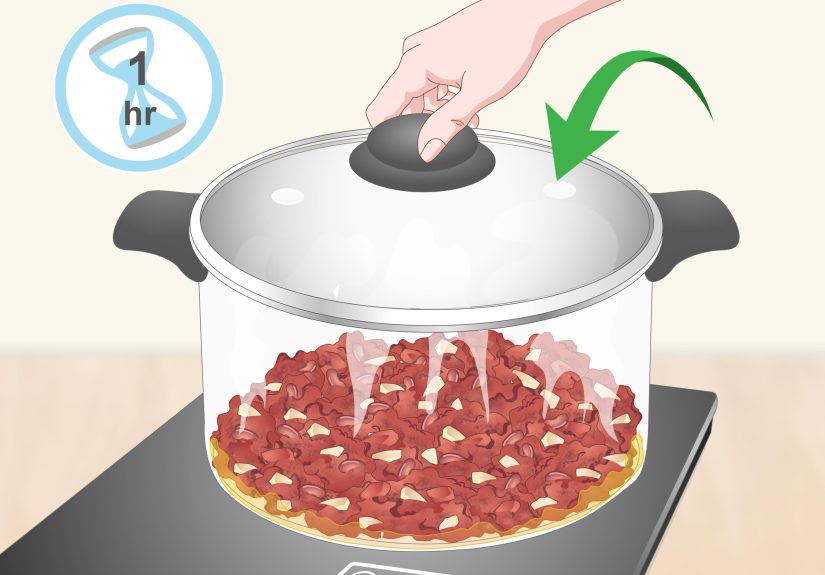
Brown ground venison with onion and garlic. Add chili powder, cumin, smoked paprika, oregano, crushed tomatoes, beans, and a little beef stock. Simmer until the flavors come together. Finish with lime juice or apple cider vinegar. The acidity makes the chili taste brighter and keeps the venison from feeling too heavy.
5. Braise Venison Roast Until It Falls Apart
Braising is the method for anyone who wants impressive results without hovering over the stove like a nervous stage parent. It is ideal for shoulder roast, neck roast, shank, rump roast, or other tougher cuts. The meat is browned first, then cooked slowly in a small amount of liquid until tender.
Why Braising Works
Tough venison cuts contain connective tissue. When cooked slowly with moisture, that tissue softens and gives the dish body and richness. Since venison is lean, the braising liquid matters. Use beef stock, mushroom stock, tomato, wine, cider, or a combination. Add aromatics such as onion, carrot, celery, garlic, rosemary, thyme, bay leaves, and peppercorns.
How to Braise Venison Roast
Season the roast generously. Brown it on all sides in a Dutch oven. Remove it, then sauté onions, carrots, and garlic. Add tomato paste and cook briefly. Pour in stock and a modest amount of acidic liquid such as red wine, balsamic vinegar, or cider. Return the roast to the pot, cover, and cook in a low oven until tender.
When the meat is done, remove it and strain or blend the cooking liquid into a sauce. If the sauce tastes flat, add salt. If it tastes heavy, add a splash of vinegar. If it tastes perfect, stand proudly near the stove and accept compliments with fake humility.
Seasoning Venison: What Flavors Work Best?
Venison pairs well with bold but balanced flavors. Classic herbs include rosemary, thyme, sage, bay leaf, and parsley. Spices such as black pepper, smoked paprika, cumin, coriander, juniper, and chili powder work beautifully. Sweet elements like maple syrup, apple, cranberry, blackberry, cherry, and caramelized onion soften the earthy flavor. Acidic ingredients like lemon, vinegar, tomatoes, and wine brighten the meat.
Avoid covering venison with too many heavy flavors at once. If the meat is high quality, let it taste like venison. The goal is not to disguise it completely; the goal is to make it shine.
Common Venison Cooking Mistakes
Overcooking Tender Cuts
This is the classic mistake. Tender venison cooked too long becomes dry and chewy. Use high heat, cook quickly, rest the meat, and slice across the grain.
Skipping the Trim
Silver skin and excess fat can make deer meat taste stronger and feel tough. A few extra minutes of trimming can make the final dish taste cleaner.
Using the Wrong Cut for the Recipe
Backstrap belongs on the grill or in a skillet. Shoulder belongs in a braise or stew. Ground venison belongs almost anywhere, but it needs moisture. Match the method to the muscle and you are halfway to success.
Forgetting the Thermometer
Color is not a dependable sign of doneness. A food thermometer is inexpensive, simple, and far better than guessing. Treat it like your kitchen seat belt.
Extra Kitchen Experience: Real-World Lessons for Better Venison
The biggest lesson from cooking venison is that the meat tells you what it wants, but it does not shout. It whispers. A tenderloin whispers, “Please do not leave me on the heat while you answer emails.” A shoulder roast whispers, “Give me three hours, a lid, and something cozy to simmer in.” Ground venison whispers, “I am lean, friend. Bring moisture.” Once you start listening, deer meat becomes much easier to cook.
One practical experience is that drying the surface matters more than many beginners expect. A wet venison steak will not sear properly, even in a hot skillet. It will steam, turn gray, and make you question your life choices. Patting the meat dry, salting ahead of time, and letting the pan fully heat can transform the result. The difference between “pretty good” and “wow, who made this?” is often just patience before the meat touches the pan.
Another lesson is that venison benefits from contrast. A rich braised roast tastes better with something acidic. A grilled backstrap tastes better with a fruit relish, pickled onions, or a lemony salad. A hearty venison chili wakes up with lime juice. These little finishing touches keep the dish from feeling too heavy. Think of acid as the friend who turns on the lights at a party and suddenly everyone looks more interesting.
Texture is also important. Venison can be tender, but it can also become dry if cooked aggressively. For stew, a gentle simmer beats a rolling boil every time. For burgers, gentle shaping beats compacting the patties. For meatballs, breadcrumbs and milk help protect the lean meat from becoming dense. In other words, do not bully the venison. Guide it.
Finally, leftovers deserve a plan. Cold sliced venison steak is excellent in sandwiches with horseradish sauce, arugula, and sharp cheddar. Braised venison can become tacos, pot pie filling, pasta sauce, or breakfast hash. Ground venison chili tastes even better the next day because the spices settle in like they found a comfortable chair. If you cook a large roast, portion the leftovers before storing so reheating is quick and even.
The most satisfying part of cooking venison is how personal it feels. Whether it comes from a trusted processor, a local source, or a family freezer, it asks you to cook with intention. You trim carefully, season thoughtfully, choose the right method, and serve it proudly. When done well, venison is not “alternative meat.” It is dinner with character.
Conclusion
Learning how to cook venison is really learning how to respect lean meat. Tender cuts need quick heat and a light touch. Tough cuts need moisture, time, and patience. Ground venison needs added moisture and careful seasoning. Whether you pan-sear steaks, grill backstrap, simmer stew, make chili, or braise a roast, the best results come from matching the cooking method to the cut.
Venison is flavorful, versatile, and rewarding when handled properly. Trim it well, keep it cold, cook it safely, and use a thermometer instead of guessing. Add herbs, acid, fruit, smoke, or slow-cooked vegetables to complement its natural flavor. Do that, and deer meat goes from “not sure about this” to “please save me seconds” very quickly.