Table of Contents >> Show >> Hide
- Why blood pressure goes up in the first place
- Solution #1: Eat like your arteries have standards
- Solution #2: Move more and lose even a little weight if needed
- Solution #3: Clean up the daily habits that quietly push blood pressure up
- What to avoid when trying to lower blood pressure naturally
- A simple 7-day starter plan
- The real secret: consistency beats intensity
- Real-life experiences: what these changes often feel like day to day
High blood pressure has a sneaky personality. It rarely sends a dramatic warning text, but it can quietly increase your risk for heart disease, stroke, kidney problems, and a whole lot of medical bills you did not invite to dinner. The good news is that lowering blood pressure naturally is not some mystical wellness quest involving moon water and expensive powder in a tiny jar. In many cases, it starts with ordinary habits done consistently.
If you have hypertension or borderline-high readings, lifestyle changes can make a meaningful difference. And even if you already take medication, these natural strategies can help your treatment work better. The trick is knowing what actually matters. Not every internet “hack” deserves your trust. So let’s focus on three evidence-based, practical solutions that real humans can use in real kitchens, real schedules, and real lives.
Why blood pressure goes up in the first place
Blood pressure is the force of blood pushing against the walls of your arteries. When that pressure stays too high over time, your heart and blood vessels have to work harder than they should. Common contributors include excess sodium, low intake of fruits and vegetables, inactivity, extra body weight, high alcohol intake, poor sleep, chronic stress, smoking, and certain medical conditions.
That means the most effective natural ways to lower blood pressure usually do not come from one miracle food. They come from changing the environment your body lives in every day: what you eat, how much you move, how well you sleep, and how often your nervous system is stuck in “everything is on fire” mode.
Solution #1: Eat like your arteries have standards
Follow a DASH-style eating pattern
If you only remember one acronym from this article, make it DASH: Dietary Approaches to Stop Hypertension. It sounds clinical, but it is just a smart eating pattern built around fruits, vegetables, whole grains, beans, nuts, lean proteins, and low-fat dairy, while keeping saturated fat, heavily processed foods, and excess sodium in check.
The reason DASH works is refreshingly unglamorous: it helps you eat more potassium, magnesium, fiber, and protein from balanced whole foods while crowding out the ultra-salty, ultra-processed stuff that tends to push blood pressure upward. Translation: fewer foods from crinkly bags, more foods your grandmother would recognize.
Cut back on sodium without making meals miserable
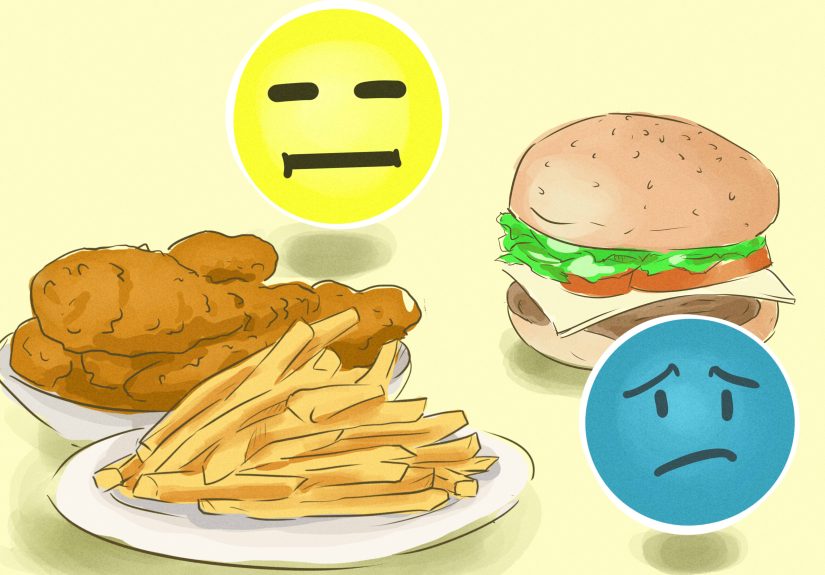
Salt is not the villain in every health story, but for blood pressure, too much sodium is a repeat offender. Many people assume the problem is the salt shaker. Plot twist: a huge amount of sodium comes from packaged foods, restaurant meals, sauces, deli meats, canned soups, frozen entrees, and snack foods. In other words, the “quick and easy” aisle often doubles as the “surprise sodium” aisle.
Try these simple ways to reduce sodium:
- Choose fresh or minimally processed foods more often.
- Read labels and compare brands; sodium levels can vary wildly.
- Rinse canned beans and vegetables.
- Use herbs, lemon, garlic, vinegar, pepper, and spices instead of leaning on salt.
- Be cautious with condiments, broths, instant noodles, pickles, and cured meats.
You do not need to turn dinner into a punishment. A grilled chicken bowl with brown rice, avocado, black beans, salsa, and lime can be satisfying and heart-friendly. The same goes for oatmeal with berries and walnuts, Greek yogurt with fruit, a turkey-and-veggie wrap, or salmon with roasted vegetables. Blood pressure-friendly food can still taste like food, not homework.
Get potassium from foods, not hype
Potassium helps balance sodium in the body and supports healthy blood vessel function. Foods like bananas, oranges, potatoes, beans, tomatoes, spinach, yogurt, and squash can help. But this is where nuance matters: people with kidney disease, kidney failure, or certain medical conditions may need to limit potassium rather than load up on it. So if you have kidney issues or take medications that affect potassium, talk to a clinician before going full banana enthusiast.
Watch portion size and weight side effects
Healthy eating lowers blood pressure directly, but it also helps with weight management, which matters because even modest weight loss can improve blood pressure in many people. You do not need to chase a magazine-cover body. Your arteries are not grading your abs. They care more about consistency than aesthetics.
Solution #2: Move more and lose even a little weight if needed
Exercise makes your heart more efficient
Regular physical activity is one of the most reliable natural ways to lower blood pressure. When you move consistently, your heart becomes more efficient at pumping blood, blood vessels stay healthier, and your body becomes better at regulating stress and weight. That is a very solid return on investment for something as basic as a brisk walk.
You do not need a dramatic fitness montage. Start with what is realistic. Walking, cycling, swimming, dancing, hiking, and low-impact cardio all count. Strength training helps too. The goal is not athletic glory. The goal is to become less sedentary and more consistent.
A simple weekly blueprint
A practical target is at least 150 minutes of moderate-intensity aerobic activity per week. That can look like:
- 30 minutes of brisk walking, 5 days a week
- Two short 15-minute walks each weekday if one long session feels impossible
- Strength training 2 days a week using body weight, resistance bands, or weights
- More movement throughout the day: stairs, stretch breaks, walking calls, parking farther away
If you have not exercised in a long time, start small. Ten minutes counts. So does gardening, marching in place during a phone call, or doing squats while waiting for pasta water to boil. A lot of blood pressure improvement comes from stacking ordinary movement into an ordinary life.
Weight loss helps, even when it is modest
If you are carrying extra weight, losing even a few pounds may help lower blood pressure. This is not about punishing yourself or turning food into morality theater. It is about reducing the strain on your cardiovascular system. For many people, the most sustainable path is combining better food quality with more daily movement rather than chasing an extreme diet that lasts twelve days and ends with sadness and crackers.
One useful mindset shift is to stop asking, “How fast can I lose weight?” and start asking, “What routine can I actually repeat in six months?” Blood pressure responds better to boring consistency than to heroic sprints.
Solution #3: Clean up the daily habits that quietly push blood pressure up
Stress matters, even if it is not the whole story
Stress does not always cause chronic high blood pressure all by itself, but it absolutely influences behaviors that worsen it. People under stress often sleep less, drink more alcohol, eat more processed comfort foods, skip workouts, and spend all day in a physiological state that feels like their inbox is personally attacking them.
Stress reduction does not have to mean meditating on a mountain. It can mean ten minutes of deep breathing, a short walk after dinner, a phone-free bedtime routine, journaling, prayer, stretching, yoga, therapy, or simply protecting one pocket of quiet in your day. If your life is loud, your recovery has to be intentional.
Sleep is not lazy; it is blood-pressure maintenance
Poor sleep and short sleep are linked with higher blood pressure. That means going to bed at a semi-reasonable hour is not just a personality trait of suspiciously organized people. It is part of cardiovascular care. Aim for a regular sleep schedule, a cool dark room, less screen time before bed, and less caffeine or alcohol late in the day.
If you snore loudly, wake up exhausted, or suspect sleep apnea, do not ignore it. Sleep apnea is strongly linked with hypertension, and treating it can be an important part of getting blood pressure under control.
Alcohol and nicotine can sabotage your progress
Too much alcohol can raise blood pressure. If you drink, keeping intake moderate or reducing it further may help. Nicotine also causes blood pressure to rise temporarily and contributes to long-term cardiovascular risk. So if you smoke or vape, getting support to quit is one of the best “natural” moves you can make for your blood vessels.
Check your blood pressure at home
You cannot improve what you never measure. Home blood pressure monitoring helps you see patterns, track progress, and avoid the false reassurance of “I think I’m fine because I had a salad on Tuesday.” Use a validated upper-arm cuff if possible. Sit quietly for a few minutes, keep your feet flat on the floor, rest your arm at heart level, and avoid caffeine, exercise, smoking, or a meal for about 30 minutes beforehand when possible.
Most important, look for trends rather than obsessing over one weird reading. Blood pressure is like weather. One hot afternoon does not define the climate.
What to avoid when trying to lower blood pressure naturally
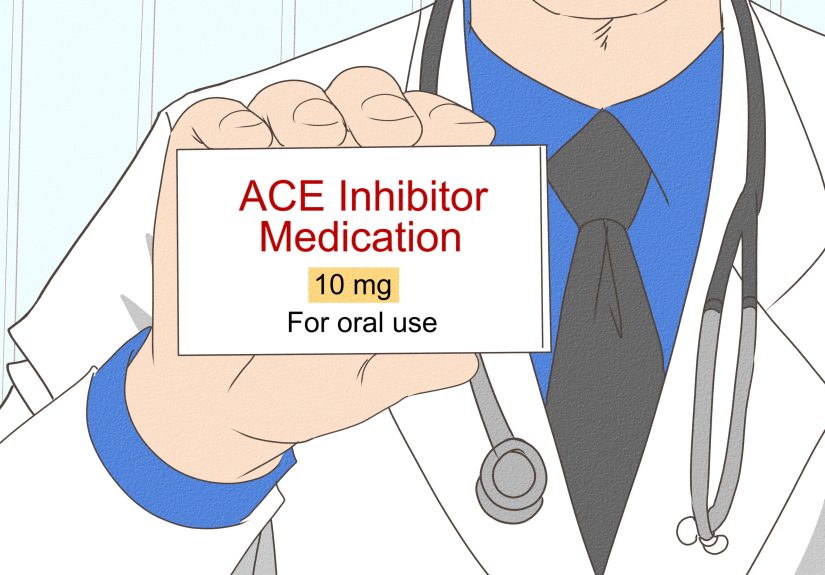
- Do not stop prescribed blood pressure medication without medical advice. Natural strategies can help, but they are not a DIY replacement plan.
- Do not rely on supplements with bold promises and thin evidence. “Natural” on a label is not the same thing as effective.
- Do not chase perfection. A lower-sodium lunch and a 20-minute walk are still wins.
- Do not ignore very high readings. If your blood pressure is over 180/120 and you have symptoms such as chest pain, shortness of breath, weakness, trouble speaking, severe headache, or vision changes, seek emergency care immediately.
A simple 7-day starter plan
Day 1: Audit your sodium
Read labels on your usual foods. You may discover your “healthy” soup is basically seawater in a can.
Day 2: Add one DASH breakfast
Try oatmeal with berries and nuts, or eggs with fruit and whole-grain toast.
Day 3: Walk for 20 to 30 minutes
No perfect shoes or dramatic playlist required. Just begin.
Day 4: Upgrade one packaged meal
Swap instant noodles or processed lunch meat for a grain bowl, bean salad, or grilled protein with vegetables.
Day 5: Create a sleep cutoff
Pick a bedtime and stop scrolling 30 to 60 minutes before it.
Day 6: Practice 10 minutes of stress relief
Breathing exercises, stretching, or a quiet walk all work.
Day 7: Check your blood pressure at home
Write it down and keep a simple log. Repeat over time so you can spot progress.
The real secret: consistency beats intensity
People often look for the one food, one vitamin, or one tiny life hack that will magically fix blood pressure. But the most effective and natural solutions are not flashy. They are the habits that help your body calm down, pump more efficiently, retain less excess fluid, and maintain healthier blood vessels over time.
So yes, lower blood pressure naturally is possible for many people. But it usually looks less like a miracle and more like this: better groceries, more walking, less sodium, improved sleep, a little weight loss if needed, fewer drinks, less panic-mode living, and a blood pressure cuff that tells the truth.
Your heart is not asking for a perfect life. It is asking for a better routine.
Real-life experiences: what these changes often feel like day to day
The experience of lowering blood pressure naturally is rarely dramatic at first. Most people do not wake up after one healthy dinner and hear triumphant orchestral music while their arteries sparkle. It is usually quieter than that. A person starts by noticing that their blood pressure readings are a little too high at a checkup. Maybe they feel fine, which is exactly why hypertension is so tricky. So they go home, buy a blood pressure monitor, and realize their “normal” routine includes salty convenience foods, long hours sitting, too little sleep, and stress that has become so familiar it barely registers anymore.
Week one often feels surprisingly educational. People are shocked by how much sodium hides in bread, sauces, deli meat, canned soup, frozen pizza, and restaurant meals. Someone who thought they barely used salt may discover they were eating most of it from packaged foods. The first useful experience is not perfection. It is awareness. Once that happens, grocery shopping changes. More produce shows up. Labels get read. Meals become a little less processed and a little more intentional.
Then comes movement, which often starts with ambition and quickly gets humbled by reality. A lot of people imagine they need a hardcore workout plan, then discover a brisk daily walk is both more sustainable and more pleasant. Walking after dinner becomes a reset button. It helps digestion, mood, stress, and sleep, all of which can influence blood pressure. Over time, people often notice they are less winded on stairs, their energy is steadier, and exercise no longer feels like a punishment invented by people in matching activewear.
Sleep is another big turning point. Many people do not connect poor sleep with blood pressure until they begin tracking both. Then patterns emerge. Nights with too little sleep, late alcohol, or endless screen time often line up with worse morning readings. Once they begin protecting sleep, not perfectly but more seriously, they often feel calmer, less snacky, and less dependent on caffeine to function like a semi-normal person.
Stress reduction tends to be the least flashy and most underestimated part of the experience. No one posts an exciting social media update that says, “I breathed deeply for ten minutes and declined two unnecessary commitments.” But those quiet choices matter. People often report that when they stop living in constant urgency, they eat better, sleep better, and make better choices without forcing every single one.
Perhaps the most encouraging experience is seeing the numbers change slowly. Not instantly. Not magically. Slowly. A few points down after a couple of weeks. Then more progress after a month or two of consistency. That is usually how natural blood pressure improvement works. It rewards people who keep showing up, even imperfectly. One better breakfast, one walk, one earlier bedtime, one lower-sodium swap at a time. The experience is less about becoming a different person and more about building a daily routine your cardiovascular system can finally stop arguing with.