Table of Contents >> Show >> Hide
Winter gets a bad reputation in the garden. The tomatoes are gone, the basil has checked out, and the zucchini drama has finally ended. It is easy to look at a cold backyard and assume the growing season has packed its bags and flown south. But that is exactly when smart gardeners grin, grab a packet of seeds, and start plotting.
The secret is simple: winter is not a dead season for every crop. It is prime time for cool-season vegetables that actually prefer chilly air, shorter days, and soil that does not feel like a frying pan. Some even taste better after a frost, which is the vegetable world’s version of a glow-up.
Now, before anyone in Minnesota emails a photo of a shovel bouncing off frozen ground, let’s be clear: “plant in winter” means different things in different parts of the United States. In mild-winter regions, you can plant many cool-season crops straight into the garden during winter. In colder regions, these same vegetables are often planted in late summer or fall for winter harvest, or tucked under row covers, cold frames, or raised beds that stay workable longer. Either way, winter vegetables deserve a spot in your plan.
Here are nine of the best vegetables to plant in winter, plus how to make them happy when the weather is trying to act dramatic.
Why Winter Gardening Works
Cool-season vegetables are built differently. Unlike warm-season crops that collapse at the first hint of frost, many winter-friendly vegetables can handle chilly nights, light freezes, and cool soil. Some are classified as hardy, meaning they tolerate colder conditions better than semi-hardy crops. Others simply slow down instead of giving up, which is honestly a level of emotional stability many gardeners admire.
Winter gardens can also be easier to manage. There are often fewer insect problems, less watering, and less weed pressure. Better yet, cool weather helps many leafy greens and root crops develop sweeter, better flavor. So yes, winter gardening is practical, productive, and slightly smug in the best possible way.
1. Kale
Why kale belongs in a winter garden
Kale is the overachiever of cold-weather vegetables. It handles frost like a pro, keeps producing when many crops quit, and often tastes sweeter after cold snaps. If vegetables had résumés, kale would arrive with a cover letter and two glowing references.
How to plant it
In mild climates, sow kale in late fall through winter. In colder regions, plant it in late summer or early fall for winter harvest, or grow it under protection. Kale does well in raised beds, in-ground gardens, and large containers. Give it full sun when possible, though it can tolerate partial winter shade better than many crops.
Choose loose, fertile soil with compost mixed in. Keep the soil evenly moist, not swampy. Pick outer leaves first, and the plant will keep producing from the center for weeks or even months.
Best use
Massaged salads, soups, sautés, pasta, grain bowls, and that one smoothie you buy when you are pretending to be responsible.
2. Spinach
Why spinach is a winter MVP
Spinach loves cool weather and sulks when temperatures climb. In winter, though, it behaves beautifully. It germinates in cool soil, grows quickly, and can even overwinter in some regions with protection. For gardeners who want fast, useful harvests, spinach is the edible equivalent of a reliable friend who always shows up on time.
How to plant it
Direct sow spinach in workable soil in mild-winter areas, or plant it in fall for winter picking elsewhere. Because spinach can bolt once weather warms, winter is one of the best times to grow it for quality leaves. Sow seeds shallowly, keep them moist during germination, and thin seedlings so the remaining plants have room to bulk up.
If your winters are rough, use a row cover or cold frame. Even simple protection can make a big difference. Harvest baby leaves early or wait for larger leaves if you are feeling patient.
Best use
Salads, omelets, lasagna, soups, and the classic move of adding spinach to dinner so everyone feels virtuous.
3. Garlic
Why garlic is a smart winter planting
Garlic is one of the easiest and most satisfying crops to plant for the long game. Most gardeners plant garlic cloves in fall or early winter, let them settle in through the cold months, and harvest bulbs in late spring or summer. It is low on drama, high on payoff, and smells like ambition.
How to plant it
Break apart a bulb into individual cloves and plant each clove pointed-end up in well-drained soil enriched with compost. Garlic hates soggy ground, so drainage matters. Mulch after planting to help regulate soil temperature, reduce weeds, and protect cloves during freezes.
Use seed garlic from a trusted supplier rather than grocery-store bulbs when possible. You will usually get healthier plants, better variety selection, and fewer disease headaches later.
Best use
Everything. Roasted, sautéed, minced, crushed, confited, and aggressively added to recipes that technically asked for only one clove.
4. Onions
Why onions earn a winter slot
Onions are classic cool-season crops, and in many areas they can be started early or grown through the cool months for spring and early summer harvests. Green onions are especially forgiving, while bulb onions reward a little planning with a lot of kitchen value.
How to plant it
Depending on your region, you can plant onion seeds, sets, or transplants in late fall, winter, or very early spring. Choose the right type for your latitude, because day length affects bulb formation. That sounds technical, but it mostly means this: buy onion varieties suited to your area instead of grabbing random packets and hoping for the best.
Plant onions in loose soil, keep weeds down, and do not let them compete for water. If you want quick results, green onions are the easiest route. If you want bulbs, patience pays off.
Best use
Soups, stir-fries, sandwiches, tacos, roasted vegetable trays, and the opening move to half the savory recipes on the internet.
5. Peas
Why peas love the cool season
Peas prefer cool air and can handle light frost, which makes them a strong candidate for late winter or mild-winter planting. They are also one of the most cheerful crops in the garden. Little tendrils, pretty flowers, sweet podspeas bring big optimism energy.
How to plant it
In warm regions, sow peas in winter. In colder climates, late winter and very early spring are often the sweet spot, especially if the soil is workable. Plant them directly where they will grow, and give them a trellis, netting, or even a few sturdy sticks to climb.
Peas do not love hot weather, so the sooner you can get them established in cool conditions, the better. Succession sowing every couple of weeks can stretch the harvest and save you from the heartbreak of getting all your peas at once.
Best use
Snacking straight from the vine, tossing into pasta, adding to fried rice, or pretending they will make it to the kitchen before you eat them raw.
6. Carrots
Why carrots shine in cold weather
Carrots are one of the best root crops for cool weather, and many gardeners swear they get sweeter after exposure to cold soil. Winter carrots may grow more slowly, but the flavor can be worth every extra day. Think less “fast food,” more “fine dining underground.”
How to plant it
Direct sow carrots into loose, stone-free soil. Do not transplant them unless you enjoy awkward root shapes and disappointment. Carrot seeds are tiny and can dry out easily, so keep the top layer of soil consistently moist until seedlings emerge.
In mild-winter climates, sow during winter for harvest in late winter or spring. In colder places, carrots are often sown in late summer or fall and harvested through winter where the soil stays workable. Mulch can help protect roots and keep the ground from freezing solid.
Best use
Roasting, soups, slaws, snack boards, sheet-pan dinners, and eating while standing in the kitchen wondering whether ranch counts as a vegetable partner.
7. Radishes
Why radishes are winter-garden gold
Radishes are quick, easy, and deeply satisfying. Some varieties mature in as little as a month, which makes them ideal when you want results before losing interest or getting distracted by seed catalogs. They tolerate cool temperatures well and are excellent for succession planting.
How to plant it
Direct sow radishes in loose soil and plant small amounts every week or two rather than all at once. That gives you a longer harvest and helps avoid the classic radish problem of going from “perfect” to “woody and weird” overnight.
Winter radishes often grow more slowly than spring radishes, but the quality can be excellent. Keep them evenly watered so roots stay crisp. If you are new to winter gardening, radishes are one of the best confidence-building crops you can grow.
Best use
Salads, pickles, tacos, grain bowls, or simply sliced with butter and salt if you want to feel unexpectedly fancy.
8. Lettuce
Why lettuce loves a cooler season
Lettuce grows best when the weather is cool and mild. In hot weather, it gets bitter, bolts fast, and generally behaves like someone who was forced to attend an outdoor wedding in August. Winter, on the other hand, can be lettuce season in many parts of the country.
How to plant it
Grow lettuce from seed or transplants in beds, containers, window boxes, or cold frames. Leaf lettuce is especially useful because you can harvest outer leaves and let plants keep going. Head lettuces take longer but are still worth it for gardeners who love a full, crisp harvest.
In colder climates, lettuce may need cloth cover, a low tunnel, or cold frame when temperatures drop hard. In mild climates, it may cruise through winter with almost no complaint. Plant small amounts often for steady salads instead of a single glorious lettuce avalanche.
Best use
Salads, wraps, sandwiches, burger toppings, and the satisfying sentence: “This came from my garden.”
9. Cabbage
Why cabbage deserves winter respect
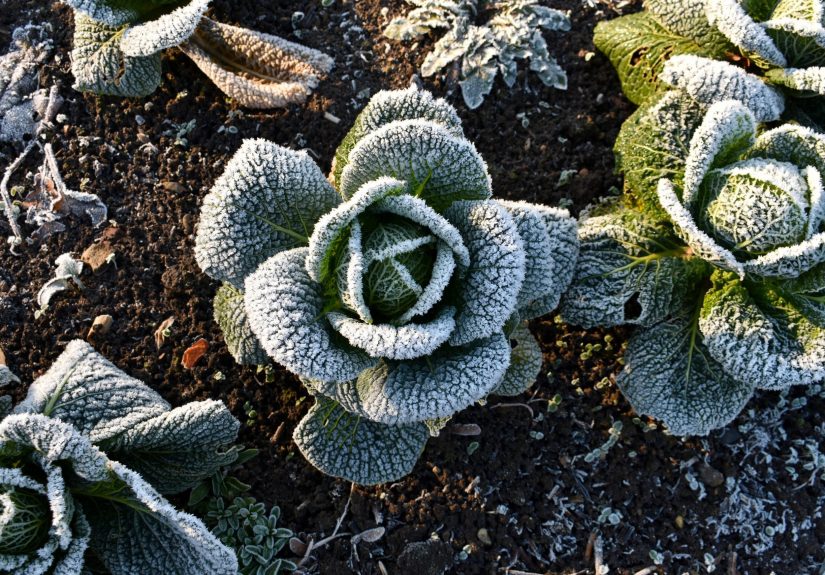
Cabbage is tougher than it looks. It is cold-tolerant, productive, and incredibly useful in the kitchen. It can be grown for winter harvest in many climates and is one of those vegetables that quietly becomes a star once you realize how many meals it can anchor.
How to plant it
Cabbage is often started from transplants, especially when you want a strong head start. Plant it in rich soil with plenty of compost, give it steady moisture, and leave enough spacing for heads to form properly. In mild-winter regions, it can grow beautifully through the cool months. In colder areas, plant early enough in fall for winter harvest or use season extension.
Do not crowd cabbage. It may look modest as a transplant, but later it expands like it just signed a lease on the whole bed.
Best use
Slaws, soups, stir-fries, braises, roasted wedges, dumplings, fermented dishes, and budget-friendly dinners that still taste like you tried.
How to Succeed With Winter Vegetables
Plant choice matters, but strategy matters too. First, know your frost dates and your USDA zone. Winter gardening in Florida and winter gardening in Vermont are not the same sport. Second, improve your soil with compost before planting. Cool-season crops appreciate loose, fertile ground, especially root vegetables. Third, use protection when needed. Row covers, mulch, low tunnels, and cold frames can stretch the season and protect tender leaves from hard freezes.
Also, embrace succession planting. Instead of sowing one giant batch, plant smaller rounds every couple of weeks. This keeps harvests coming and reduces waste. Finally, do not assume slow growth means failure. Winter vegetables often grow steadily rather than dramatically. They are more “quiet competence” than “summer blockbuster.”
Real-World Winter Gardening Experiences: What Gardeners Learn Fast
If you spend even one season growing winter vegetables, you learn a few things that seed packets do not fully capture. The first is that winter gardening feels calmer. Summer gardening can be loud: everything bolts, bugs arrive like uninvited relatives, and watering becomes a daily negotiation. Winter gardening is slower and quieter. You walk outside in a jacket, check the beds, brush away a little frost, and feel strangely accomplished before most people have finished their coffee.
Another common experience is surprise. New gardeners often expect winter vegetables to look miserable, but many of them look fantastic. Kale can hold itself like it owns the place. Spinach keeps putting out thick leaves when the air is cold enough to make you question your life choices. Radishes seem to pop up with cheerful speed. Garlic asks almost nothing at first, then months later reminds you that patience can be delicious.
There is also the lesson of timing, which winter gardening teaches in a very direct way. Plant too late in a cold climate and crops may sit there, not dead, just thinking about it. Plant at the right time and the same bed suddenly becomes productive, efficient, and almost smug. Many gardeners discover that winter success is less about brute force and more about rhythm: knowing when to sow, when to cover, when to mulch, and when to simply let the plants do their thing.
Then there is flavor. This is where winter gardens win people over for good. Carrots harvested from cold soil can taste sweeter. Kale after a frost can lose some bitterness and develop a richer, gentler flavor. Lettuce grown in cool weather is often crisper and less prone to the bitter attitude it develops in heat. When gardeners say winter vegetables taste better, they are not being poetic. They are usually speaking from the kind of experience that ends with someone standing in the yard eating a carrot they had no intention of washing first.
Winter gardening also teaches flexibility. A gardener in the South may sow lettuce and peas in January without much fuss. A gardener in the Midwest may use hoops and frost cloth. A gardener in the Pacific Northwest may rely on raised beds and drainage. A gardener in the Northeast may plant in fall and harvest into winter with protection. Same concept, different moves. The experience reminds you that gardening is local, and success usually comes from adapting the general advice to your exact patch of earth.
Finally, winter vegetables change the emotional feel of the garden year-round. Once gardeners realize they do not have to shut everything down after summer, the whole calendar opens up. The garden becomes less of a single season event and more of an ongoing relationship. There is always something to sow, protect, harvest, or plan. That shift is powerful. It turns gardening from a short burst of effort into a steady, rewarding habit.
So if you have ever looked at winter and assumed the garden was closed, consider this your friendly correction. The season is not over. It just belongs to different vegetables, quieter victories, and harvests that feel a little extra satisfying because you pulled them off when most people thought nothing could grow.
Final Thoughts
If you want a more productive garden, do not let winter scare you off. Cool-season crops like kale, spinach, garlic, onions, peas, carrots, radishes, lettuce, and cabbage can keep your beds working long after summer plants are done showing off. Start with a few easy winners, match your timing to your region, and use simple protection if needed.
Winter gardening is not about fighting the season. It is about choosing crops that actually like it. And once you taste sweet carrots, tender spinach, or frost-kissed kale from your own garden, winter may stop looking like the end of the story and start feeling like one of the best chapters.