
Table of Contents >> Show >> Hide
- What Happens at 21 Weeks Pregnant?
- Common 21 Weeks Pregnant Symptoms
- Your Baby at 21 Weeks
- Tips for Feeling Better at 21 Weeks Pregnant
- Appointments, Tests, and What May Be Coming Up
- When to Call Your Healthcare Provider
- What 21 Weeks Pregnant Often Feels Like Emotionally
- Experiences at 21 Weeks Pregnant: What Many Parents Notice Around This Time
- Final Thoughts
- SEO Tags
You are 21 weeks pregnant, which means you are officially in that sweet middle stretch where the first-trimester nausea has often backed off, but the third-trimester “Why do my shoes hate me?” phase has not fully arrived yet. In other words, this can be a pretty exciting week. Your baby is getting bigger, movement may be more noticeable, and your body is doing some truly impressive behind-the-scenes work while you try to remember where you left your water bottle.
At 21 weeks pregnant, many people notice a mix of fun and frustrating changes. One minute, you are smiling because you felt a tiny kick during lunch. The next, you are wondering why turning over in bed feels like a full athletic event. That is second-trimester life in a nutshell. The good news is that most symptoms at this stage are common, manageable, and very much part of the pregnancy plotline.
This guide breaks down what is happening with your baby, what symptoms are normal at 21 weeks, which tips can actually help, and what signs mean it is time to call your healthcare provider instead of trying to “just walk it off.”
What Happens at 21 Weeks Pregnant?
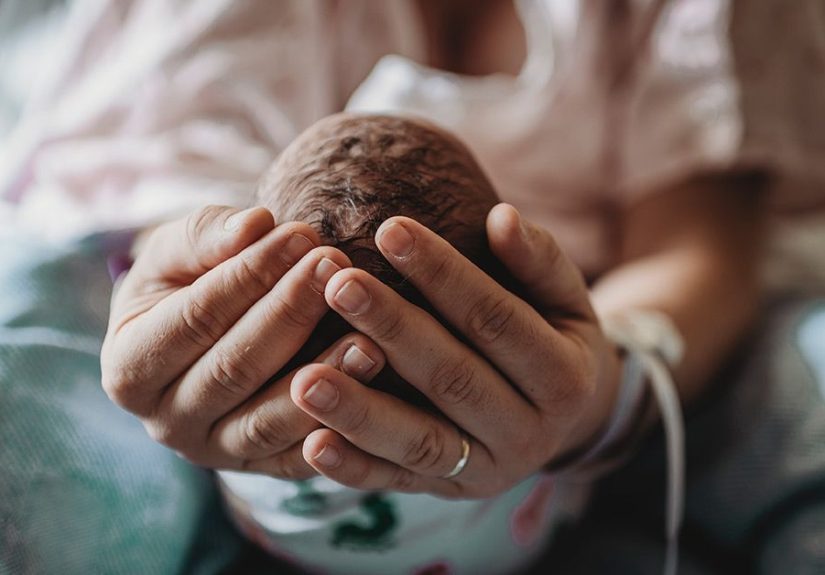
By 21 weeks, your baby is growing steadily and looking more and more like the tiny person you will soon meet. Around this point in pregnancy, your baby weighs about a pound and continues practicing important skills such as swallowing. Those little movements you feel are not random dance rehearsals either. They are part of normal development as muscles, nerves, and coordination keep improving.
You may also hear people compare your baby to a fruit or vegetable at this stage. Those comparisons are cute, but the bigger takeaway is this: your baby is developing fast, becoming more active, and taking up more real estate inside your uterus every single week.
Meanwhile, your uterus is now high enough that your bump is likely very visible. Around this point, many pregnant people feel more consistently pregnant in the movie-trailer sense of the word: there is a bump, there are flutters, there is probably a strong opinion about pillows, and there may be an emotional attachment to stretchy waistbands.
Common 21 Weeks Pregnant Symptoms
The list of 21 weeks pregnant symptoms can feel a little random, but there is logic behind the chaos. Hormones, growing blood volume, stretching ligaments, and your expanding uterus all play a role.
1. Baby Movement That Feels More Real
If you have started feeling movement, it may become more regular this week. Early fetal movement is often called quickening, and it can feel like flutters, bubbles, taps, or tiny popcorn pops. If this is your first pregnancy, you may have started noticing movement around now. If you have been pregnant before, you might have felt it earlier.
Not feeling much yet? That can still be normal. An anterior placenta, body shape, and simple timing can affect when movement becomes obvious. At 21 weeks, the pattern is not always consistent enough to count on like clockwork.
2. Round Ligament Pain
This symptom deserves its own little award for being alarming and normal at the same time. Round ligament pain often shows up as a sharp or pulling pain in the lower belly or groin, especially when you stand up quickly, roll over, cough, or move like a person who forgot they are growing a human. It happens because the ligaments supporting your uterus are stretching.
The pain is usually brief, but it can be surprisingly intense. The trick is to move a little slower, change positions carefully, and avoid sudden twisting motions when possible.
3. Back Pain
Back pain at 21 weeks pregnant is incredibly common. As your belly grows, your posture changes and your center of gravity shifts. Hormones also loosen ligaments and joints, which is helpful for birth later on but not always delightful for your lower back right now.
You may notice it most after standing for long periods, sitting at a desk too long, carrying groceries, or pretending you can still sleep in any position without consequences.
4. Leg Cramps
Leg cramps, especially at night, can make you sit up in bed like you were just called on in class. These cramps are common in the second trimester. Gentle stretching before bed, staying hydrated, and changing positions slowly may help reduce the frequency.
5. Heartburn and Indigestion
Thanks to pregnancy hormones and the growing uterus putting pressure on your stomach, heartburn can start becoming a regular guest. You may feel a burning sensation in your chest or throat, especially after large meals or spicy foods. It is rude, yes, but common.
6. Constipation
Pregnancy slows digestion, which can lead to constipation, bloating, and that less-than-glamorous feeling of being weirdly full and still uncomfortable. Fiber, fluids, movement, and your provider’s guidance can all help here.
7. Skin Changes
You may notice darkening skin, a line down the center of your belly, itching from stretching skin, or the famous “glow.” For some people, the glow looks more like “I walked up the stairs and now my face is shiny,” but that still counts.
8. Mild Swelling
A bit of swelling in your feet and ankles can happen as pregnancy progresses, especially later in the day or in hot weather. Mild swelling is common. Sudden swelling, especially in the face or hands, is a different story and should be checked by your provider.
Your Baby at 21 Weeks
If you are wondering what is happening with your baby at 21 weeks, a lot is going on. Your baby is practicing swallowing amniotic fluid, moving arms and legs more purposefully, and continuing important growth in the digestive system and other organs. Development is less about dramatic “firsts” now and more about steady refinement, like your baby is in an intense prep phase before debuting on the outside.
You may also be around the time of your anatomy scan, if you have not had it already. This ultrasound is typically done between 18 and 22 weeks and checks how your baby is growing and how major organs and body structures look. It can also give your provider important information about the placenta, amniotic fluid, and overall pregnancy progress.
For many parents, this is also the stage when the pregnancy starts to feel more interactive. Feeling movement, seeing your bump change, and hearing more specifics at appointments can make everything feel more real in a very tangible way.
Tips for Feeling Better at 21 Weeks Pregnant
You cannot completely outsmart second-trimester symptoms, but you can make them easier to manage. Here are practical tips that actually help.
Move Your Body, But Keep It Sensible
Regular exercise during pregnancy is generally considered safe for most people and can help with back pain, constipation, sleep, mood, and energy. Walking, swimming, prenatal yoga, and low-impact strength work are often good options. This is not the week to launch a surprise parkour career, but steady movement can do wonders.
Eat Small, Frequent Meals
If heartburn is creeping in, smaller meals may help more than giant ones. Try eating slowly and avoiding foods that seem to trigger symptoms. Greasy, spicy, or acidic meals are common troublemakers. Yes, this is unfair when all you want is pizza the size of a throw pillow.
Focus on Nutrient-Dense Foods
During the second trimester, your calorie needs go up modestly, but quality matters more than simply “eating for two.” Prioritize foods with protein, fiber, iron, calcium, folate, and vitamin D. Think eggs, beans, yogurt, leafy greens, fruit, whole grains, lean meats, and low-mercury fish if your provider says it is appropriate. Prenatal vitamins also still matter, even if your cravings are suddenly laser-focused on breakfast cereal.
Hydrate Like It Is Your Side Job
Drinking enough water can help with constipation, swelling, headaches, and overall energy. It will also increase bathroom trips, but pregnancy was already committed to that storyline anyway.
Support Your Sleep
Sleep can get trickier as your belly grows. Try sleeping on your side, using pillows between your knees or under your belly, and keeping your bedtime routine calm and consistent. A pregnancy pillow can feel dramatic until you try one and suddenly become emotionally dependent on it.
Protect Your Back
Wear supportive shoes, avoid lifting heavy things when possible, and pay attention to posture. If you sit for long stretches, stand up and move regularly. If you stand a lot, rest when you can. Your back is doing a lot of unpaid labor right now.
Appointments, Tests, and What May Be Coming Up
At 21 weeks pregnant, you are usually still in the rhythm of routine second-trimester prenatal visits. These visits often include checking your weight, blood pressure, urine, and discussing symptoms. If your anatomy scan is scheduled around now, that can be one of the big events of this stage.
Looking ahead, your provider may also start talking about gestational diabetes screening, which commonly happens between 24 and 28 weeks. It can feel like one of those “already?” moments, but pregnancy moves fast. Keeping appointments is one of the best ways to catch issues early and get reassurance when everything is going smoothly.
When to Call Your Healthcare Provider
Many week 21 pregnancy symptoms are normal, but some signs should not be brushed off. Call your healthcare provider promptly if you have:
- Any vaginal bleeding or spotting
- Leaking fluid from the vagina
- Severe abdominal pain or strong cramping
- Regular contractions, pelvic pressure, or ongoing low back pain that could point to preterm labor
- A severe headache that does not go away
- Vision changes such as blurriness, spots, or light sensitivity
- Sudden swelling in your face or hands
- Chest pain, fainting, serious shortness of breath, or fever
Preeclampsia can happen after 20 weeks of pregnancy, which is one reason symptoms like severe headache, vision changes, and sudden swelling matter. Most headaches in pregnancy are not dangerous, but the ones that are should not be ignored.
What 21 Weeks Pregnant Often Feels Like Emotionally
Physically, 21 weeks can be busy. Emotionally, it can be even busier. This is often the point where pregnancy starts feeling more concrete, and that can bring excitement, relief, anxiety, and approximately 14 random questions before lunch.
You may feel thrilled after an ultrasound and then immediately spiral about stroller choices. You may feel deeply connected to your baby one day and strangely overwhelmed the next. That emotional back-and-forth is common. Pregnancy is not just a physical process; it is also a giant mental adjustment. You are making space in your life, routine, identity, and budget for a new human. That is a lot.
If your feelings start tipping into persistent sadness, severe anxiety, panic, or a sense that you are not coping well, bring it up with your provider. Mental health support during pregnancy matters just as much as blood pressure checks and vitamins.
Experiences at 21 Weeks Pregnant: What Many Parents Notice Around This Time
One of the most common experiences at 21 weeks pregnant is the feeling that pregnancy suddenly becomes harder to ignore in everyday life. Earlier on, you may have known you were pregnant mostly because of symptoms like nausea, sore breasts, or fatigue. At 21 weeks, the experience often shifts. The bump is more noticeable, movement may be easier to feel, and daily habits start changing in ways that feel very real.
Many people say this is the week they begin talking to the baby more. It might start with a hand on the belly after dinner, or a laugh when a kick appears during a quiet meeting. Some notice movement most when they finally sit down after a busy day. Others say the baby seems to wake up the second they lie down at night, which is adorable in theory and slightly less adorable when you are trying to sleep.
Another common experience is feeling better overall than in the first trimester, but not exactly “comfortable.” That is the weird middle zone of 21 weeks. You may have more energy and less nausea, yet also deal with back pain, heartburn, or sudden round ligament pain when standing up too fast. A lot of parents describe this stage as the point where pregnancy becomes more physical and less abstract. You are not just expecting a baby. You are actively negotiating with your own body every day.
Clothing is another major storyline. Around 21 weeks, many people fully commit to maternity jeans, stretchy dresses, larger bras, and the idea that comfort is now the highest form of fashion. There is often a brief attempt to keep wearing old clothes, followed by the acceptance that buttons are no longer part of the plan. This can be surprisingly emotional, but it can also feel like a relief once you stop fighting it.
At work or in social situations, people may begin commenting on your bump more often. Some of those comments are sweet. Some are awkward. Some make you wonder why pregnancy seems to convince strangers that personal space and basic filters are optional. That experience is, unfortunately, very common too.
Many pregnant people also report that 21 weeks is when planning starts picking up speed. Anatomy scan results may make things feel more official. You may start thinking more seriously about nursery ideas, names, childcare, parental leave, and upcoming tests. Even if you are trying to stay calm, this is often the point where the mental to-do list grows very quickly.
And then there are the small everyday moments that stick with people: feeling a flutter while waiting at a red light, realizing you automatically roll to your side in bed now, needing a snack immediately or becoming a slightly dramatic version of yourself, or laughing because your baby seems to kick every time music comes on. These moments can make 21 weeks feel memorable in a way that is both ordinary and huge.
So if 21 weeks pregnant feels exciting, uncomfortable, funny, emotional, and slightly chaotic all at once, that tracks. For many parents, this is the stage when pregnancy begins to feel less like a countdown and more like a relationship already underway.
Final Thoughts
At 21 weeks pregnant, you are in a meaningful stretch of the second trimester. Your baby is growing quickly, movement may be easier to feel, and your body is adapting in ways that can be amazing, inconvenient, and occasionally absurd before breakfast. Symptoms like back pain, round ligament pain, heartburn, and constipation are common, but there are practical ways to manage them.
The biggest takeaway is this: most changes at 21 weeks are part of normal pregnancy, but serious warning signs still matter. Keep up with prenatal visits, listen to your body, and reach out to your provider when something feels off. You do not get extra points for pretending you are fine while Googling “Is this normal?” at 2 a.m.
Growing a baby is demanding work. So if your main achievements today were staying hydrated, remembering your prenatal vitamin, and not crying over a missing snack, you are still doing great.
Note: This article is for general educational purposes and should not replace advice from your prenatal care provider.