Table of Contents >> Show >> Hide
- Why SNL Season 50 Became a Homecoming Season
- The Current Cast Members Who Returned for Season 50
- The New Featured Players Who Joined the Anniversary Season
- Former SNL Cast Members Who Returned During Season 50
- The SNL50 Anniversary Special Expanded the Reunion
- Why These Returns Worked
- What the Returning Cast Members Reveal About SNL’s Future
- Personal Viewing Experience: Watching Season 50 Felt Like Comedy Time Travel
- Conclusion
Saturday Night Live Season 50 was never going to be just another lap around Studio 8H. When a show reaches its 50th anniversary, it does not simply order a cake, dim the lights, and hope the cue cards behave. It summons history. It opens the backstage doors. It lets old friends wander back in, sometimes as presidents, sometimes as political spouses, sometimes as beloved weirdos from sketches fans have quoted for decades.
That is exactly what happened during the milestone season. Alongside the regular SNL Season 50 cast, the show brought back several former cast members and familiar alumni for cameos, recurring impressions, anniversary moments, and nostalgic sketch appearances. Some returns were central to the season’s political comedy. Others were blink-and-you-miss-it comedy Easter eggs. A few practically moved back into the building and started paying rent in laughs.
Below is a complete, reader-friendly look at the returning cast members and alumni who helped define Saturday Night Live Season 50, plus why their appearances mattered to the show’s anniversary-year identity.
Why SNL Season 50 Became a Homecoming Season
Season 50 premiered on September 28, 2024, with Jean Smart hosting and Jelly Roll as musical guest. From the beginning, the season carried a bigger mission than simply producing weekly sketch comedy. It had to function as a living museum, a current political satire machine, a talent showcase, and a victory lap for one of television’s longest-running institutions.
That is a lot of jobs for a show that already has to write, rehearse, rewrite, costume, block, and perform live television in less than a week. No pressure. Just 50 years of comedy history breathing down everyone’s neck like a producer holding a stopwatch.
To balance past and present, SNL leaned into two kinds of returning talent. First, it kept a strong group of current cast members from Season 49, including long-running anchors like Kenan Thompson, Colin Jost, Michael Che, Heidi Gardner, Ego Nwodim, Mikey Day, Chloe Fineman, Bowen Yang, Sarah Sherman, Andrew Dismukes, and James Austin Johnson. Second, it invited former cast members back for special roles, recurring cameos, and the massive SNL50 anniversary celebration.
The result was a season that felt like a reunion without becoming a dusty scrapbook. The old guard returned, but the current cast still carried the weekly load. That balance is what made Season 50 feel less like a museum tour and more like a family dinner where everyone is funny, several people are chaotic, and someone is definitely wearing a wig by dessert.
The Current Cast Members Who Returned for Season 50
Before jumping into alumni cameos, it is important to recognize the core performers who returned as part of the official Season 50 ensemble. These are the cast members who kept the weekly engine running while the anniversary nostalgia machine roared in the background.
Kenan Thompson
No discussion of the returning SNL cast can begin anywhere but Kenan Thompson. As the longest-tenured cast member in the show’s history, Thompson entered Season 50 as both a performer and a symbol of continuity. He is the rare cast member who can anchor a sketch, rescue a shaky premise with one facial expression, and make a recurring character feel fresh even after years on the air.
During the anniversary season, his presence mattered even more. Thompson connects multiple eras of SNL: the post-2000s digital era, the modern political era, and the current ensemble era. He is both a veteran and still one of the most reliable live performers on the stage.
Colin Jost and Michael Che
Colin Jost and Michael Che returned behind the Weekend Update desk, continuing one of the most recognizable segments in American late-night comedy. Their chemistry depends on contrast: Jost often plays the clean-cut straight man while Che delights in making him visibly uncomfortable. It is a simple formula, but like pizza, it works because the ingredients know what they are doing.
In Season 50, Weekend Update remained a key format for political jokes, entertainment headlines, and cast character showcases. For viewers who tune in mainly for the news satire, Jost and Che’s return gave the season a familiar rhythm.
Mikey Day, Heidi Gardner, Ego Nwodim, and Chloe Fineman
Mikey Day returned as one of the show’s strongest utility players, capable of playing everything from frazzled dads to hyper-specific sketch weirdos. Heidi Gardner brought back her sharp character work and emotional commitment to absurd premises. Ego Nwodim continued to be one of the cast’s most polished live performers, with a gift for turning even a small reaction into a punchline. Chloe Fineman returned with her impression-heavy toolkit, celebrity parody precision, and ability to make glamour look deeply unwell in the funniest possible way.
Together, these performers formed much of the season’s comedic backbone. They are the people who make a sketch feel stable enough for the chaos to land.
Bowen Yang, Sarah Sherman, Andrew Dismukes, and James Austin Johnson
Bowen Yang returned as one of the show’s breakout modern stars, bringing theatrical flair, sharp timing, and a gift for turning pop culture commentary into performance art. Sarah Sherman, often known for her surreal and body-horror-adjacent comedy style, added a jolt of delightful strangeness. Andrew Dismukes continued to shine in understated, offbeat sketches, while James Austin Johnson remained essential for political impressions, especially when the show needed a frighteningly accurate Donald Trump.
These performers gave Season 50 its modern texture. While alumni brought history, this group helped the season sound like the present.
Marcello Hernández, Michael Longfellow, and Devon Walker
Marcello Hernández, Michael Longfellow, and Devon Walker were promoted from featured players to the main cast for Season 50. Their promotion was one of the most significant cast developments of the anniversary year. It showed that SNL was not simply looking backward; it was also investing in performers who could help carry the next chapter.
Hernández brought high-energy charm and a strong presence in sketches with cultural specificity and youthful momentum. Longfellow leaned into dry, deadpan delivery. Walker contributed a relaxed, conversational comic style that worked especially well when sketches needed a grounded center.
The New Featured Players Who Joined the Anniversary Season
Season 50 also introduced three new featured players: Ashley Padilla, Emil Wakim, and Jane Wickline. While they were not “returning” cast members, their arrival helped explain the broader cast shuffle. Their addition followed the departures of Punkie Johnson, Molly Kearney, and Chloe Troast ahead of the season.
Padilla arrived with a background connected to The Groundlings, a legendary comedy pipeline that has sent many performers into sketch television. Wakim entered as a stand-up comedian and actor with live comedy experience. Wickline brought a digital-era sketch sensibility, including work associated with TikTok’s comedy ecosystem. In other words, Season 50 blended old-school sketch training, stand-up instincts, and internet-native comedy energy. That is very SNL: one foot in 1975, one foot in whatever app your niece is using this week.
Former SNL Cast Members Who Returned During Season 50
The heart of the “returning cast members” conversation, however, belongs to the alumni. Season 50 brought back several former SNL cast members in meaningful ways, especially during political sketches and anniversary celebrations. Some appearances were recurring. Some were brief. But each one helped Season 50 feel connected to the show’s enormous comedy family tree.
Dana Carvey
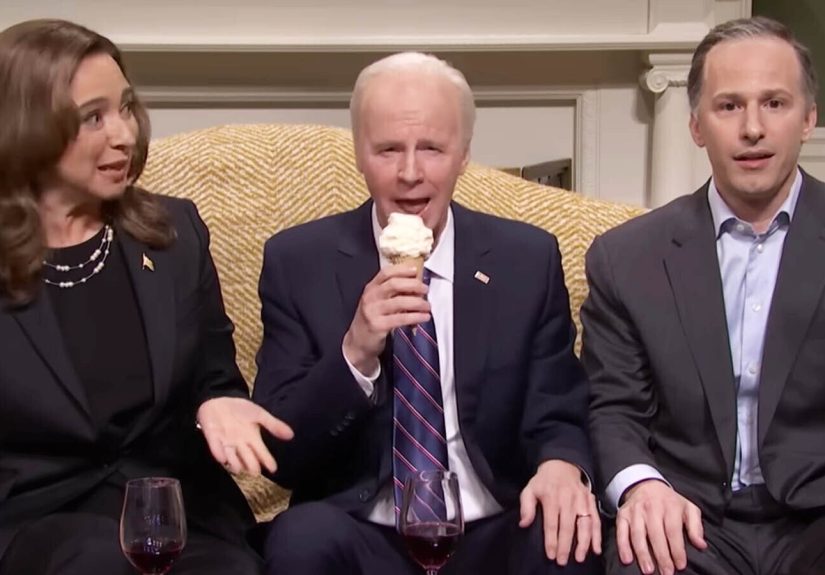
Dana Carvey became one of the most visible returning alumni of Season 50. Famous for classic characters like the Church Lady and impressions of political figures such as George H. W. Bush, Carvey returned during the anniversary season with renewed relevance. His portrayal of President Joe Biden became a recurring part of the show’s 2024 election-year satire.
Carvey’s return worked because he understands the old SNL magic trick: an impression does not need to be a documentary. It needs a hook. A rhythm. A comic exaggeration that audiences instantly recognize. His Biden impression leaned into voice, pacing, and physicality, allowing the show to build cold opens around a familiar political figure while still benefiting from Carvey’s veteran looseness.
Among the returning cast members, Carvey felt less like a guest and more like a temporary resident of Studio 8H. His appearances gave Season 50 a direct link to one of the show’s most beloved eras.
Maya Rudolph
Maya Rudolph returned to portray Vice President Kamala Harris during the 2024 election cycle, a role she had previously played to much attention. Rudolph’s Harris is not just an impression; it is a full comic character built from warmth, timing, facial expressions, and sudden bursts of controlled chaos.
Her return gave SNL an obvious political advantage. When real-world politics became a central part of the news cycle, the show already had a proven performer ready to step into one of the most watched roles. Rudolph’s appearances also carried emotional resonance because she is one of the alumni most closely associated with versatility, musicality, and ensemble generosity.
In Season 50, Rudolph’s return reminded audiences that the best SNL alumni do not simply come back to wave. They come back to work.
Andy Samberg
Andy Samberg returned in multiple ways during the anniversary season, including political sketch appearances and digital-short energy that recalled his Lonely Island era. Samberg’s importance to SNL history is hard to overstate. He helped push the show deeper into the viral-video age, proving that a sketch could dominate Monday morning conversation not just through live performance but through replayable digital comedy.
His Season 50 presence brought that history back into the room. Whether appearing as Doug Emhoff in election sketches or contributing to the season’s broader nostalgic mood, Samberg represented the bridge between traditional live sketch and internet-era comedy. For younger viewers, he is part of the show’s modern DNA. For longtime fans, he is a reminder of the era when digital shorts became appointment-viewing within appointment television.
Pete Davidson
Pete Davidson’s return was exactly the kind of cameo that makes SNL fans perk up. Davidson’s relationship with the show has always been unusual: part cast member, part stand-up voice, part headline magnet, part guy who looks like he wandered into the building and somehow made it to air.
During Season 50, Davidson’s appearance tapped into his status as a familiar former cast member who can quickly change the energy of a sketch. He often works best when he is not trying to disappear into a character but instead using his own casual, self-aware comic persona. That quality makes him an effective returnee: he does not need much setup. The audience knows the vibe immediately.
Kyle Mooney
Kyle Mooney also returned during the Season 50 period, bringing back the awkward, off-center comic sensibility that made him a distinctive cast member. Mooney’s SNL style has always been unusual. He thrives in uncomfortable rhythms, strange sincerity, and sketches that feel like public-access television discovered a cursed VHS tape.
His return mattered because Season 50 was not only about the biggest names. It also celebrated the many different comedy flavors that have passed through the show. Mooney represents the oddball experimental lane, the part of SNL that occasionally says, “What if this sketch felt like it was made by someone who has not slept, but in an artistic way?”
David Spade
David Spade’s Season 50 return added a dose of classic 1990s attitude. Spade’s comic identity is built on dryness, sarcasm, and a refusal to overexplain the joke. He does not need to shout when a smirk can do the damage.
His return connected the anniversary season to an era that produced some of the show’s most quoted personalities. Even in a limited appearance, Spade brings a recognizable comic temperature: cool, dismissive, and allergic to sentimentality. For an anniversary season that could have drowned in nostalgia, that edge was useful.
Punkie Johnson
Punkie Johnson departed before Season 50 as a regular cast member, but her presence around the anniversary conversation made her part of the broader returning-cast discussion. Johnson’s run on SNL brought a laid-back, grounded energy, and her exit was part of the cast shake-up that shaped the season’s new lineup.
Her connection to Season 50 is a reminder that “returning” can mean different things during an anniversary year. Sometimes it means a major recurring role. Sometimes it means a brief appearance, a goodnight, a celebration, or simply being part of the show’s living community.
The SNL50 Anniversary Special Expanded the Reunion
The anniversary special turned the homecoming concept up to stadium-concert levels. Former cast members including Adam Sandler, Amy Poehler, Andy Samberg, Chevy Chase, Chris Rock, Eddie Murphy, Fred Armisen, Garrett Morris, Jane Curtin, Jason Sudeikis, Jimmy Fallon, Kate McKinnon, Kristen Wiig, Laraine Newman, Maya Rudolph, Molly Shannon, Pete Davidson, Seth Meyers, Tina Fey, Tracy Morgan, Will Ferrell, and Will Forte were among the many names connected to the celebration.
That kind of lineup is not just a guest list. It is a comedy census. It showed how many generations of performers have passed through SNL and gone on to shape film, television, stand-up, sitcoms, late-night hosting, and pop culture at large.
The special also gave returning cast members a chance to revisit famous formats, characters, and dynamics. Tina Fey and Amy Poehler’s presence evoked the legacy of Weekend Update. Eddie Murphy’s return carried historic weight because of his role in helping define the show in the early 1980s. Molly Shannon’s physical comedy, Will Ferrell’s commitment to absurdity, and Kristen Wiig’s character-driven brilliance all reminded viewers that SNL is not one style of comedy. It is a very crowded, very strange apartment building full of styles.
Why These Returns Worked
The smartest thing about Season 50’s returning cast members was that their appearances were not all used the same way. Dana Carvey and Maya Rudolph helped with topical political satire. Andy Samberg brought digital-era credibility. Pete Davidson and Kyle Mooney added modern alumni flavor. David Spade represented the sharp 1990s school. The anniversary special widened the frame to include legends from nearly every era.
That variety prevented the season from feeling like a parade of cameos for cameo’s sake. Yes, some appearances were clearly designed to make the audience clap. But many of them also served a real comic function. They gave sketches instant context, helped the show comment on current events, and reminded viewers why certain performers became famous in the first place.
For SEO-minded readers searching “all returning cast members for SNL Season 50,” the key takeaway is simple: Season 50 was built as both a current season and a celebration of the entire franchise. The returning alumni were not decoration. They were part of the storytelling.
What the Returning Cast Members Reveal About SNL’s Future
Ironically, the best thing about bringing back the past is that it can clarify the future. Season 50 showed that SNL can honor its legends while still pushing younger cast members into bigger roles. Kenan Thompson’s continued dominance, Bowen Yang’s modern star power, Sarah Sherman’s experimental edge, Marcello Hernández’s rise, and the arrival of new featured players all pointed toward the next generation.
The alumni returns also reminded viewers that nobody really leaves SNL forever. They may depart the cast, star in movies, host talk shows, win awards, vanish into prestige television, or grow magnificent anniversary beards. But eventually, many of them come back through those famous doors, usually to applause and possibly a deeply uncomfortable costume.
That revolving-door tradition is part of the show’s magic. SNL is not just a television program; it is a comedy institution with alumni, rituals, lore, grudges, friendships, catchphrases, and a stage that seems to hold every era at once.
Personal Viewing Experience: Watching Season 50 Felt Like Comedy Time Travel
Watching the returning cast members during SNL Season 50 felt a little like flipping through an old family album while someone in the next room is yelling breaking political news. That is the peculiar charm of Saturday Night Live: it lives in the present tense, but its past is always sitting nearby, waiting to interrupt with a wig, a fake mustache, or a musical number nobody asked for but everyone secretly needed.
For longtime viewers, the biggest thrill was not simply recognizing famous faces. It was seeing how each returning performer carried a different era of the show back onto the stage. Dana Carvey instantly brought back the memory of impression-heavy political comedy. Maya Rudolph revived the kind of warm, musical, character-based performance that made her one of the most beloved alumni. Andy Samberg’s presence reminded audiences of the digital-short revolution, when SNL sketches became viral currency before “going viral” became every marketing department’s favorite phrase.
What made these returns especially enjoyable was the contrast between old and new cast energy. A sketch could feature a veteran alumni performer and still depend on current cast members to land the rhythm. That mixture gave Season 50 an unusual texture. It was nostalgic, but not frozen. It looked backward, but it did not stop moving forward. The best moments felt like a comedy relay race: one generation handing the baton to another, then refusing to leave the track because there was still one more joke to try.
There is also something uniquely funny about watching former cast members return to a show famous for pressure. SNL is not a cozy reunion brunch. It is live television. Timing matters. Cue cards matter. The camera may or may not be where a performer expects it to be. That slight danger gives every return an extra spark. When an alum steps back into Studio 8H, the audience can feel the history, but also the risk. The performer has to prove they can still play the game.
Season 50 also highlighted how viewers form personal connections with different SNL eras. Some fans were excited by David Spade because they grew up with 1990s SNL. Others responded more strongly to Pete Davidson, Kyle Mooney, or Andy Samberg because those performers defined a more recent comedy adolescence. For younger fans, Bowen Yang, Sarah Sherman, and Marcello Hernández may be the faces of the show. That overlapping fandom made the anniversary season feel bigger than one generation.
The returning cast members also created a useful reminder: SNL has never been perfect, and that is part of its identity. Some sketches soar. Some sketches wobble like a folding chair at a school concert. Some cameos feel essential; others feel like the show simply opened the door and said, “Sure, come wave.” But the unpredictability is part of why people keep watching. Live sketch comedy is not polished marble. It is wet cement, and sometimes the footprints are the best part.
By the end of the anniversary season, the returning performers had done more than trigger nostalgia. They helped explain why Saturday Night Live has lasted. The show survives because it keeps absorbing new voices while refusing to completely let go of the old ones. It is messy, sentimental, sarcastic, topical, uneven, brilliant, and occasionally baffling. In other words, it is still SNL. And after 50 seasons, that may be the most impressive punchline of all.
Conclusion
Saturday Night Live Season 50 turned the idea of returning cast members into a full-season theme. The regular ensemble returned to keep the show current, while alumni like Dana Carvey, Maya Rudolph, Andy Samberg, Pete Davidson, Kyle Mooney, David Spade, and many others helped connect the milestone year to decades of comedy history.
The smartest part of the season was its balance. It did not rely only on nostalgia, even though nostalgia was everywhere. Instead, it used returning performers to strengthen political sketches, celebrate iconic eras, and remind audiences that SNL is bigger than any single cast. It is a living comedy machine powered by new talent, old legends, and the occasional miracle that everything somehow goes live on time.
Note: This article is based on publicly reported casting information, Season 50 lineup changes, anniversary-special announcements, and widely covered alumni appearances. It is written for editorial publishing and does not include external source links.