Table of Contents >> Show >> Hide
- What Aloe Vera Actually Does for Hair (and What It Doesn’t)
- Aloe Vera Hair Mask Benefits (Realistic, Useful, Worth Your Time)
- Choosing Aloe Vera for Hair: Fresh Leaf vs. Store-Bought Gel
- How to Use an Aloe Vera Hair Mask (Step-by-Step)
- 7 DIY Aloe Vera Hair Mask Recipes (Easy, Customizable, Actually Practical)
- Recipe 1: The Basic Aloe Gel Mask (for shine + softness)
- Recipe 2: Aloe + Coconut Oil (for deep conditioning on dry hair)
- Recipe 3: Aloe + Honey (for moisture and bounce)
- Recipe 4: Aloe + Yogurt (for a “soft reset” on frizz)
- Recipe 5: Aloe + Avocado (for thirsty curls and coils)
- Recipe 6: Aloe Scalp Soothe Mask (simple, gentle)
- Recipe 7: Aloe Leave-In Spray (for detangling and refresh)
- How to Customize Your Aloe Vera Hair Mask by Hair Type
- Safety Tips and “Please Don’t Do This” Moments
- When to Skip DIY and Talk to a Pro
- FAQ: Aloe Vera Hair Mask Questions People Actually Ask
- Real-World Experiences and Lessons People Share (The Extra )
Aloe vera is the friend who shows up to everything with a calm vibe and a big water bottle. Sunburn? Aloe. Irritated skin?
Aloe. Hair feeling like a tumbleweed that got into a fight with a blow dryer? Aloe can help with that, tooat least
in the ways that matter most for hair masks: hydration, slip, and soothing the scalp.
But let’s get one thing straight before we start blending our kitchens into a DIY salon: an aloe vera hair mask isn’t a
magical “grow six inches overnight” potion. What it can do is support a healthier scalp environment,
reduce the “crispy ends” look, and make hair feel softer and easier to detangleespecially when you pair it with the right
supporting ingredients (oils, humectants, and gentle proteins).
What Aloe Vera Actually Does for Hair (and What It Doesn’t)
The quick science-y rundown (without the boring part)
Aloe vera gel is mostly water, plus plant compounds that help it feel cooling and soothing on skin. That’s why it’s famous
for calming irritation. When used on hair and scalp, aloe’s biggest “wins” usually come from:
- Moisture + slip: The gel texture can coat strands, making them feel smoother and easier to comb through.
- Scalp comfort: Many people find aloe feels soothing on a dry, itchy, or irritated scalp.
- Gentle cleansing support: Aloe can help soften buildup when used as a pre-shampoo treatment (especially mixed with a mild cleanser or used before shampooing).
Common claims you’ll hear (and how to think about them)
- “Aloe makes hair grow faster.”
Aloe doesn’t have strong evidence as a direct hair-growth stimulant. Hair growth is mostly genetics, hormones, nutrition,
and overall scalp health. Aloe may help indirectly by supporting a calmer scalp and reducing breakage from tangles. - “Aloe repairs split ends.”
Split ends can’t truly “heal” back together. Masks can temporarily smooth and reduce the appearance of damage, which is
still a win for manageability and shine. - “Aloe fixes dandruff.”
If your flakes are from irritation or dryness, aloe may feel helpful. If your flakes are from seborrheic dermatitis
(often linked to yeast and oil), aloe may soothe, but medicated shampoos are typically the heavy hitters.
Aloe Vera Hair Mask Benefits (Realistic, Useful, Worth Your Time)
1) Softer hair and less “snag drama”
The biggest immediate benefit people notice is slip. When hair is less tangled, you tug less. When you
tug less, you break less. It’s not glamorous, but it’s the secret plot twist behind “my hair looks healthier.”
2) Better-looking shine (without adding glitter, thankfully)
Hair looks shinier when the cuticle lies flatter and when strands are better hydrated. An aloe vera hair mask can help
hair feel smoother, which often translates into a more reflective, glossy lookespecially on wavy, curly, or color-treated
hair.
3) Calmer, more comfortable scalp
If your scalp gets tight, itchy, or irritated (from weather, product overload, or aggressive styling), aloe can be a gentle
“cool down.” This is especially useful if you’re trying to break the cycle of scratching → inflammation → more itching.
4) A gentle “reset” before shampoo
Think of aloe as the warm-up act. Used as a pre-shampoo mask, it can soften residue and make shampooing
feel less harshespecially if you use strong styling products or dry shampoo.
Choosing Aloe Vera for Hair: Fresh Leaf vs. Store-Bought Gel
Option A: Fresh aloe from the plant (the “I’m basically a spa” choice)
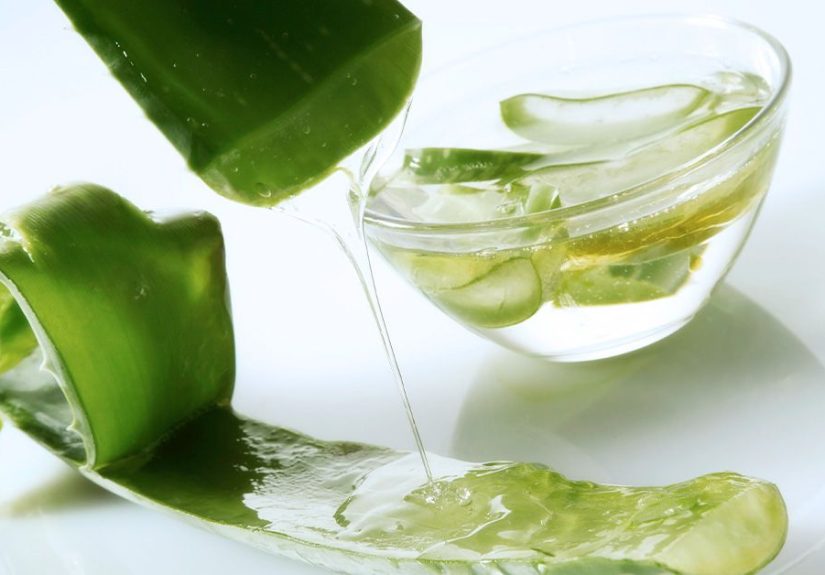
Fresh aloe can be great, but it comes with one important detail: aloe leaves can contain a yellow-ish sap/latex near the
rind. That latex can irritate sensitive skin. If you’re using fresh aloe, you want the clear inner gel and you want to
rinse the cut surface and avoid the yellow layer.
Option B: Store-bought aloe gel (the “I have homework” choice)
Store-bought is convenient and often less messy. Look for:
- Fragrance-free (scalp irritation loves fragrance like a moth loves a porch light)
- Alcohol-free if possible (some alcohols can be drying)
- Aloe listed near the top of the ingredient list
- Minimal dyes and extras
How to Use an Aloe Vera Hair Mask (Step-by-Step)
Step 1: Patch test (yes, even if you’re brave)
Aloe is generally well tolerated, but some people can get burning, itching, or a rash. Dab a small amount behind your ear
or on your inner arm and wait 24 hours. If your skin throws a tantrum, do not proceed.
Step 2: Decide: scalp mask, lengths mask, or both?
- Scalp-focused: Itch, tightness, flakes, irritation, or product sensitivity.
- Lengths-focused: Dryness, frizz, tangles, dullness, or rough ends.
- Both: You’re going for the full spa package.
Step 3: Apply on damp hair for easier spread
Slightly damp hair helps aloe distribute evenly. For scalp application, use fingertips (not nails). For lengths, “glaze” it
on like you’re frosting a cake you actually care about.
Step 4: Let it sit (20–40 minutes is plenty)
Most people do well with 20–30 minutes. If your hair is very dry or thick, 40 minutes can be fine. Longer is not always
betterespecially if you’re using strong add-ins like essential oils.
Step 5: Rinse thoroughly, then shampoo if needed
Aloe can leave a slight film for some hair types. If you feel coated or sticky, shampoo. If your hair feels clean and soft,
you may only need conditioner on the ends.
How often should you use it?
- Dry or textured hair: 1–2 times per week
- Fine or oily hair: Once weekly or every other week
- Scalp soothing: 1–3 times per week depending on sensitivity
7 DIY Aloe Vera Hair Mask Recipes (Easy, Customizable, Actually Practical)
Recipe 1: The Basic Aloe Gel Mask (for shine + softness)
Best for: Normal hair, mild dryness, frizz control, beginners
- 2–4 tablespoons aloe vera gel (depending on hair length)
- 1 teaspoon lightweight oil (optional: jojoba, argan, grapeseed)
Mix and apply from mid-length to ends (and scalp if desired). Leave 20–30 minutes. Rinse well. Shampoo if your hair feels
coated.
Recipe 2: Aloe + Coconut Oil (for deep conditioning on dry hair)
Best for: Very dry hair, thick hair, coarse hair (use lightly on fine hair)
- 2 tablespoons aloe vera gel
- 1 tablespoon coconut oil (melted)
Apply mostly to lengths and ends. Leave 20–40 minutes. Shampoo afterward (coconut oil is not a “rinse and hope” ingredient).
If coconut oil makes your hair feel stiff, swap it for olive or argan oil.
Recipe 3: Aloe + Honey (for moisture and bounce)
Best for: Dry hair, curls, dullness (and people who don’t mind sticky things)
- 2 tablespoons aloe vera gel
- 1 tablespoon honey
- 1–2 tablespoons warm water (to thin)
Honey is a humectant (it helps attract moisture). Mix thoroughly, apply, and cover with a shower cap. Leave 20–30 minutes.
Rinse very well; shampoo if needed.
Recipe 4: Aloe + Yogurt (for a “soft reset” on frizz)
Best for: Frizz, rough texture, heat-styled hair
- 2 tablespoons aloe vera gel
- 2 tablespoons plain yogurt
- Optional: 1 teaspoon honey
Apply to lengths and ends. Leave 15–25 minutes. Rinse thoroughly and shampoo if you feel residue. This can make hair feel
smoother and more conditioned.
Recipe 5: Aloe + Avocado (for thirsty curls and coils)
Best for: Curly/coily hair, very dry ends, high-porosity hair
- 2 tablespoons aloe vera gel
- 2–3 tablespoons mashed ripe avocado
- Optional: 1 teaspoon olive oil
Blend until smooth (nobody wants “avocado confetti” stuck in their hair). Apply, leave 20–30 minutes, rinse thoroughly, and
shampoo if needed.
Recipe 6: Aloe Scalp Soothe Mask (simple, gentle)
Best for: Itchy scalp, tight scalp, mild flakes
- 2 tablespoons aloe vera gel
- Optional: 3–4 drops tea tree oil only if you tolerate it (dilute well)
Massage into scalp with fingertips. Leave 15–20 minutes. Rinse and shampoo. If tea tree oil stings or causes redness, skip it
completelyyour scalp is not a science fair volcano.
Recipe 7: Aloe Leave-In Spray (for detangling and refresh)
Best for: Curly refresh days, protective styles, gentle detangling
- 1 tablespoon aloe vera gel
- 1 cup water
- Optional: a few drops lightweight oil
Shake in a spray bottle. Mist lightly on hair (focus on mid-lengths and ends). Use within a few days and store in the fridge.
If you notice buildup or stickiness, use less or rinse out.
How to Customize Your Aloe Vera Hair Mask by Hair Type
If you have fine hair
- Use aloe mostly on lengths, not the scalp (unless soothing is your goal).
- Skip heavy oils; choose jojoba or grapeseed in tiny amounts.
- Shorter processing time: 15–25 minutes.
If you have curly, coily, or textured hair
- Aloe can add slip for detanglingapply on damp hair in sections.
- Pair with richer add-ins (avocado, honey, olive oil) if your hair loves moisture.
- Rinse thoroughly, then seal with a conditioner or leave-in.
If you have oily roots but dry ends
- Keep aloe on ends; use a smaller amount near the scalp.
- Use the mask as a pre-shampoo treatment and cleanse well afterward.
- Avoid heavy butters; keep it light and rinse well.
If you color your hair
- Stick to gentle recipes (aloe + honey or aloe + yogurt) and avoid harsh essential oils.
- Patch test, because color-treated scalps can be more sensitive.
- Follow with conditioner to keep strands smooth.
Safety Tips and “Please Don’t Do This” Moments
- Patch test firstespecially if you have eczema, allergies, or a reactive scalp.
- Avoid the yellow aloe latex if using fresh leaf; it can irritate skin.
- Don’t leave it overnight if you’re prone to irritation or buildup. More time isn’t always more benefit.
- Be cautious with essential oils (tea tree, peppermint, etc.). More drops does not equal more results.
- Stop if you burn or itch. Wash it out and don’t “power through.” Your scalp is not a bootcamp.
When to Skip DIY and Talk to a Pro
If you have persistent flakes, thick scaling, severe itch, sores, hair loss patches, or scalp pain, it’s time for a
dermatologist or clinician visit. Conditions like seborrheic dermatitis, psoriasis, fungal infections, and allergic contact
dermatitis can look similarbut need different treatments.
FAQ: Aloe Vera Hair Mask Questions People Actually Ask
Can I use aloe vera gel straight from the plant?
Yesjust use the clear inner gel and avoid the yellow sap near the rind. Rinse the leaf cut surface, scoop out the gel,
blend for smoothness, and patch test.
Will an aloe vera hair mask help dandruff?
It may soothe itch and dryness. If your dandruff is really seborrheic dermatitis, medicated shampoos (like antifungal
dandruff shampoos) are often more effective, with aloe as a calming helper.
Can I use aloe vera every day?
Some people can, especially as a light leave-in spraybut many will get buildup or stickiness. For most routines, 1–2 times
per week as a mask is plenty.
Why does aloe make my hair feel stiff or sticky?
This can happen if you used too much, didn’t rinse well, or used a gel with lots of additives. Try less product, dilute it,
or switch brands. If you used honey, rinse longer and shampoo lightly.
Real-World Experiences and Lessons People Share (The Extra )
Ask ten people about an aloe vera hair mask and you’ll get eleven opinionsbecause hair is wonderfully dramatic and deeply
individual. Still, there are some repeating “experience patterns” that show up again and again when people add aloe to their
routine.
First: the detangling surprise. A lot of people try aloe because they want “growth,” but the first thing
they notice is that their comb suddenly stops feeling like a medieval weapon. When hair has more slip, it snags less.
Less snagging means fewer broken strands around the ends and less frizz around the crown. Over a few weeks, that can look
like “my hair is growing faster,” when it’s really “my hair is breaking less.” That’s not disappointingit’s actually the
kind of progress that lasts.
Second: scalp comfort can be instant… or not happen at all. Plenty of people describe aloe as cooling and
soothing, especially during winter dryness or after too many styling products. Others feel a tingle, itch, or redness and
realize aloe (or the preservatives in a store gel) isn’t their friend. This is why patch testing is the MVP. In shared
routines, people who do best usually pick a simple, fragrance-free aloe gel and keep the first few tries short15 to
20 minutesbefore committing to longer masks.
Third: fresh leaf aloe feels “pure,” but it can be messy. Many DIY fans love the plant route because it’s
satisfying (and slightly makes you feel like you own a wellness café). The common learning curve is separating the clear gel
from the yellow-ish sap near the rind and blending the gel smooth enough that it doesn’t leave little bits behind. People
who enjoy it tend to batch-prep a small amount, refrigerate it, and use it within a few days for a quick pre-shampoo mask.
Fourth: the best results usually come from smart combos. Aloe alone can feel lightweight and nice, but dry
hair often needs a partner ingredienthoney for moisture, a bit of oil for softness, yogurt for a smoother feel. The “aha”
moment many people report is learning their hair’s tolerance: fine hair often prefers aloe diluted with water and used
briefly, while thick curls may love aloe paired with avocado or olive oil for longer.
Finally: rinsing is a skill. Some people give up on aloe because their hair feels sticky afterward. In
shared tips, the fix is almost always the same: use less product, apply on damp hair, rinse longer than you think, and don’t
be afraid to shampoo lightlyespecially if you used oils or honey. When aloe fits, it feels like a gentle “reset” that makes
hair behave. When it doesn’t, it teaches you something useful about your scalp sensitivity, your product buildup threshold,
and what your hair actually likes. Either way, that’s information you can use.