Table of Contents >> Show >> Hide
- What Makes a Coat Hook Antique or Vintage?
- A Brief History of Coat Hooks in American Homes
- Common Materials Used in Antique and Vintage Coat Hooks
- Popular Styles of Antique and Vintage Coat Hooks
- How to Identify a Quality Antique Coat Hook
- Best Places to Use Antique and Vintage Coat Hooks
- How to Install Antique Coat Hooks Safely
- Cleaning and Caring for Antique Coat Hooks
- Buying Tips: What to Look for Before You Purchase
- Decorating Ideas with Antique and Vintage Coat Hooks
- Original Antiques vs. Reproduction Hooks
- Are Antique Coat Hooks Worth Collecting?
- Experiences with Antiques & Vintage: Coat Hooks
- Conclusion
Antique coat hooks are tiny household heroes. They do not ask for attention, they do not demand a whole room, and yet they can make an entryway feel as if it has been quietly telling stories for a hundred years. One well-chosen hook can hold a wool coat, a market tote, a straw hat, or the mysterious scarf that nobody in the house admits belongs to them. Better yet, it can do all that while adding texture, history, and character to a wall that previously looked like it was waiting for something more interesting to happen.
In the world of antiques and vintage home decor, coat hooks sit in a sweet spot between beauty and usefulness. Unlike a delicate porcelain figurine that must be protected from elbows, toddlers, pets, and gravity itself, a vintage coat hook is meant to work. It belongs in the entryway, mudroom, hallway, bathroom, kitchen, closet, pantry, or bedroom. It brings old-house charm to new construction and gives historic homes the kind of period-appropriate detail that modern hardware often tries to imitate but rarely nails.
This guide explores antique and vintage coat hooks in depth: their history, common materials, popular styles, how to identify quality pieces, where to use them, what to watch for when buying, and how to install them safely. Because yes, even the prettiest Victorian brass hook becomes less charming when it falls off the wall with your winter coat attached.
What Makes a Coat Hook Antique or Vintage?
The words “antique” and “vintage” are often used as if they are interchangeable, especially online, where every rusty screw seems to become “rare farmhouse industrial Victorian primitive chic.” In general collecting language, an antique is usually considered at least 100 years old, while vintage pieces are typically younger but still old enough to represent a past era. For coat hooks, that means an antique hook may date from the late 1800s or early 1900s, while a vintage hook may come from the 1930s, 1950s, 1970s, or another recognizable design period.
Age matters, but it is not the only thing that gives a hook value. Material, craftsmanship, design, condition, originality, finish, and provenance all play a role. A plain cast iron schoolhouse hook may not be fancy, but if it has honest wear, good proportions, and sturdy construction, it can be more desirable than a brand-new “antique-style” hook made from lightweight alloy and wishful thinking.
A Brief History of Coat Hooks in American Homes
Coat hooks became especially important as homes developed more specialized entry areas, hallways, coat closets, and mudrooms. In earlier houses, outerwear might hang on pegs, rails, hall trees, or freestanding racks. By the Victorian era, decorative hardware had become more accessible thanks to advances in casting and manufacturing. This helped create a flourishing market for detailed brass, bronze, cast iron, and plated hooks with scrolling forms, floral patterns, shield-shaped backplates, and multi-prong designs.
In the late 19th and early 20th centuries, hardware was treated almost like jewelry for the home. Door knobs, hinges, escutcheons, pulls, latches, and hooks all reflected the taste of the period. A Victorian home might feature ornate brass hooks with leafy scrolls. An Eastlake-style hallway could have incised geometric details. An Arts and Crafts bungalow might use darker metal, hammered finishes, and simple, honest lines. An Art Deco apartment could lean toward symmetry, stepped forms, chrome, nickel, or streamlined brass.
By the mid-20th century, coat hooks became simpler, more playful, and sometimes more sculptural. Wood peg rails, chrome hooks, aluminum racks, Lucite accents, and colorful enamel finishes appeared in homes, schools, offices, and public buildings. Today, collectors and decorators appreciate these pieces not only because they are useful, but because they capture the personality of their era in one small, wall-mounted object.
Common Materials Used in Antique and Vintage Coat Hooks
Cast Iron
Cast iron is one of the most recognizable materials in antique and vintage coat hooks. It is strong, heavy, and often associated with Victorian, farmhouse, schoolhouse, industrial, and rustic styles. Cast iron hooks may be black, japanned, painted, enameled, or naturally aged with surface rust. A good cast iron hook feels substantial in the hand. It has the kind of weight that makes you think, “Yes, this could hold a coat, a backpack, and possibly the emotional baggage of a long winter.”
Cast iron can be highly decorative or extremely plain. Some antique cast iron hooks feature acanthus leaves, Gothic curves, animal forms, or double-prong shapes for hats and coats. Others are utilitarian hooks once used in barns, schools, factories, rail stations, and general stores.
Brass
Brass is beloved for its warmth, durability, and ability to age beautifully. Antique brass coat hooks often appear in Victorian, Colonial Revival, Arts and Crafts, Art Nouveau, and traditional designs. Solid brass is heavier and more valuable than thin brass plating. Over time, unlacquered brass develops patina, shifting from bright gold to mellow brown, honey, or olive tones.
Some buyers prefer polished brass, especially for formal interiors. Others love aged brass because it looks relaxed, lived-in, and quietly elegant. If cast iron is the sturdy farm dog of antique hardware, brass is the old jazz record: warm, smooth, and a little moody in the best way.
Bronze
Bronze hooks are less common than brass or cast iron but can be especially beautiful. Bronze has a rich, deep tone and is often associated with higher-end architectural hardware. It can develop a darker patina, making it ideal for historic homes, Craftsman interiors, and refined traditional spaces.
Wrought Iron and Steel
Wrought iron hooks may have hand-forged character, irregular surfaces, twisted details, or simple blacksmith-made forms. These hooks work beautifully in rustic, colonial, farmhouse, lodge, and primitive interiors. Steel hooks became more common in industrial and modern contexts, especially when paired with chrome, nickel, or painted finishes.
Porcelain, Ceramic, and Glass Accents
Some antique and vintage coat hooks combine metal arms with porcelain, ceramic, or glass knobs. These pieces often appear in bathrooms, bedrooms, closets, and hall trees. White porcelain tips were practical because they protected garments from snags and added a clean visual contrast to brass or iron. Patterned ceramic knobs can feel cottage-like, European, or shabby chic, depending on the design.
Popular Styles of Antique and Vintage Coat Hooks
Victorian Coat Hooks
Victorian coat hooks are often ornate, decorative, and dramatic. Expect scrollwork, floral motifs, shield plates, cast brass, bronze, or iron. Double hooks were common because they could hold both a hat and a coat. In a period home, Victorian hooks can bring instant authenticity to an entryway or stair hall. In a modern home, they add romance without requiring you to buy a fainting couch, although nobody is stopping you.
Eastlake and Aesthetic Movement Hooks
Eastlake hardware is usually more geometric than early Victorian design. It may feature incised lines, angular shapes, stylized botanical patterns, or subtle Japanese-inspired details. Eastlake coat hooks pair well with late Victorian cottages, Queen Anne homes, antique hall trees, and dark wood trim.
Arts and Crafts and Mission Hooks
Arts and Crafts coat hooks celebrate simple forms, honest materials, and craftsmanship. They often use hammered metal, dark bronze, blackened iron, or warm brass. The lines are usually strong and practical rather than frilly. These hooks are perfect for Craftsman bungalows, mission-style interiors, mudrooms, and homes with woodwork that deserves hardware with backbone.
Art Nouveau Hooks
Art Nouveau hooks tend to be graceful and organic, with flowing lines inspired by vines, flowers, insects, and natural forms. They are less rigid than Art Deco and more fluid than Victorian. A single Art Nouveau hook can look like functional sculpture, especially in a powder room, bedroom, or narrow hallway.
Art Deco Hooks
Art Deco coat hooks favor geometry, symmetry, and streamlined glamour. Look for stepped profiles, fan shapes, chrome, nickel, black enamel, brass, and clean curves. Art Deco hooks are excellent for apartments, dressing areas, and interiors that mix vintage charm with a little cocktail-hour confidence.
Mid-Century Modern Hooks
Mid-century hooks often feature wood pegs, metal rods, simple silhouettes, colorful finishes, or playful modular forms. They work especially well in small entryways because they are practical without being visually heavy. A vintage wooden peg rail or chrome wall rack can feel casual, smart, and timeless.
Farmhouse, Schoolhouse, and Industrial Hooks
These hooks are usually sturdy, straightforward, and full of everyday charm. Old schoolhouse hooks, locker-room hooks, barn hooks, and factory hooks may be cast iron, steel, or painted metal. They are ideal for busy homes because they look better with a little wear. Finally, a design style that forgives real life.
How to Identify a Quality Antique Coat Hook
Start with weight. Solid brass, bronze, and cast iron should feel substantial. Lightweight hooks may still be decorative, but they may not be old or strong enough for heavy use. Next, inspect the casting. Older cast pieces may show small irregularities, worn edges, softened details, or signs of hand finishing. Extremely crisp details can indicate a modern reproduction, though high-quality reproductions can still be excellent choices for daily use.
Look at the screws and mounting holes. Original slotted screws, uneven wear around screw holes, and aged back surfaces can support authenticity. Phillips screws usually suggest later installation or replacement, since they became common in the 20th century. That does not ruin the hook, but it tells part of the story.
Check the finish. A natural patina usually appears in protected areas, around edges, and in recessed details. Artificial aging can look too uniform, too dark, or suspiciously theatrical, like the hook is auditioning for a historical drama. Honest wear is rarely perfectly even.
Finally, examine repairs. A welded break, stripped screw hole, bent arm, missing porcelain tip, or cracked backplate may affect value and safety. Some flaws are charming. Others are a polite warning from the universe.
Best Places to Use Antique and Vintage Coat Hooks
Entryways and Foyers
The entryway is the natural home for coat hooks. A row of antique brass or cast iron hooks can turn a blank wall into a hardworking landing zone for coats, bags, hats, umbrellas, and dog leashes. For a more finished look, mount hooks on a painted or stained backboard. This spreads weight more evenly and gives the arrangement a built-in appearance.
Mudrooms
In mudrooms, durability matters. Cast iron, wrought iron, and sturdy brass hooks are excellent choices. Use larger hooks with enough projection to hold bulky jackets and backpacks. If children will use them, install a lower row so the kids can hang their coats without turning the floor into a textile swamp.
Bathrooms
Vintage hooks work well for towels, robes, and hanging baskets. Brass and porcelain are especially attractive in bathrooms, but ventilation matters. In humid spaces, avoid heavily rusted iron unless it is sealed, and make sure mounting hardware is corrosion-resistant.
Kitchens and Pantries
Small hooks can hold aprons, dish towels, market bags, oven mitts, or copper utensils. A few antique hooks on a pantry wall can add charm without taking up shelf space. Just do not hang anything too heavy unless the hook and wall support are ready for the job.
Bedrooms and Closets
Use antique hooks for scarves, hats, robes, necklaces, or tomorrow’s outfit. A row of vintage hooks behind a door can be practical and stylish. It is also a gentle reminder that “the chair” does not have to be the official clothing storage system of adulthood.
How to Install Antique Coat Hooks Safely
Installation is where beauty meets physics, and physics does not care how cute your hook is. Whenever possible, mount coat hooks into wall studs or a secure wood backboard attached to studs. This is especially important for heavy coats, bags, backpacks, or multiple hooks in a busy area.
If you cannot hit a stud, use appropriate wall anchors rated for the expected weight. Drywall alone is not enough for heavy use. Plaster walls may require pre-drilling and special anchors to avoid cracking. Brick, stone, and masonry need masonry bits and proper fasteners. Always match the screw size to the hook’s mounting holes, and avoid using screws so small that they look like they came from a dollhouse renovation.
Spacing also matters. For adult coats, hooks often work best when placed several inches apart so garments do not bunch together. A common height range is around shoulder to eye level for adults, but the right height depends on the room and users. In family spaces, mixing higher and lower hooks is more practical than pretending everyone in the house is the same height.
Cleaning and Caring for Antique Coat Hooks
The first rule of cleaning antique hardware is simple: do less than you think. Many collectors value original patina, and aggressive polishing can reduce character and value. For brass, start with a soft cloth and mild soap if needed. If you choose to polish, test a hidden area first and avoid over-brightening unless that is the look you truly want.
For cast iron, remove loose dirt with a dry brush or cloth. Light surface rust can sometimes be stabilized with gentle cleaning and a protective wax. Avoid soaking old iron in water. If a hook has old paint, be cautious. Older painted surfaces may contain lead, so do not sand or scrape without proper safety precautions.
Porcelain and ceramic tips can be cleaned gently with mild soap and water, but avoid harsh abrasives that may scratch glaze. If a hook is structurally cracked, use it decoratively rather than functionally. Not every antique has to carry a parka to prove its worth.
Buying Tips: What to Look for Before You Purchase
Before buying antique or vintage coat hooks, decide whether you need them for heavy daily use or light decorative use. A delicate brass hook may be perfect for a scarf but not ideal for a loaded backpack. Measure the projection from the wall, the overall height, and the distance between mounting holes. If you are buying multiple hooks, make sure they match closely enough for your project, unless you are intentionally creating a collected look.
Check whether screws are included. Original screws are nice, but they may not be long or strong enough for modern installation. You may need new screws in a compatible finish. For antique hall tree hooks, confirm that the backplate shape and screw spacing will fit your furniture.
When shopping online, read descriptions carefully and study photos of the front, back, side, and mounting holes. Words like “antique style,” “vintage inspired,” and “reproduction” usually mean the hook is new. That is not bad, but it is different from buying an original antique. Reproductions can be practical when you need a matching set, while authentic antique hooks are ideal when you want age, uniqueness, and collector appeal.
Decorating Ideas with Antique and Vintage Coat Hooks
One of the easiest ways to use antique hooks is to mount a mixed collection on a reclaimed wood board. This creates a custom rack with personality. Keep the finish of the board simple so the hooks remain the stars. For a cleaner look, choose hooks in one material, such as all brass or all black iron, but vary the shapes slightly.
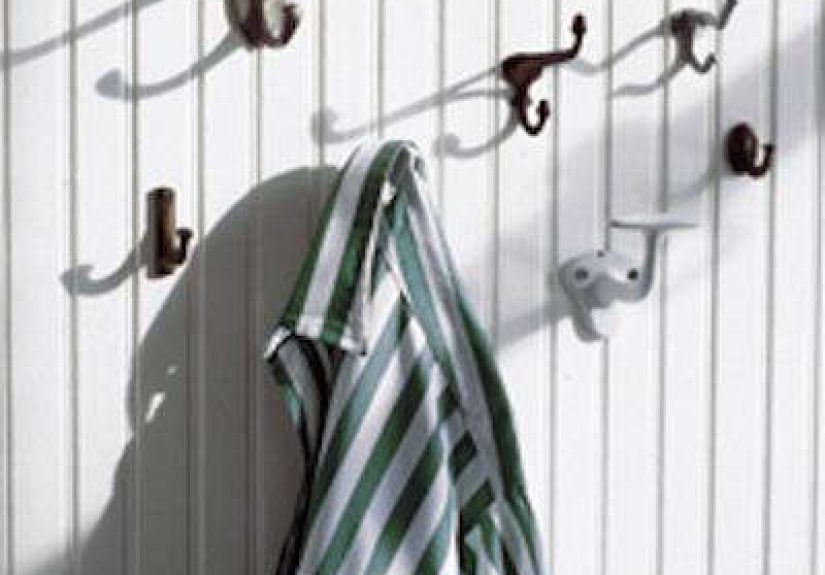
In a traditional entryway, pair brass hooks with dark wood, framed art, a runner rug, and a small bench. In a farmhouse mudroom, use black cast iron hooks on white beadboard. In a bathroom, combine porcelain-tipped hooks with subway tile or painted millwork. For an Art Deco touch, choose chrome or nickel hooks with geometric backplates and pair them with a round mirror.
Antique hooks also work beautifully as small accents in unexpected places. Install one beside a bed for a robe, near a kitchen door for an apron, inside a closet for handbags, or beside a desk for headphones. A hook may be small, but it can solve the daily problem of “where did I put that?” with impressive dignity.
Original Antiques vs. Reproduction Hooks
Original antique hooks offer authentic age, patina, and history. They are often one-of-a-kind or available only in small groups. That makes them wonderful for collectors and old-house enthusiasts. The downside is that finding a matching set can take patience, and condition may vary.
Reproduction hooks are newly made but based on historical designs. High-quality reproductions made from solid brass, bronze, or cast iron can be excellent for homeowners who want period style with consistent sizing and reliable supply. They are especially useful for larger projects such as mudrooms, closets, inns, restaurants, or historic-style renovations.
The best choice depends on your goal. If you are restoring a historic home and want authenticity, original hooks may be worth the hunt. If you need eight matching hooks by next Friday, reproductions may save your sanity. Both can be beautiful when chosen thoughtfully.
Are Antique Coat Hooks Worth Collecting?
Yes, especially if you enjoy architectural salvage, old-house details, or useful antiques. Coat hooks are relatively small, often affordable compared with larger antiques, and easy to display or store. They also offer a fascinating look at design history. A single hook can reveal changes in manufacturing, taste, materials, and daily life.
Collectors often look for unusual forms, original finishes, maker marks, complete sets, rare materials, or hooks from specific design periods. Hall tree hooks, railroad hooks, schoolhouse hooks, hotel hooks, and decorative Victorian hooks can be particularly appealing. Even simple hooks can be valuable if they are well made, attractive, and in usable condition.
Experiences with Antiques & Vintage: Coat Hooks
Spending time with antique and vintage coat hooks teaches you that small things can completely change the feeling of a room. The first time you replace a flimsy modern hook with a solid brass or cast iron one, the difference is almost funny. Suddenly the wall feels more intentional. The entryway looks more finished. Even hanging up a coat feels slightly more civilized, as if your hallway has developed manners.
One practical experience many homeowners share is the surprise of how different antique hooks feel in the hand. A modern lightweight hook may look fine in a product photo, but an old cast iron double hook has physical presence. It feels dense, cool, and dependable. Brass hooks have their own charm. They warm up visually over time and develop a patina that cannot be rushed, no matter how many “instant aging” tricks the internet invents before breakfast.
Shopping for vintage hooks also sharpens the eye. At first, every dark metal hook may look “old.” After a while, you begin noticing the details: the shape of the mounting holes, the softness of worn edges, the difference between real oxidation and sprayed-on faux aging, the way old brass darkens in recessed areas, and the way cast iron carries tiny imperfections from the mold. You also learn to flip pieces over. The back often tells the truth. A perfectly clean backside on a supposedly 120-year-old hook deserves a raised eyebrow.
Installing antique hooks can be deeply satisfying, but it also teaches respect for walls. A hook that held a gentleman’s overcoat in 1905 still needs proper support in 2026. Mounting hooks into studs or a secured backboard is usually worth the extra effort. The reward is a rack that can handle real life: coats, bags, hats, umbrellas, and guests who believe one hook can hold their entire luggage situation.
Another enjoyable experience is mixing hooks from different eras. A row of mismatched antique hooks can look charming if there is one unifying element, such as similar finish, spacing, or backboard color. For example, black cast iron hooks of slightly different shapes can feel collected rather than chaotic. Brass hooks with varied silhouettes can look elegant when mounted on a stained oak board. The secret is controlled imperfection. Too perfect can feel flat; too random can look like the junk drawer escaped.
Vintage coat hooks also make excellent starter pieces for people new to antiques. They are smaller than furniture, easier to ship, and less intimidating than buying a large architectural element. You can experiment with style without rearranging your entire house. A Victorian hook in a powder room, a schoolhouse hook in a mudroom, or a mid-century peg rail in a bedroom can add character in an afternoon.
The best part is that antique hooks invite daily use. They are not antiques trapped behind glass. They participate in the household. They hold the raincoat after a storm, the tote bag after the farmers market, the dog leash before a walk, and the hat you swear you will remember tomorrow. They bring history into ordinary routines, which is exactly why they remain so appealing. A good vintage hook does not just decorate a home. It quietly helps the home function better, and it looks handsome while doing it.
Conclusion
Antique and vintage coat hooks prove that practical hardware can have personality, history, and style. Whether you love ornate Victorian brass, rugged cast iron, Arts and Crafts simplicity, Art Deco shine, or mid-century minimalism, the right hook can turn an empty wall into a useful design feature. The key is to choose pieces with solid materials, honest condition, safe mounting options, and a style that fits your space.
For homeowners, collectors, decorators, and old-house enthusiasts, vintage coat hooks are a small investment with a big visual payoff. They organize clutter, preserve architectural character, and add the kind of detail that makes a room feel layered rather than generic. In other words, they do what the best antiques always do: they make everyday life feel a little richer, a little warmer, and much less likely to involve coats piled on a chair.
Note: This article is based on synthesized information from reputable U.S. antiques, preservation, architectural salvage, interior design, home improvement, and vintage hardware references. Direct source links and citation tags have been intentionally omitted for clean web publishing.