Table of Contents >> Show >> Hide
- What Makes Muun Different?
- The Story Behind the Brand
- From Ghana to Paris: Why the Two-City Identity Matters
- The “Cause” in Baskets for a Cause
- Why Muun Works So Well in Paris
- How Fashion Media Turned Muun into a Cult Favorite
- Materials, Shape, and the Quiet Intelligence of Design
- Muun and the New Meaning of Luxury
- A Longer Look: The Experience of Muun in Paris
- Conclusion
Some bags are loud. They arrive jangling with logos, hardware, and enough status anxiety to need their own therapist. Muun is not that bag. Muun walks into the room quietly, sits near the window, orders something elegant, and somehow becomes the most interesting thing there. That is the magic of this Paris-linked label: it makes a basket bag feel less like a summer fling and more like a thoughtful design object with a passport, a point of view, and a conscience.
At first glance, Muun’s appeal seems simple. The shapes are clean. The materials are natural. The styling is effortless in that maddeningly French way that suggests nobody tried very hard, even though somebody absolutely did. Look a little closer, though, and the story gets richer. Muun is not just selling straw bags for sunny days and farmers’ market selfies. It is building a conversation between Ghanaian weaving traditions, Parisian finishing, and a wider idea of fashion that values human skill as much as aesthetic charm.
That is why the title “Baskets for a Cause” actually fits. With Muun, the basket is not merely cute. It carries a real story about craft, fairer value, long-term collaboration, and design that respects where it came from. In a fashion landscape that can sometimes feel like a relay race of trends wearing fake mustaches, Muun offers something steadier: beauty with roots.
What Makes Muun Different?
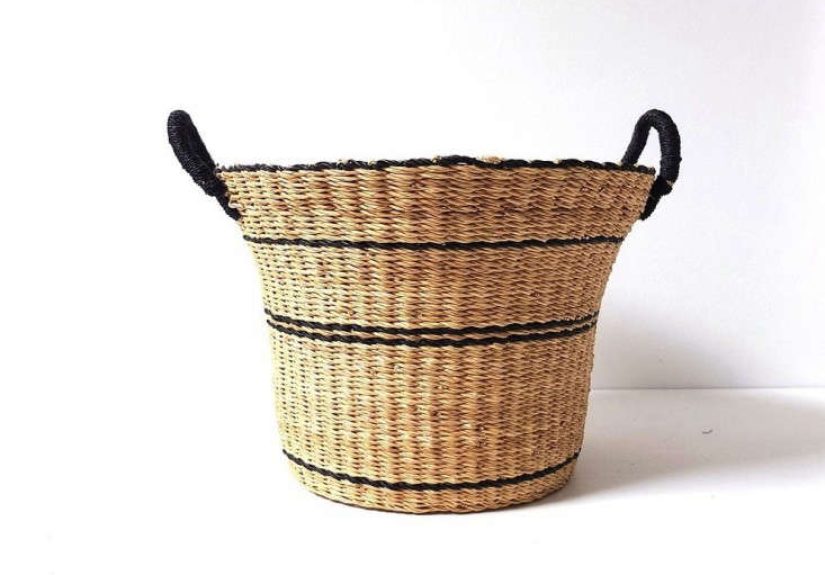
Muun stands out because it treats the basket bag as more than a seasonal accessory. The brand reworks a traditional woven form into something timeless, structured, and unexpectedly versatile. Its bags often feature one of the house’s most recognizable details: a removable inner pouch that softens the silhouette, adds practicality, and turns a rustic basket into a polished city companion. It is a clever design move, and also a charming one. A Muun bag looks like it has layers because, well, it literally does.
The design language is part of the appeal. Muun is associated with Scandinavian restraint, Japanese minimalism, and the relaxed intelligence of Paris style. That mix explains why the bags feel neither overly bohemian nor aggressively precious. They can be worn with linen, denim, tailoring, cotton poplin, leather sandals, or a black dress that says, “I just threw this on,” while clearly meaning, “I know exactly what I’m doing.”
Fashion editors noticed that balance years ago. Basket bags have long floated in and out of trend coverage, often tied to the enduring Jane Birkin effect, but Muun repeatedly earned attention because its versions felt refined enough for city wear. In other words, these were not bags destined to retire after one beach weekend and a slightly tragic sunscreen spill. They were built for real wardrobes.
The Story Behind the Brand
The heart of Muun’s story begins in Ghana, where Audrey David encountered basket weavers during a personal journey and connected with Tahiru, a maker with deep expertise in West African straw weaving. What started as admiration became collaboration. The original problem was not a lack of talent. It was a lack of fair value. Skilled artisans were producing beautiful work, but the prices paid to them were too low to create real stability.
Muun grew from that gap between worth and payment. The idea was not to “save” craftsmanship with a dramatic fashion cape fluttering in the wind. It was to create a more respectful system around it. That meant quality development, product evolution, new design possibilities, and better economic outcomes for the people doing the weaving. The brand’s identity has remained tied to that mission: take an existing traditional object, honor its logic, and build a better market around it.
That social dimension matters because it changes the meaning of the finished product. A Muun bag is not ethical just because it uses natural materials or looks earthy in a tasteful Instagram square. Its ethical value comes from the longer process behind it: training, collaboration, fairer pricing, and an ongoing effort to preserve craft while expanding opportunity. That is a much less flashy story than many fashion campaigns like to tell, but it is also a much more credible one.
From Ghana to Paris: Why the Two-City Identity Matters
Muun’s production story is central to its charm. The bags are handwoven in Ghana and then finished with details and assembly work in France, including Paris-linked ateliers and the brand’s French workshop network. That Ghana-to-Paris movement is not a marketing gimmick. It is the brand’s structure, and it explains why the bags feel so distinctive. They are both grounded and polished, traditional and edited, artisanal and urban.
Paris plays an especially important role in how Muun is perceived. Paris does not merely provide a mailing address or a stylish backdrop for moody product photography. It supplies the finishing vocabulary: the restraint, the styling discipline, the refusal to overdecorate, and the confidence to let texture do the talking. The result is a basket bag that belongs just as naturally near a Left Bank café table as it does at a weekend market or a summer dinner party.
That dual identity also keeps Muun from feeling generic. Plenty of woven bags are beautiful. Far fewer feel like they come with a design philosophy. Muun’s bags are shaped by both origin and editing. Ghana gives them soul, texture, and lineage. Paris gives them precision, wearability, and the kind of understated confidence that never has to shout.
The “Cause” in Baskets for a Cause
When people hear “for a cause,” they often imagine a limited-edition campaign, a ribbon, or a charity tie-in printed next to a checkout button. Muun offers something more interesting. The cause is built into the product itself. The basket is the cause, in a way, because it keeps a weaving tradition alive while helping move more value back toward the people who make it.
That mission extends beyond the original weaving network. Muun has also spoken about working with disabled workers in France, supporting women near the end of their careers who have trouble finding employment, and involving women in Georgia who knit the brand’s winter wool bags. This wider network matters because it shows Muun is not chasing a single feel-good origin story and calling it a day. It is gradually building a craft ecosystem.
That does not mean every Muun bag should be treated like a tiny moral lecture with handles. It simply means the brand proves that fashion can be elegant and thoughtful at the same time. Imagine that: a stylish accessory with both personality and principles. What a radical concept.
Why Muun Works So Well in Paris
Muun feels especially at home in Paris because the city rewards nuance. In many places, accessories are expected to perform obvious status. In Paris, style often works best when it looks edited, lived-in, and slightly offhand in the most artful way possible. Muun fits that mood beautifully. A woven bag with a clean shape and subtle finishing details feels smart rather than showy.
There is also the matter of texture. Paris style has always understood the power of contrast: crisp shirt with old jeans, masculine blazer with flat sandals, polished coat with a basket carried like it belongs there. Muun’s bags slip perfectly into that formula. Their woven surfaces add warmth to minimal outfits and loosen up more tailored looks. They bring a little sun into the city without turning every sidewalk into a beach fantasy.
The brand’s presence at Paris stockists such as Merci, Le Bon Marché, French Trotters, and De Novembre reinforces that relationship. These are not accidental placements. They signal that Muun belongs inside a Paris retail culture that values curation, craft, and objects with a story. In that context, the bag becomes more than an accessory. It becomes a small design statement about taste, restraint, and how modern luxury can still feel human.
How Fashion Media Turned Muun into a Cult Favorite
Muun did not become beloved by accident. Editorial fashion coverage helped turn the brand into a cult object by consistently framing its bags as smarter alternatives to trend-chasing summer accessories. Writers and stylists highlighted basket bags as a continuing warm-weather essential, but Muun often stood out because its versions looked structured enough for everyday city use. That distinction was crucial.
In trend language, Muun helped move the basket bag from beach cliché to urban staple. It became the kind of item fashion people carried with striped shirts, tailored trousers, black sandals, white dresses, and oversized blazers. Translation: the bag graduated from picnic prop to wardrobe regular. Once that happened, Muun’s appeal widened. It was no longer just a charming novelty. It was a legitimate style solution.
That editorial attention also reinforced the idea that Muun was timeless rather than merely trendy. The bags have been resurfacing in seasonal fashion coverage for years because they sit at the intersection of several enduring desires: natural materials, handmade quality, easy elegance, and pieces that look expensive without needing to sparkle like a chandelier in a talent show.
Materials, Shape, and the Quiet Intelligence of Design
One reason Muun continues to resonate is that the design does not fight the material. Straw, raffia, cotton, wool, linen, and leather are allowed to look like themselves. The bags are tactile, not overworked. Their beauty comes from proportion, contrast, and finish rather than decorative overload.
That restraint is harder to achieve than it looks. Minimal design has a nasty habit of exposing every weak decision. If the shape is wrong, you see it immediately. If the texture feels cheap, there is nowhere to hide. If the details are fussy, the whole illusion collapses. Muun succeeds because the forms are balanced and the details are intentional. The removable pouches soften the bags and make them functional. The handles and trims sharpen the silhouettes. The result feels collected, not cluttered.
There is also a durability to the concept. A good Muun bag can move between vacation dressing and city dressing, summer and shoulder season, casual looks and slightly more polished outfits. That flexibility gives the bag a longer life, which may be one of the least glamorous but most meaningful definitions of sustainability. A bag that keeps being useful is a bag that keeps earning its place.
Muun and the New Meaning of Luxury
Luxury used to rely heavily on rarity, polish, and the performance of exclusivity. Muun suggests a slightly different model. Here, luxury comes from slowness, handwork, material honesty, and the confidence to make something simple extremely well. That is a more modern form of desirability because it speaks to how many shoppers now think. They want beauty, yes, but they also want context. They want something to feel made, not merely manufactured.
In that sense, Muun belongs to a broader movement in fashion: the return of appreciation for visible craftsmanship. People are increasingly drawn to objects that show the hand behind them. The tiny irregularities, the woven structure, the tactile surface, the sense of labor and knowledge embedded in the form all of that reads as meaningful in a world saturated with polished sameness.
Muun’s success shows that consumers do not have to choose between conscience and style. They can carry something visually compelling that also reflects a better, or at least more thoughtful, way of making fashion. That is not perfection. No fashion system is perfect. But it is a credible direction, and credibility is surprisingly chic.
A Longer Look: The Experience of Muun in Paris
What It Feels Like to Encounter the Brand in Real Life
To understand Muun fully, it helps to imagine the experience around it, not just the object itself. Picture a bright afternoon in Paris when the weather is doing that miraculous thing where it feels cinematic but still practical enough for walking. You step into a thoughtfully curated shop, the kind with airy displays, quiet confidence, and enough natural light to make every object look like it has a backstory. Then you spot the basket bags.
At first, the Muun pieces do not demand attention. They are not trying to outshine everything else in the room. They sit there calmly, their woven surfaces catching the light, their cotton pouches peeking out just enough to suggest softness inside structure. You move closer. The scale feels right. The materials feel real. The bag is light, but not flimsy. Clean, but not sterile. It has the rare quality of seeming both designed and alive.
You imagine carrying it through Paris for a day. Not in a fantasy montage where you somehow own a perfect trench coat, a tiny dog, and an apartment with moldings. A real day. Metro stairs. Coffee run. Bookstore stop. Last-minute flowers. A museum if you are feeling ambitious, or at least culturally adjacent. The Muun bag works because it does not fight those activities. It adds texture and personality without becoming a burden. It looks special, but not precious. That is a huge difference.
There is also an emotional effect that is harder to define but easy to feel. A Muun bag makes you more aware of touch: the woven body, the fabric pouch, the handle in your hand. In a city full of visual overload, that tactility feels grounding. It reminds you that style does not have to be loud to be memorable. Sometimes elegance works by slowing your attention down.
Then there is the deeper layer of the experience: knowing the bag represents more than a trend. Once you understand the Ghana-to-Paris journey behind it, the object changes. It no longer reads as “nice basket bag.” It becomes a record of collaboration. A piece of fashion that connects geography, labor, taste, and time. That awareness does not make the bag heavy. It makes it richer.
And perhaps that is the best way to describe Muun in Paris. It feels like a meeting point. Between handcraft and fashion. Between practicality and beauty. Between a traditional basket and a modern wardrobe. Between the easy charm of summer and the discipline of great design. You carry it, and somehow it makes daily life feel a little more composed, a little more tactile, and a lot less generic.
Not every accessory deserves that kind of reflection, of course. Some are just there to hold your phone and snack wrappers in peace. But Muun invites a larger response because it stands for an idea: that well-made things can still be warm, that global craftsmanship can still feel intimate, and that Paris style is most persuasive when it has substance behind the silhouette.
So yes, Muun in Paris is about baskets. But it is also about values, editing, texture, and the slow burn of good design. It is proof that a woven bag can carry more than your essentials. It can carry history, intention, and a quietly radical idea of what fashion should be.
Conclusion
Muun has earned its reputation by doing something surprisingly rare in modern fashion: making an object that is beautiful, useful, and genuinely meaningful without becoming self-important. Its bags draw strength from Ghanaian weaving traditions, refinement from French finishing, and emotional resonance from a business model built around respect for artisans and long-term craft value. In Paris, that formula feels especially potent. The city understands the power of restraint, and Muun turns restraint into seduction.
If you are looking for a fashion story that goes beyond trend reports and vacation styling tips, Muun is worth your attention. These are baskets, yes. But they are also case studies in how thoughtful design can honor origin, support makers, and still look fantastic with a white shirt and good sandals. Honestly, that is a pretty excellent résumé for a bag.