Table of Contents >> Show >> Hide
- Quick Picks: Best Electric Pressure Washers 2025
- How to Judge an Electric Pressure Washer Without Falling for Silly Marketing
- The Best Electric Pressure Washers 2025
- 1. Greenworks Pro GPW3000 / GPW3001 Best Overall
- 2. Ryobi 1900 PSI 1.2 GPM Best Everyday Value
- 3. Sun Joe SPX3000 Best Budget Pick
- 4. Westinghouse ePX3100v Best Portable Option
- 5. DeWalt DWPW3000 Best Compact Heavy-Duty Choice
- 6. Craftsman CMEPW1900 Best Budget Alternative
- 7. Karcher K4 Power Control Best Premium Control-Focused Washer
- What PSI Range Do You Actually Need?
- What to Watch Out for in 2025
- So, Which Electric Pressure Washer Should You Buy?
- Real-World Experience: What Owning an Electric Pressure Washer Actually Feels Like
- Conclusion
If your patio looks like it survived a swamp documentary, your siding has that tired gray film, or your driveway is wearing last year’s dirt like a badge of honor, an electric pressure washer can be a ridiculously satisfying fix. The best electric pressure washers in 2025 are more powerful, easier to store, and less annoying to maintain than the clunky machines many homeowners remember. No gas cans. No engine tantrums. No Saturday morning pull-cord workout.
After reviewing hands-on testing trends, certification guidance, safety updates, and official product specs, one thing is clear: the category is no longer just about raw PSI. The winners balance pressure, flow rate, mobility, hose quality, storage, nozzle options, and honest performance claims. In other words, the best machine is not the one with the loudest marketing. It is the one that actually helps you clean the porch without making you mutter at the hose.
Below are the best electric pressure washers for 2025, plus a buyer’s guide to help you choose the right model for cars, patios, siding, decks, walkways, and the occasional grime emergency.
Quick Picks: Best Electric Pressure Washers 2025
| Category | Model | Why It Stands Out |
|---|---|---|
| Best Overall | Greenworks Pro GPW3000 / GPW3001 | Serious cleaning power, strong testing consensus, brushless motor, premium build |
| Best Everyday Value | Ryobi 1900 PSI 1.2 GPM | Easy to use, compact, affordable, and more capable than its numbers suggest |
| Best Budget Pick | Sun Joe SPX3000 | Great features for the money, dual detergent tanks, reliable light-to-medium cleaning |
| Best Portable Option | Westinghouse ePX3100v | Lightweight, easy to move, compact footprint, solid home-use performance |
| Best Compact Heavy-Duty Choice | DeWalt DWPW3000 | Jobsite-style build, smart internal storage, big power in a tidy package |
| Best Budget Alternative | Craftsman CMEPW1900 | User-friendly, practical, and a smart pick for first-time buyers |
| Best Premium Control-Focused Washer | Karcher K4 Power Control | Versatile, polished, and easy to dial in for different surfaces |
How to Judge an Electric Pressure Washer Without Falling for Silly Marketing
Pressure washer marketing can get theatrical fast. One box screams about monster PSI. Another promises “extreme cleaning power” in a machine that looks like it should also make cappuccinos. The smarter approach is to look at the full package.
PSI matters, but it is not the whole story
PSI tells you how forcefully the water hits the surface. That matters for loosening dirt, mildew, and stuck-on grime. For lighter jobs like outdoor furniture, grills, bikes, and cars, a lower- to mid-range electric model is usually enough. For tougher jobs like concrete, brick, and neglected patios, you will want more power.
GPM matters just as much
GPM, or gallons per minute, tells you how much water the washer moves. Higher flow helps rinse debris away faster. A washer with decent PSI and healthy water flow often feels stronger in the real world than a machine with flashy PSI but limited rinse ability.
Look for certified ratings
This is the part many buyers skip. Some pressure washers advertise numbers that sound suspiciously heroic for the price. That is why certification matters. A model with PWMA or CETA-certified performance is usually a safer bet, because those ratings are closer to reality. Translation: less fantasy, more actual cleaning.
Design counts more than people expect
A pressure washer can have strong specs and still be a pain to own. Stiff hoses, awkward wheels, poor storage, flimsy wands, and nozzle chaos can make a good cleaning session feel like assembling a spaceship. The best machines are the ones you will actually want to pull out of the garage instead of avoiding for six months.
The Best Electric Pressure Washers 2025
1. Greenworks Pro GPW3000 / GPW3001 Best Overall
If you want the strongest all-around recommendation for 2025, Greenworks is the model to beat. This washer keeps showing up near the top for one simple reason: it delivers genuinely serious electric performance without crossing into gas-powered drama queen territory.
What makes it special is the combination of high pressure, useful water flow, brushless motor technology, five nozzles, and thoughtful storage. It is the kind of machine that feels at home cleaning a filthy driveway one weekend and blasting winter grime off patio furniture the next. It also tends to earn praise for faster concrete cleaning than smaller electric models, which is where many machines start to feel outmatched.
The tradeoff is weight and price. This is not the little featherweight you carry around with one hand while sipping iced coffee. It is a more serious homeowner tool. But if you want one electric pressure washer that can handle light jobs, medium-duty chores, and several tougher cleaning tasks without apology, this is the best overall choice.
2. Ryobi 1900 PSI 1.2 GPM Best Everyday Value
Ryobi’s 1900 PSI class continues to be a sweet spot for regular homeowners. It does not look intimidating. It does not cost a fortune. And it punches above its weight on common chores like washing porches, freshening up siding, cleaning patio furniture, and giving cars a proper bath.
What makes this washer so appealing is how approachable it feels. It is compact, easy to move, and simple to store. Multiple testers have found that despite its modest-looking specs, it cleans surprisingly well on everyday surfaces. That is exactly what a value pick should do: no chest-thumping, just useful performance.
This is the model for people who want a pressure washer they will actually use regularly instead of only dragging out for annual deep-cleaning guilt. For first-time buyers, small households, or anyone who mostly wants a machine for seasonal maintenance, this Ryobi makes a lot of sense.
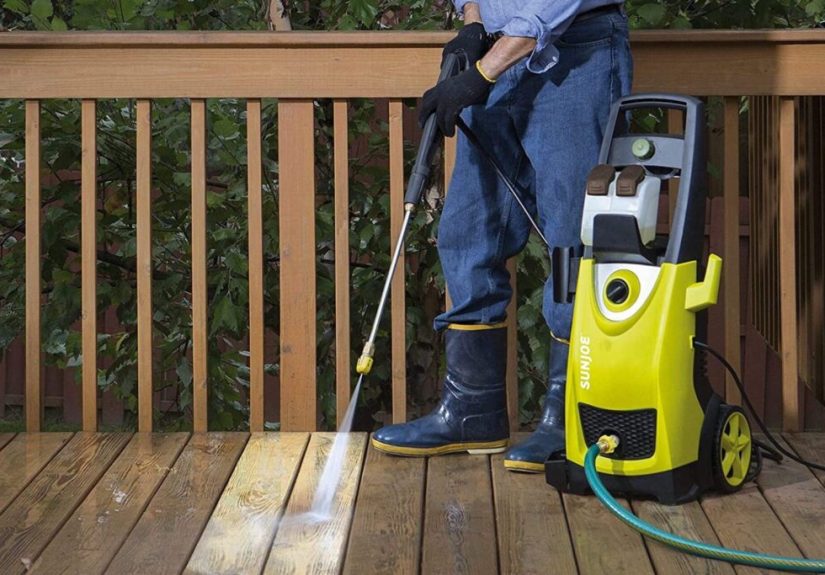
3. Sun Joe SPX3000 Best Budget Pick
The Sun Joe SPX3000 is the pressure washer equivalent of that affordable kitchen gadget you bought with low expectations and somehow ended up using constantly. It remains popular because it offers a lot for the money: respectable power, a manageable size, onboard storage, and those handy dual detergent tanks that make soap application easier than it has any right to be at this price.
Is it the toughest washer in the category? No. Is it still one of the best budget electric pressure washers for patios, decks, siding touch-ups, cars, and general outdoor cleanup? Absolutely.
It is especially appealing for buyers who want an entry-level model that does not feel stripped down. If your cleaning list is mostly cars, walkways, patio furniture, grills, and smaller concrete jobs, this model gives you a lot of satisfaction without demanding premium money.
4. Westinghouse ePX3100v Best Portable Option
Some pressure washers clean well but behave like stubborn luggage. The Westinghouse ePX3100v earns its place by being easier to live with. It is light, compact, portable, and designed for homeowners who care almost as much about maneuverability as they do about power.
This is a great fit for users who do not want a bulky washer eating up half the garage. It is also a smart pick for people who move around the property a lot while cleaning, especially when working around cars, patio edges, steps, or awkward corners. The detachable foam cannon is a nice bonus for vehicle cleaning and light detailing work.
Think of it as the practical, low-fuss choice. It is not trying to be the king of concrete restoration. It is trying to make routine outdoor cleaning less annoying, and it does that very well.
5. DeWalt DWPW3000 Best Compact Heavy-Duty Choice
If your taste in tools runs toward “built like it means business,” DeWalt deserves a long look. The DWPW3000 combines strong power with a compact, jobsite-style frame that stores more neatly than many full-size electric washers.
The appeal here is not only the power. It is the design. Internal storage, multiple grab points, wheels, a retractable handle, and a more organized overall layout make this washer feel like it was designed by people who have actually had to put one away after use. Revolutionary concept, honestly.
Its flow rate is not the highest in the field, so it may not rinse as quickly as some broader-flow competitors. But for buyers who want an electric washer that feels durable, compact, and premium while still delivering hard-hitting performance, this DeWalt is one of the strongest options in the 2025 market.
6. Craftsman CMEPW1900 Best Budget Alternative
The Craftsman CMEPW1900 is one of those machines that makes a lot of practical sense. It is not flashy. It is not trying to win a spec-sheet shouting contest. It just gives homeowners a comfortable, manageable washer with enough power for common outdoor chores.
That is why it keeps earning “best value” type attention. The turbo nozzle helps it clean beyond what you might expect from a 1900 PSI machine, and its overall design feels beginner-friendly. If you want a reliable washer for patios, deck railings, grills, fences, and car washing, this is a very reasonable buy.
For many people, this model hits the “good enough to be genuinely useful, affordable enough to feel smart” zone. That is a crowded category, but Craftsman holds its ground well.
7. Karcher K4 Power Control Best Premium Control-Focused Washer
Karcher has long had a strong reputation in pressure washers, and the K4 Power Control is a good example of why. It tends to appeal to buyers who want a more refined user experience, better control across different surfaces, and a premium-feeling machine that is versatile rather than brute-force obsessed.
This model is especially attractive if you switch between delicate and tougher cleaning tasks. Cars, siding, patio furniture, and general home exteriors benefit from a washer that feels easier to tune and easier to trust. Instead of treating every surface like it owes you money, the K4 gives you a little more finesse.
It is not the cheapest option, but for people who care about ease of use and surface versatility, it is one of the more polished choices on the board.
What PSI Range Do You Actually Need?
For cars, bikes, outdoor furniture, and grills
Look in the lighter electric range. You do not need a driveway-blasting monster to wash pollen off patio chairs or road grime off a crossover. In fact, too much force can be a terrible idea on delicate surfaces.
For decks, fences, patios, and moderate siding cleanup
A mid-range electric washer is often the best sweet spot. This range handles typical homeowner jobs well without becoming excessive, and it tends to be easier to store and move around.
For concrete, brick, and tougher grime
If you regularly clean stained driveways, masonry, or larger hardscape areas, step up to a stronger electric model. This is where models like the Greenworks Pro or DeWalt compact electric units make more sense. Higher pressure and better rinse performance can save a lot of time.
What to Watch Out for in 2025
Inflated performance claims
Not every pressure washer number deserves your trust. Prioritize brands and models with tested reputations, realistic ratings, and certification where available. If a suspiciously cheap machine claims superhero-level power, it is probably telling a very imaginative story.
Bad hose management
A stiff or awkward hose can make cleaning feel twice as long. Good storage, better flexibility, and easy reel or wrap systems matter more than most people think.
Overbuying
A 3000 PSI electric machine sounds great, but not everyone needs one. If you mostly wash cars and patio furniture, a smaller unit may be easier to handle, easier to store, and kinder to paint and trim.
Safety and recall awareness
If you are shopping Ryobi models, double-check model numbers before buying new, open-box, or used units. Not every Ryobi washer is affected, but some recalled models have been part of a major safety notice. That alone makes model verification worth the extra minute.
So, Which Electric Pressure Washer Should You Buy?
If you want the best overall electric pressure washer for 2025, buy the Greenworks Pro GPW3000 / GPW3001. It offers the strongest mix of power, versatility, and real-world credibility.
If you want the smartest value for normal home chores, buy the Ryobi 1900 PSI or Craftsman CMEPW1900. If you want to spend less but still get a satisfying machine, the Sun Joe SPX3000 remains a budget favorite for a reason. If portability matters most, go for the Westinghouse ePX3100v. If you want a compact, premium-feeling powerhouse, the DeWalt DWPW3000 is the move. And if you prefer smoother control and a more polished premium experience, the Karcher K4 Power Control is a strong pick.
Bottom line: the best electric pressure washer is the one that matches your surfaces, your storage space, and your patience level. Because the machine that looks amazing on paper but annoys you every time you uncoil the hose is not really the best machine at all.
Real-World Experience: What Owning an Electric Pressure Washer Actually Feels Like
Here is the part that spec charts never capture very well: living with an electric pressure washer is less about one dramatic before-and-after photo and more about a long series of satisfying little wins. The first time most homeowners use one, the reaction is usually some variation of, “Wait, that section was supposed to be that color?” You start with one dirty square on the patio and suddenly you are cleaning everything in sight, including things that were not technically on the to-do list. Outdoor rug? Sure. Trash cans? Why not. That weird mildew line behind the flowerpots? It is about to have a bad day.
For many people, the best experience comes from how approachable electric models feel. You plug them in, connect the hose, pick a nozzle, and get to work. There is no gas smell, no oil mixing, and no startup ritual that makes you feel like you are preparing farm equipment for battle. That simplicity matters. It turns the pressure washer from a “maybe once a year” tool into something you can actually use when the siding gets grimy or the patio starts looking tired halfway through spring.
Another real-world lesson is that portability and storage become a bigger deal the longer you own the machine. On day one, everyone talks about PSI. By month six, you care just as much about whether the hose kinks, whether the wand stores neatly, and whether the unit rolls without tipping over like a grocery cart with a grudge. A well-designed washer saves more frustration than a few extra bragging-right numbers ever will. That is why compact DeWalt, Ryobi, Westinghouse, and Karcher-style designs are so appealing for actual homeowners with actual garages full of bikes, bins, paint cans, and half-finished DIY ambition.
There is also a learning curve, but it is a friendly one. Most users figure out pretty quickly that the right nozzle and distance matter more than pure aggression. New owners often begin with a little too much enthusiasm and a little too little patience. Then they learn the golden rule: let the machine work. Use soap when needed, keep a steady angle, and do not blast one tiny spot from two inches away like you are interrogating the concrete. Once that clicks, cleaning gets faster, safer, and oddly enjoyable.
And yes, there is a strangely addictive side to owning one. You begin by pressure washing the driveway because it needs it. Then you notice the fence. Then the walkway. Then the patio furniture. Then the garden edging. Then you start eyeing your neighbor’s dingy retaining wall with professional curiosity. The best electric pressure washers in 2025 fit into that pattern beautifully because they are powerful enough to be useful, but still convenient enough to use often. That balance is what turns a pressure washer from a novelty purchase into a genuine home-maintenance workhorse. In plain English: once you buy a good one, you will probably wonder why you waited so long.
Conclusion
The electric pressure washer market in 2025 is in a very good place for homeowners. You no longer have to choose between weak and convenient or powerful and obnoxious. Today’s best models offer serious cleaning ability, better storage, smarter design, and more honest performance than many older machines did. Whether you want a budget-friendly patio saver, a compact premium unit, or a driveway-cleaning beast without the gas-engine headache, there is a strong option waiting for you.
And that is good news for your house, your deck, your car, and your driveway. Maybe not for the dirt. The dirt is having a rough year.