Table of Contents >> Show >> Hide
- What Are Crow’s Feet?
- How Botox Works for Crow’s Feet
- Who Is a Good Candidate?
- What Happens During the Procedure?
- Botox Results Timeline: When Will You See a Difference?
- Common Side Effects of Botox for Crow’s Feet
- Rare but Serious Risks
- Botox Recovery: What to Expect After Treatment
- How Much Does Botox for Crow’s Feet Cost?
- Why Prices Vary So Much
- Botox vs. Other Neuromodulators
- How to Choose a Botox Provider
- How to Make Results Last Longer
- When Botox May Not Be Enough
- Frequently Asked Questions
- Experience Section: What Botox for Crow’s Feet Often Feels Like in Real Life
- Conclusion
- SEO Tags
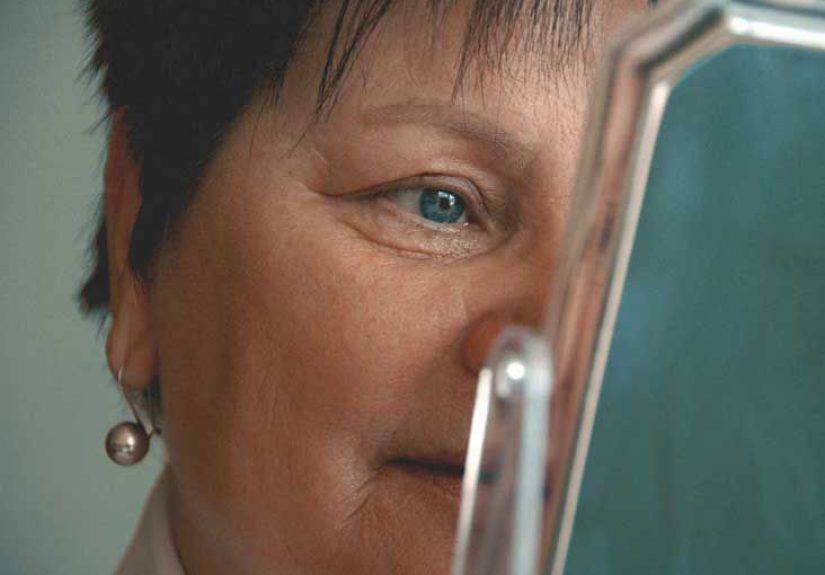
Crow’s feet are those small fan-shaped lines that appear at the outer corners of the eyes when you smile, laugh, squint, or give someone the “I know you ate the last cookie” look. They are incredibly common, completely normal, and often show up because the skin around the eyes is thin, expressive, and exposed to years of sunlight, facial movement, and life in general.
For adults who want to soften these lines without surgery, Botox for crow’s feet is one of the most popular cosmetic treatments in the United States. It is quick, usually involves little to no downtime, and can create a smoother, more rested appearance when performed by a licensed and experienced medical professional. But before booking an appointment, it is worth understanding how Botox works, what side effects are possible, how much it costs, and what recovery really looks like.
This guide breaks down everything in plain English: the science, the price range, the healing timeline, the red flags, and the real-world experience of getting Botox around the eyes.
What Are Crow’s Feet?
Crow’s feet, also called lateral canthal lines, are wrinkles that form at the outer corners of the eyes. They often become more noticeable when the orbicularis oculi muscle contracts. That muscle helps you blink, squint, and smile. In other words, it is basically the tiny overachiever responsible for half your facial charm and half your eye-area wrinkles.
There are two main types of crow’s feet:
Dynamic Crow’s Feet
Dynamic lines appear when you move your face. If the lines show up mainly when you smile or squint, they are usually caused by repeated muscle movement. Botox works best on this type because it relaxes the muscle activity that creates the crease.
Static Crow’s Feet
Static lines are visible even when your face is relaxed. These may be related to collagen loss, sun exposure, smoking, dryness, genetics, or natural skin aging. Botox can soften them, but deeper etched lines may also benefit from skin care, laser resurfacing, microneedling, chemical peels, or other treatments recommended by a dermatologist or plastic surgeon.
How Botox Works for Crow’s Feet
Botox Cosmetic is a brand name for onabotulinumtoxinA, a purified form of botulinum toxin type A. In cosmetic use, it is injected in carefully measured tiny amounts into specific facial muscles. Around the eyes, the goal is to reduce the repeated muscle contraction that causes crow’s feet to fold into the skin.
Botox does not fill wrinkles like dermal filler. It does not add volume. It does not turn your face into marble, unless too much is used or the injector takes a “freeze everything and hope for the best” approach. Proper Botox treatment should soften movement while preserving natural expression.
For lateral canthal lines, the FDA-approved BOTOX Cosmetic dosing pattern uses small injections on each side of the face in the outer eye area. The exact placement depends on the patient’s anatomy, smile pattern, eye shape, and where the lines appear. This is one reason choosing a trained provider matters. The eye area is delicate, and millimeters are not just tiny numbers here; they are the difference between polished and problematic.
Who Is a Good Candidate?
Botox for crow’s feet is generally intended for adults with moderate to severe lateral eye lines caused by muscle movement. A good candidate usually has realistic expectations, understands that results are temporary, and wants subtle smoothing rather than a completely motionless face.
You may not be a good candidate, or you may need extra medical review, if you have an infection at the injection site, a history of allergic reaction to botulinum toxin products, certain neuromuscular disorders, significant eyelid drooping, or current pregnancy or breastfeeding. You should also tell your provider about medications, supplements, blood thinners, prior facial procedures, eye conditions, and any history of facial weakness.
The safest consultation is honest. If your health history is treated like a speed bump instead of a serious part of the appointment, consider that a bright flashing sign to find another provider.
What Happens During the Procedure?
A Botox appointment for crow’s feet is usually fast. Many treatments take less than 15 minutes once the consultation is complete. The provider will examine your facial movement, ask you to smile or squint, clean the area, and mark or mentally map the injection points.
The injections are made with a very fine needle. Most people describe the sensation as a quick pinch or tiny sting. It is usually not dramatic. Think less “medical thriller” and more “annoying mosquito with a medical degree.” Some providers use ice or vibration to reduce discomfort, but numbing cream is often unnecessary for such a quick treatment.
After the injections, you can usually return to most normal activities. The skin may look slightly red or raised in tiny bumps for a short time, but this usually settles quickly.
Botox Results Timeline: When Will You See a Difference?
Botox does not work instantly. You will not leave the office with fully smoothed crow’s feet five minutes later, no matter how intensely you stare into your phone camera in the parking lot.
Many people begin noticing subtle changes within a few days. The eye-area movement gradually softens, and the lines may look less sharp when smiling. Results commonly become more visible around one to two weeks. Some official product information notes that full results may be assessed later, so patience is part of the process.
For most adults, Botox results around crow’s feet last about three to four months, although individual results vary. People with stronger facial muscles, faster metabolism, high activity levels, or first-time treatments may notice results fade sooner. Others may find that repeat treatments last slightly longer over time.
Common Side Effects of Botox for Crow’s Feet
Most side effects are mild and temporary, especially when Botox is administered by a qualified professional using authentic product and appropriate dosing. The most common issues are related to the injection itself rather than the toxin.
Mild Redness or Swelling
Small bumps, redness, or slight swelling at the injection points can happen right after treatment. These usually fade quickly and are not typically a reason to panic.
Bruising
Bruising is possible any time a needle enters the skin. The eye area is vascular and delicate, so a small bruise can occasionally appear. It may last several days to about a week. Avoiding alcohol and certain blood-thinning medications or supplements before treatment may reduce bruising, but only stop prescribed medication if your medical provider tells you to.
Tenderness or Mild Headache
Some people experience soreness or a mild headache after treatment. This is usually temporary. Ask your provider what pain reliever is appropriate for you if needed.
Dry or Watery Eyes
Because the treatment is near the eye muscles, some people may notice temporary dryness, watering, or eye irritation. Anyone with preexisting dry eye should mention it before treatment.
Eyelid Swelling or Puffiness
Clinical labeling for Botox Cosmetic has reported eyelid edema in a small percentage of subjects treated for lateral canthal lines. While uncommon, it is one of the more specific side effects associated with crow’s feet treatment.
Asymmetry
One side may look slightly different from the other as Botox begins to settle. Minor asymmetry can happen because faces are naturally asymmetrical. If needed, a provider may evaluate the result after the full effect has developed.
Rare but Serious Risks
Serious reactions are rare, but they are important. Botulinum toxin products carry warnings because the toxin’s effects can, in uncommon situations, spread beyond the injection site. Seek medical care right away if you experience trouble breathing, trouble swallowing, speaking problems, severe muscle weakness, vision changes, or symptoms that feel unusual or severe after treatment.
Risk increases when injections are performed by untrained individuals, when counterfeit or illegally purchased products are used, or when treatment takes place in unsafe settings. The FDA has warned about unapproved, misbranded, and counterfeit botulinum toxin products. A bargain that sounds too good to be true may come with a side of regret, and regret is not a cute accessory.
Botox Recovery: What to Expect After Treatment
Recovery from Botox for crow’s feet is usually simple. Most people return to work, errands, and regular daily life immediately. There is no surgical incision, no bandage, and no dramatic couch-bound recovery montage.
However, aftercare still matters. Your provider may recommend that you avoid rubbing or massaging the treated area for the rest of the day. They may also suggest avoiding strenuous exercise, saunas, hot yoga, facial treatments, or lying flat for several hours. Recommendations vary by practice, so follow the instructions given by your injector.
Makeup may be allowed soon after treatment by some providers, but it should be applied gently. The key word is gently. This is not the moment to buff foundation around your eyes like you are polishing a car.
How Much Does Botox for Crow’s Feet Cost?
The cost of Botox for crow’s feet depends on your location, provider experience, clinic setting, product used, and number of units needed. In the United States, the American Society of Plastic Surgeons reports an average cost of about $435 for botulinum toxin injections, though that figure is a general average and does not include every possible fee.
Many clinics price Botox by the unit. A common real-world range is roughly $10 to $25 per unit, depending on the market and provider. Since labeled dosing for crow’s feet treatment may involve 24 units total for both sides, a simple estimate might land around $240 to $600. Some patients need less or more based on anatomy, strength of muscle movement, desired result, and whether additional areas are treated at the same visit.
Cosmetic Botox is usually not covered by health insurance. If Botox is being used for a medical condition, such as chronic migraine or muscle spasm, coverage rules are different and require medical evaluation. For crow’s feet alone, expect to pay out of pocket.
Why Prices Vary So Much
A cheaper Botox appointment is not automatically unsafe, and a higher price is not automatically better. Still, price can reflect important factors such as injector training, medical oversight, authentic product sourcing, sterile technique, follow-up care, and clinic reputation.
Be cautious with extremely low prices, social media-only injectors, hotel-room treatments, and “Botox parties” where the medical environment is questionable. A professional clinic should be able to explain the product used, the dose, who is administering it, who supervises care, and what happens if you have a complication.
Botox vs. Other Neuromodulators
Botox is not the only injectable wrinkle relaxer. Other neuromodulators include Dysport, Xeomin, Jeuveau, and Daxxify. They all work by temporarily reducing muscle activity, but they are not identical. Dosing units are not interchangeable across brands, and onset or duration may vary.
The best choice depends on your treatment goals, prior response, budget, medical history, and provider preference. If you have had Botox before and felt it wore off too quickly, your provider may adjust the dose, placement, or product. But switching products should be a medical decision, not a game of injectable roulette.
How to Choose a Botox Provider
The provider matters more than the brand name on the vial. Look for a licensed medical professional with specific experience in facial anatomy and cosmetic injections. Dermatologists, plastic surgeons, facial plastic surgeons, and properly trained medical injectors under appropriate supervision are common choices.
Before treatment, ask practical questions:
- What product will be used?
- Is it FDA-approved and obtained from an authorized source?
- How many units do you recommend for my crow’s feet and why?
- What side effects should I watch for?
- What is your plan if I have asymmetry, eyelid issues, or unexpected results?
- When should I return for follow-up?
A trustworthy injector will not be offended by smart questions. In fact, they should welcome them. If the consultation feels rushed, vague, or sales-heavy, your best move may be to keep your wallet and your eyelids moving toward the exit.
How to Make Results Last Longer
Botox is temporary, but good habits can help support better-looking skin between appointments. Daily sunscreen is one of the biggest helpers because UV exposure breaks down collagen and contributes to wrinkles. Sunglasses can reduce squinting, which may help prevent the repeated muscle contraction that deepens crow’s feet.
A simple skin care routine can also support the eye area. Gentle moisturizer, broad-spectrum SPF, and dermatologist-recommended ingredients such as retinoids or peptides may help improve texture over time. Do not apply strong active ingredients too close to the eyes unless the product is designed for that area and your skin tolerates it.
Hydration, sleep, not smoking, and managing allergies can also make the eye area look fresher. Botox handles muscle movement; lifestyle and skin care handle the supporting cast.
When Botox May Not Be Enough
Botox is excellent for movement-related crow’s feet, but it cannot solve every eye-area concern. If your main concern is loose skin, under-eye hollows, dark circles, sun damage, or deep static wrinkles, your provider may discuss other options.
For example, laser resurfacing or chemical peels may improve texture and sun damage. Microneedling may support collagen remodeling. Dermal filler may help volume loss in select patients, but filler around the eyes requires advanced skill because the area is high-risk. Some people may be better candidates for surgical options such as blepharoplasty if skin laxity is significant.
The right plan depends on the cause of the concern. A thoughtful provider will not treat every line with the same tool, just as a chef does not use a blender to make toast.
Frequently Asked Questions
Does Botox for crow’s feet hurt?
Most people describe it as quick and tolerable. The needle is very fine, and the treatment area is small. Discomfort usually lasts only seconds.
Can Botox make crow’s feet worse?
Botox does not typically make crow’s feet worse when performed correctly. However, poor placement, over-treatment, or under-treatment can create results that look unnatural or uneven. As the Botox wears off, normal movement returns.
Will I still be able to smile?
Yes, when Botox is done conservatively and correctly. The goal is to soften excessive creasing, not erase your personality. You should still look like you, just potentially a little more rested.
How often do I need Botox for crow’s feet?
Many adults repeat treatment every three to four months. Treatment too frequently is not generally recommended, and official labeling notes that safety and effectiveness have not been clinically evaluated for dosing more often than every three months.
Can I combine Botox with other treatments?
Yes, many people combine Botox with skin care, lasers, peels, or other cosmetic treatments. Timing matters, so your provider should create a plan that avoids unnecessary irritation or complications.
Experience Section: What Botox for Crow’s Feet Often Feels Like in Real Life
The experience of getting Botox for crow’s feet is usually less dramatic than people imagine. The biggest moment is often not the injection itself but the decision to book the appointment. Many first-time patients arrive with a mix of curiosity, nerves, and a mental slideshow of celebrity faces that look either flawlessly refreshed or suspiciously unable to express surprise. A good consultation helps calm that anxiety because it turns the treatment from a mystery into a plan.
A typical experience starts with the provider asking what bothers you. A helpful answer is specific: “I notice the lines when I smile in photos,” or “I want the corners of my eyes to look softer but still natural.” This gives the injector a better target than simply saying, “Make me younger,” which is both vague and a lot to ask from a tiny syringe.
During the facial assessment, the provider may ask you to smile, squint, relax, and smile again. This can feel slightly awkward, like auditioning for a toothpaste commercial in a medical chair. But it is important. Crow’s feet are dynamic, so the injector needs to see how your muscles move. Some people have lines that fan upward, some downward, and some in a wide sunburst pattern. The injection plan should match your face, not a one-size-fits-all diagram.
The injections themselves are usually quick. You may feel a few tiny pinches on each side. Some people tear up slightly because the eye area is sensitive, not because the pain is intense. Afterward, you may see tiny bumps where the product was placed. These often fade before you finish checking your reflection in the car mirror for the fifth time.
The waiting period is where patience becomes the main character. On day one, you may look exactly the same. By days three to seven, many people notice the smile lines are not folding as deeply. Around two weeks, the result is usually clearer. Friends may not say, “You got Botox,” but they might say, “You look rested,” which is the polite social version of a standing ovation.
The best experiences tend to come from conservative treatment, realistic expectations, and good communication. If you want natural results, say so clearly. If you are nervous about looking frozen, say that too. A skilled injector can often start with a balanced approach and adjust future treatments based on how your face responds.
Recovery is usually easy, but it is not permission to ignore aftercare. Avoid rubbing the area, follow your provider’s instructions, and do not schedule a facial massage immediately afterward. Also, avoid judging your final result too early. Botox is a gradual treatment, not an instant filter.
Emotionally, people respond in different ways. Some love the subtle smoothing and feel more confident in photos. Others decide they liked the idea more than the maintenance. Both reactions are valid. Botox is optional. Crow’s feet are not a flaw; they are evidence that your face has been doing its job. Treatment is simply a personal choice for adults who prefer a softer look around the eyes.
Conclusion
Botox for crow’s feet can be a safe, effective, and relatively quick way for adults to soften dynamic lines around the eyes. The treatment works by temporarily relaxing targeted muscle movement, with results commonly appearing within days and lasting around three to four months. Recovery is usually minimal, but side effects such as redness, swelling, bruising, headache, dry or watery eyes, eyelid puffiness, or asymmetry can occur.
The biggest success factor is not chasing the cheapest deal; it is choosing a licensed, trained provider who uses authentic product, understands facial anatomy, and respects your goal of looking natural. Done well, Botox should not erase expression. It should simply turn the volume down on the lines that show up when you smile, squint, and live your life.
Note: This article is for informational and educational purposes only. It is not medical advice, diagnosis, or a substitute for consultation with a licensed healthcare professional. Anyone considering Botox should speak with a qualified medical provider about risks, benefits, costs, and whether treatment is appropriate for their personal health history.