Table of Contents >> Show >> Hide
- What Is Ginger Ale, Really?
- Why People Drink Ginger Ale for an Upset Stomach
- Does Ginger Help With Nausea?
- Can Ginger Ale Actually Help an Upset Stomach?
- When Ginger Ale Might Make Your Stomach Worse
- Best Ways to Drink Ginger Ale When You Feel Sick
- Better Drinks for an Upset Stomach
- What to Eat With an Upset Stomach
- When to Avoid Ginger Ale
- When to Seek Medical Help
- So, Should You Drink Ginger Ale for an Upset Stomach?
- Practical Examples: When Ginger Ale Makes Sense and When It Does Not
- My Experience-Style Notes on Ginger Ale and Upset Stomach Relief
- Conclusion
Few home remedies have enjoyed a cozier reputation than ginger ale. For generations, it has been the unofficial drink of sick days, airplane queasiness, couch recovery, and that dramatic moment when someone says, “I think I ate something weird.” It sits right beside saltine crackers and chicken soup in the Hall of Fame of Things Grandma Was Pretty Sure Would Fix You.
But here is the fizzy little plot twist: ginger ale may not be the stomach-soothing superstar many people think it is. Ginger itself can help with certain kinds of nausea, but many commercial ginger ales contain very little real ginger, plenty of sugar, and enough carbonation to make a bloated stomach feel like it is hosting a tiny balloon festival.
So, should you drink ginger ale for an upset stomach? The practical answer is: sometimes, in small sips, if it helps you hydrate and does not make symptoms worse. But if you are hoping for the medicinal benefits of ginger, ginger tea, ginger chews, or real ginger may be better choices. Let’s break down what ginger ale can do, what it cannot do, and when your stomach deserves something less bubbly and more useful.
What Is Ginger Ale, Really?
Ginger ale is a carbonated soft drink traditionally flavored with ginger. Classic ginger ale was once closer to a ginger-based tonic, but many modern versions are mostly carbonated water, sweetener, acid, flavoring, preservatives, and sometimes a small amount of ginger extract. In other words, some bottles are more “ginger-inspired” than truly ginger-rich.
There are two broad styles: golden ginger ale and dry ginger ale. Golden ginger ale has a stronger ginger flavor and darker color, while dry ginger ale is lighter, milder, and more common in supermarkets. Neither style automatically guarantees meaningful ginger content. The front label may whisper “ginger” seductively, but the ingredient list tells the real story.
Ginger Ale vs. Real Ginger
The difference between ginger ale and real ginger matters. Fresh ginger root contains active compounds such as gingerols and shogaols, which are believed to influence digestion, inflammation, and nausea pathways. Ginger ale may contain some ginger extract, but it is often present in small amounts. Some ginger ales use natural or artificial flavors instead of a strong dose of actual ginger.
This does not make ginger ale evil. It is a soda, not a villain in a cape. But it also means you should not expect every can of ginger ale to behave like a clinically studied ginger supplement.
Why People Drink Ginger Ale for an Upset Stomach
The ginger ale habit did not appear out of nowhere. It makes sense on paper. Ginger has long been used for digestive discomfort, nausea, and queasiness. A cold, fizzy drink can also feel refreshing when your mouth tastes terrible after nausea or vomiting. Plus, many people associate ginger ale with comfort, childhood care, and being gently forced to sip something while wrapped in a blanket like a human burrito.
There is also a practical reason: when you feel sick, drinking anything may be better than drinking nothing. If ginger ale is the only fluid you can tolerate, small sips may help you avoid dehydration. That said, hydration and nausea relief are not exactly the same thing.
Does Ginger Help With Nausea?
Ginger may help reduce nausea for some people, depending on the cause. Research has found the strongest support for ginger in pregnancy-related nausea, and it may also be helpful for certain cases of postoperative nausea or chemotherapy-related nausea when used appropriately with medical guidance. It is less consistently helpful for motion sickness, and evidence varies by dose, form, and individual response.
Ginger appears to work in several ways. It may support stomach emptying, interact with nausea-related signals in the gut and nervous system, and help calm digestive irritation. That is why ginger tea, capsules, chews, and fresh ginger are often discussed as natural options for nausea.
However, the key word is ginger, not necessarily ginger ale. A soda with a ginger flavor is not the same as a measured amount of ginger root or ginger extract. If your goal is to use ginger for nausea, choose a product that clearly contains real ginger, or make ginger tea with fresh ginger slices.
Can Ginger Ale Actually Help an Upset Stomach?
Ginger ale can help some people feel temporarily better, but usually not for the reason they think. The benefit may come from fluid intake, mild sweetness, cold temperature, familiar taste, or placebo-like comfort. Sometimes, that is enough for mild queasiness.
If you are mildly nauseated but not vomiting heavily, a few slow sips of ginger ale may be soothing. Cold liquids can be easier to tolerate than warm foods when your stomach is staging a protest. The carbonation may also feel settling for some people, especially if they are dealing with mild indigestion.
But ginger ale is not a treatment for stomach flu, food poisoning, severe vomiting, dehydration, acid reflux, or ongoing abdominal pain. It will not “kill a bug,” neutralize food poisoning, or magically restore electrolytes. If only soda could do all that, pharmacies would look very different.
When Ginger Ale Might Make Your Stomach Worse
Ginger ale is not always gentle. In some cases, it can backfire spectacularly. Carbonation can increase gas, bloating, burping, and pressure in the stomach. If your upset stomach already feels swollen or crampy, bubbles may not be your best friend.
Sugar is another issue. A standard serving of regular ginger ale can contain around 30 grams of sugar, depending on the brand and serving size. Sugary drinks can sometimes worsen diarrhea by pulling more water into the intestines. They may also cause blood sugar spikes, which matters for people with diabetes, insulin resistance, or anyone trying to limit added sugar.
Diet ginger ale is not automatically perfect either. Some people are sensitive to sugar alcohols or certain nonnutritive sweeteners, which may contribute to bloating or digestive discomfort. If you notice that diet soda makes your stomach grumble like an unhappy lawn mower, listen to your body.
Best Ways to Drink Ginger Ale When You Feel Sick
If you decide to try ginger ale for an upset stomach, use it strategically rather than chugging it like you just crossed a desert.
Take Small Sips
Start with one or two small sips every few minutes. Large amounts of fluid can stretch the stomach and trigger more nausea. Slow sipping is especially important after vomiting.
Let Some Bubbles Escape
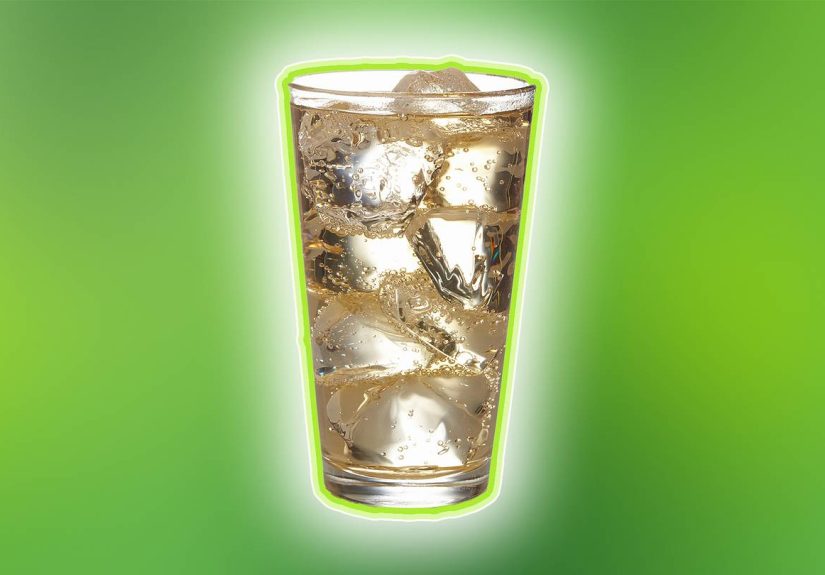
If carbonation bothers you, pour the ginger ale into a glass and let it sit for a few minutes. Flat ginger ale may be easier on a sensitive stomach than a freshly opened can exploding with fizz.
Choose Real Ginger When Possible
Look for ginger ale that lists ginger, ginger extract, or ginger juice on the ingredient label. This does not guarantee a therapeutic dose, but it is better than a drink that only hints at ginger through flavoring.
Watch the Sugar
If you have diarrhea, diabetes, or trouble tolerating sweet drinks, regular ginger ale may not be ideal. In those cases, water, oral rehydration solution, broth, or unsweetened ginger tea may be smarter options.
Better Drinks for an Upset Stomach
When your stomach is upset, your main goal is hydration. If vomiting or diarrhea is involved, you also need to think about electrolytes such as sodium and potassium. Ginger ale may provide fluid, but it is not the best rehydration drink.
Water
Plain water is simple, sugar-free, and usually easy to access. Sip it slowly. Ice chips can be helpful if even small drinks feel like too much.
Oral Rehydration Solution
Oral rehydration solutions are designed to replace fluid and electrolytes lost through vomiting or diarrhea. They are especially useful for children, older adults, and anyone showing signs of dehydration. They may not taste glamorous, but neither does dehydration.
Ginger Tea
Ginger tea gives you real ginger without carbonation. You can make it by steeping fresh ginger slices in hot water for 5 to 10 minutes. Add a little honey if desired, but avoid making it overly sweet.
Broth
Clear broth provides fluid and sodium, which can be helpful after vomiting or diarrhea. It also feels more like food when you are not ready for an actual meal.
Peppermint or Chamomile Tea
Some people find herbal teas soothing, especially for mild indigestion. Peppermint may worsen reflux in some individuals, so choose based on your symptoms.
What to Eat With an Upset Stomach
Once your stomach calms down, bland foods are usually easiest to tolerate. Good options include crackers, toast, rice, bananas, applesauce, plain noodles, potatoes, and small amounts of soup. These foods are not exciting, but your stomach is not looking for a culinary fireworks show right now.
Avoid greasy foods, heavy dairy, alcohol, spicy meals, and large portions until you feel better. Your digestive system is basically saying, “Please do not make this weird.” Respect the memo.
When to Avoid Ginger Ale
Skip ginger ale or use caution if you have severe bloating, active diarrhea, poorly controlled blood sugar, frequent acid reflux, or a strong sensitivity to carbonation. Also avoid using ginger ale as the main fluid for infants, young children, older adults with dehydration risk, or anyone who cannot keep fluids down.
Pregnant people should speak with a healthcare professional about persistent nausea or vomiting. Ginger may be recommended in some forms, but severe pregnancy nausea can require medical care.
When to Seek Medical Help
An upset stomach is usually temporary, but some symptoms deserve prompt attention. Seek medical care if you have signs of dehydration, such as very little urination, dizziness, dry mouth, confusion, or extreme weakness. You should also get help for severe or worsening abdominal pain, blood in vomit or stool, black stools, high fever, stiff abdomen, chest pain, or vomiting that lasts more than 24 to 48 hours.
For children, older adults, pregnant people, and people with chronic illness, it is wise to act sooner. Dehydration can happen faster than expected, especially when vomiting and diarrhea team up like the world’s least charming duo.
So, Should You Drink Ginger Ale for an Upset Stomach?
You can drink ginger ale for an upset stomach if it helps you sip fluids and your symptoms are mild. But it should not be your first or only strategy. The best version is one made with real ginger, served cold or slightly flat, and consumed in small amounts.
If you want the benefits of ginger, ginger tea or ginger chews are usually better choices. If you are losing fluids from vomiting or diarrhea, an oral rehydration solution is more useful than soda. If your stomach is upset because of reflux or bloating, carbonation may make things worse.
Think of ginger ale as a comfort drink, not a cure. It may be helpful in the right situation, but it is not a medical treatment wearing a bubbly disguise.
Practical Examples: When Ginger Ale Makes Sense and When It Does Not
Example 1: Mild Queasiness After a Heavy Meal
You ate too much pizza, added wings because optimism is dangerous, and now your stomach is complaining. A few sips of flat ginger ale may feel soothing, but ginger tea or a short walk may work better. Avoid more carbonation if you are already burping or bloated.
Example 2: Nausea During Travel
If you feel queasy on a flight or road trip, ginger ale may be comforting. Still, water and small bland snacks may help more. Ginger chews made with real ginger are often a more portable option.
Example 3: Stomach Bug With Vomiting and Diarrhea
This is not the moment to rely on soda. Small sips of oral rehydration solution, water, broth, or ice chips are better choices. Ginger ale may be too sugary and bubbly for an irritated gut.
Example 4: Morning Sickness
Some pregnant people tolerate real ginger ale or ginger tea well, but ongoing nausea should be discussed with a healthcare professional. Severe vomiting during pregnancy is not something to manage with soda and crossed fingers.
My Experience-Style Notes on Ginger Ale and Upset Stomach Relief
Here is the real-world truth: ginger ale often feels helpful because it is familiar. Many people first had it when they were kids, handed over by a parent who looked concerned and slightly sleep-deprived. That memory alone can make the drink feel like care in a glass. When you are nauseated, comfort matters. Your brain and stomach are in constant communication, and stress can make nausea worse. A familiar drink may help you relax, which can make symptoms feel less intense.
But experience also teaches a second lesson: ginger ale is not reliable for everyone. Some people sip it and feel better within minutes. Others take three gulps and immediately regret every bubble. The difference often depends on the cause of the upset stomach. If the problem is mild nausea, travel queasiness, or low appetite after a rough day, ginger ale may be tolerated. If the problem is gas, reflux, stomach flu, or diarrhea, the carbonation and sugar may turn a small digestive complaint into a louder one.
A useful approach is to test gently. Pour a small amount into a glass, let it lose some fizz, and take slow sips. Do not drink straight from the can while lying flat on the couch like a defeated sea otter. Sit upright. Give your stomach time to respond. If your nausea improves, fine. If you feel more bloated, switch to water, ginger tea, or oral rehydration solution.
Another practical lesson is to read the label before you trust the word “ginger.” Some drinks contain real ginger extract, while others lean mostly on flavoring. If you are buying ginger ale specifically for nausea, choose one that clearly includes ginger. Better yet, keep fresh ginger at home. A few slices steeped in hot water can make a simple ginger tea that avoids soda’s sugar and carbonation. It tastes sharper than ginger ale, but your stomach may appreciate the honesty.
People also tend to confuse “settling the stomach” with “hydrating the body.” Ginger ale might make your mouth feel less dry or give you a quick burst of energy from sugar, but it does not replace electrolytes well. After repeated vomiting or diarrhea, hydration becomes the priority. That is when oral rehydration solution earns its unglamorous but heroic reputation. It is not trendy, it is not cute, and nobody posts it with a tiny umbrella on social media. But it does the job.
The best personal rule is simple: use ginger ale as an occasional comfort tool, not your entire upset-stomach plan. For mild nausea, small sips are reasonable. For real ginger benefits, choose ginger tea or chews. For dehydration risk, choose oral rehydration solution. For severe symptoms, call a healthcare professional. Your stomach may be dramatic, but sometimes drama is data.
Conclusion
Ginger ale has a place in the upset-stomach conversation, but it deserves a smaller role than tradition has given it. It may help some people sip fluids when they feel mildly nauseated, especially if it is cold, flat, and made with real ginger. However, many ginger ales are sugary sodas with limited ginger content, and carbonation can worsen bloating, gas, reflux, or diarrhea.
If your goal is nausea relief, real ginger is usually the better bet. Try ginger tea, ginger chews, or foods made with fresh ginger. If your goal is rehydration after vomiting or diarrhea, reach for oral rehydration solution, water, broth, or other gentle fluids. Ginger ale is not forbidden; it just should not be promoted to doctor, pharmacist, and hydration specialist all at once.
The smartest answer is balanced: drink ginger ale only if it agrees with your stomach, choose real ginger when possible, sip slowly, and know when symptoms call for medical help. Your stomach does not need a miracle soda. It needs patience, hydration, and maybe a little less fizz.