Table of Contents >> Show >> Hide
- Why Metallic Candlesticks Never Really Go Out of Style
- A Short History of Candlesticks in Decorative Arts
- Bronze Candlesticks: Deep, Earthy and Quietly Dramatic
- Silver Candlesticks: Classic, Reflective and Timeless
- Gold Candlesticks: Warm, Festive and Bold
- How to Mix Bronze, Silver and Gold Candlesticks
- Choosing the Right Candlesticks for Your Home
- Cleaning and Caring for Metallic Candlesticks
- Candle Safety: Beauty Should Not Be Spicy
- Decorating Ideas for Bronze, Silver and Gold Candlesticks
- Buying Vintage and Antique Candlesticks
- Experiences With Bronze, Silver and Gold Candlesticks
- Conclusion
Bronze, silver and gold candlesticks are small objects with a surprisingly big personality. They can sit quietly on a dining table, stand proudly on a mantel, or appear in an entryway like tiny metal butlers saying, “Welcome. We have ambiance.” Long before homes had dimmer switches, people relied on candlesticks to bring light into rooms, ceremonies, bedside routines and dinner conversations. Today, they do something just as valuable: they make a space feel layered, warm and intentionally styled.
The appeal of metallic candlesticks is not only about shine. Bronze carries depth and age. Silver brings elegance and clarity. Gold adds warmth, celebration and a little theatrical wink. Together, bronze, silver and gold candlesticks create a design language that feels historic, collectible and modern all at once. Whether you love antique silver candlesticks, vintage brass candle holders, bronze candelabras or gold taper candle holders, these pieces can transform an ordinary surface into a scene worth noticing.
This guide explores their history, materials, design uses, care tips, buying advice and real-life styling experiences. Think of it as a friendly candlelit tour through metal, mood and table-setting glory.
Why Metallic Candlesticks Never Really Go Out of Style
Some home decor trends arrive loudly, take over social media for six months, and then disappear into the attic of regret. Metallic candlesticks are different. They have survived centuries because they combine beauty with function. Even when candles are no longer the main source of household light, the candlestick remains useful as a decorative accent, a ceremonial object and a mood-maker.
Part of their staying power comes from their scale. A sofa is a commitment. A dining table is a serious relationship. A candlestick is a charming first date. You can move it, mix it, polish it, let it patina, or swap candles with the seasons. It gives a room character without demanding a renovation budget or a therapy session with your credit card.
Metal candlesticks also work across many interior styles. In a traditional room, they reinforce heritage and craftsmanship. In a modern room, they soften clean lines. In a farmhouse setting, aged brass or bronze candlesticks add warmth. In a glamorous dining room, silver and gold candlesticks bring sparkle without requiring a chandelier the size of a small planet.
A Short History of Candlesticks in Decorative Arts
Candlesticks developed from a practical need: people needed a safe way to hold a flame above a surface. Over time, the basic form evolved into an art object. Many traditional candlesticks share the same essential parts: a base for stability, a stem for height, and a socket or cup to hold the candle. That structure sounds simple, but artisans have spent centuries making it graceful, symbolic and occasionally wildly ornate.
Museum collections show how candlesticks reflect the taste of their time. Late 17th-century silver examples often have restrained shapes, round feet and incised decoration. Eighteenth-century brass candlesticks could appear in taverns, homes and public rooms, sometimes with octagonal stems or square molded bases. Islamic metalwork examples used brass or bronze forms decorated with silver and gold inlay, inscriptions, animal motifs and geometric ornament. In other words, candlesticks were never just “things that hold candles.” They were portable snapshots of culture, technology and status.
By the 19th and early 20th centuries, candlesticks continued to shift with design movements. Neoclassical pieces leaned on symmetry and classical references. Arts and Crafts designs favored handwork and honest materials. Art Nouveau and Tiffany-era metalwork brought organic curves, floral influence and technical virtuosity. Today, designers and collectors still borrow from these traditions, which is why a modern table can look wonderful with a sleek silver pair, a chunky bronze set or a mismatched group of vintage gold candle holders.
Bronze Candlesticks: Deep, Earthy and Quietly Dramatic
Bronze candlesticks have a grounded beauty. Bronze is traditionally an alloy associated with copper and tin, though decorative metalwork may include other alloy variations. Its color can range from warm brown to golden bronze, dark umber, greenish patina or almost blackened antique tones. That range makes bronze especially useful in interiors because it does not scream for attention. It glows. There is a difference.
Best Design Uses for Bronze Candlesticks
Bronze candlesticks are excellent for rooms that need warmth, weight and texture. They look beautiful on wood furniture, stone mantels, marble consoles and linen-covered dining tables. A pair of bronze taper candlesticks can make a modern room feel less sterile. A large bronze candelabra can make a library, entryway or sideboard feel collected and confident.
Bronze also pairs well with natural materials. Try it with walnut, oak, travertine, leather, handmade ceramics or dark green foliage. The combination feels rich without being flashy. If gold is the extrovert at the party, bronze is the interesting guest in the corner who knows about architecture, jazz and where to find the best coffee.
Patina: Friend, Not Flaw
One of the best things about bronze is patina. Over time, bronze can develop surface changes from air, handling and age. Some people want a polished finish, but collectors often appreciate patina because it tells a story. Before aggressively cleaning an older bronze candlestick, consider whether the aged surface is part of its charm or value.
For routine care, a soft dry cloth is usually enough. If wax drips onto bronze, let the wax harden, then gently lift it with a fingernail or plastic scraper. Avoid harsh abrasives, especially on antique or inlaid pieces. When in doubt, do less. Bronze rewards patience; it does not appreciate being attacked like a dirty saucepan.
Silver Candlesticks: Classic, Reflective and Timeless
Silver candlesticks are the elegant dinner guests of the candlestick world. They reflect light beautifully, making candle flames appear brighter and more graceful. Sterling silver candlesticks, silver-plated candlesticks and antique silver candelabras have long been associated with formal dining, family heirlooms, holiday tables and fine craftsmanship.
Sterling Silver vs. Silver Plate
When shopping for silver candlesticks, it helps to understand the difference between sterling silver and silver plate. Sterling silver is an alloy containing a high percentage of silver, often identified by marks such as “sterling” or “925.” Silver plate has a thin layer of silver over another base metal, such as copper or brass. Both can be beautiful, but they differ in value, maintenance and long-term wear.
Sterling silver usually has higher intrinsic value and may be more desirable to collectors, especially when linked to a known maker, period or provenance. Silver plate can offer the same visual elegance at a friendlier price. For everyday decorating, silver plate is often a smart choice because it allows you to enjoy the look without worrying every time someone reaches across the table for bread.
How Silver Candlesticks Elevate a Room
Silver candlesticks are especially effective in rooms with cool colors, mirrors, glassware, crystal, white linens or blue-and-white ceramics. Their reflective quality brightens a setting without adding visual heaviness. On a dining table, silver candlesticks create a polished focal point. On a mantel, they echo mirror frames, picture lights or nickel hardware. In a bedroom, a small chamber-style candlestick can feel romantic and old-world without tipping into costume drama.
Silver also plays well with contrast. Place silver candlesticks on a rustic wooden table, and the combination becomes more interesting than either material alone. The wood says “relaxed,” the silver says “special occasion,” and together they say, “Yes, we are serving soup, but we are doing it with dignity.”
Gold Candlesticks: Warm, Festive and Bold
Gold candlesticks bring instant warmth. They can be made from brass, gilded metal, gold-tone alloys or metal with a gold finish. True solid gold candlesticks are rare and wildly expensive, so most home decor pieces described as gold candlesticks are gold-finished, brass, gilt bronze or gold-toned metal. That is perfectly fine. You do not need a royal treasury to create a glowing table.
Where Gold Candlesticks Work Best
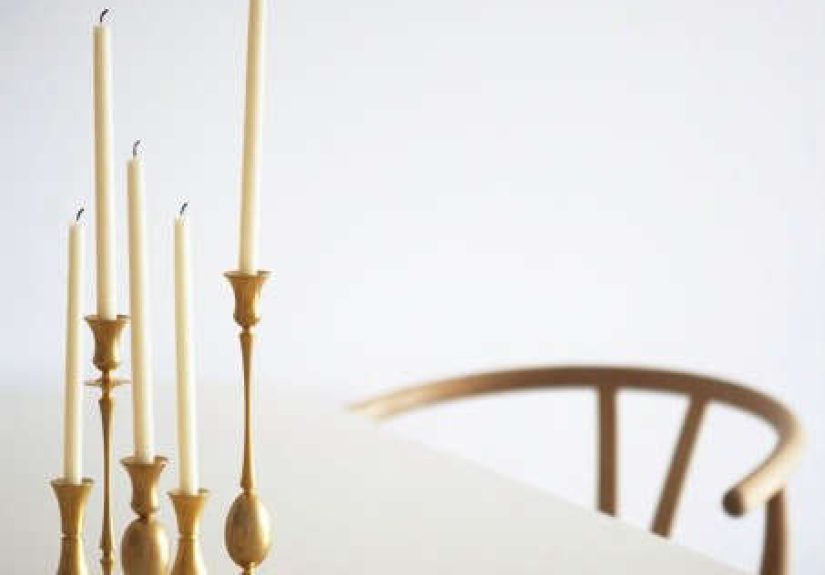
Gold candlesticks shine in spaces that need brightness and warmth. They look beautiful with cream walls, warm woods, jewel-toned textiles, marble, black accents and holiday decor. Gold taper candle holders are also popular for weddings, dinner parties and seasonal tables because they photograph well and create a sense of celebration.
The trick is restraint. A few gold candlesticks can feel luxurious. Too many shiny gold objects can make a room look like it is auditioning to be a palace gift shop. Balance gold with matte textures, greenery, ceramic pieces or darker metals. Aged gold, antique brass and brushed brass finishes are easier to live with than mirror-bright yellow gold because they feel softer and more collected.
How to Mix Bronze, Silver and Gold Candlesticks
Mixing metals can feel intimidating, but it is one of the easiest ways to make a room look layered. The secret is intention. Do not toss bronze, silver and gold candlesticks together randomly and hope for decorative diplomacy. Give the mix a rhythm.
Choose a Dominant Metal
Start with one main finish. For example, use bronze as the anchor, then add smaller silver and gold accents. Or make silver the clean, reflective base and warm it up with gold taper holders. A dominant metal prevents the arrangement from looking chaotic.
Repeat Each Finish
If you use gold once, repeat it somewhere else. If you place silver candlesticks on a mantel, echo silver with a mirror, tray or picture frame. Repetition tells the eye the mix is deliberate. Without repetition, one lonely metal can look like it wandered in from another room and got lost.
Vary Height and Shape
A strong candlestick arrangement uses different heights. Combine tall tapers with shorter holders, or place a candelabra beside simple single candlesticks. Varying height creates movement, especially when the candles are lit. For dining tables, keep sightlines in mind. Guests should be able to see each other, not negotiate around a metal forest.
Choosing the Right Candlesticks for Your Home
Before buying bronze, silver or gold candlesticks, consider scale, weight, candle type, finish and condition. A candlestick should feel stable in the hand. The base should be wide enough to prevent tipping. The candle cup should fit standard taper candles securely, or you should be prepared to use candle adhesive or wax dots for safety.
For a dining table, medium-height taper holders are usually the most practical. For a mantel, taller pairs can create drama. For a coffee table, choose lower holders or hurricane-style protection if the candles will be lit. For an entry console, a sculptural candelabra can act like a small piece of art.
When shopping vintage or antique, inspect seams, repairs, dents, leaning stems and missing bobeches. A little wear can be charming. Major structural instability is less charming, especially when fire is involved. If a piece is valuable or sentimental, professional repair may be better than DIY fixes. Glue is rarely a noble solution for metal candlesticks; it is more of a desperate whisper.
Cleaning and Caring for Metallic Candlesticks
Good care depends on the metal and finish. With all candlesticks, start gently. Dust with a soft cloth. Remove wax carefully. Avoid soaking pieces with hollow bases, felt bottoms, weighted interiors or delicate joints. Dry immediately after any damp cleaning.
Cleaning Bronze
For bronze candlesticks, avoid aggressive polishing unless you know the piece is modern and intended to shine. Aged bronze can lose character if over-cleaned. Use a microfiber cloth for dust and a slightly damp cloth for surface dirt, then dry thoroughly. If the piece has decorative inlay, inscriptions or museum-level value, consult a professional conservator.
Cleaning Silver
Silver tarnishes naturally when exposed to air and sulfur compounds. For routine care, use a soft silver cloth or a non-abrasive silver polish according to product instructions. Be careful with antique silver because over-polishing can soften details, remove desirable patina and reduce collector appeal. Store silver in anti-tarnish cloth or sealed bags when not in use.
Cleaning Gold-Tone and Brass Candlesticks
Gold-tone candlesticks may be lacquered, plated or made from brass. Test a small hidden area before using any cleaner. If the finish is lacquered, strong polishing can damage it. For raw brass, a gentle brass cleaner or a homemade paste may help remove tarnish, but always rinse and dry well. If you love patina, skip the heavy shine and simply buff with a soft cloth.
Candle Safety: Beauty Should Not Be Spicy
Candlesticks are decorative, but candles are open flames. That means safety matters. Use sturdy holders that do not tip easily. Keep candles away from curtains, books, greenery, napkins and anything else that can catch fire. Place lit candles where children and pets cannot knock them over. Never leave burning candles unattended, and extinguish them before leaving the room or going to sleep.
Use candles that fit the holder properly. A taper that wobbles is not charming; it is a tiny flaming problem. Keep multiple candles spaced apart so they do not melt each other unevenly. Trim wicks as recommended by the candle maker, and consider using a snuffer to extinguish flames cleanly. Metallic candlesticks can become hot, so let them cool before moving them.
Decorating Ideas for Bronze, Silver and Gold Candlesticks
For the Dining Table
Create a collected centerpiece by mixing three to seven candlesticks in varied heights. Use bronze for depth, silver for brightness and gold for warmth. Add linen napkins, simple plates and seasonal greenery. White candles are classic, but ivory, burgundy, forest green and black tapers can completely change the mood.
For the Mantel
Place candlesticks in pairs at each end of the mantel, or group them asymmetrically on one side with framed art and a vase. Bronze works beautifully with antique portraits or landscape prints. Silver is lovely near mirrors. Gold warms up stone and painted wood.
For Holidays
Gold candlesticks feel festive at Thanksgiving, Christmas and New Year’s Eve. Silver is perfect for winter tables and formal dinners. Bronze suits autumn, rustic weddings and cozy gatherings. Mix all three with evergreen clippings or eucalyptus, and the table will look styled even if the casserole is having a difficult evening.
For Everyday Decor
Do not save candlesticks only for special occasions. A single bronze holder on a bookshelf, a silver pair on a dresser or a gold taper holder on a bathroom tray can make daily spaces feel considered. The best interiors are not just decorated; they are lived in with small rituals.
Buying Vintage and Antique Candlesticks
Vintage candlesticks are popular because they bring character, sustainability and craftsmanship into a home. Estate sales, antique shops, online marketplaces and auctions can all be good sources. Look for weight, balance, markings and honest wear. Maker’s marks, hallmarks, materials and provenance can affect value, especially with sterling silver and notable design periods.
Do not assume every “gold” candlestick is valuable or every tarnished silver piece is sterling. Read descriptions carefully. Ask for measurements. Check whether pieces are sold individually or as a pair. If buying online, request photos of the underside, candle cups and any damage. A beautiful candlestick with a leaning stem may still be usable, but it should be priced accordingly.
For collectors, rarity and condition matter. For decorators, visual impact may matter more. Both approaches are valid. You can admire a museum-quality silver candlestick and still happily buy a $20 thrift-store brass pair that makes your dinner table look fantastic. Taste does not always require a trust fund.
Experiences With Bronze, Silver and Gold Candlesticks
One of the best things about bronze, silver and gold candlesticks is that they teach you how much atmosphere lives in small details. I once saw a plain wooden dining table completely transformed by six mismatched candlesticks: two dark bronze holders, three old silver-plated pieces and one gold candlestick that looked slightly too fancy for the group, like it had arrived wearing opera gloves. Together, they were perfect. The table did not look staged; it looked collected over time.
The bronze pieces gave the arrangement weight. Their darker surface made the candlelight feel warmer, almost like the glow belonged to an old library or a quiet restaurant tucked down a side street. Bronze is excellent that way. It does not need to be polished to impress anyone. In fact, the more relaxed it looks, the more confident it feels. A bronze candlestick with a little patina can make a new room feel as though it has memories.
The silver candlesticks brought sparkle. Even before the candles were lit, they caught daylight from a nearby window and bounced it around the table. At night, they doubled the effect of the flame. Silver has a crispness that works beautifully with glassware and white plates. The only challenge is tarnish, but that is also part of the relationship. Caring for silver can become a ritual. You polish a little, stop before going too far, and remember that perfection is not the goal. Glow is the goal.
The gold candlestick added warmth and humor. It was slightly taller than the others, so it became the visual exclamation point. Gold pieces can easily become too loud, but one or two in a mixed-metal arrangement feel celebratory. They say, “Yes, this is Tuesday, but why shouldn’t Tuesday have candlelight?” That is the real magic of candlesticks: they make ordinary moments feel chosen.
Another practical lesson comes from using them often. Tall candlesticks look dramatic, but they are not always dinner-friendly. If guests have to lean around the candles to discuss dessert, the arrangement has failed its social duties. Lower holders work better for conversation. Taller pieces are wonderful on mantels, consoles and buffets where they can pose dramatically without blocking anyone’s view of the mashed potatoes.
Wax is another teacher. Drips happen, especially with taper candles. The easiest solution is prevention: buy good-quality candles, make sure they stand straight, and avoid drafts. If wax lands on metal, patience works better than panic. Let it cool, gently lift it away, then wipe the surface. Scrubbing hot wax is how a small problem becomes a full-body cleaning event.
Over time, metallic candlesticks become part of family habits. They come out for birthdays, holidays, quiet dinners, winter storms and “we ordered takeout but still deserve ambiance” nights. Bronze feels grounding, silver feels refined and gold feels joyful. When used together, they create a room that looks less like a catalog and more like a life. That is why bronze, silver and gold candlesticks remain so beloved: they are practical objects, decorative accents and tiny keepers of atmosphere.
Conclusion
Bronze, silver and gold candlesticks prove that great decor does not have to be enormous to be memorable. These pieces combine history, craftsmanship, light and mood in a way few accessories can. Bronze adds depth and patina. Silver offers reflection and classic elegance. Gold brings warmth and celebration. Used alone or mixed together, they can elevate dining tables, mantels, shelves, holiday settings and everyday corners.
The key is to choose candlesticks with good proportion, stable construction and a finish that suits your home. Care for them gently, respect antique surfaces and always use candles safely. Whether you collect museum-worthy sterling silver, thrift vintage brass, style bronze candelabras or add gold taper holders for a party, metallic candlesticks bring one timeless promise: a room always looks better when the light feels intentional.