Table of Contents >> Show >> Hide
- What Is L-Carnitine?
- How Gut Bacteria Turn Red Meat Into a Heart Risk Signal
- What Studies Have Found About Red Meat and TMAO
- Why Energy Drinks Enter the Conversation
- Is TMAO Always Bad?
- Red Meat, Processed Meat, and the Bigger Heart Health Picture
- How Fiber Helps the Gut Fight Back
- Practical Ways to Lower Risk Without Becoming Miserable
- Who Should Be Especially Careful?
- Common Myths About Red Meat, Energy Drinks, and Gut Bacteria
- Experience-Based Notes: What This Looks Like in Real Life
- Conclusion: Your Gut May Be Talking to Your Heart
Red meat has spent decades in the nutrition hot seat, usually blamed for saturated fat, cholesterol, sodium, or that mysterious “I’ll just have one more rib” effect at summer cookouts. But newer research has added a surprising character to the story: gut bacteria. Specifically, scientists have focused on how certain intestinal microbes process L-carnitine, a compound found in red meat and also added to some energy drinks and performance supplements.
The plot twist? Your gut bacteria can convert L-carnitine into substances that eventually become trimethylamine N-oxide, better known as TMAO. Higher TMAO levels have been associated with a greater risk of atherosclerosis, blood clotting, heart attack, stroke, and other cardiovascular problems. In other words, the risk may not come only from the steak on your plate or the flashy can promising “extreme energy.” It may also depend on the microscopic community living in your digestive tract.
This does not mean one burger or one energy drink instantly turns your arteries into clogged plumbing. Human biology is more complicated than a panic headline. But the research does suggest that frequent red meat intake, long-term dietary habits, and stimulant-heavy drinks can shape a metabolic environment that is less friendly to the heart. Let’s unpack the science without needing a PhD, a lab coat, or a microscope in your kitchen.
What Is L-Carnitine?
L-carnitine is a naturally occurring compound involved in energy metabolism. Its main job is helping move fatty acids into mitochondria, the tiny power plants inside cells. Because of this energy-related role, L-carnitine is often marketed in supplements and some energy drinks as a performance or fat-burning ingredient. The marketing usually sounds heroic: more fuel, more power, more you. The body, however, reads ingredient labels a bit more cautiously.
L-carnitine is found in highest amounts in red meat, especially beef and lamb. Smaller amounts appear in poultry, fish, dairy products, and some plant foods. The body can also make L-carnitine from amino acids, so most healthy people do not need to chase extra amounts from supplements or energy beverages.
The concern is not that L-carnitine itself is automatically evil. The issue is what can happen when large or frequent amounts reach the gut. Certain bacteria love to metabolize it. Their byproducts can move through a chain reaction that ends with TMAO, a compound now strongly studied in cardiovascular research.
How Gut Bacteria Turn Red Meat Into a Heart Risk Signal
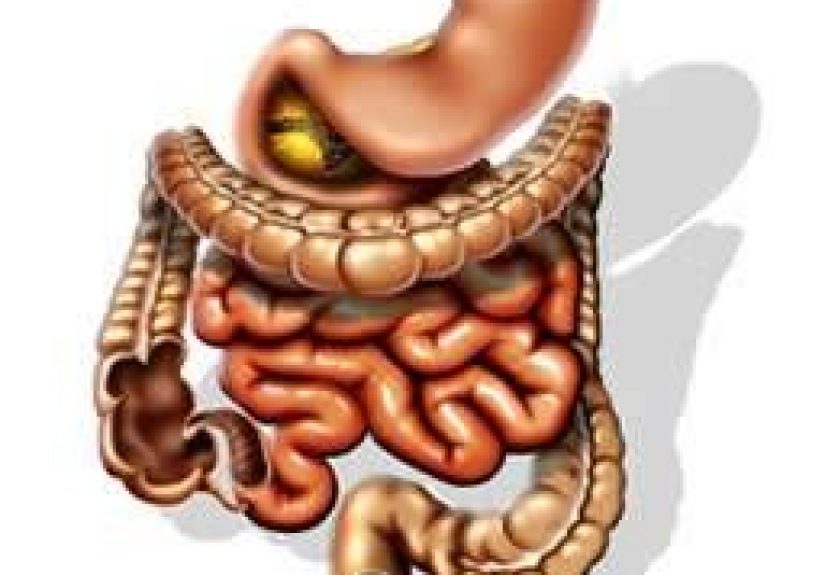
The gut microbiome is the collection of bacteria, fungi, and other microbes living in your digestive system. Think of it as a busy neighborhood: some residents are helpful, some are opportunistic, and some throw loud metabolic parties at 2 a.m. Diet is one of the biggest factors shaping which microbes thrive.
When a person frequently eats red meat, the gut may become more welcoming to bacteria that efficiently break down L-carnitine. During that process, microbes produce trimethylamine, or TMA. TMA then travels to the liver, where enzymes convert it into TMAO.
Researchers have linked higher TMAO levels to several cardiovascular mechanisms. TMAO may influence cholesterol handling, artery plaque formation, inflammatory activity, and platelet behavior. Platelets are blood cells involved in clotting; they are essential when you cut your finger, but less charming when they contribute to a clot inside a coronary artery.
The TMAO Pathway in Simple Terms
Here is the simplified version:
- You eat foods or consume products containing L-carnitine, especially red meat or certain energy products.
- Gut bacteria metabolize L-carnitine into TMA.
- The liver converts TMA into TMAO.
- Higher TMAO levels are associated with increased cardiovascular risk.
This pathway helps explain why two people may respond differently to the same meal. Someone who rarely eats red meat and has a microbiome less adapted to L-carnitine metabolism may produce less TMAO than someone who eats red meat often. Your microbes, apparently, keep receipts.
What Studies Have Found About Red Meat and TMAO
One major line of research found that intestinal microbes can metabolize L-carnitine from red meat into TMAO and that this process was linked with atherosclerosis in animal models. Human observations also showed that people who regularly ate meat tended to produce more TMAO after L-carnitine exposure than vegans or vegetarians.
Another controlled feeding study found that a diet high in red meat significantly increased circulating TMAO levels compared with diets based on white meat or non-meat protein. Notably, when participants stopped the red meat diet, TMAO levels dropped within weeks. That matters because it suggests this risk marker is not set in stone. Your gut bacteria may have habits, but habits can change.
A separate analysis involving older adults connected higher intake of animal-source foods, especially red and processed meat, with greater cardiovascular risk. Researchers suggested that TMAO and related metabolites could help explain part of the association. The keyword is part. Heart disease is rarely caused by one villain wearing a cape. Saturated fat, sodium, ultra-processed foods, low fiber intake, smoking, inactivity, poor sleep, stress, and genetics all join the cast.
Why Energy Drinks Enter the Conversation
Energy drinks are not red meat in a can, thankfully. But some contain L-carnitine, along with caffeine, taurine, guarana, added sugars, artificial sweeteners, B vitamins, and other stimulant-style ingredients. That mix can be a lot for the cardiovascular system, especially when consumed frequently or in large amounts.
The heart-related concern with energy drinks is twofold. First, if a drink contains L-carnitine, it may theoretically contribute to the same gut bacteria-TMAO pathway studied in red meat research. Second, energy drinks commonly contain high doses of caffeine and other stimulants that can raise heart rate and blood pressure. For people with arrhythmia risk, hypertension, anxiety, poor sleep, or underlying heart conditions, this is not exactly a spa day for the cardiovascular system.
Health agencies warn that large amounts of caffeine can cause heart rhythm disturbances, increased heart rate, and elevated blood pressure. Many energy drinks also contain added sugar, which can contribute to weight gain, insulin resistance, and metabolic strain when consumed often. A can may look small, but the ingredient list can behave like a tiny marching band in your bloodstream.
Is TMAO Always Bad?
TMAO is a useful cardiovascular risk marker, but the science is still nuanced. Some fish and seafood contain preformed TMAO, yet fish is often associated with heart-health benefits, partly because of omega-3 fatty acids and its role as a replacement for less healthy protein sources. This is one reason nutrition research makes people sigh into their salad bowls.
The current takeaway is not “fear every molecule of TMAO.” The better takeaway is that habitual dietary patterns matter. A diet heavy in red and processed meat, low in fiber, low in plant foods, and paired with frequent energy drink use may encourage a gut environment that produces more unfavorable metabolites. Meanwhile, a diet rich in beans, lentils, vegetables, fruits, whole grains, nuts, seeds, and fish may support better cardiovascular and gut health overall.
Red Meat, Processed Meat, and the Bigger Heart Health Picture
Red meat includes beef, pork, lamb, veal, goat, and similar meats. Processed meat includes bacon, sausage, hot dogs, ham, salami, pepperoni, and deli meats preserved by smoking, curing, salting, or chemical additives. Processed meats are especially concerning because they often bring sodium, preservatives, saturated fat, and advanced processing into the meal.
Cardiovascular guidelines generally recommend emphasizing plant-based proteins, fish, low-fat dairy, poultry, nuts, seeds, and legumes while limiting red and processed meats. That does not require becoming a person who introduces themselves by their lentil preference. It simply means shifting the default plate.
For example, instead of steak four nights a week, try grilled salmon once, black bean tacos once, chicken with roasted vegetables once, and a smaller portion of lean beef once. That kind of swap can reduce saturated fat, increase fiber, diversify the gut microbiome, and lower exposure to L-carnitine-heavy meals.
How Fiber Helps the Gut Fight Back
Fiber is the unsung hero of gut health. It feeds beneficial bacteria, supports regular digestion, helps lower LDL cholesterol, and may reduce inflammation. Unlike L-carnitine, fiber does not arrive wearing a leather jacket and asking your microbes to produce TMAO.
Soluble fiber from oats, beans, lentils, apples, barley, and chia seeds can help improve cholesterol levels. Fermentable fibers from vegetables, legumes, and whole grains help gut bacteria produce short-chain fatty acids, which are associated with better metabolic and immune function. A higher-fiber diet may also make meals more filling, which helps reduce overeating without requiring heroic willpower.
If your current fiber intake is low, increase it gradually. Jumping from zero beans to “bean festival weekend” is a bold gastrointestinal experiment. Add fiber slowly and drink enough water.
Practical Ways to Lower Risk Without Becoming Miserable
1. Reduce Frequency, Not Joy
You do not have to treat steak like a felony. Instead, reduce how often red meat appears and choose smaller portions. Make it an occasional feature, not the daily headline.
2. Choose Lean, Minimally Processed Options
When eating meat, choose lean cuts and avoid processed meats most of the time. A grilled lean cut is a different nutritional story from a plate of bacon-wrapped sausage with a side of “I’ll worry about it later.”
3. Replace Some Meat With Plant Protein
Beans, lentils, chickpeas, tofu, tempeh, edamame, nuts, and seeds provide protein plus fiber and beneficial plant compounds. Start with one meatless dinner per week and build from there.
4. Read Energy Drink Labels
Look for caffeine content, added sugars, guarana, taurine, L-carnitine, and serving size. Some cans contain more than one serving, because apparently labels enjoy plot twists too.
5. Watch Total Caffeine Intake
For most healthy adults, up to 400 milligrams of caffeine per day is generally considered an upper limit not usually associated with harmful effects. But sensitivity varies. People who are pregnant, teenagers, those with heart rhythm problems, and those taking certain medications may need much less or none.
6. Prioritize Sleep Over Stimulants
If energy drinks are replacing sleep, they are not solving the problem. They are putting sunglasses on it and calling it productivity. Poor sleep itself raises cardiovascular risk, affects appetite hormones, and increases stress.
Who Should Be Especially Careful?
People with high blood pressure, coronary artery disease, kidney disease, arrhythmias, diabetes, high LDL cholesterol, or a family history of early heart disease should be particularly thoughtful about red meat frequency and stimulant use. People with kidney disease may also have trouble clearing TMAO, which may make elevated levels more concerning.
Anyone who experiences chest pain, fainting, severe palpitations, shortness of breath, or a racing heart after consuming energy drinks should seek medical advice promptly. The internet is great for recipes and cat videos; it is not the place to negotiate with chest pain.
Common Myths About Red Meat, Energy Drinks, and Gut Bacteria
Myth 1: “Only Fatty Meat Is a Problem”
Lean red meat may have less saturated fat, but it still contains L-carnitine. Choosing lean cuts is helpful, but it does not erase the gut bacteria pathway.
Myth 2: “Sugar-Free Energy Drinks Are Automatically Heart-Safe”
Sugar-free does not mean stimulant-free. Many sugar-free energy drinks still contain high caffeine levels and other active ingredients. The heart reads the whole label, not just the calorie count.
Myth 3: “Supplements Are Safer Than Food”
Not always. Concentrated L-carnitine supplements may expose the gut to high amounts of the compound. Unless prescribed for a medical reason, supplementation should be discussed with a qualified healthcare professional.
Myth 4: “Gut Bacteria Cannot Change”
They can. Diet, fiber intake, antibiotics, illness, stress, sleep, and lifestyle can alter the microbiome. A more plant-forward diet may encourage a healthier microbial balance over time.
Experience-Based Notes: What This Looks Like in Real Life
Imagine a busy office worker named Mark. He starts most mornings with an energy drink because coffee feels too slow and water has terrible branding. Lunch is usually a double cheeseburger or roast beef sandwich, and dinner often features steak, ribs, or takeout with processed meat. Mark is not trying to harm his heart; he is trying to survive deadlines. But his routine gives gut bacteria repeated exposure to L-carnitine, while caffeine and stress push his heart rate and blood pressure upward. After a few months, he notices afternoon crashes, poor sleep, and occasional palpitations. His doctor finds his blood pressure creeping up. The solution is not shame. It is pattern repair: fewer energy drinks, more sleep, more legumes and vegetables, and red meat moved from “daily default” to “occasional choice.”
Now picture Jessica, who loves fitness and grabs energy drinks before workouts. She also takes an L-carnitine supplement because the bottle promised “fat metabolism support,” which sounds scientific enough to win an argument. Her diet is otherwise decent, but she never considered that supplements and drinks can overlap. Once she starts reading labels, she realizes her caffeine intake is higher than expected and her supplement is unnecessary for her goals. She swaps some pre-workout drinks for water, tea, or a banana with peanut butter. Her workouts do not collapse. In fact, her sleep improves, and better sleep gives her more real energy than the neon can ever did.
Then there is the family barbecue scenario. Nobody wants to be the person whispering “TMAO” over the grill like a haunted cardiologist. A practical approach works better. Serve smaller portions of red meat, add grilled chicken or fish, include bean salad, corn, vegetables, fruit, and whole-grain sides. The meal still feels abundant, but the plate becomes more balanced. People leave satisfied instead of feeling like they swallowed a weighted blanket.
Restaurants can be handled the same way. If you order a burger, skip the bacon, choose a side salad or vegetables, and avoid pairing it with a giant energy drink. If you want steak, share it or choose a smaller cut. If you eat red meat one day, make the next day more plant-forward. Health is not built from one perfect meal. It is built from repeated choices that gently stop punching your arteries in the face.
For many people, the biggest breakthrough is realizing that energy is not only something you drink. Energy comes from sleep, hydration, regular meals, movement, sunlight, stress management, and stable blood sugar. Energy drinks can feel like a shortcut, but frequent use may become a loop: poor sleep leads to more caffeine, more caffeine worsens sleep, and the cycle keeps spinning. Add a red-meat-heavy diet, and the gut-heart connection becomes another reason to step back and reset.
The most useful experience is not fear; it is awareness. Read labels. Notice patterns. Try swaps for two to four weeks. Replace some red meat with beans, lentils, fish, or poultry. Cut energy drinks gradually if you rely on them daily. Track sleep, heart rate, digestion, and cravings. Many people discover that small changes feel less dramatic than expected and more rewarding than another jittery afternoon.
Conclusion: Your Gut May Be Talking to Your Heart
The compound at the center of this story, L-carnitine, is not a cartoon villain. It has normal roles in the body. But when it comes from frequent red meat intake or certain energy drinks and supplements, gut bacteria can convert it into compounds that raise TMAO levels. Higher TMAO has been linked with cardiovascular risk, making the gut microbiome an important part of the heart-health conversation.
The smartest response is not panic. It is pattern improvement. Eat less red and processed meat, choose more plant proteins, increase fiber, read energy drink labels, avoid excessive caffeine, and talk with a healthcare professional if you have heart disease risk factors. Your gut bacteria may be tiny, but they are influential. Feed them wisely, and your heart may thank you without sending a dramatic memo.