Table of Contents >> Show >> Hide
- What Is a Pocket Napkin Fold?
- Why the DIY Pocket Napkin Fold Works So Well
- Supplies You Need
- How to Make a DIY Pocket Napkin Fold
- Best Napkins for a Pocket Fold
- Styling Ideas for Different Occasions
- Common Mistakes and How to Fix Them
- Where to Place a Pocket-Folded Napkin
- Creative Pocket Napkin Fold Variations
- How to Make the Fold Look Professional
- Cleaning, Storing, and Reusing Cloth Napkins
- Personal Experience: What I Learned From Using the DIY Pocket Napkin Fold
- Conclusion
A beautiful table does not have to begin with a crystal chandelier, twelve forks, and a florist on speed dial. Sometimes, the whole mood changes with one small square of fabric folded the right way. That is the charm of the DIY pocket napkin fold: it is practical, polished, and surprisingly easy to master. It gives your flatware a neat little home, makes each place setting look intentional, and quietly whispers, “Yes, I did plan this dinner like a civilized adult,” even if the mashed potatoes are currently being rescued from the stovetop.
The pocket napkin fold is one of the most useful napkin folding ideas for home entertaining because it works for casual family dinners, holiday tables, bridal showers, backyard parties, and elegant sit-down meals. It can hold forks, spoons, knives, place cards, menus, herbs, flowers, or even a tiny handwritten thank-you note. Better yet, it does not require advanced origami training or a dramatic personality. If you can fold a towel, you can make this happen.
In this guide, you will learn how to fold a napkin pocket step by step, choose the best napkins, style the fold for different occasions, avoid common mistakes, and create a table setting that looks pulled together without feeling stiff. Consider it the little black dress of napkin folds: simple, flattering, and always welcome at the party.
What Is a Pocket Napkin Fold?
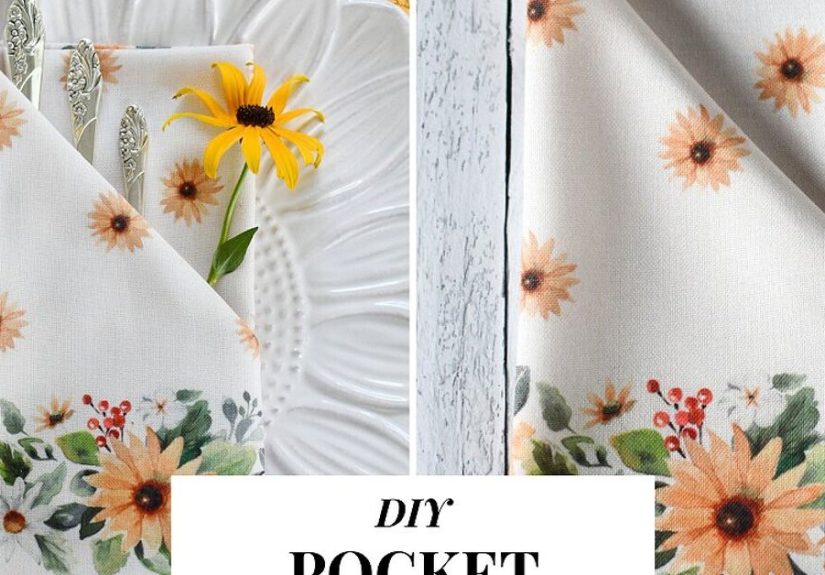
A pocket napkin fold is a decorative folding technique that creates a built-in sleeve or pouch on the front of a napkin. That pocket can hold silverware, a menu card, a name card, a sprig of greenery, or another small table accent. It is popular because it combines beauty with function. Instead of placing utensils loosely beside the plate, the fold gathers them neatly in one tidy bundle.
This style is especially helpful when you want your table to look organized. For buffets, outdoor dining, and large gatherings, a napkin pocket keeps flatware from rolling around or wandering off like it has dinner plans of its own. For more formal tables, it adds symmetry and structure while still leaving room for creativity.
The classic pocket fold is usually made with a square cloth napkin, though sturdy paper napkins can work for casual events. Cloth napkins tend to hold creases better, look more refined, and can be washed and reused, making them a smart choice for hosts who entertain often.
Why the DIY Pocket Napkin Fold Works So Well
The reason this fold has stayed popular is simple: it solves several table-setting problems at once. It creates a clean presentation, saves space, and adds a decorative element without clutter. A centerpiece may steal the spotlight, but pocket-folded napkins are the supporting cast that makes the whole table feel finished.
It Looks Elegant Without Being Complicated
Some napkin folds look like they require a backstage crew. Swans, roses, fans, and standing folds can be beautiful, but they may feel fussy for everyday hosting. The pocket napkin fold has a calmer personality. It is neat, modern, and approachable. It says “thoughtful host,” not “I lost sleep over linen geometry.”
It Keeps Flatware Neatly Together
If you are setting a table for a buffet, brunch, picnic, barbecue, or holiday dinner, a silverware pocket napkin fold is wonderfully practical. Guests can pick up one complete bundle and move through the serving line with ease. No one has to juggle a plate, fork, spoon, and napkin while also pretending they are not eyeing the last deviled egg.
It Works for Every Season
With a simple change of color, texture, or accent, the same fold can suit almost any occasion. Use white linen napkins for a wedding shower, gingham napkins for a summer cookout, deep green or burgundy napkins for Christmas, soft blush napkins for a spring brunch, or warm rust napkins for Thanksgiving. The fold stays the same; the mood changes instantly.
Supplies You Need
You do not need much to make a DIY pocket napkin fold, which is part of its appeal. Start with the basics, then add decorative details if the occasion calls for a little extra sparkle.
Basic Supplies
- Square cloth napkins, ideally 18-by-18 inches or larger
- Flat surface for folding
- Fork, knife, and spoon for each place setting
- Iron or steamer, if your napkins are wrinkled
- Optional starch or fabric spray for crisp edges
Decorative Add-Ons
- Place cards or printed menu cards
- Fresh rosemary, thyme, eucalyptus, or lavender
- Small flowers or dried botanicals
- Ribbon, twine, or wax-sealed tags
- Seasonal accents, such as cinnamon sticks, mini ornaments, or tiny pinecones
For best results, choose napkins that are square, clean, and pressed. Linen and cotton napkins fold beautifully because they crease well and have enough body to hold the pocket shape. Very slippery fabrics, such as satin, can look glamorous but may shift around while you fold. If satin is invited to the dinner party, give it a firm press first and handle it with patience.
How to Make a DIY Pocket Napkin Fold
This step-by-step method creates a classic flatware pocket with a clean front panel. It is beginner-friendly, fast, and easy to repeat across a full table.
Step 1: Lay the Napkin Flat
Place the napkin face down on a clean, flat surface. Smooth out any wrinkles with your hands. If the napkin has a printed or embroidered side, the decorative side should face down at first so it shows nicely when the fold is complete.
Step 2: Fold the Napkin in Half
Bring the bottom edge up to meet the top edge, creating a rectangle. Press along the folded edge to make a firm crease. A crisp crease is the secret handshake of a good napkin fold.
Step 3: Fold It in Half Again
Fold the napkin from left to right to create a smaller square. You should now have four layers of fabric. Rotate the square so the open corners are at the top right or facing away from you, depending on which direction feels most natural as you fold.
Step 4: Create the First Pocket Layer
Take the top loose corner and fold it diagonally down toward the opposite corner. Smooth the fold firmly. This creates the visible front pocket. Make sure the diagonal edge is even and centered. If it looks crooked, unfold and adjust. Napkins are forgiving. They do not hold grudges.
Step 5: Add a Second Pocket, If Desired
For a layered pocket napkin fold, take the next loose corner and fold it down in the same direction, stopping slightly above the first fold so the two layers are visible. This creates a double-pocket look that is ideal for holding both flatware and a menu card. You can also create a triple pocket by repeating the process with another layer, leaving even spacing between folds.
Step 6: Flip the Napkin Over
Carefully turn the napkin over while keeping the folded layers in place. This is the one moment when the napkin may try to audition for chaos. Hold the folds gently with one hand as you flip.
Step 7: Fold the Sides Inward
Fold the right side toward the center, about one-third of the way across. Then fold the left side over it, also toward the center. This narrows the napkin and locks the pocket structure in place. Press the folds firmly with your hands.
Step 8: Turn It Back Over
Flip the napkin over again so the pocket side faces up. Adjust the edges, straighten the pocket, and smooth the front. You should now have a neat pocket ready for flatware, a menu, or a decorative accent.
Step 9: Insert Flatware or Decorations
Slide the fork, knife, and spoon into the pocket. For traditional place settings, the knife blade should face inward toward the plate. You can also tuck in a name card, a sprig of rosemary, or a small printed menu. Keep the add-ons slim so the pocket stays flat and elegant.
Best Napkins for a Pocket Fold
The right napkin makes folding easier and the final result more polished. While almost any square napkin can be folded into a pocket, some materials behave better than others.
Cotton Napkins
Cotton napkins are reliable, washable, and easy to press. They are ideal for everyday meals, casual dinner parties, and family gatherings. A medium-weight cotton napkin holds the pocket shape without feeling bulky.
Linen Napkins
Linen napkins bring a relaxed, upscale texture to the table. They crease well but may have a naturally rumpled look, which can be charming for rustic, coastal, farmhouse, or garden-inspired tables. Press them for a formal look or embrace the softness for a more effortless setting.
Paper Napkins
Paper napkins can work for a DIY pocket napkin fold, especially for picnics, birthday parties, casual buffets, and kids’ events. Choose thick, high-quality paper napkins rather than thin ones. A flimsy napkin will sag, tear, or collapse faster than a soufflé in a thunderstorm.
Styling Ideas for Different Occasions
Once you know the basic fold, you can customize it in endless ways. The pocket becomes a tiny stage for color, texture, and personality.
Everyday Family Dinner
Use simple cotton napkins in neutral colors and tuck in everyday flatware. Place the folded napkin directly on the dinner plate to make the table feel intentional without adding extra work. This is an easy way to make Tuesday night pasta feel like a tiny event.
Thanksgiving Table
Choose napkins in warm shades such as rust, mustard, cranberry, olive, or cream. Add a sprig of rosemary, a cinnamon stick, or a kraft paper name tag. The pocket fold keeps utensils organized and leaves room for seasonal details that feel cozy rather than crowded.
Christmas Dinner
For a festive table, try deep green, red, ivory, or plaid napkins. Tuck in a small ornament, a pine sprig, or a candy cane for a cheerful touch. Metallic flatware looks especially pretty against darker napkins.
Wedding or Bridal Shower
Use white, ivory, blush, sage, or champagne-colored napkins. Add a printed menu card or a delicate flower stem. A pocket napkin fold is perfect for events where you want the table to look elegant but not overdecorated.
Outdoor Party or Picnic
For outdoor entertaining, this fold is a hero. It keeps napkins and utensils together, making it easier for guests to grab what they need. Use striped, gingham, or brightly colored napkins, and tie the folded bundle loosely with twine if wind is part of the guest list.
Common Mistakes and How to Fix Them
Even an easy napkin fold can go sideways if the fabric is wrinkled, the layers shift, or the pocket is overstuffed. Fortunately, most problems have quick fixes.
The Pocket Looks Crooked
Unfold the diagonal layer and refold it slowly, aligning the corner carefully. Use the edges of the napkin as your guide. If you are folding several napkins, complete each step on all napkins before moving to the next step. This assembly-line method helps keep them consistent.
The Napkin Will Not Stay Flat
Press the napkin before folding, especially if it is linen or thick cotton. You can also use a light mist of starch for a sharper finish. Avoid overloading the pocket with bulky decorations or heavy flatware.
The Fabric Is Too Thick
Thick napkins can look luxurious, but they may create bulky folds. Use a larger napkin so the proportions stay balanced. If the fold feels too heavy, skip the double-pocket version and make a single pocket instead.
The Paper Napkin Tears
Paper napkins need a gentler touch. Avoid sharp tugging, and do not crease repeatedly in the same place. Thicker paper dinner napkins work better than cocktail napkins for this fold.
Where to Place a Pocket-Folded Napkin
You can place a pocket-folded napkin in several ways depending on the style of your table. The most common option is to center it on the dinner plate or charger. This creates a strong visual focal point and works well when the meal is plated after guests sit down.
You can also place the folded napkin to the left of the plate, especially for a more traditional table setting. For buffet service, stack the pocket-folded napkins near the beginning of the food line so guests can pick up a complete flatware bundle before serving themselves.
If you are using place cards, tuck each card into the pocket and set the napkin on the plate. This gives every guest a clear seat assignment and adds a personal touch without crowding the table.
Creative Pocket Napkin Fold Variations
After you master the classic fold, experiment with small changes. These variations keep the technique fresh while using the same basic skills.
Single Pocket Fold
The single pocket is the cleanest and easiest version. It creates one strong diagonal sleeve for flatware. This style is great for modern tables, minimalist settings, and casual meals.
Double Pocket Fold
The double pocket adds a second visible layer. Use the back pocket for a menu card and the front pocket for flatware. It gives the place setting more depth without becoming complicated.
Triple Pocket Fold
A triple pocket creates separate slots for a fork, knife, and spoon. This version looks polished for weddings, showers, and holiday dinners. Just make sure your napkin is large enough to support the extra layers.
Menu Pocket Fold
Skip the flatware and use the pocket to hold a printed menu. This works beautifully for dinner parties and special occasions. Choose a menu card that fits comfortably inside the pocket without bending.
Herb Accent Pocket Fold
Tuck in rosemary, thyme, lavender, or eucalyptus for fragrance and color. Fresh herbs look lovely and can connect the table decor to the food being served. For example, rosemary pairs naturally with roasted chicken, potatoes, lamb, and holiday dishes.
How to Make the Fold Look Professional
The difference between “cute” and “catered event energy” is often in the details. First, press your napkins. Even a quick steam can make the finished fold look much cleaner. Second, fold all napkins in the same direction so the pockets match around the table. Third, keep the pocket contents consistent. If one napkin has a menu, herb sprig, and place card while another has only a lonely fork, the table may look unfinished.
Pay attention to proportions, too. Large dinner plates can handle a fuller folded napkin, while smaller salad plates look better with a slimmer fold. If you are using patterned napkins, test one fold first to see how the design appears. Stripes, checks, embroidered corners, and border prints can all look fantastic when aligned thoughtfully.
Finally, do not chase perfection so aggressively that you forget the point of hosting. A slightly imperfect napkin fold on a welcoming table is better than a flawless one served with panic. Guests remember warmth, food, laughter, and whether there was enough butter. The napkins are there to help, not to become a household performance review.
Cleaning, Storing, and Reusing Cloth Napkins
Cloth napkins are worth the small amount of care they require. After a meal, shake off crumbs and treat stains as soon as possible. Wash according to the fabric label, and avoid using too much detergent, which can leave residue. For white napkins, oxygen-based stain removers can help keep them bright. For colored napkins, test stain treatments first so the color does not fade.
Once dry, fold or roll napkins loosely for storage. If you plan to use the pocket fold for an upcoming event, iron the napkins a day or two ahead and stack them flat. You can even fold them in advance and store them in a shallow box or tray. This saves time on the day of the party, when your oven, doorbell, and nervous system may all be operating at full capacity.
Personal Experience: What I Learned From Using the DIY Pocket Napkin Fold
The first time I used a DIY pocket napkin fold for a dinner gathering, I thought it would be a tiny detail. I expected guests to notice the food, the candles, maybe the flowers if they were feeling generous. But the napkins were the first thing several people mentioned. That was the moment I learned an important hosting truth: people love details that make them feel expected.
There is something quietly welcoming about sitting down to a place setting that has been prepared with care. A fork and knife tucked into a folded napkin may seem simple, but it sends a message. It says, “This seat is for you.” It also keeps the table from looking scattered, especially when space is limited. On a smaller dining table, loose utensils, napkins, glasses, serving dishes, and decor can quickly become visual traffic. The pocket fold organizes the place setting vertically and gives everything a home.
One experience that stands out was a casual holiday brunch. The menu was not fancy: baked eggs, fruit, coffee, pastries, and a potato dish that disappeared suspiciously fast. I used cream cotton napkins folded into pockets and tucked in gold-toned flatware with a small rosemary sprig. The rosemary was inexpensive, easy to find, and wonderfully fragrant. The table looked festive without needing a big centerpiece, which was helpful because brunch tables need room for food. Lots of food. Brunch is not the time to make guests negotiate with a giant floral arrangement just to reach the croissants.
I also learned that the fold is excellent for outdoor meals. For a backyard dinner, I used striped napkins and placed the flatware inside each pocket before setting them in a basket near the buffet. Guests could grab one bundle and move along. No loose forks fell into the grass, no napkins blew across the patio, and no one had to ask where the spoons were. That alone made the fold worth repeating.
Another lesson: fabric matters. Lightweight cotton napkins are the easiest for beginners. Linen looks gorgeous but may need ironing if you want crisp lines. Very thick napkins can become bulky, especially if you try to make multiple pockets. Paper napkins can work, but only if they are sturdy. Thin paper napkins tend to collapse when loaded with flatware, which is dramatic but not useful.
The biggest practical tip from experience is to fold in batches. Instead of completing one napkin from start to finish, do step one on every napkin, then step two on every napkin, and so on. This keeps the folds more consistent and speeds up the process. It also prevents the odd situation where one napkin looks like it belongs at a boutique hotel and another looks like it was folded during an earthquake.
I have also found that pocket-folded napkins make last-minute hosting feel calmer. When the table is set early, even a simple meal feels more organized. You can fold the napkins the night before, stack them carefully, and add flatware shortly before guests arrive. It is a small preparation step that creates a big visual reward.
Most of all, the DIY pocket napkin fold proves that elegant hosting does not have to be expensive or complicated. You do not need a new dining set, a professional tablescape designer, or a linen closet that looks like a boutique catalog. You need clean napkins, a few steady folds, and a willingness to fuss just enough to make the table feel special. That is the sweet spot: thoughtful, beautiful, and still relaxed enough that everyone can enjoy the meal.
Conclusion
The DIY pocket napkin fold is one of the easiest ways to upgrade a table setting without buying new dishes, rearranging the dining room, or learning a napkin fold shaped like a peacock. It is simple, stylish, and practical. Whether you are hosting Thanksgiving dinner, planning a wedding shower, setting up a buffet, or making an ordinary weeknight meal feel a little more special, this fold delivers instant polish.
Start with a square napkin, fold it into a compact shape, create the pocket, tuck the sides behind, and finish with flatware or a decorative accent. Once you have done it a few times, the process becomes quick and almost automatic. From single pockets to layered designs, from herbs to place cards, this fold gives you plenty of room to personalize your table.
In the end, a great table is not about perfection. It is about creating a setting where people feel welcome, comfortable, and maybe just a little impressed. The pocket napkin fold does exactly thatquietly, beautifully, and without demanding a standing ovation.