Table of Contents >> Show >> Hide
- First, a quick reality check: “Laser eye surgery” isn’t just LASIK
- So… does laser eye surgery hurt during the procedure?
- What to expect before surgery (and how to make it less stressful)
- What it feels like after surgery: a realistic timeline
- LASIK vs. PRK: which one hurts more?
- Common side effects that feel like “pain” (but usually aren’t dangerous)
- How to reduce discomfort after laser eye surgery (without doing anything reckless)
- Red flags: when discomfort is NOT normal
- Who may want to think twice (or consider alternatives)
- FAQ: quick answers to common “does LASIK hurt?” questions
- Conclusion
- Extra: Real-World Experiences (What People Commonly Report)
If you’re Googling “does laser eye surgery hurt?” at 1:00 a.m. while dramatically removing your glasses like you’re in a movie montage, welcome. You’re not being weirdyour brain is doing its job. Eye surgery sounds like something you should only agree to after signing a waiver written in medieval Latin.
Here’s the honest truth: most people don’t describe modern laser vision correction as painful during the procedure. They do, however, describe it as uncomfortable afterward for a short windowthink “my eyes feel like they took a tiny, gritty power nap in a sandcastle,” not “call the fire department.” The details depend on the type of surgery (LASIK vs. PRK vs. SMILE), your eyes, and how closely you follow aftercare.
This guide synthesizes medical guidance from major U.S. authorities and academic/health-system resources (e.g., ophthalmology organizations, federal health agencies, and leading medical centers) into one practical, plain-English walkthroughwith a little humor, because fear hates laughter.
First, a quick reality check: “Laser eye surgery” isn’t just LASIK
“Laser eye surgery” is a big umbrella term. Most people mean LASIK, but there are other common options like PRK and SMILE. They all aim to correct refractive errors (nearsightedness, farsightedness, astigmatism) by reshaping the cornea so light focuses properly on the retina.
Why this matters for pain
- LASIK: Usually minimal discomfort during surgery; brief burning/scratchy feeling afterward is common.
- PRK: Often more post-op discomfort for a few days because the corneal surface needs to regrow.
- SMILE: Often described as less “surface irritation” than PRK, with a recovery experience that can resemble LASIK for many patients.
So… does laser eye surgery hurt during the procedure?
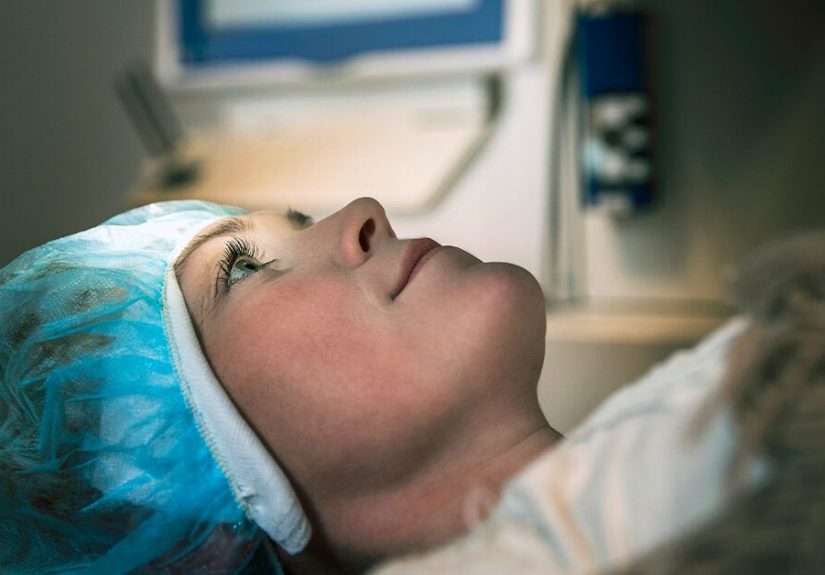
For most patients, nobecause your eye is numbed. The procedure is typically done with anesthetic (numbing) eye drops. You stay awake. Some clinics also offer a mild sedative to help you feel relaxed (translation: less “I can hear my own thoughts”).
What you might feel (and what you probably won’t)
- Pressure: You may feel gentle pressure or a “someone is touching around my eye” sensation.
- Weirdness, not pain: Bright lights, the feeling of water drops, mild tugging sensationsstrange, but not usually painful.
- Time moves oddly: The laser part is fast, but your brain will insist it lasted one full season of television.
You’ll also have a device holding your eyelids open so you can’t blink. It looks dramatic, but it’s doing you a favorblinking mid-procedure is not the kind of “spontaneity” anyone wants.
What to expect before surgery (and how to make it less stressful)
1) The pre-op exam: the “are your eyes good candidates?” phase
Before you’re cleared, you’ll get a thorough eye exam. This is where your surgeon checks your prescription stability, corneal thickness/shape, tear film (dry eye risk), pupil size, and overall eye health. This step matters as much as the surgery itselfgood screening reduces the chance of nasty surprises later.
2) You’ll likely stop contact lenses for a bit
Contacts can temporarily change corneal shape. Many surgeons ask you to stop wearing them for a period before your evaluation and procedure. The “how long” depends on the type of lens and your clinic’s protocolfollow their timeline exactly so your measurements are accurate.
3) Plan your logistics like a calm, organized adult (even if you’re not one)
- Ride home: You won’t drive yourself after surgery.
- Clear your schedule: Especially for the first 24 hours; resting with eyes closed helps.
- Skip eye makeup, lotions, fragrances on procedure day: reduces irritation and contamination risk.
- Stock up: Preservative-free artificial tears, clean tissues, and whatever comfort items make you feel human.
What it feels like after surgery: a realistic timeline
People often worry about pain, but the bigger story is usually temporary discomfort + temporary visual weirdness. Your eye is healing, your tear film may be unstable, and your brain is relearning what “clear” looks like without glasses.
The first 0–6 hours: “Why do my eyes feel spicy?”
Once the numbing drops wear off, many patients report a burning, scratchy, gritty sensation and watery eyes. Light may feel brighter than it has any right to be. Vision is often hazy or blurry. This window is why clinics tell you to go home, rest, and avoid rubbing your eyes like they’re lottery tickets.
Pro tip that shows up again and again: take a nap. If you sleep through the “spicy eyes” stage, you win the recovery lottery (the prize is not being annoyed).
Day 1–2: “I can see… but also: halos?”
Many people notice a quick improvement in vision, especially after LASIK, but it’s common to have fluctuationsclear one moment, slightly foggy the next. Nighttime halos, glare, and light sensitivity can appear early and usually improve as healing progresses.
- Most common sensations: dryness, mild irritation, foreign-body feeling, occasional stinging with drops
- Most common visual effects: fluctuating clarity, halos at night, glare, starbursts
Week 1: getting back to life (carefully)
Many patients return to work quickly after LASIK, sometimes within a day or two, depending on job demands and comfort. Your surgeon will give specific rules, but generally, the first week focuses on:
- Using antibiotic/anti-inflammatory drops as prescribed
- Using artificial tears generously (dryness is common)
- Avoiding eye rubbing, heavy workouts, dusty environments, and anything that feels like a bad idea
- Skipping swimming/hot tubs for a while (your surgeon’s timeline rules here)
Weeks 2–6: the “I forgot I had surgery… oh wait, dry eye” phase
For many people, irritation fades, but dry eye can linger. You might feel intermittent scratchiness or blurry vision that improves after blinking or using tears. Night halos and glare often improve gradually over weeks, though some people notice them longer.
Months 1–6: vision stabilizes, but patience is still a virtue
Your visual system can keep refining for months. Dry eye symptoms often improve over time, though in some people they last longer and need targeted treatment. This is why follow-ups matteryour doctor can adjust drops, recommend treatments like punctal plugs, or address healing issues early.
LASIK vs. PRK: which one hurts more?
If pain/discomfort is your main concern, here’s the general pattern many U.S. medical sources agree on:
LASIK discomfort profile
- During: typically painless with numbing drops; some pressure
- After: burning/scratchy feeling usually peaks in the first few hours
- Recovery: often faster functional recovery compared with PRK
PRK discomfort profile
- During: usually not painful with numbing drops
- After: mild to moderate discomfort can last 1–3 days (sometimes longer), because the corneal surface is healing
- Recovery: vision may take longer to stabilize, but PRK can be a great option for certain corneas or lifestyles
Bottom line: PRK usually “hurts more” afterward than LASIKstill manageable for most people, but more noticeable and longer-lasting.
Common side effects that feel like “pain” (but usually aren’t dangerous)
Sometimes what people call “pain” is actually a cluster of normal healing sensations. Here are the usual suspects:
Dry eye and gritty sensation
Dryness can feel like sand-in-the-eye, stinging, or intermittent blur. It’s one of the most common post-op complaints. The good news: there are many ways to manage it, and it often improves over time.
Light sensitivity
Sunglasses become your personality for a few days. Bright screens and sunlight may feel extra intense early on.
Halos, glare, starbursts at night
Night driving can look like a music videolights with a glowing aura. This is commonly temporary and improves as the cornea heals and the tear film stabilizes.
How to reduce discomfort after laser eye surgery (without doing anything reckless)
The goal isn’t to “tough it out.” The goal is to heal well. Try these comfort-forward, doctor-approved habits:
Do
- Rest your eyes earlyclosed eyes reduce irritation and help you avoid rubbing.
- Use drops exactly as directed (yes, even if you feel fine).
- Use preservative-free artificial tears often, especially if dryness hits.
- Wear protective shields while sleeping if instructed (sleepy-you is not trustworthy).
- Keep your environment calm: avoid fans blasting your face, smoky rooms, and dusty chores.
Don’t
- Rub your eyesespecially early after LASIK, where rubbing can disrupt healing.
- Assume “more drops = better”: stick to your surgeon’s plan; ask before adding anything medicated.
- Go swimming too soon: water + healing eyes is not a love story.
- Ignore follow-ups: these visits catch small issues before they become big ones.
Red flags: when discomfort is NOT normal
Mild irritation is common. But certain symptoms should prompt an urgent call to your eye surgeon or clinic:
- Severe or worsening pain that doesn’t improve with rest/meds
- Sudden drop in vision or vision that’s getting worse instead of better
- Increasing redness, thick discharge, or signs of infection
- New “curtain” or major shadow in vision
- Trauma or accidental eye rubbing early after surgery
Translation: trust your gut. Your clinic would rather reassure you than meet you later under chaotic circumstances.
Who may want to think twice (or consider alternatives)
Not everyone is an ideal candidate for LASIK or other refractive procedures. A good surgeon will screen carefully and discuss options if you have factors like:
- Unstable prescription (still changing)
- Significant dry eye disease
- Very thin or irregular corneas
- Certain eye diseases or uncontrolled health conditions
- Pregnancy/nursing (often a “wait until later” situation due to prescription changes)
Alternatives may include PRK, SMILE, implantable contact lenses (ICL), or simply continuing with glasses/contacts (which, despite their drama, are extremely safe and surprisingly fashionable).
FAQ: quick answers to common “does LASIK hurt?” questions
Will I feel the laser?
Most people don’t feel “the laser” as a sensation. You may feel pressure or water-drop sensations, but numbing drops are designed to prevent pain.
How long does the discomfort last?
For LASIK, discomfort is often most noticeable in the first few hours, then improves quickly. Dry eye can last longerweeks to months. For PRK, discomfort can be more noticeable for a few days.
Can I go back to work right away?
Many people return to work within a couple days after LASIK, depending on comfort and job demands. If your work is dusty, outdoors, or screen-heavy, you may want extra recovery buffer.
Is it normal for vision to fluctuate?
Yes. Fluctuating visionespecially with drynessis common early on. Keep follow-ups and tell your surgeon what you’re noticing.
Conclusion
So, does laser eye surgery hurt? For most people, the procedure itself is more “odd pressure and bright lights” than pain. The after part is where you’ll likely notice discomfortburning or scratchiness for a few hours after LASIK, and often a few days of more noticeable irritation after PRK. Add in temporary dry eye and night halos, and you’ve got the greatest hits of refractive surgery recovery.
The best way to keep this experience in the “totally manageable” category is boringbut effective: get properly screened, choose an experienced surgeon, follow the drop schedule, don’t rub your eyes, and show up for follow-ups. Your future self (the one who can find their glasses because they no longer need them) will thank you.
Extra: Real-World Experiences (What People Commonly Report)
Let’s talk about what the typical experience sounds like when you ask people who’ve actually done itbecause “clinical” is helpful, but “what did it feel like at home on the couch?” is the question your nervous system really wants answered.
Experience #1: “The Nap Champion” (common after LASIK)
A lot of LASIK patients describe the first hour or two as the most annoying part. They leave the clinic seeing a little foggy, like the world is being viewed through a slightly smudged camera lens. Then the numbing drops fade, and the eyes start to burn or feel scratchy. It’s not usually described as sharp pain; it’s more like intense irritation that makes you want to keep your eyes closed. People who go straight home, put on the protective shields, and nap often say, “I woke up and it was already way better.” The common theme: rest early = less suffering.
Experience #2: “The Screen-Time Overachiever”
Some people feel pretty good the next day and make the classic mistake: they celebrate by doing eight straight hours of screen time. Their eyes respond with dryness, blur that comes and goes, and a scratchy feeling that shows up right when they’re trying to feel triumphant. These folks usually improve quickly once they back off the screen, use artificial tears consistently, and take breaks. The lesson is not “screens are evil,” it’s “your tear film is recalibratingbe nice to it.”
Experience #3: “Night Halos and the Betrayal of Streetlights”
A very common story: daytime vision improves fast, but nighttime driving feels strange at first. Headlights might look haloed, streetlights may have a glow, and contrast can feel off. Many people say this gradually improves over weeks as healing progresses and dryness settles. Some describe it as mild and ignorable; others find it more distracting and plan night driving carefully for a while. The good move is to mention it at follow-up visits rather than silently arguing with traffic lights.
Experience #4: “Dry Eye: The Long Goodbye”
Dry eye is the side effect that gets the most airtime because it can be persistent. Many patients report needing artificial tears more often than expected in the first weeks, and some continue for months. A common pattern: eyes feel fine in the morning, then get dry and blurry by afternoon; blinking or using tears brings clarity back. People who already had mild dry eye before surgery sometimes realize afterward that it wasn’t “just contacts” causing discomfort. The practical takeaway is that dryness is manageable, but it’s worth taking seriouslyespecially if you work in air-conditioning, fly frequently, or stare at a monitor for a living.
Experience #5: “PRK Tough Cookie”
PRK patients often describe a different vibe: less immediate “wow I can see!” and more “my eyes are healing and they have opinions about it.” The first couple days can include more noticeable discomfortlight sensitivity, tearing, and an irritated, gritty feelingbecause the surface layer of the cornea is regrowing. Many report that day three can feel like a peak annoyance point, followed by steady improvement. People who chose PRK often say the longer recovery was worth it for their specific situation (thin corneas, certain activities, or surgeon recommendation). The overall story is still: discomfort is temporary, and the timeline is just different.
Experience #6: “The Rule Follower” (a.k.a. the one who has the smoothest ride)
The calmest recovery stories usually come from people who treated aftercare like it was their new part-time job: they used drops on schedule, avoided rubbing, wore sleep shields, kept follow-ups, and didn’t test boundaries (no “but what if I swim, just a little?”). Their reports tend to be boring in the best way: “It was uncomfortable for a bit, then it improved.” Boring is underrated. Boring heals well.
A note of respect for the outliers
While most experiences are mild-to-moderate and improve, a small number of people do report longer-lasting symptoms like persistent dry eye or night vision issues. That’s why good screening, realistic expectations, and careful surgeon selection matter. The goal isn’t to be scaredit’s to be informed.