Table of Contents >> Show >> Hide
- What Is an Egg Coddler?
- Why Egg Coddlers Are Popular Again
- How to Use an Egg Coddler
- Egg Safety: The Not-So-Funny but Very Important Part
- Best Ingredients for Coddled Eggs
- A Simple Egg Coddler Recipe
- Choosing the Best Egg Coddler
- Cleaning and Caring for Egg Coddlers
- Common Egg Coddler Mistakes
- Creative Egg Coddler Ideas
- Serving Suggestions
- Experience Notes: Living With an Egg Coddler in a Real Kitchen
- Conclusion
An egg coddler is the tiny kitchen gadget that looks like it wandered out of an antique shop, borrowed a porcelain coat, and decided to make breakfast more civilized. At its simplest, an egg coddler is a small covered cupoften porcelain, ceramic, glass, or heat-safe stonewareused to gently cook eggs in hot water. The result is a soft, silky egg that sits somewhere between a poached egg, a soft-boiled egg, and a mini breakfast custard.
If scrambled eggs are the dependable friend who shows up in sweatpants, coddled eggs are the friend who arrives wearing linen and saying, “I brought chives.” They are elegant without being difficult, old-fashioned without being boring, and practical enough for everyday breakfast if you know the method. This guide explains what an egg coddler is, how to use one, how to cook eggs safely, what to add for flavor, and why this little covered cup still deserves a spot in modern American kitchens.
What Is an Egg Coddler?
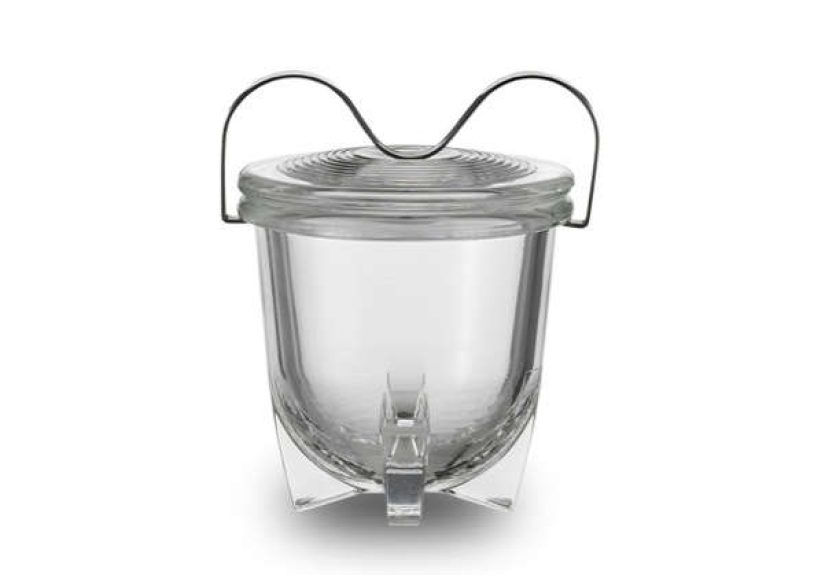
An egg coddler is a small lidded vessel designed to cook eggs gently in a water bath. You butter the inside, crack in one or two eggs, add seasonings or extras, screw on or place the lid, and set the coddler into simmering water. The water heats the cup, the cup heats the egg, and breakfast becomes soft, creamy, and spoonable.
Traditional egg coddlers are often associated with British tableware, especially decorative porcelain designs. Many vintage collectors recognize Royal Worcester-style coddlers, which commonly feature floral patterns, birds, fruit, or classic white porcelain with metal lids. But the idea is not limited to antiques. Modern versions may be made from ceramic, glass, stainless steel, or even heat-safe jars used as a substitute.
Coddled Eggs vs. Poached Eggs
Coddled eggs and poached eggs are cousins, but they are not twins. A poached egg is cracked directly into simmering water. A coddled egg is cracked into a container, then cooked indirectly. That container makes the texture more controlled and keeps the egg neat. No swirling vortex. No vinegar debate. No sad egg white tentacles floating around the pan like breakfast seaweed.
Because the egg stays inside the cup, you can add cream, herbs, cheese, ham, mushrooms, spinach, smoked salmon, or leftover roasted vegetables. This makes the egg coddler not just a cooking tool, but a tiny stage for breakfast improvisation.
Why Egg Coddlers Are Popular Again
The egg coddler has a charming “grandma had one, but she was onto something” energy. In an age of air fryers, smart ovens, and countertop gadgets that beep like airport security, the egg coddler is refreshingly quiet. It does one job and does it beautifully.
There are three big reasons people keep rediscovering it. First, it creates a luxurious texture without advanced technique. Second, it turns simple ingredients into something that feels restaurant-worthy. Third, it is incredibly flexible. You can make a plain coddled egg with butter and pepper, or you can build a tiny brunch masterpiece with cream, herbs, and Parmesan.
It also wins points for presentation. Serve the egg right in the coddler with toast strips, and suddenly breakfast looks intentional. That is the magic of a lid and a little porcelain confidence.
How to Use an Egg Coddler
Using an egg coddler is easy once you understand the water level, timing, and heat. The goal is gentle cooking, not boiling the egg into submission.
Basic Egg Coddler Method
- Lightly butter the inside of the coddler and the underside of the lid.
- Crack in one egg for a small coddler or two eggs for a larger one.
- Add salt, pepper, herbs, cream, cheese, or other small ingredients.
- Secure the lid, but do not force it so tightly that it becomes difficult to remove.
- Place the coddler in a saucepan of simmering water. The water should usually reach about halfway up the body of the coddler, not cover the whole cup unless the manufacturer says otherwise.
- Cover the pan and simmer gently until the egg reaches your preferred texture.
- Remove carefully with tongs or a towel, open the lid, and serve immediately.
A single egg often takes about 6 to 10 minutes, depending on the coddler size, egg temperature, water temperature, and how firm you like the yolk. Larger coddlers, extra ingredients, or oven-baked water bath methods can take longer. If the white is still loose, return the coddler to the water for another minute or two.
Stovetop vs. Oven Method
The stovetop method is the classic approach. It is fast, direct, and great for one or two servings. The oven method works well when making several coddlers at once. Place filled coddlers in a baking dish, add hot water halfway up the sides, and bake until the whites set. This approach is excellent for brunch because you can prepare multiple servings without hovering over the stove like a breakfast bodyguard.
Egg Safety: The Not-So-Funny but Very Important Part
Coddled eggs are often enjoyed soft, which means the yolk may remain runny and the whites may be just set. That texture is the whole point for many people. However, eggs can carry food-safety risks if undercooked, especially for young children, older adults, pregnant people, and anyone with a weakened immune system.
For the safest result, eggs should be cooked until firm or to a safe internal temperature. If you prefer soft coddled eggs, use fresh, clean, properly refrigerated eggs and consider pasteurized eggs when serving anyone at higher risk. In the United States, commercial eggs should be kept refrigerated, and cooked egg dishes should not sit out for long periods.
Translation: enjoy the elegant breakfast, but do not let it lounge on the counter all morning like it pays rent.
Best Ingredients for Coddled Eggs
The beauty of an egg coddler is that it welcomes flavor without requiring a full recipe. Think small amounts, because the cup has limited space and the egg is delicate. Overfilling a coddler is like packing a suitcase for a weekend and somehow bringing a floor lamp.
Classic Add-Ins
- Butter: Adds richness and prevents sticking.
- Heavy cream: Makes the egg more custardy and luxurious.
- Chives or parsley: Fresh, bright, and classic.
- Cheddar, Gruyère, or Parmesan: Adds savory depth.
- Ham or bacon: Brings saltiness and breakfast confidence.
- Spinach or mushrooms: Adds earthiness and texture.
- Smoked salmon: Turns the coddler into brunch royalty.
Simple Flavor Formula
For one coddler, start with this easy formula: butter the cup, add one egg, season with salt and pepper, add one teaspoon of cream, and finish with one teaspoon of chopped herbs or cheese. Once you master that, experiment with small amounts of cooked vegetables, crispy bacon, or a pinch of smoked paprika.
A Simple Egg Coddler Recipe
Classic Coddled Egg with Chives and Cream
Ingredients:
- 1 large egg
- 1/2 teaspoon butter
- 1 teaspoon heavy cream
- 1 teaspoon chopped chives
- Salt and black pepper to taste
- Toast strips for serving
Instructions:
- Butter the inside of the egg coddler.
- Crack the egg into the cup.
- Add cream, chives, salt, and pepper.
- Secure the lid.
- Place the coddler in a pan of simmering water, with the water halfway up the cup.
- Cover and cook for 7 to 9 minutes, checking for your preferred doneness.
- Serve immediately with buttered toast strips.
The result should be tender, warm, and spoonable. If the egg is too loose, cook it longer next time. If it is rubbery, lower the heat or reduce the cooking time. The coddler is forgiving, but it still appreciates manners.
Choosing the Best Egg Coddler
When buying an egg coddler, consider size, material, lid design, and cleaning. A single-size coddler usually holds one egg plus a little cream or seasoning. A king-size coddler may hold two eggs or one egg with generous add-ins.
Material Matters
Porcelain and ceramic coddlers are classic and attractive. Glass coddlers let you see the egg as it cooks, which is helpful if you are still learning timing. Stainless steel versions are durable and less fragile, though they may not have the same vintage charm. Whatever you choose, make sure it is heat-safe and intended for cooking.
Lid and Handle Design
Many traditional coddlers have a metal screw-top lid with a ring handle. This makes them easy to lift, but the metal becomes hot. Use a towel, tongs, or a proper lifting tool. A good lid should fit securely enough to keep steam and water out, but it should not feel like you need a mechanic to open breakfast.
Cleaning and Caring for Egg Coddlers
Egg coddlers are easy to clean if you butter them first and wash them soon after use. Let the coddler cool slightly, then wash with warm soapy water. Avoid harsh scrubbing on decorative porcelain, especially vintage pieces with painted designs. If egg sticks to the inside, soak the cup briefly before washing.
Check older coddlers for cracks, chips, damaged metal lids, or loose fittings before cooking with them. A beautiful vintage coddler can be a treasure, but if it looks fragile, it may be better as display decor than breakfast equipment. No egg is worth a porcelain emergency.
Common Egg Coddler Mistakes
Using Too Much Heat
Rolling boiling water can make eggs tough and may rattle delicate coddlers. Gentle simmering is better. Think spa day, not hot tub disaster.
Overfilling the Cup
Leave a little room at the top. Eggs expand slightly, and add-ins can crowd the coddler. Too much filling can affect cooking and make cleanup annoying.
Skipping the Butter
Butter is not just for flavor. It helps prevent sticking and makes the egg easier to spoon out. If you prefer, use a light coating of cooking spray or oil.
Expecting Every Coddler to Cook the Same
Different materials, sizes, and egg temperatures change cooking time. The first batch is your test run. After that, you will know whether your coddler prefers seven minutes, nine minutes, or the dramatic patience of a Sunday brunch.
Creative Egg Coddler Ideas
Once you understand the basic method, an egg coddler becomes a tiny laboratory of breakfast joy. Try these combinations:
- French-inspired: Egg, cream, Gruyère, chives, and black pepper.
- Garden style: Egg, spinach, mushrooms, parsley, and a little Parmesan.
- Smoky brunch: Egg, smoked salmon, dill, cream, and lemon zest.
- Southern comfort: Egg, cheddar, cooked bacon, scallions, and cracked pepper.
- Simple classic: Egg, butter, salt, pepper, and toast soldiers.
You can also use coddlers for small savory custards, individual baked egg cups, or warming delicate sauces. Some cooks use them for baby food or small portions, though any non-egg use should still follow the manufacturer’s care instructions.
Serving Suggestions
Coddled eggs love toast. Buttered sourdough, English muffins, brioche, rye, or simple white toast all work. Cut toast into strips for dipping, or spoon the egg over a slice and let the yolk become the sauce. Add a small salad, roasted asparagus, avocado, or fruit on the side, and you have a breakfast that looks far more difficult than it actually was.
For brunch, set up a coddled egg bar with bowls of chopped herbs, cheeses, cooked bacon, sautéed mushrooms, and spinach. Let guests build their own coddlers, then cook them in a large pan or baking dish. It is interactive, charming, and much less chaotic than making omelets for six people while everyone politely pretends not to be hungry.
Experience Notes: Living With an Egg Coddler in a Real Kitchen
The first time you use an egg coddler, it may feel suspiciously fancy. You butter a tiny cup, crack in an egg, screw on the lid, and lower it into water like you are performing a breakfast ceremony. Then you wait. That waiting is part of the charm. Unlike frying an egg, where everything happens quickly and one distracted text message can turn breakfast into rubber, coddling asks you to slow down.
In a real kitchen, the egg coddler is especially useful on mornings when you want something warm but not heavy. A coddled egg with chives and toast feels comforting without requiring a mountain of dishes. The cup itself becomes the serving dish, which means fewer plates and fewer arguments with the sink. That alone deserves applause.
One practical lesson is that timing depends on your exact setup. A cold egg straight from the refrigerator takes longer than a room-temperature egg. A thick porcelain coddler heats more slowly than a thin glass jar. A larger coddler with two eggs and cheese may need several extra minutes. The best approach is to check early, learn your favorite texture, and write the timing down if you are the kind of person who owns sticky notes and believes they will not disappear. They will disappear, but hope is part of cooking.
Another experience worth mentioning is how well coddlers handle leftovers. A tablespoon of sautéed spinach, two bits of cooked bacon, a spoonful of shredded cheese, or the last lonely mushroom in the fridge can become breakfast instead of fridge archaeology. The coddler makes small amounts feel intentional. It is a very polite way to say, “I found this in the refrigerator and made it classy.”
Serving coddled eggs to guests is also surprisingly fun. People who have never seen an egg coddler usually ask questions. Is it antique? Is it hard to use? Does the egg really cook in there? Then the lid comes off, steam escapes, and everyone suddenly understands. The presentation gives a humble egg a little drama, and breakfast drama is the only drama we should actively invite before noon.
The only real caution from experience is handling. Coddlers get hot, lids get hot, and enthusiasm does not count as protective equipment. Use a towel or tongs. Open the lid carefully because steam can escape quickly. Also, do not overpack the cup. The most successful coddled eggs are simple. One egg, a little fat, a little seasoning, and one or two thoughtful extras usually beat a crowded cup full of competing ingredients.
Over time, an egg coddler becomes less of a novelty and more of a quiet kitchen favorite. It is not the tool you use for every breakfast, but it is the one you reach for when you want breakfast to feel calm, cozy, and slightly special. In a world full of rushed toast and cereal eaten over the sink, that is no small achievement.
Conclusion
An egg coddler is a small kitchen tool with a surprisingly big personality. It gently cooks eggs in a covered cup, producing a soft, creamy texture that feels elegant but requires very little effort. Whether you use a vintage porcelain coddler, a modern ceramic version, or a heat-safe ramekin, the method is simple: butter the cup, add the egg, season thoughtfully, cook gently, and serve warm.
The best coddled eggs are not complicated. They rely on good eggs, gentle heat, smart timing, and small flavor accents like cream, herbs, cheese, or ham. With a little practice, the egg coddler can turn an ordinary breakfast into something charming, comforting, and just fancy enough to make toast feel underdressed.
Note: This article is original, web-ready content synthesized from real cooking, kitchenware, and egg-safety information. Source links are intentionally not inserted, per publishing requirements.