Table of Contents >> Show >> Hide
Gestational diabetes can make food feel like a pop quiz you did not study for. Yesterday, a banana was just a banana. Today, it looks like a tiny yellow math problem wearing a peel. The good news is that a gestational diabetes food list is not about eating “perfectly,” giving up every carb, or spending nine months chewing lettuce with a heroic but haunted expression.
It is about balance. More specifically, it is about pairing carbohydrates with protein, fiber, and healthy fats so your blood sugar rises more gently after meals. A healthy gestational diabetes diet still includes satisfying food: eggs, Greek yogurt, chicken, salmon, beans, lentils, whole grains, berries, avocado, cheese, nuts, crunchy vegetables, soups, stir-fries, tacos, salads, and snacks that do not taste like cardboard’s shy cousin.
Gestational diabetes, often called GDM, is diabetes diagnosed during pregnancy. It happens when pregnancy hormones make it harder for insulin to move glucose from the blood into the cells. Food choices matter because carbohydrates turn into glucose. That does not make carbs “bad.” Your body and your baby need energy. The key is choosing the right kinds, eating the right portions, and spreading them throughout the day.
Important note: This article is educational and should not replace advice from your OB-GYN, registered dietitian, diabetes educator, or maternal-fetal medicine specialist. Your exact meal plan may depend on your blood sugar targets, trimester, weight gain goals, medications, activity level, food preferences, culture, budget, and whether your baby has decided that the only acceptable dinner is something oddly specific at 9:47 p.m.
How to Build a Gestational Diabetes Plate
A simple way to plan meals is to imagine a nine-inch plate. Fill half with non-starchy vegetables, one quarter with lean protein, and one quarter with quality carbohydrates. Add a small serving of healthy fat, and you have a meal that is balanced, blood-sugar friendly, and less likely to leave you rummaging through the pantry like a raccoon with a glucose meter.
1. Non-Starchy Vegetables: The “Eat More” Category
Non-starchy vegetables are the MVPs of a gestational diabetes food list. They are rich in fiber, vitamins, minerals, and volume, but they are lower in carbohydrates than grains, fruit, milk, beans, and starchy vegetables. They help you feel full without sending blood sugar on a roller coaster.
Great choices include:
- Broccoli, cauliflower, Brussels sprouts, cabbage, and kale
- Spinach, romaine, spring mix, arugula, and other salad greens
- Green beans, asparagus, zucchini, cucumber, and celery
- Bell peppers, mushrooms, tomatoes, onions, and eggplant
- Carrots, radishes, snap peas, and roasted vegetables
Try roasted broccoli with olive oil and garlic, cucumber slices with hummus, a spinach omelet, turkey lettuce wraps, or a big salad with grilled chicken and avocado. If vegetables have historically been “the thing pushed to the side of the plate,” gestational diabetes is their comeback tour.
2. Lean Protein: Your Blood Sugar’s Best Friend
Protein does not raise blood sugar the same way carbohydrates do, and it helps keep meals more satisfying. Pairing protein with carbs can slow digestion and help reduce sharp glucose spikes after eating.
Good protein options include:
- Eggs or egg bites with vegetables
- Chicken breast, turkey, lean beef, or lean pork
- Fish low in mercury, such as salmon, trout, sardines, tilapia, and cod
- Plain Greek yogurt, cottage cheese, cheese sticks, and low-fat dairy
- Tofu, tempeh, edamame, beans, lentils, and chickpeas
- Nuts, seeds, peanut butter, almond butter, and hummus
Protein at breakfast is especially helpful for many people with gestational diabetes because morning blood sugar can be stubborn. Instead of starting the day with a lonely bowl of sweet cereal, try scrambled eggs with whole-grain toast, Greek yogurt with chia seeds, or a breakfast burrito with eggs, vegetables, cheese, and a small whole-wheat tortilla.
3. Quality Carbohydrates: Choose, Portion, Pair
Carbohydrates are found in grains, fruit, milk, yogurt, beans, lentils, and starchy vegetables. They are also found in sweets, soda, juice, pastries, and candy, but those tend to hit the bloodstream fast and hard. The goal is not to ban carbs. The goal is to choose higher-fiber carbs, control portions, and pair them with protein or fat.
Better carbohydrate choices include:
- Oatmeal, barley, quinoa, brown rice, wild rice, and farro
- Whole-grain bread, whole-wheat tortillas, and high-fiber crackers
- Sweet potatoes, winter squash, corn, peas, and small potatoes
- Beans, lentils, black beans, pinto beans, and chickpeas
- Plain milk, unsweetened soy milk, plain Greek yogurt, and kefir
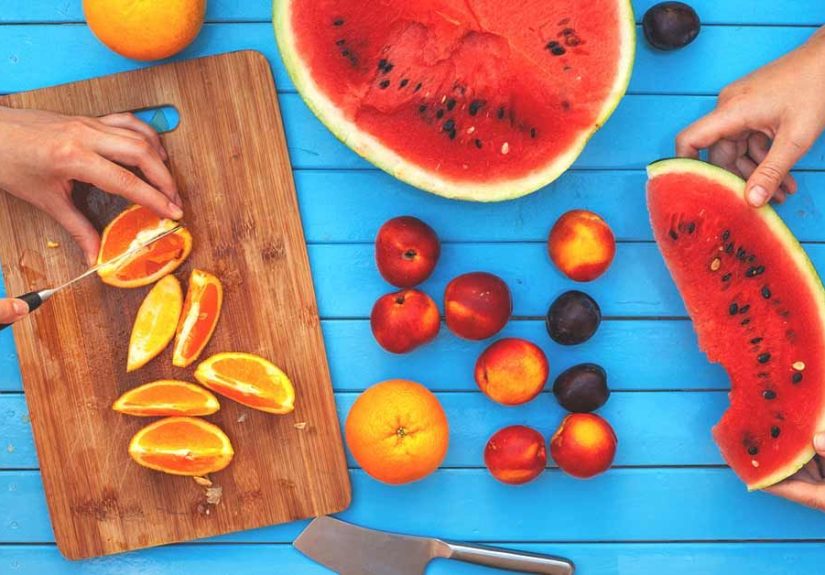
- Whole fruit, especially berries, apples, pears, peaches, oranges, and kiwi
A practical rule: do not let carbs wander onto your plate alone. Pair an apple with peanut butter, crackers with cheese, brown rice with chicken and vegetables, or berries with Greek yogurt. Carbs like company. In gestational diabetes, that company should be protein, fiber, and healthy fatnot a 32-ounce sweet tea.
4. Healthy Fats: Small Amounts, Big Satisfaction
Healthy fats do not directly raise blood glucose, and they can help meals feel complete. They are calorie-dense, so portions still matter, but they are useful in a balanced gestational diabetes meal plan.
Healthy fat choices include:
- Avocado
- Olive oil or canola oil
- Nuts and seeds
- Natural peanut butter or almond butter
- Chia seeds, flaxseed, and walnuts
- Fatty fish such as salmon
Try avocado on whole-grain toast with an egg, olive-oil vinaigrette on a salad, chia pudding made with unsweetened milk, or a small handful of nuts with a piece of fruit. Healthy fats are like the supporting actor who quietly makes the whole meal better.
Gestational Diabetes Food List by Category
Best Breakfast Foods
Breakfast can be tricky because pregnancy hormones may make blood sugar higher in the morning. Some people need to limit fruit, milk, cereal, or oatmeal at breakfast, even if those foods work well later in the day. Your glucose readings are the truth-teller here.
- Eggs with spinach, mushrooms, and cheese
- Plain Greek yogurt with chia seeds and a small portion of berries
- Whole-grain toast with avocado and egg
- Cottage cheese with cucumber and tomato
- Breakfast taco with egg, turkey, cheese, salsa, and a small tortilla
- Protein smoothie made with unsweetened Greek yogurt, spinach, peanut butter, and a small amount of berries
Avoid starting the day with sweet cereal, fruit juice, pastries, muffins, or large bagels. They may look innocent, but your meter may file a complaint.
Best Lunch Foods
- Grilled chicken salad with beans, avocado, and vinaigrette
- Turkey and cheese lettuce wrap with whole-grain crackers
- Lentil soup with a side salad
- Brown rice bowl with salmon, broccoli, cucumber, and sesame seeds
- Whole-wheat pita stuffed with tuna salad and vegetables
- Bean and vegetable chili topped with Greek yogurt
Lunch should keep you steady, not sleepy. A good formula is protein plus non-starchy vegetables plus one controlled portion of carbs. Think “smart fuel,” not “Thanksgiving nap rehearsal.”
Best Dinner Foods
- Baked salmon with roasted asparagus and a small sweet potato
- Chicken fajitas with peppers, onions, guacamole, and one or two small tortillas
- Turkey meatballs with zucchini noodles and a small serving of whole-grain pasta
- Stir-fried tofu with vegetables and a measured portion of brown rice
- Lean beef taco salad with beans, salsa, lettuce, cheese, and avocado
- Grilled shrimp with quinoa and roasted vegetables
For dinner, watch portions of rice, noodles, potatoes, tortillas, and bread. They can fit, but the serving size matters. The plate method keeps dinner realistic and helps prevent the “I ate healthy, why is my number high?” mystery.
Best Snacks for Gestational Diabetes
Many people with gestational diabetes do better with three smaller meals and two to three snacks per day. Snacks help prevent long gaps without food and may reduce dips and spikes in blood sugar.
- Apple slices with peanut butter
- Cheese stick with whole-grain crackers
- Hard-boiled egg with cucumber slices
- Plain Greek yogurt with cinnamon
- Cottage cheese with berries
- Hummus with carrots, peppers, or celery
- Small handful of almonds with a few strawberries
- Turkey roll-ups with avocado
A bedtime snack may be recommended if you wake up with high or low blood sugar. A good bedtime option often includes protein and a small amount of carbohydrate, such as Greek yogurt, cheese with crackers, or peanut butter on whole-grain toast. Ask your care team what fits your numbers.
Foods to Limit or Avoid With Gestational Diabetes
Some foods are not “forbidden forever,” but they are harder to fit into a gestational diabetes meal plan because they digest quickly or contain large amounts of added sugar.
- Soda, sweet tea, lemonade, energy drinks, and sweet coffee drinks
- Fruit juice, even 100% juice, unless your care team advises it for low blood sugar
- Candy, cookies, cakes, pastries, donuts, and sweet rolls
- White bread, white rice, regular pasta, and refined snack foods in large portions
- Sugary cereals, granola with lots of added sugar, and breakfast bars
- Large smoothies made mostly from fruit or juice
- Oversized portions of potatoes, rice, noodles, tortillas, or bread
Fruit is healthy, but portion size matters. Whole fruit is usually better than juice because it contains fiber and takes longer to digest. Choose one small piece of fruit or a measured serving, then pair it with protein or fat. A peach with cottage cheese? Excellent. A giant juice smoothie the size of a flower vase? Probably not your glucose meter’s favorite.
Sample One-Day Gestational Diabetes Meal Plan
This sample is only an example, not a prescription. Your dietitian may adjust portions and carb amounts based on your blood sugar readings.
Breakfast
Two scrambled eggs with spinach and mushrooms, one slice of whole-grain toast, and avocado.
Morning Snack
Plain Greek yogurt with chia seeds and a few berries.
Lunch
Grilled chicken salad with romaine, cucumber, tomato, bell pepper, black beans, cheese, salsa, and olive-oil vinaigrette.
Afternoon Snack
Apple slices with peanut butter or a cheese stick with high-fiber crackers.
Dinner
Baked salmon, roasted broccoli, side salad, and a small baked sweet potato.
Bedtime Snack
Cottage cheese with cinnamon or turkey roll-ups with a small whole-wheat tortilla.
Smart Tips for Eating With Gestational Diabetes
Read Labels Like a Friendly Detective
Look at total carbohydrates, fiber, added sugars, and serving size. A package may look like one serving but secretly contain two or three. Food labels can be sneaky little novels.
Walk After Meals if Your Provider Says It Is Safe
A short walk after eating may help lower post-meal blood sugar for many people. It does not need to be dramatic. You are not training for the Olympics; you are helping glucose move into your cells.
Do Not Skip Meals
Skipping meals can lead to hunger, overeating later, and unstable blood sugar. Eating regularly is usually more effective than trying to “save carbs” all day.
Keep a Food and Blood Sugar Log
Write down what you ate and your glucose results. Patterns matter. Maybe oatmeal works at lunch but not breakfast. Maybe rice is fine when paired with chicken and vegetables but not when it fills half the plate. Your meter gives personalized feedback, minus the bedside manner.
Work With a Registered Dietitian
Gestational diabetes is not a one-size-fits-all condition. A dietitian can help you build meals that match your culture, cravings, budget, schedule, and blood sugar targets. Yes, tacos can often stay. Yes, rice may still fit. Yes, dinner can have flavor. This is a meal plan, not a punishment.
of Real-Life Eating Experience: What It Actually Feels Like
Living with gestational diabetes can feel overwhelming at first because food suddenly comes with rules, numbers, timing, and a tiny finger-prick routine that nobody invited to brunch. Many pregnant people describe the first week as the hardest. You are learning what counts as a carb, figuring out breakfast, testing blood sugar, and trying not to cry in the grocery aisle because every label looks like homework. That reaction is normal. It does not mean you are failing. It means you are adjusting.
One common experience is discovering that “healthy” does not always mean “blood-sugar friendly for me.” A bowl of oatmeal with banana may sound wholesome, but some people see high morning numbers after it. Meanwhile, eggs with vegetables and one slice of whole-grain toast may work beautifully. Another person may tolerate oatmeal just fine but spike after rice. This is why tracking matters. Gestational diabetes is personal; your blood sugar has opinions, and sometimes those opinions are weirdly specific.
Meal prepping can make life much easier. Washing vegetables, boiling eggs, cooking chicken, portioning nuts, and keeping Greek yogurt or cheese sticks ready can prevent emergency snack decisions. When hunger hits during pregnancy, it does not knock politely. It kicks the door open and demands food now. Having safe options nearby helps you avoid grabbing cookies, juice, or whatever is closest and most emotionally supportive.
Eating out is still possible. Choose grilled protein, vegetables, salads, fajitas, bunless burgers, soups, or bowls with measured rice or beans. Ask for sauces on the side. Swap fries for salad when you can, or share a small portion if it fits your plan. At restaurants, portions can be huge enough to have their own ZIP code, so boxing half early can help.
Cravings also deserve a realistic approach. If you want something sweet, talk with your dietitian about how to fit a small portion after a balanced meal rather than eating it alone. Some people do better with berries and whipped cream, Greek yogurt with cocoa powder, chia pudding, or a small square of dark chocolate after dinner. The goal is not to become a dessert monk. The goal is to protect your blood sugar while staying sane.
Most importantly, gestational diabetes is not a character flaw. It is a pregnancy-related condition influenced by hormones, insulin resistance, genetics, and other risk factors. A steady food routine is an act of care, not punishment. Every balanced meal, every walk, every logged number, and every question you ask your provider is part of taking care of yourself and your baby. You do not have to be perfect. You just have to be consistent enough to learn what works.
Conclusion
A gestational diabetes food list should make eating feel clearer, not scarier. Focus on non-starchy vegetables, lean proteins, high-fiber carbohydrates, healthy fats, and regular meals and snacks. Limit sugary drinks, juice, sweets, refined grains, and oversized carb portions. Pair carbs with protein or fat, watch your glucose patterns, and adjust with help from your care team.
Gestational diabetes may change how you plan meals, but it does not erase flavor, comfort, culture, or joy from food. With the right strategy, you can eat satisfying meals, support healthy blood sugar, and get through pregnancy with a little more confidenceand possibly a new appreciation for the heroic power of eggs, avocado, and a well-timed snack.