Table of Contents >> Show >> Hide
- First Things First: Do Not Rush Into a Flooded Room
- Identify the Type of Water Before Deciding Anything
- The 24- to 48-Hour Rule: Why Time Matters
- Step-by-Step: What to Do With Carpet After a Flood
- Can You Save Area Rugs After a Flood?
- Signs Your Flooded Carpet Should Be Replaced
- When to Call a Professional Water Damage Restoration Company
- Common Mistakes to Avoid
- How to Prevent Future Carpet Flood Damage
- Real-World Experiences: What Homeowners Learn After Flooded Carpet
- Conclusion: Be Fast, Be Safe, and Be Honest About the Carpet
Few household disasters are as dramatic as discovering your carpet has turned into an indoor pond. One minute you have a cozy living room. The next, your socks are making the sound of a sad sponge. Whether the water came from a burst pipe, a storm, a sump pump failure, or a sewer backup, knowing what to do with carpets after a flood can save money, protect your health, and prevent your home from developing that unforgettable “old gym bag in a swamp” aroma.
The truth is simple but not always comforting: not every flooded carpet can be saved. Carpet is absorbent, carpet padding is even more absorbent, and floodwater can bring bacteria, chemicals, sewage, dirt, and mold spores into places your vacuum cleaner was never emotionally prepared to visit. The right response depends on the source of the water, how long the carpet stayed wet, what type of carpet you have, and whether the subfloor underneath has also been soaked.
This guide explains how to inspect, clean, dry, remove, or replace a flooded carpet safely. It also covers when to call a professional, how to document carpet water damage for insurance, and what real homeowners often learn the hard way after a flood.
First Things First: Do Not Rush Into a Flooded Room
When a carpet is flooded, the instinct is to grab towels, buckets, fans, and maybe make a heroic entrance worthy of a home improvement commercial. Pause first. Safety comes before carpet rescue.
If standing water is present, do not walk into the room until you know the electricity is off and the area is safe. Water and electrical outlets are not a quirky DIY pairing; they are a serious danger. If water has reached outlets, appliances, a breaker panel, extension cords, or plugged-in devices, stay out and call a qualified electrician or emergency service provider.
Also watch for structural damage, loose flooring, contaminated mud, broken glass, pests, and slippery surfaces. Wear rubber boots, waterproof gloves, eye protection, and a properly fitted mask or respirator if mold, dust, or contaminated material may be present. Children, pregnant people, older adults, and anyone with asthma, allergies, immune problems, or breathing issues should stay away from flooded or moldy areas.
Identify the Type of Water Before Deciding Anything
The biggest question is not “Can I rent a carpet cleaner?” It is “What kind of water soaked this carpet?” The answer determines whether your carpet is a rescue mission or a goodbye ceremony.
Clean Water: Possibly Salvageable
Clean water usually comes from a broken supply line, rainwater that entered directly, or a clean appliance leak. If the carpet was wet for a short time and you act quickly, it may be possible to save it. The key phrase is “act quickly.” Carpet that remains wet for too long can grow mold, develop odor, and contaminate the padding and subfloor.
Even with clean water, the carpet padding usually needs to be removed and replaced. Padding behaves like a giant sponge with commitment issues: it holds moisture, hides odor, and makes drying the carpet from above almost impossible.
Gray Water: Professional Help Recommended
Gray water may come from washing machines, dishwashers, toilet overflows without solid waste, or other sources that may contain contaminants. This water is not automatically a horror movie, but it is not clean enough to treat casually. A professional water damage restoration company can assess whether the carpet, padding, tack strips, and subfloor can be safely cleaned and dried.
Black Water or Sewage: Remove and Replace
If the water came from a sewer backup, river flooding, storm surge, toilet overflow with waste, or outdoor floodwater mixed with unknown contaminants, wall-to-wall carpet and padding should usually be discarded. Floodwater can carry sewage, bacteria, chemicals, pesticides, fuel, and debris. Once those contaminants soak into carpet fibers and padding, ordinary shampooing does not make the material truly safe.
In this case, do not try to “freshen it up” with a scented cleaner and positive thinking. Remove contaminated carpet safely, bag or wrap it according to local disposal rules, and focus on cleaning and drying the structure underneath.
The 24- to 48-Hour Rule: Why Time Matters
After a flood, moisture is the enemy with a stopwatch. Mold can begin growing quickly when porous materials stay wet, especially in warm, humid conditions. Carpets, carpet padding, drywall, wood trim, and furniture can all hold moisture long after the room looks “mostly dry.”
If a clean-water carpet has been wet for less than 24 hours, fast extraction and professional drying may save it. If it has been wet for 24 to 48 hours, the odds drop sharply unless drying equipment was already running and the carpet was lifted properly. If the carpet stayed wet for more than 48 hours, replacement is often the safer and smarter option, especially if odor, staining, delamination, or mold is present.
The surface can fool you. A carpet may feel dry on top while the padding below is still damp enough to host a tiny mold convention. That is why professionals use moisture meters, air movers, dehumidifiers, and sometimes infrared cameras to confirm what is really happening beneath the surface.
Step-by-Step: What to Do With Carpet After a Flood
1. Stop the Water Source
Before cleaning anything, stop the water if possible. Shut off the water supply for a broken pipe, clear a blocked drain only if it is safe, redirect rainwater away from the foundation, or call emergency services if the flooding is beyond your control. Cleaning the carpet while water is still entering the room is like mopping during a thunderstorm with the window open. Admirable effort, terrible strategy.
2. Take Photos and Videos for Insurance
Document the damage before removing materials. Take wide shots of the room, close-ups of water lines, photos of soaked carpet, padding, baseboards, furniture, and any visible mold or debris. Record the date, time, likely source of water, and steps you took to prevent more damage.
Keep samples if your insurance company requests them, such as a small piece of carpet or padding, but only if it is safe to do so. Contact your insurer early because coverage may depend on whether the damage came from a sudden plumbing failure, outside flooding, sewer backup, or another source. Flood insurance is often separate from standard homeowners insurance, so do not assume every puddle is covered equally.
3. Remove Standing Water
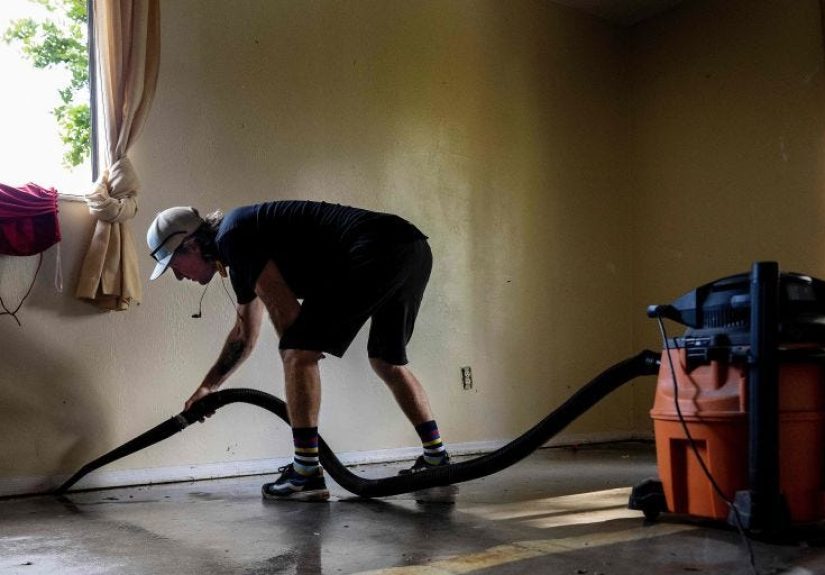
Once the area is safe, remove standing water with a wet-dry vacuum, pump, or professional extraction equipment. Household towels can help with small spills, but they are not enough for a soaked room. A carpet holds water deep in the fibers and padding, so extraction needs to be thorough.
Do not use a regular household vacuum on wet carpet. It is not designed for water and may create an electrical hazard. Use only equipment meant for wet pickup, and only when electricity has been confirmed safe.
4. Pull Back the Carpet
If the carpet may be salvageable, it should usually be lifted from the edges so air can circulate underneath. This helps expose the padding and subfloor. Be careful around tack strips; they are sharp, rusty-looking little ankle villains. Wear gloves and sturdy shoes.
For contaminated water, do not simply lift and dry the carpet. Removal is usually the better approach because contamination can remain in fibers, backing, seams, tack strips, and padding.
5. Remove and Replace Wet Padding
Carpet padding is rarely worth saving after a flood. Even when the carpet itself can be cleaned, the padding often traps moisture and contaminants. Removing it allows the subfloor to dry and helps prevent mold growth and odors.
If padding is glued down or difficult to remove, a restoration professional can handle the job with proper tools and containment. In many flood cleanup projects, removing padding is the difference between a carpet that dries properly and a room that smells suspicious every time humidity rises.
6. Dry the Carpet and Subfloor Completely
Use air movers, fans, and dehumidifiers to dry the area. When using fans, avoid blowing air from a moldy area into clean living spaces. Open windows if outdoor conditions help drying, but close them if outside humidity is high. A dehumidifier is often more useful than a basic fan because it removes moisture from the air instead of simply giving dampness a scenic tour around the room.
Concrete, plywood, hardwood, and particleboard subfloors dry at different speeds. Concrete may look dry but still hold moisture. Wood can swell, cup, or develop hidden mold if covered too soon. Do not reinstall carpet or new flooring until the subfloor is confirmed dry.
7. Clean and Sanitize the Right Materials
Hard surfaces such as concrete, metal, tile, and some sealed materials can often be cleaned with detergent and water, then disinfected using an appropriate product according to label directions. Never mix bleach with ammonia, vinegar, or other cleaners. Also remember that disinfectants work best after dirt and debris have been removed.
Carpet cleaning after a flood is different from routine carpet cleaning. A normal shampoo may improve appearance, but it will not solve contamination or hidden moisture problems. For salvageable carpet, hot-water extraction by a trained professional is often the best route, followed by controlled drying and moisture testing.
8. Check Baseboards, Drywall, and Trim
Flooded carpet often means wet walls. Water can wick into drywall, baseboards, insulation, and wall cavities. If drywall or insulation was soaked by floodwater or sewage, removal may be necessary. If you ignore wet walls but replace the carpet, you may end up with a freshly carpeted room and a mold problem hiding behind the baseboard like a bad sequel.
Look for swelling, soft drywall, peeling paint, staining, musty odor, or black, green, or white speckling. When in doubt, have a restoration professional inspect the area.
Can You Save Area Rugs After a Flood?
Area rugs deserve a separate conversation because some are washable, some are valuable, and some are basically decorative sponges with fringe. Small washable rugs exposed to clean water may be laundered and dried thoroughly. Check care labels first.
Large rugs, wool rugs, antique rugs, handmade rugs, silk rugs, and rugs with foam backing should be evaluated by a professional rug cleaner. Do not roll up a wet rug and leave it in the garage “for later.” That creates a damp burrito of regret. If the rug was soaked with sewage or contaminated floodwater, replacement is usually safer unless the rug has significant value and can be treated by a specialized facility.
Signs Your Flooded Carpet Should Be Replaced
Some carpets make the decision for you. Replace the carpet if it was soaked with sewage or outdoor floodwater, stayed wet longer than 48 hours, has visible mold, smells musty after drying, shows backing separation, has brown or black staining from the subfloor, or keeps feeling damp despite fans and dehumidifiers.
Also replace carpet if the padding, tack strips, or subfloor are contaminated, or if anyone in the home is sensitive to mold. The cost of replacement may feel painful, but living with hidden contamination can become more expensive and more stressful over time.
When to Call a Professional Water Damage Restoration Company
Call a professional if the flood covers a large area, involves sewage, has been sitting for more than a day, affects multiple rooms, reaches walls or cabinets, or produces a musty odor. Professionals can classify the water damage, extract water, remove padding, dry structural materials, monitor moisture, and help prevent mold.
Ask whether the company follows recognized water damage restoration standards, uses moisture meters, provides documentation, and can communicate with your insurance company. A good restoration team should not simply drop off two fans and disappear like a magician with an invoice.
Common Mistakes to Avoid
Running Fans Without Removing Padding
Fans can dry the top of the carpet while the padding remains wet underneath. That hidden moisture can cause odor and mold. If the carpet is worth saving, lift it and remove the padding.
Using Too Much Cleaner
More soap does not mean more clean. Excess detergent residue attracts dirt and can make carpet feel sticky. Always rinse thoroughly and follow product directions.
Covering the Floor Too Soon
Installing new carpet over a damp subfloor traps moisture. That is like putting a lid on a soup pot and hoping it becomes a salad. Let the structure dry completely first.
Ignoring the Smell
A musty odor after drying is not “just basement personality.” It often means moisture or microbial growth remains. Investigate before replacing furniture or closing the room.
How to Prevent Future Carpet Flood Damage
After cleanup, think prevention. Clean gutters, extend downspouts away from the foundation, inspect sump pumps, install a battery backup if your basement relies on a pump, seal foundation cracks, and improve grading around the house. If a room has flooded before, consider hard-surface flooring instead of wall-to-wall carpet, especially in basements.
For basement comfort, area rugs are usually more practical than installed carpet. If water returns, you can remove and clean or replace a rug more easily. Your future self, standing in dry socks, will be grateful.
Real-World Experiences: What Homeowners Learn After Flooded Carpet
Experience has a way of teaching flood cleanup lessons with dramatic timing. Many homeowners first believe the carpet is the main problem because it is visible, squishy, and loudly unpleasant. Then they pull it back and discover the real story: soaked padding, wet tack strips, damp baseboards, and a subfloor that has been quietly absorbing water like it was training for a marathon.
One common experience is the “dry on top, wet underneath” surprise. A homeowner runs fans for two days, steps on the carpet, and thinks the crisis is over. A week later, the room smells musty. When the carpet is lifted, the padding is still damp, sometimes with discoloration on the underside. The lesson is clear: surface dryness does not prove deep dryness. Carpet padding must be checked, and in most flood situations, removed.
Another lesson comes from basements. Basement carpets often flood from sump pump failures, heavy rain, or foundation seepage. Because basements are cooler and less ventilated, they can dry slowly. Homeowners may think cooler air means mold is less likely, but moisture plus organic material still creates a risk. A dehumidifier running continuously, open access behind baseboards, and proper moisture testing can make a major difference.
People also learn that “clean-looking” water is not always clean. Water from outside may look like muddy rainwater, but it can carry lawn chemicals, bacteria, soil, and sewer overflow from the neighborhood. Sewer backup water can sometimes spread farther under carpet than expected because padding pulls moisture outward. If there is any chance the water was contaminated, replacing the carpet is usually the safer choice.
Insurance documentation is another big lesson. In the stress of cleanup, many people start ripping out carpet before taking photos. Later, the adjuster asks for evidence of the water line, affected rooms, or damaged materials. The better approach is to photograph everything first, then remove materials when it is safe. Keep receipts for equipment rentals, professional services, replacement padding, disposal fees, and temporary repairs.
Homeowners who hire professionals often discover that good restoration is more scientific than it looks. It is not just “bring fans.” Professionals measure moisture, remove materials that cannot be saved, set up dehumidifiers, monitor progress, and confirm that the structure is dry before reconstruction. The best companies explain what they are doing and why. The worst ones talk fast, overpromise, and leave behind damp materials.
Finally, many people change their flooring choices after one flood. Wall-to-wall carpet in a basement feels cozy until it becomes a sponge with a mortgage. After cleanup, homeowners often switch to tile, sealed concrete, vinyl plank rated for moisture-prone areas, or washable area rugs. The experience is frustrating, but it can lead to a smarter, more flood-resistant home.
Conclusion: Be Fast, Be Safe, and Be Honest About the Carpet
Flooded carpet is not always a total loss, but it is never something to ignore. If clean water soaked the carpet briefly and you act quickly, professional extraction and drying may save it. If the carpet was exposed to sewage, outdoor floodwater, long-term moisture, mold, or persistent odor, replacement is usually the safer path.
The best response is simple: stay safe, document the damage, identify the water source, remove standing water, pull back the carpet, discard wet padding, dry the subfloor, and call professionals when contamination or major water damage is involved. Your carpet may or may not survive, but your home should come out cleaner, safer, and much less swamp-adjacent.