Table of Contents >> Show >> Hide
- Are Olives Good or Bad for Weight?
- Olive Nutrition: What Is Inside These Tiny Fruits?
- Do Olives Help With Weight Loss?
- Can Olives Cause Weight Gain?
- Olives vs. Olive Oil: Which Is Better for Weight?
- Best Ways to Eat Olives for a Healthy Weight
- Healthy Meal Ideas With Olives
- Who Should Be Careful With Olives?
- Experience Notes: What Eating Olives for Weight Management Looks Like in Real Life
- Final Thoughts: So, How Do Olives Affect Your Weight?
Note: This article is for general nutrition education and is not personal medical advice. Anyone managing high blood pressure, kidney disease, heart disease, pregnancy-related nutrition concerns, or a medically prescribed diet should talk with a qualified health professional before making major diet changes.
Olives are tiny, salty, shiny little flavor grenades. Add a few to a salad and suddenly lunch stops tasting like “responsible leaves” and starts tasting like something you would order near the ocean while pretending you own linen pants. But when it comes to weight, olives create confusion. Are they a smart Mediterranean-style snack? Are they too fatty? Do they help with appetite? Or are they secretly sitting in the fridge whispering, “One more handful, friend”?
The honest answer is refreshingly normal: olives can fit well into a healthy weight-management plan, but they are not magic weight-loss buttons. They contain mostly healthy unsaturated fat, a little fiber, very few carbohydrates, and a lot of flavor. They can make nutritious meals more satisfying, which may help some people eat more balanced portions overall. However, olives also contain calories and are often high in sodium because they are cured in brine. In other words, olives are helpful when they act like a condiment or small snack, not when the jar becomes your dinner date.
This guide explains how olives affect your weight, how many calories they contain, whether olives are fattening, how they compare with olive oil, and how to enjoy them without turning a healthy habit into a salty surprise party.
Are Olives Good or Bad for Weight?
Olives are not automatically good or bad for weight. Body weight is influenced by overall calorie intake, food quality, activity level, sleep, genetics, health conditions, medications, and many daily habits. One food rarely decides the whole story unless that food is eaten in very large amounts or frequently replaces more nourishing options.
For most people, olives can be a useful part of a balanced eating pattern because they bring strong flavor in a small serving. A few chopped olives can make vegetables, whole grains, lean proteins, beans, eggs, or salads taste more satisfying. That matters because enjoyable meals are easier to maintain than sad meals. Nobody sticks with a “plain steamed broccoli and emotional support water” plan forever.
The main weight-related benefit of olives comes from satisfaction. Their fat content slows digestion compared with very low-fat snacks, while their bold salty-savory taste makes a small amount feel noticeable. When used wisely, olives can help a meal feel complete without requiring heavy sauces, large amounts of cheese, fried toppings, or creamy dressings.
The main caution is portion size. Olives are energy-dense compared with watery vegetables like cucumbers, lettuce, or tomatoes. They are not as calorie-dense as pure olive oil, but the calories can still add up when you keep reaching into the jar. Also, because many olives are salty, eating too many may cause temporary water retention for some people. That is not the same as fat gain, but it can make the scale look dramatic enough to deserve its own soap opera soundtrack.
Olive Nutrition: What Is Inside These Tiny Fruits?
Yes, olives are fruits. They may not behave like apples or berries, but botanically they belong to the fruit family. Nutritionally, they are unusual because most of their calories come from fat, especially monounsaturated fat. This is the same general category of fat that makes olive oil famous in Mediterranean-style eating.
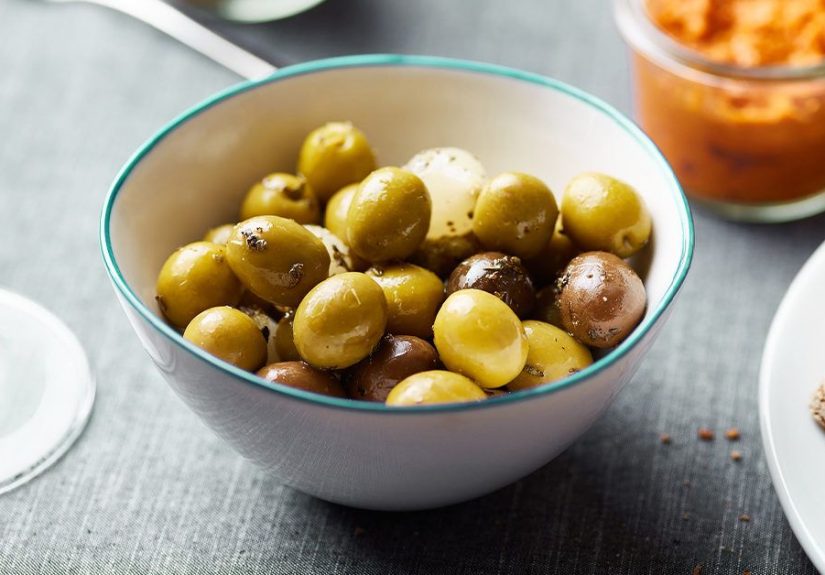
The exact nutrition depends on the variety, ripeness, curing method, and whether the olives are packed in brine, oil, herbs, or stuffing. Green olives, black olives, Kalamata olives, Castelvetrano olives, and canned ripe olives can differ in calories and sodium. Still, a typical small serving of about 5 to 10 olives usually provides modest calories, a few grams of fat, very little sugar, and a noticeable dose of sodium.
Calories in Olives
A practical serving of olives is usually around 1 ounce or about a small handful. Depending on size and type, 5 to 10 olives may contain roughly 35 to 95 calories. Canned black olives are often lower in calories than oil-cured or dry-cured olives, while larger or oil-packed olives may be higher.
For weight management, that range is friendly enough as long as portions stay reasonable. A few olives on a salad are not the issue. The issue is when “just a few” becomes “I have personally lowered the jar level by two inches.” Calories from healthy foods still count, even when they arrive wearing a Mediterranean passport.
Fat in Olives
Olives contain mostly monounsaturated fat, particularly oleic acid. Monounsaturated fats are generally considered heart-friendly when they replace higher-saturated-fat foods such as butter, fatty processed meats, or creamy sauces. From a weight perspective, fat is more calorie-dense than protein or carbohydrates, but it also helps meals feel satisfying.
This is why olives can be helpful in small amounts. A salad with tomatoes, cucumbers, chickpeas, grilled chicken, herbs, lemon, and a few olives may keep you satisfied longer than plain vegetables alone. The goal is not to avoid fat; the goal is to choose better fat sources and keep the portion appropriate for your total meal.
Carbs, Fiber, and Sugar
Olives are naturally low in carbohydrates and sugar. They also provide a small amount of fiber. The fiber amount is not huge compared with beans, oats, berries, or vegetables, but whole olives do offer more structure than olive oil because oil contains fat without fiber.
This difference matters. Whole olives require chewing, take up space on the plate, and bring flavor in little bursts. Olive oil is nutritious too, but it is pure fat and easier to overpour. If your tablespoon turns into a “generous emotional drizzle,” calories climb quickly.
Sodium: The Biggest Olive Warning
The biggest nutritional caution with olives is sodium. Fresh olives are naturally bitter, so they are usually cured in saltwater brine or processed in ways that make them edible and delicious. That curing process is the reason olives taste so goodand why they can be salty enough to make your water bottle nervous.
Sodium does not directly create body fat, but high sodium intake can cause some people to hold onto water temporarily. This may show up as bloating or a higher scale weight the next morning. More importantly, consistently high sodium intake may be a concern for blood pressure and heart health. If you need to watch sodium, choose lower-sodium olives when available, rinse olives before eating, and keep servings modest.
Do Olives Help With Weight Loss?
Olives do not burn fat. They do not melt belly fat. They do not sneak into your metabolism at night with a tiny broom. Any claim that olives alone cause weight loss should be treated like a suspicious email from a prince with a nutrition certificate.
However, olives may support weight management indirectly when they are part of a balanced eating pattern. Their flavor can make healthier meals more enjoyable. Their fat content may improve satisfaction. Their low sugar content makes them a savory option for people trying to reduce sweet snack habits. And their role in Mediterranean-style meals can encourage more vegetables, beans, fish, whole grains, herbs, and healthy fats.
Weight loss, when appropriate, usually happens from a consistent calorie deficit while still meeting nutrient needs. Olives can fit into that deficit if portions are planned. For example, adding 6 chopped olives to a salad may add flavor for fewer calories than a heavy creamy dressing. But adding olives, cheese, nuts, avocado, oil, croutons, and a large dressing all at once can turn a “light salad” into a delicious but calorie-dense meal. Healthy ingredients still know how to add.
Can Olives Cause Weight Gain?
Olives can contribute to weight gain only if they help push your overall calorie intake above what your body uses over time. That is true for almost any food. The difference is that olives are small and easy to snack on without noticing the serving size.
A few olives with lunch are unlikely to matter much. A large bowl of oil-cured olives every evening, plus cheese, crackers, and wine-style snacking patterns, may add significant calories. The context matters more than the olive itself.
Another thing to remember is water weight. After a salty meal, the scale may rise temporarily because your body is holding extra water. This can happen after olives, pickles, soup, pizza, restaurant food, or any salty meal. It is not the same as gaining fat overnight. Fat gain requires a sustained energy surplus; water shifts can happen quickly and disappear quickly.
Olives vs. Olive Oil: Which Is Better for Weight?
Both olives and olive oil can fit into a healthy diet, but they behave differently in meals. Whole olives provide fat, flavor, texture, and a little fiber. Olive oil provides concentrated fat and is calorie-dense, with about 120 calories per tablespoon. Olive oil is excellent for cooking, dressings, and replacing less healthy fats, but it is easy to use more than intended.
For weight management, whole olives may have an advantage when you want a flavorful topping or snack because they are portioned naturally. You can count 5 or 8 olives. Counting a “splash” of oil is trickier because every home cook has a different definition of splash. Some people mean a teaspoon. Others mean enough oil for the vegetables to need swimming lessons.
The best choice depends on the meal. Use olive oil when you need cooking fat or a dressing base. Use whole olives when you want salty flavor, chew, and visual satisfaction. Often, using both lightly works well: a teaspoon or two of olive oil with lemon juice and herbs, plus a few chopped olives, can make a salad taste rich without drowning it.
Best Ways to Eat Olives for a Healthy Weight
Use Olives as a Flavor Booster
The smartest way to use olives is as a flavor booster. Chop them and scatter them over meals instead of eating them straight from the jar. Chopped olives spread flavor more evenly, so a small amount feels bigger. Try them on grain bowls, scrambled eggs, roasted vegetables, turkey wraps, tuna salad, lentil soup, baked fish, or tomato-cucumber salad.
Pair Olives With Protein and Fiber
Olives are satisfying, but they are not a complete snack by themselves for everyone. Pairing them with protein and fiber makes the snack more balanced. Good combinations include olives with hummus and raw vegetables, olives with a boiled egg and fruit, olives with cottage cheese and tomatoes, or olives with tuna and whole-grain crackers.
This combination works because protein and fiber support fullness, while olives provide flavor and healthy fat. It is the difference between a snack that says, “Nice to meet you,” and a snack that says, “You are not raiding the pantry in 12 minutes.”
Watch the Serving Size
A reasonable olive serving is usually about 5 to 10 olives, depending on their size and sodium content. Very large stuffed olives or oil-cured olives may call for a smaller portion. If you are tracking calories, check the label because brands vary.
For people who enjoy olives often, pre-portioning helps. Put a serving in a small bowl and return the jar to the refrigerator. Eating directly from the jar is risky because olives are bite-sized, salty, and charming. They are basically snack confetti.
Rinse Brined Olives
Rinsing olives under water can reduce some surface salt. It will not remove all sodium, but it can make them taste less intensely salty and help lower the sodium load slightly. This is especially useful if you add olives to meals that already contain salty ingredients such as feta, canned tuna, deli turkey, anchovies, capers, or packaged dressings.
Choose Lower-Sodium Options When Possible
Some brands offer reduced-sodium olives. If sodium matters for your health, compare labels. The Nutrition Facts panel is more useful than guessing based on olive color. Green olives are not automatically better or worse than black olives; processing and serving size matter.
Healthy Meal Ideas With Olives
Olives shine brightest when they upgrade simple meals. For a Mediterranean-style lunch, combine chopped romaine, tomatoes, cucumbers, chickpeas, grilled chicken or tofu, parsley, lemon juice, a small amount of olive oil, and 6 chopped Kalamata olives. The olives bring enough salty depth that you may not need much dressing.
For breakfast, add sliced olives to an egg scramble with spinach, mushrooms, and tomatoes. For dinner, bake white fish with cherry tomatoes, garlic, lemon, herbs, and a few olives. For a plant-based option, toss lentils with roasted peppers, arugula, red onion, chopped olives, vinegar, and herbs. These meals feel generous because they include volume from vegetables, protein from beans, fish, eggs, or lean meats, and flavor from olives.
If you want a snack, try a small bowl with olives, baby carrots, cucumber slices, and hummus. This gives you crunch, creaminess, saltiness, and fiber. It also keeps olives in their proper role: star supporting actor, not entire cast.
Who Should Be Careful With Olives?
People who have been advised to limit sodium should be careful with olives. This may include individuals with high blood pressure, kidney disease, heart failure, or other conditions where sodium management is important. People who are sensitive to bloating may also notice that salty olives affect how they feel the next day.
Stuffed olives deserve a label check too. Some are filled with cheese, garlic, almonds, peppers, anchovies, or processed fillings that change calories and sodium. Marinated olives packed in oil can also be more calorie-dense than brined olives. None of these are “bad,” but they are easier to overeat.
For most healthy adults, moderate olive intake is fine. The key is to build the rest of the meal around vegetables, protein, whole grains or beans, and healthy fats in sensible amounts.
Experience Notes: What Eating Olives for Weight Management Looks Like in Real Life
In real life, olives are rarely eaten in a perfectly measured nutrition-lab scenario. They show up at family dinners, restaurant salads, snack plates, lunch boxes, pizza nights, and those mysterious moments when you open the refrigerator “just to look.” That is why the most useful olive strategy is not perfection. It is awareness.
One common experience is that olives help people enjoy vegetables more. A bowl of chopped cucumbers and tomatoes can feel plain, but add a few olives, lemon juice, parsley, and a spoonful of chickpeas, and suddenly it feels like an actual dish. This matters because people often eat more vegetables when the vegetables taste exciting. Olives bring a savory depth that can reduce the need for heavy dressings or extra cheese.
Another common experience is that olives can stop a snack craving from turning into a snack parade. Someone who wants chips may find that a small bowl of olives with crunchy vegetables satisfies the desire for salt. The goal is not to label chips as forbidden; that usually makes them more dramatic. The goal is to create options. Olives can be one of those options because they offer strong flavor in a small serving.
Portion creep is also real. Many people start with five olives and end with “Who moved the brine line?” This is not a character flaw. It is normal human behavior around salty, bite-sized foods. The easiest fix is environmental: serve olives in a small dish, then put the jar away. A portion on a plate looks intentional. A fork in a jar looks like a plan that has lost adult supervision.
Some people also notice that olives make the scale jump the next morning. This can feel discouraging, especially when the meal itself was balanced. In many cases, that bump is water weight from sodium, not fat gain. A salty dinner, lower water intake, poor sleep, or a harder workout can all influence scale weight. Looking at weekly patterns is usually more useful than reacting to one morning number.
Restaurant meals are another place where olives can be both helpful and sneaky. A Greek salad may sound light, but olives, feta, dressing, pita, and grilled meat can make it more substantial than expected. That is not a problem if it fits your hunger and needs. A practical approach is to enjoy the olives, ask for dressing on the side, include protein, and avoid treating the word “salad” as automatic calorie invisibility. Sadly, salad calories do not disappear just because lettuce is present. Lettuce is healthy, not magical.
At home, olives work best as part of a repeatable system. Keep a jar of lower-sodium olives, rinse a portion when needed, chop them for maximum flavor spread, and pair them with high-fiber foods. Add them to meals where they replace less helpful extras instead of simply stacking on top of everything else. For example, olives can replace part of the cheese in a wrap, reduce the need for salty bottled dressing, or make beans and vegetables taste more satisfying.
The biggest real-world lesson is that olives are easier to manage when they are treated as a seasoning with benefits, not a free food. They can support healthy weight habits by making nutritious meals more enjoyable, but they still belong inside the bigger picture of portions, variety, movement, sleep, and consistency. Eat them with pleasure. Just give the jar a closing ceremony when the serving is done.
Final Thoughts: So, How Do Olives Affect Your Weight?
Olives affect your weight mainly through calories, satisfaction, and sodium. In moderate portions, they can be a smart, flavorful part of a balanced diet. They provide mostly monounsaturated fat, very little sugar, and enough bold taste to make simple meals more enjoyable. They may help some people feel more satisfied, especially when paired with protein, vegetables, beans, or whole grains.
But olives are not a weight-loss shortcut. Eating more olives will not automatically lead to fat loss, and eating large portions can add calories and sodium quickly. The best approach is simple: use olives intentionally, keep servings modest, rinse them if sodium is a concern, and let them improve meals that already support your health goals.
In the grand courtroom of weight management, olives are neither guilty nor innocent on their own. They are witnesses. The verdict depends on the whole plate.