Table of Contents >> Show >> Hide
- The Internet Is an Amplifier, Not a Personality Trait
- What Research Shows Right Now
- How the Internet Can Hurt Mental Wellbeing
- How the Internet Can Improve Mental Wellbeing
- Who Is More Vulnerable to Negative Effects?
- The Digital Nutrition Framework (A Practical Way to Think About It)
- A 30-Day Internet Wellbeing Reset
- For Parents, Educators, and Teams
- Final Takeaway
- Extended Experience Section (500+ Words): Real-Life Patterns People Report
Let’s be honest: the internet is where we work, learn, laugh, panic, shop, and occasionally diagnose ourselves with 14 rare conditions after one questionable search. It’s also where our brains spend a huge chunk of the day. So if you’ve ever wondered whether being online is helping your mental health or quietly draining itgreat question. The answer is not “all good” or “all bad.” It’s both, and it depends on how you use it, what you consume, and how your digital habits interact with sleep, stress, relationships, and identity.
This guide breaks down how the internet affects your mental wellbeing using current U.S.-based evidence and practical examples you can actually use. We’ll cover the major risks (doomscrolling, social comparison, sleep disruption, cyberbullying), the underrated benefits (connection, creativity, teletherapy, support communities), and a realistic plan for making your online life feel lighter, calmer, and healthier.
The Internet Is an Amplifier, Not a Personality Trait
The internet itself isn’t automatically “toxic” or “therapeutic.” Think of it as an amplifier: it can magnify what’s already happening in your life. If you’re lonely, it can connect youor intensify isolation through comparison. If you’re anxious, it can provide coping toolsor feed your worry loop with endless bad-news refreshes.
That’s why two people can use the same app for the same amount of time and feel completely different afterward. One logs off inspired. The other logs off with a headache, a stress snack, and three tabs open on “How to start over as a lighthouse keeper.”
What Research Shows Right Now
1) Frequent social media use is commonand linked to higher distress for many teens
U.S. adolescent data shows frequent social media use is widespread. National school-health findings report that many teens use social media several times per day, and this pattern is associated with higher rates of bullying exposure, persistent sadness/hopelessness, and some suicide-risk indicators. Important nuance: this is an association, not proof that social media alone causes these outcomes. Still, the pattern is strong enough that clinicians, schools, and families are taking it seriously.
2) Teens also report meaningful positives
Here’s the part people forget in hot takes: many teens say social media helps them feel connected to friends, express creativity, and find emotional support. In other words, digital life can be both helpful and harmful in the same weeksometimes in the same day.
3) Self-awareness is increasing
Growing numbers of teens now say they spend too much time on social platforms, and many report intentionally cutting back. That shift matters. Mental wellbeing improves when people move from “passive use” (scrolling until their soul exits the chat) to “intentional use” (specific goals, specific limits).
4) Sleep is a major fault line
Across youth surveys and clinical guidance, disrupted sleep is one of the clearest pathways linking heavy internet use to lower mood and poorer daily functioning. Late-night scrolling pushes bedtime later, fragments rest, and keeps your nervous system alert when your body is trying to wind down.
5) The internet can improve access to mental health care
On the positive side, virtual mental health support is now an evidence-backed option. U.S. guidance notes tele-mental health can be effective for several conditions, and clinical studies on internet-based CBT show meaningful symptom improvement for many usersespecially when tools are used consistently and early.
How the Internet Can Hurt Mental Wellbeing
Social comparison and identity pressure
You compare your “behind the scenes” to everyone else’s “best-of reel.” Over time, this can chip away at self-esteem, especially when appearance, success, or popularity signals become your mental scoreboard.
Always-on stress and cognitive overload
Notifications, headlines, messages, short videos, breaking updatesyour brain gets very little quiet. Constant partial attention makes it harder to recover from stress and easier to feel emotionally frayed.
Doomscrolling and threat bias
Human brains naturally focus on danger cues. Algorithms notice that and serve more of it. You start with one news update and end up in a 90-minute spiral where everything feels urgent, catastrophic, and personally your responsibility.
Cyberbullying and online conflict
Digital conflict follows people home. Unlike old-school drama that ended at the bus stop, online harassment can be persistent, public, and hard to escape. That “always reachable” pressure can intensify anxiety and helplessness.
Sleep disruption
Blue light, emotional stimulation, and “just one more scroll” create a perfect storm. Poor sleep then worsens mood, focus, and emotional regulation the next daymaking you more vulnerable online again. That loop is brutal and very common.
How the Internet Can Improve Mental Wellbeing
Connection and belonging
For people who feel isolated offline, online communities can reduce loneliness, provide identity-safe spaces, and help users feel seen. This is especially valuable for people with niche interests, chronic illness, or limited local support.
Creativity and self-expression
The internet lets people create art, write, perform, and collaborate with almost no gatekeepers. Healthy self-expression is strongly linked to better emotional processing and confidence.
Access to education and coping tools
People can learn coping strategies, mindfulness skills, and psychoeducation faster than ever. Short, practical content can reduce stigma and encourage earlier help-seeking.
Virtual care and crisis support
Online therapy, text-based counseling, and virtual appointments reduce travel and scheduling barriers. For many people, this is the first realistic path to professional support.
Who Is More Vulnerable to Negative Effects?
Not everyone has the same risk profile. In general, vulnerability is higher when someone is:
- Already struggling with anxiety, depression, trauma, or low self-esteem
- Using the internet heavily at night
- Experiencing bullying, exclusion, or social pressure online
- Relying on metrics (likes, views, comments) for self-worth
- Using feeds passively instead of engaging intentionally
Protective factors include strong offline relationships, sleep routines, critical media literacy, and a feed curated for learning or joy rather than outrage and comparison.
The Digital Nutrition Framework (A Practical Way to Think About It)
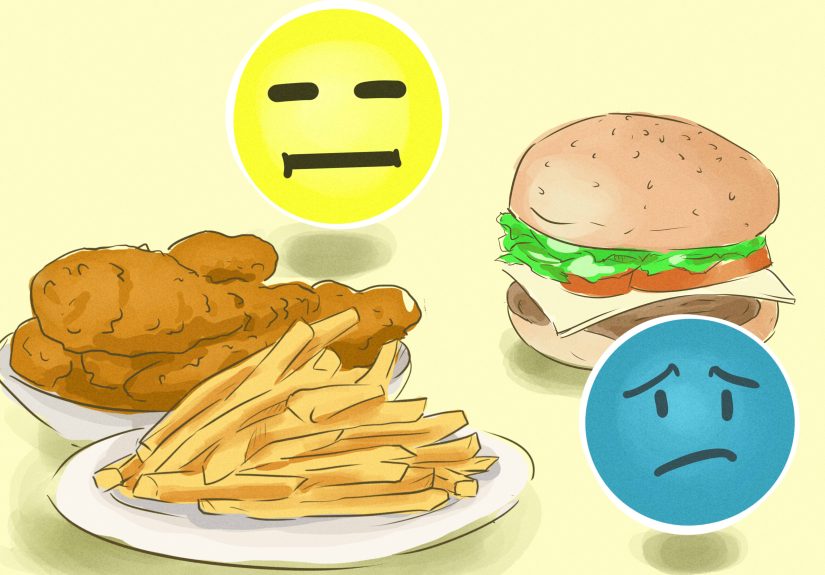
Treat your internet use like nutrition. Not all content is equal, and quantity isn’t the only issue.
1) Content quality: What are you consuming?
If your feed is mostly fear, conflict, and comparison, your mood will reflect that. Add creators and communities that educate, calm, or inspire.
2) Context: When and why are you online?
Logging in to learn, connect, or create feels different from logging in to avoid feelings. “Why am I opening this app right now?” is a powerful mental check.
3) Dose: How much is too much?
The right amount varies by person. A good signal: if internet use consistently harms sleep, school/work, relationships, or mood, your dose is too high.
4) Recovery: Do you have offline reset time?
Brains need boredom, movement, sunlight, and silence. If every spare moment is filled with scrolling, your stress system never fully powers down.
A 30-Day Internet Wellbeing Reset
Week 1: Awareness, not perfection
- Track when you open apps and how you feel before/after.
- Turn off non-essential notifications.
- Create one screen-free block daily (start with 30 minutes).
Week 2: Sleep protection
- No social media 60 minutes before bed.
- Charge your phone outside the bedroom if possible.
- Replace late scrolling with a low-stimulation routine (shower, journaling, reading).
Week 3: Feed redesign
- Unfollow accounts that trigger chronic stress or comparison.
- Follow accounts tied to learning, humor, and emotional regulation.
- Use “not interested” and mute tools aggressively.
Week 4: Intentional internet use
- Set 2–3 reasons you go online each day (example: message friends, watch one tutorial, post one creative update).
- Batch check messages instead of constant monitoring.
- Protect one weekly half-day with minimal screens.
For Parents, Educators, and Teams
If you support teens or young adults, focus less on pure time limits and more on digital quality:
- Co-create media boundaries instead of imposing surprise rules.
- Keep devices out of nighttime routines.
- Ask open questions: “How does this app make you feel after 20 minutes?”
- Normalize help-seeking for anxiety, bullying, and sleep issues.
- Model what healthy device behavior looks like (yes, adults are included).
Final Takeaway
The internet affects mental wellbeing the way weather affects a road trip: it doesn’t fully decide your destination, but it absolutely changes how the journey feels. You don’t need to quit the internet and move to a cabin with three books and a kettle. You need better digital boundaries, better inputs, and better recovery time.
If your online habits are making life feel smaller, noisier, and more exhausting, that’s not a character flawit’s a signal. Adjust the system. Curate your environment. Protect sleep like it’s your full-time job. Use the internet as a tool, not a default state. Your mental wellbeing will notice.
Extended Experience Section (500+ Words): Real-Life Patterns People Report
Experience 1: “I was always informed, but never at peace.”
A college student described her routine like this: wake up, check news, check comments, check trending topics, repeat between classes, repeat at lunch, repeat before bed. She wasn’t “wasting time” in the traditional senseshe was reading, learning, staying updated. But emotionally, she felt wrung out. Her stress baseline rose, her focus dropped, and sleep became shallow because her brain never got an off-ramp. Once she switched to scheduled news windows (morning and early evening only), her anxiety eased within two weeks. The information didn’t disappear; the panic did.
Experience 2: “My feed was basically a comparison machine.”
A young designer said social media started as inspiration and ended as self-criticism. Every scroll became a ranking exercise: who is more successful, more attractive, more productive, more “together.” She noticed her mood dropped after browsing certain accounts but improved after watching tutorials and process videos. So she changed the mix: less polished lifestyle content, more practical creative education, more humor, more people sharing imperfect progress. Same platform, same phone, dramatically different emotional effect. Her confidence improved because she shifted from comparison to craftsmanship.
Experience 3: “Online friendships helped me when offline life felt small.”
A teen in a rural area shared that online communities were the first place he found people with similar interests and identity experiences. Offline, he felt isolated; online, he felt understood. This mattered most during stressful periods when local support was limited. The key difference was community quality: moderated groups with clear norms improved his mood, while chaotic comment sections made him feel worse. His takeaway was simple and powerful: the internet didn’t automatically heal or harm himit depended on where he spent time and with whom.
Experience 4: “Night scrolling stole my mornings.”
A working parent thought late-night scrolling was “me time.” But bedtime kept drifting later, and mornings became irritable and foggy. She wasn’t sleeping less by choice; she was sleeping less by autopilot. After setting one boundaryno social apps in bedshe felt mentally steadier within days. Her mood at work improved, patience at home improved, and she no longer felt like every day started in recovery mode. The surprising part: she still used social media daily. She just moved most of it to daytime and stopped trading tomorrow’s energy for tonight’s stimulation.
Experience 5: “Online therapy made help possible.”
A man with depression had postponed therapy for months because commuting and scheduling felt impossible. Virtual sessions removed both barriers. He started with short appointments, then added guided exercises between sessions. Progress wasn’t instant, but it was real: fewer severe dips, better routines, and less shame about needing support. He said the biggest win was momentumonce access got easier, consistency followed. For him, the internet wasn’t a distraction; it was the bridge to care.
Across these experiences, one pattern shows up again and again: mental wellbeing improves when internet use becomes intentional, bounded, and aligned with personal values. People feel worse when use is automatic, endless, and emotionally reactive. If there’s one lesson here, it’s this: you don’t need perfect digital habits. You need repeatable ones. Small shiftsprotecting sleep, curating feeds, limiting doom loops, and using online care when neededcan produce outsized benefits over time.