Table of Contents >> Show >> Hide
- Why You Should Not Stop Gabapentin Suddenly
- How to Stop Taking Gabapentin in 6 Simple Steps
- Step 1: Speak With Your Prescriber Before Changing Anything
- Step 2: Create an Accurate Medication Snapshot
- Step 3: Agree on an Individualized Tapering Schedule
- Step 4: Make One Planned Reduction at a Time
- Step 5: Monitor Withdrawal and Returning Symptoms
- Step 6: Adjust the Plan With Your Clinician and Complete Follow-Up
- How Long Does Gabapentin Withdrawal Last?
- When to Seek Emergency Medical Help
- Who Needs Extra Caution When Weaning Off Gabapentin?
- What Not to Do During a Gabapentin Taper
- Frequently Asked Questions
- Experiences With Tapering Off Gabapentin: Three Composite Scenarios
- Conclusion
Medical note: This article provides general educational information, not a personal tapering schedule. Do not reduce or stop gabapentin without guidance from the clinician who prescribes it. Seek urgent medical care for a seizure, severe confusion, suicidal thoughts, or slowed or difficult breathing.
Deciding to stop gabapentin can feel like closing a chapter you never planned to write. Perhaps the medication is no longer helping, the dizziness is becoming tiresome, or your underlying condition has improved. Whatever the reason, your next move should not be tossing the bottle into a drawer and declaring victory.
Gabapentin affects signaling within the nervous system. When it has been taken regularly, especially at higher doses or for a long period, the body may need time to adjust to each reduction. Stopping suddenly can trigger withdrawal symptoms, allow the original condition to return, or increase seizure risk. In other words, your nervous system prefers a polite transition rather than an unexpected eviction notice.
The safest approach is an individualized gabapentin taper created with a qualified healthcare professional. The following six steps explain how that process generally works, which symptoms deserve attention, and when medical help should move to the top of your to-do list.
Why You Should Not Stop Gabapentin Suddenly
Gabapentin is an anticonvulsant medication. Immediate-release products are approved in the United States for certain partial seizures and postherpetic neuralgia, while specific extended-release versions have other approved uses. Clinicians also prescribe gabapentin off-label for several conditions, including other forms of nerve pain.
FDA-approved labeling states that when gabapentin is reduced, discontinued, or replaced, the dose should generally be tapered over a minimum of one week. The label also makes an important qualification: some people may require a longer period at the prescriber’s discretion. One week is therefore a minimum labeling recommendation, not a universal finish line.
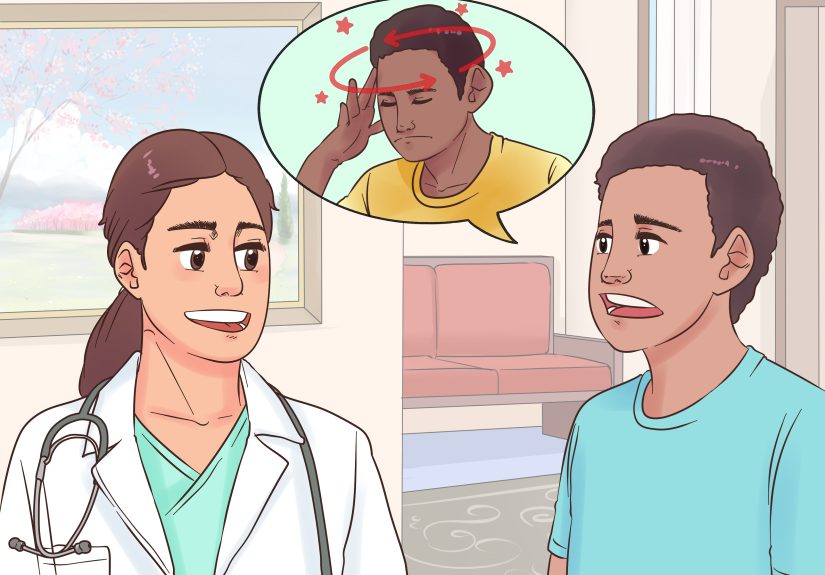
Withdrawal reactions reported after gabapentin discontinuation include anxiety, agitation, insomnia, nausea, pain, sweating, tremor, headache, dizziness, confusion, depression, and general malaise. Abrupt or overly rapid discontinuation may also increase the risk of seizures, including in situations where gabapentin was not originally prescribed for epilepsy.
Not everyone develops withdrawal symptoms. Risk appears to vary with the dose, treatment duration, individual sensitivity, medical history, kidney function, and use of other substances or medications. Because those variables differ enormously, a taper copied from a stranger online may fit about as well as a stranger’s prescription glasses.
How to Stop Taking Gabapentin in 6 Simple Steps
Step 1: Speak With Your Prescriber Before Changing Anything
The first step in learning how to stop taking gabapentin is contacting the clinician managing the prescription. Explain why you want to stop and describe any side effects, concerns, missed doses, or previous attempts to reduce it.
Your clinician needs to determine whether discontinuation is appropriate and whether another treatment should be started before, during, or after the taper. This is especially important when gabapentin controls seizures, significant nerve pain, restless legs symptoms, anxiety-related complaints, or another condition that could return when the dose falls.
Do not be embarrassed if you have already reduced the dose or missed several doses. Give an honest account of what you took and when. Accurate information is more useful than a medically impressive story with a few missing chapters.
Step 2: Create an Accurate Medication Snapshot
Before your clinician designs a plan for tapering off gabapentin, write down the following information:
- Your total daily dose and how it is divided throughout the day
- The exact product, such as immediate-release gabapentin, Gralise, or Horizant
- How long you have taken it and why it was prescribed
- Any recent missed doses or dose changes
- Previous seizures or withdrawal reactions
- Kidney disease, breathing disorders, pregnancy, or major mental health concerns
- All prescription drugs, nonprescription products, alcohol, cannabis, and other substances you use
Gabapentin is cleared largely through the kidneys, so reduced kidney function can affect how the medication is dosed and eliminated. Different gabapentin formulations also have different instructions and are not automatically interchangeable. A clinician or pharmacist should confirm exactly what is in your bottle before anyone starts doing medication mathematics.
Step 3: Agree on an Individualized Tapering Schedule
Your prescriber will choose the size and timing of each dose reduction. Factors may include your current dose, duration of treatment, reason for taking gabapentin, seizure risk, kidney function, withdrawal history, available dosage forms, and how quickly your symptoms respond.
Some people who have taken a modest dose for a brief period may complete a clinician-supervised taper relatively quickly. Someone taking a high dose for months or years may need smaller reductions, longer intervals, or temporary pauses. A patient who develops withdrawal symptoms during a one-week taper may require substantially more time.
A safe article cannot provide one milligram-by-milligram schedule that works for every reader. Capsules, tablets, liquids, kidney function, and dosing frequency all affect what reductions are practical. Never split, crush, or alter a tablet unless a pharmacist confirms that your particular product can be handled that way.
Ask for written instructions that specify the dose, dosing times, dates of reductions, what to do after a missed dose, and whom to contact if symptoms appear. The best taper plan is not merely slow; it is clear enough to follow on a sleepy Tuesday morning.
Step 4: Make One Planned Reduction at a Time
Follow the schedule exactly rather than alternating between large reductions and rescue doses. Inconsistent dosing can make it difficult to distinguish withdrawal from the return of the original condition.
Use a calendar, phone reminder, medication log, or pill organizer approved for your formulation. Record the amount taken each day. If multiple daily doses are involved, ask your clinician whether one dose will change first or whether the total daily dose will be adjusted in another way.
Do not double the next dose after forgetting one unless your healthcare professional specifically instructs you to do so. MedlinePlus advises taking a missed dose when remembered unless it is nearly time for the next dose, in which case the missed dose is generally skipped rather than doubled. Product-specific instructions should still take priority.
Step 5: Monitor Withdrawal and Returning Symptoms
Keep a simple daily record during your gabapentin discontinuation. You do not need an elaborate spreadsheet with dramatic pie charts. A short note covering sleep, mood, pain, nausea, sweating, tremor, heart rate sensations, dizziness, and dose changes is usually more practical.
Possible gabapentin withdrawal symptoms include:
- Anxiety, agitation, irritability, or restlessness
- Difficulty falling asleep or staying asleep
- Sweating, shaking, headache, or flu-like discomfort
- Nausea, reduced appetite, or gastrointestinal upset
- Increased pain or unusual sensitivity to discomfort
- Palpitations or a feeling that the heart is racing
- Confusion, mood changes, depression, or unusual behavior
Symptoms may reflect withdrawal, recurrence of the condition being treated, or an unrelated problem. For example, burning nerve pain returning after a reduction is not necessarily withdrawal; the gabapentin may have been suppressing it. Insomnia and anxiety can likewise be withdrawal symptoms, recurring baseline symptoms, or both. Your clinician can help interpret the pattern.
Step 6: Adjust the Plan With Your Clinician and Complete Follow-Up
A taper is not a bravery contest. If symptoms become difficult, contact your prescriber rather than forcing the next reduction or abandoning the plan entirely. Depending on the situation, the clinician may hold the current dose longer, make the next reduction smaller, assess another medical cause, or modify treatment for the original condition.
Do not independently return to a much higher dose after several days off. Restarting may require professional guidance, particularly if other medications have changed or if breathing, sedation, kidney, or substance-use risks are present.
After the final dose, continue monitoring for withdrawal, seizures, mood changes, sleep problems, and recurrence of pain or other symptoms. Keep any planned follow-up visit even if you feel fine. Feeling fine is excellent news, but it is not a substitute for completing the medical plan.
How Long Does Gabapentin Withdrawal Last?
There is no dependable universal gabapentin withdrawal timeline. Symptoms can emerge after abrupt discontinuation or during dose reductions, but their onset, intensity, and duration vary. Published evidence includes case reports and postmarketing observations rather than a single, standardized timeline that applies to everyone.
Mild symptoms may settle after the body adjusts to a reduction. More persistent symptoms may signal that the taper is moving too quickly, the underlying condition is returning, or another health issue needs evaluation. Contact your clinician when symptoms are worsening, interfering with daily life, or continuing longer than expected.
When to Seek Emergency Medical Help
Call 911 or seek immediate medical assistance for:
- A seizure, repeated seizures, or a seizure lasting several minutes
- Slowed, shallow, difficult, or noisy breathing
- Extreme sleepiness, inability to wake, blue lips, or loss of consciousness
- Severe confusion, hallucinations, dangerous agitation, or psychotic behavior
- Suicidal thoughts, a suicide attempt, or an immediate risk of self-harm
- Swelling of the face, mouth, tongue, or throat
The FDA warns that serious breathing problems can occur with gabapentin, particularly in people using opioids or other central nervous system depressants, those with respiratory disease, and older adults. These risks remain relevant while doses are being changed, especially if another sedating drug is started, stopped, or adjusted at the same time.
Who Needs Extra Caution When Weaning Off Gabapentin?
People With Epilepsy or a Seizure History
Stopping an anticonvulsant suddenly can increase seizure risk. Patients taking gabapentin for epilepsy should have a neurologist or other qualified prescriber supervise the transition, including any replacement anticonvulsant therapy.
People With Kidney Disease
Because kidney function influences gabapentin clearance, renal impairment may affect both the current dose and the tapering strategy. Recent laboratory results may be needed before the plan is finalized.
People Taking Opioids or Other Sedatives
Tell your clinician about opioids, benzodiazepines, sleep medications, sedating antihistamines, muscle relaxants, alcohol, and other substances that affect alertness or breathing. Do not use extra sedatives to “sleep through” withdrawal unless a clinician has specifically approved them.
Older Adults and People With Lung Disease
Older adults and people with chronic obstructive pulmonary disease or other breathing problems may be more vulnerable to sedation and respiratory complications. Closer monitoring may be appropriate.
People With Depression or Substance-Use Concerns
Report depression, suicidal thinking, compulsive use, taking larger amounts than prescribed, or using gabapentin to intensify another substance. Physical dependence is not automatically the same as addiction, but both deserve nonjudgmental medical support.
What Not to Do During a Gabapentin Taper
- Do not stop cold turkey because you feel better or dislike a side effect.
- Do not borrow another person’s capsules to create your own improvised taper.
- Do not alternate randomly between high-dose and low-dose days.
- Do not crush extended-release products or assume different brands are interchangeable.
- Do not hide withdrawal symptoms because you think the clinician will be disappointed.
- Do not treat severe symptoms with alcohol or unapproved sedatives.
Frequently Asked Questions
Can I Stop Gabapentin After Taking It for Only a Few Days?
A lengthy taper may not be necessary in every short-term situation, but the answer depends on your dose, indication, seizure risk, formulation, and medical history. Contact the prescriber or pharmacist before stopping, even when treatment has been brief.
What Is the Fastest Safe Gabapentin Taper?
FDA labeling recommends gradual discontinuation over at least one week, but faster is not necessarily better, and some patients need much longer. The safest duration is the one your prescriber selects based on your risks and response.
Does Withdrawal Mean I Am Addicted?
No. Physical dependence means the body has adapted to regular exposure and may react when the medication is reduced. Addiction involves patterns such as impaired control, compulsive use, continued use despite harm, and craving. A person can experience withdrawal without having an addiction.
Can Lifestyle Changes Make the Taper Easier?
Regular sleep and wake times, adequate hydration, balanced meals, gentle activity, relaxation exercises, and support from family or friends may improve general comfort. These measures do not prevent seizures or replace medical supervision. Ask your clinician before using supplements or over-the-counter sleep aids because “natural” and “interaction-free” are not synonyms.
Experiences With Tapering Off Gabapentin: Three Composite Scenarios
The following scenarios are educational composites based on patterns described in medical guidance and patient reports. They are not individual medical histories and should not be treated as ready-made taper schedules.
Experience 1: The Long-Term Nerve Pain Patient
Imagine someone who has taken gabapentin three times daily for several years after a shingles infection. The medication initially made a meaningful difference, but the pain gradually improved while daytime sleepiness stubbornly stayed for the encore. The patient decides it is time to stop and assumes skipping the afternoon dose would be a sensible opening move.
After speaking with the prescriber, however, the patient learns that duration of use, total daily dose, age, and kidney function all matter. Rather than removing a large portion immediately, the clinician develops a gradual plan with scheduled check-ins.
The first reduction goes smoothly. After a later reduction, sleep becomes lighter and the old burning sensation briefly returns. Instead of deciding that the taper has “failed,” the patient records the symptoms and calls the clinic. The prescriber recommends remaining at the current dose longer while determining whether the pain represents withdrawal, recurring postherpetic neuralgia, or both.
The experience is slower than expected but manageable. The most useful tools are not heroic willpower or internet arithmetic. They are consistent dosing, written instructions, symptom tracking, and permission to pause. Eventually, the patient reaches the final dose with a plan for managing occasional nerve pain without automatically returning to the previous regimen.
Experience 2: The Person Who Wants to Finish Quickly
Another patient has taken a moderate dose for several months and wants to be finished before an upcoming trip. The calendar looks perfect: reduce now, stop next week, pack sunscreen, done. The nervous system, unfortunately, did not receive the travel itinerary.
During the first reduction, the patient develops irritability, sweating, and difficulty sleeping. None of the symptoms is immediately dangerous, but together they make work and family life unpleasant. The patient initially considers pushing through because the trip is approaching.
A call to the prescriber changes the strategy. The current dose is held temporarily, the travel deadline is removed, and smaller future reductions are discussed. Sleep routines and non-drug pain management are reviewed, while unapproved sedatives and alcohol are specifically avoided.
The important lesson is that a taper does not become safer merely because it fits neatly between two calendar dates. Flexibility is part of the medical plan, not evidence of weakness. By allowing symptoms to settle before the next step, the patient completes the taper later but with less disruption.
Experience 3: The Patient Taking Gabapentin for Seizures
A third patient feels well and has not experienced a seizure for a long time. Because everything appears stable, stopping the medication seems reasonable. Yet feeling well may mean the treatment is working; it does not prove the seizure disorder has disappeared.
The patient contacts a neurologist before making any change. The neurologist reviews seizure history, other medications, recent test results, driving considerations, and what would happen if symptoms returned. A supervised transition is created, including instructions for family members and a clear emergency plan.
Throughout the process, the patient takes each dose consistently and avoids alcohol and sleep deprivation, two factors that could complicate seizure control. Follow-up continues after the final reduction rather than ending the moment the last capsule is swallowed.
This experience highlights why advice such as “I stopped with no problem” is not transferable. Two people may take the same number of milligrams for entirely different reasons and face completely different risks. The diagnosis behind the prescription matters as much as the dose printed on the label.
Conclusion
Learning how to safely wean off gabapentin begins with one essential rule: do not make the process a solo experiment. Work with your prescriber, document your current regimen, follow an individualized schedule, make one planned reduction at a time, track symptoms, and adjust the pace when necessary.
FDA labeling recommends tapering gabapentin over at least one week, but many factors can justify a longer approach. The goal is not to stop on the earliest possible date. The goal is to discontinue the medication while reducing withdrawal risk, protecting seizure control, and continuing to manage the condition that led to treatment in the first place.
Final note: Contact your prescriber before changing a gabapentin dose. Call 911 for seizures, severe breathing difficulty, inability to wake, dangerous confusion, or an immediate risk of self-harm. In the United States, people experiencing suicidal thoughts can also call or text 988 for immediate crisis support.