Table of Contents >> Show >> Hide
- Why Lemon Works So Well for Cleaning a Microwave
- What You Need to Clean a Microwave With Lemon
- How to Clean a Microwave With a Lemon: Step-by-Step
- How to Remove Baked-On Food That Will Not Wipe Off
- What Not to Use When Cleaning a Microwave
- How Often Should You Clean Your Microwave?
- How to Prevent Microwave Messes
- Can You Use Bottled Lemon Juice Instead of a Fresh Lemon?
- Can You Mix Lemon and Vinegar?
- Experience Notes: What Actually Works in Real Kitchens
- Conclusion
- SEO Tags
Microwaves are tiny miracle boxes until last night’s tomato sauce explodes, oatmeal erupts like a breakfast volcano, and something mysterious hardens on the ceiling like kitchen archaeology. The good news? You do not need harsh chemicals, heroic scrubbing, or a hazmat suit. You can clean a microwave with a lemon, a bowl of water, and a few minutes of steam-powered patience.
This simple lemon microwave cleaning method works because hot steam softens baked-on food, while lemon juice helps cut through light grease and neutralize odors. The result is a fresher, easier-to-wipe interior that smells more like a citrus grove and less like reheated leftovers with trust issues.
Below, you will learn exactly how to clean a microwave with lemon, how to remove stubborn splatters, what not to use, and how to keep your microwave cleaner for longer.
Why Lemon Works So Well for Cleaning a Microwave
Lemon is not magic, although it feels suspiciously close when dried spaghetti sauce wipes away without a wrestling match. The real cleaning power comes from three things: steam, citric acid, and timing.
Steam loosens dried food
When lemon water heats inside the microwave, it creates steam. That steam clings to the walls, ceiling, door, and turntable, rehydrating stuck-on food. Once the grime softens, you can wipe it away instead of scraping it like you are restoring an ancient tablet.
Lemon juice helps with grease and odors
Lemon juice contains citric acid, which helps break down mild grease and freshen stale smells. It is especially helpful for microwaves that have hosted fish, garlic, buttered popcorn, or any food that announces itself long after dinner is over.
It is gentle enough for regular cleaning
Unlike abrasive scrubbers or strong chemical sprays, lemon water is gentle when used properly. It is a practical choice for routine microwave maintenance because it does not leave behind harsh fumes near surfaces used for food heating.
What You Need to Clean a Microwave With Lemon
Before you begin, gather a few basic supplies. You probably already have most of them in your kitchen, unless your lemon has mysteriously become a garnish for iced tea.
- 1 fresh lemon
- 1 cup of water
- A microwave-safe bowl or glass measuring cup
- A microfiber cloth or soft sponge
- Oven mitts or a towel for removing the hot bowl
- Optional: 1 teaspoon of baking soda for stubborn spots
- Optional: mild dish soap for the turntable
Always use a microwave-safe container. Avoid metal bowls, foil, travel mugs with metallic trim, or anything that may spark. Your goal is a clean microwave, not indoor fireworks.
How to Clean a Microwave With a Lemon: Step-by-Step
Step 1: Make the lemon cleaning solution
Cut one lemon in half. Squeeze the juice into a microwave-safe bowl filled with about one cup of water. Drop the lemon halves into the bowl as well. The peel helps release a fresh citrus scent as the water heats.
If your microwave is extra grimy, use a slightly larger bowl so the water has room to bubble without spilling. A glass measuring cup with a handle works especially well because it is easier to remove safely.
Step 2: Microwave the lemon water
Place the bowl in the center of the microwave. Heat it on high for 3 to 5 minutes, or until the water boils and the window becomes steamy. Smaller microwaves may need less time, while larger or heavily soiled microwaves may need the full five minutes.
Do not walk too far away. You want steam, not a dried-out bowl. If the water level gets too low, stop the microwave and let it cool before touching anything.
Step 3: Let the steam sit
When the timer ends, keep the microwave door closed for 5 more minutes. This is the “do nothing” step, which is often the best kind of cleaning step. The trapped steam continues softening baked-on food, grease spots, and dried splatters.
Opening the door too soon lets the steam escape before it has done its best work. Give it time. Your microwave has been through a lot.
Step 4: Remove the bowl carefully
Use oven mitts or a thick towel to remove the bowl. The water and container may be very hot. Set it on a heat-safe surface. Do not pour it out yet; the warm lemon water can still help with spot-cleaning.
Step 5: Wipe the interior
Use a microfiber cloth or soft sponge to wipe the ceiling, walls, door, and floor of the microwave. Start at the top so loosened crumbs and moisture fall downward. Then wipe the sides, the back wall, the door interior, and the base.
For most messes, the softened food will come off easily. If a few stubborn spots remain, dip your cloth into the warm lemon water and press it against the stain for 20 to 30 seconds before wiping again.
Step 6: Clean the turntable
Remove the glass turntable and roller ring if your microwave has them. Wash the turntable in warm, soapy water, rinse it well, and dry it before putting it back. If the turntable is very hot from the steam cycle, let it cool first to avoid cracking from sudden temperature changes.
Step 7: Dry everything
Finish by wiping the microwave interior with a clean, dry cloth. This removes leftover moisture and helps prevent streaks. Leave the door open for a few minutes so the inside can air out completely.
How to Remove Baked-On Food That Will Not Wipe Off
Sometimes a microwave stain has ambition. Maybe it has been reheated five times, ignored for two weeks, and emotionally bonded with the interior wall. Lemon steam will help, but stubborn baked-on food may need one extra step.
Use a baking soda paste
Mix one teaspoon of baking soda with a few drops of water to create a soft paste. Apply it to the stuck-on spot and let it sit for 3 to 5 minutes. Then wipe gently with a damp cloth. Baking soda is mildly abrasive, so use a light touch and avoid aggressive scrubbing.
Repeat the lemon steam treatment
If the mess is thick or old, repeat the lemon steam process instead of attacking the surface with force. A second steam cycle often loosens what the first cycle started. Think of it as giving the grime a polite second invitation to leave.
Use a soft plastic scraper only if needed
If food is raised and crusty, a soft plastic scraper may help lift it after steaming. Never use knives, metal utensils, steel wool, or abrasive pads inside a microwave. Scratches can damage the surface and make future messes harder to clean.
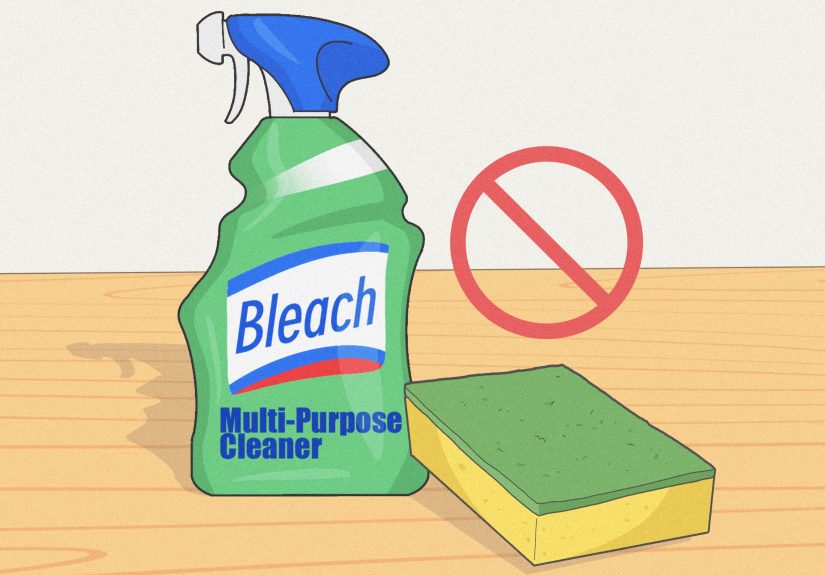
What Not to Use When Cleaning a Microwave
A microwave is an appliance, not a bathtub, so it does not need aggressive cleaning products. In fact, some products can damage the interior or leave residue where food is heated.
- Do not use bleach inside the microwave.
- Do not use ammonia-based cleaners.
- Do not use oven cleaner.
- Do not use steel wool or metal scrubbers.
- Do not spray cleaner directly into vents or control panels.
- Do not soak the inside with excess water.
If you want to clean the outside, use a damp cloth with mild dish soap. For stainless steel exteriors, wipe with the grain and dry immediately to reduce streaks. For touch panels, spray cleaner onto the cloth first, not directly onto the appliance.
How Often Should You Clean Your Microwave?
For a microwave used daily, a quick wipe once or twice a week keeps messes from turning into permanent roommates. A lemon steam clean once a week is ideal for busy kitchens, especially if you frequently reheat soups, sauces, oatmeal, rice, or anything covered in cheese.
If you only use the microwave occasionally, clean it whenever you notice splatters or smells. The best time to wipe a spill is right after it happens, once the microwave is cool enough to touch. Fresh splatters are cooperative. Old splatters have opinions.
How to Prevent Microwave Messes
Cover your food
A microwave-safe cover is one of the easiest ways to prevent splatters. It allows steam to escape while blocking sauce explosions. You can also use a microwave-safe plate or vented lid, depending on the food.
Use lower power for messy foods
High power is fast, but it can make thick foods bubble violently. Sauces, soups, chili, and oatmeal often heat more evenly at medium power for a longer time. Stir halfway through to reduce hot spots.
Wipe small spills immediately
A ten-second wipe today can prevent a ten-minute cleaning session later. Keep a small cloth or paper towel nearby so tiny splatters do not become crispy wall art.
Use deeper bowls
Shallow bowls are convenient until soup leaps over the edge. When reheating liquids or saucy foods, choose a deeper microwave-safe bowl and leave extra space at the top.
Can You Use Bottled Lemon Juice Instead of a Fresh Lemon?
Yes, bottled lemon juice can work in a pinch. Add 1 to 2 tablespoons of lemon juice to one cup of water and microwave it the same way. Fresh lemon is usually better for fragrance, but bottled lemon juice still helps create a mildly acidic steam bath for loosening grime.
If you have neither fresh nor bottled lemon juice, plain water can still steam-clean the microwave. It will not smell as bright, but steam alone does much of the heavy lifting.
Can You Mix Lemon and Vinegar?
You can add a small splash of white vinegar to lemon water for extra odor control and grease-cutting power. However, the smell may be sharper. If you prefer a lighter scent, stick with lemon only. Never mix vinegar with bleach or ammonia-based products.
For most household microwave messes, lemon and water are enough. Save vinegar for stronger odors or greasy buildup that needs a little extra persuasion.
Experience Notes: What Actually Works in Real Kitchens
After cleaning plenty of microwaves, one thing becomes obvious: the lemon method works best when you let the steam do the work. The most common mistake is heating the lemon water and opening the door immediately. That releases the steam too soon. The five-minute resting period matters because it gives the moisture time to soften dried food. It is the difference between wiping and scrubbing.
For everyday messes, one lemon and one cup of water are usually enough. A microwave with a few soup splatters, butter marks, or coffee drips can look dramatically better after one steam cycle. The cloth glides over the walls, crumbs loosen from corners, and the smell improves right away. The lemon scent is not overpowering; it simply makes the appliance smell clean instead of suspicious.
For baked-on food, patience beats pressure. If a patch of sauce has hardened near the ceiling, pressing a damp lemon-water cloth against the spot works better than scraping. Let the moisture sit there for half a minute, then wipe in small circles. If it still refuses to move, repeat the steam cycle. Old food buildup usually comes off in layers, not all at once.
The turntable often needs separate attention. Even if the microwave walls wipe clean quickly, the glass plate may have sticky rings from mugs, bowls, and reheated leftovers. Washing it in the sink with dish soap gives a better result than trying to wipe it in place. Just remember to let hot glass cool before running it under water.
Another helpful habit is checking the microwave ceiling. Most people wipe the sides and forget the top, but the ceiling is where sauce splatters love to hide. Cleaning from top to bottom prevents loosened bits from falling onto areas you already cleaned. It also saves you from discovering a dried bean two days later and wondering how it got there.
For households with kids, roommates, or snack-loving adults who claim “it was already like that,” a weekly lemon steam clean is a small sanity saver. It takes less than ten minutes, uses inexpensive ingredients, and avoids the drama of mystery odors. The method is also useful before guests visit, especially if someone is likely to open the microwave and judge your entire lifestyle based on one hardened cheese splatter.
The biggest lesson is simple: clean lightly and often. A microwave that gets a quick lemon steam treatment every week rarely needs deep scrubbing. Once food becomes carbonized from repeated heating, it is harder to remove and may leave stains. The lemon method is excellent, but it is not a time machine. It cannot undo six months of lasagna explosions in one heroic wipe.
Still, for a natural microwave cleaner, lemon water is hard to beat. It is cheap, safe when handled carefully, pleasant-smelling, and surprisingly effective. It turns a chore most people avoid into something almost satisfying. Almost. Let’s not get carried away.
Conclusion
Cleaning a microwave with lemon is one of the easiest ways to remove baked-on food, soften greasy splatters, and freshen lingering odors without harsh cleaners. The process is simple: heat lemon water, let the steam sit, wipe the interior, wash the turntable, and dry everything well. For stubborn spots, repeat the steam treatment or use a gentle baking soda paste.
The real secret is consistency. Cover food before reheating, wipe spills quickly, and give your microwave a weekly lemon steam clean if it works hard every day. Your microwave will smell better, look brighter, and stop reminding everyone what you ate three dinners ago.