Table of Contents >> Show >> Hide
- What Is Nonverbal Communication?
- Why Body Language Matters in Communication
- The Golden Rule: Match Your Words and Your Signals
- Core Types of Body Language and Nonverbal Cues
- How to Read Body Language Without Overthinking Everything
- How to Use Body Language to Communicate Better
- Body Language in Common Situations
- Common Body Language Mistakes to Avoid
- A Simple Practice Plan for Better Nonverbal Communication
- Experience Notes: What Real Conversations Teach About Body Language
- Conclusion
- SEO Tags
Words matter. Absolutely. But let’s be honest: sometimes your mouth says, “I’m fine,” while your shoulders are hunched, your eyebrows are doing a thunderstorm impression, and your coffee mug is being gripped like it owes you money. That is the wonderful, weird, and very human world of body language.
Learning how to communicate with body language and nonverbal cues is not about becoming a mind reader. It is not about staring at someone’s crossed arms and announcing, “Aha! You are emotionally unavailable.” Please do not become that person at brunch. Instead, effective nonverbal communication is about noticing patterns, matching your signals to your message, and creating more trust, clarity, and connection in everyday conversations.
Body language includes facial expressions, eye contact, gestures, posture, tone of voice, personal space, touch, movement, and even the pace of your breathing. When these cues support your words, communication feels smooth. When they contradict your words, people may believe the tension before they believe the sentence.
What Is Nonverbal Communication?
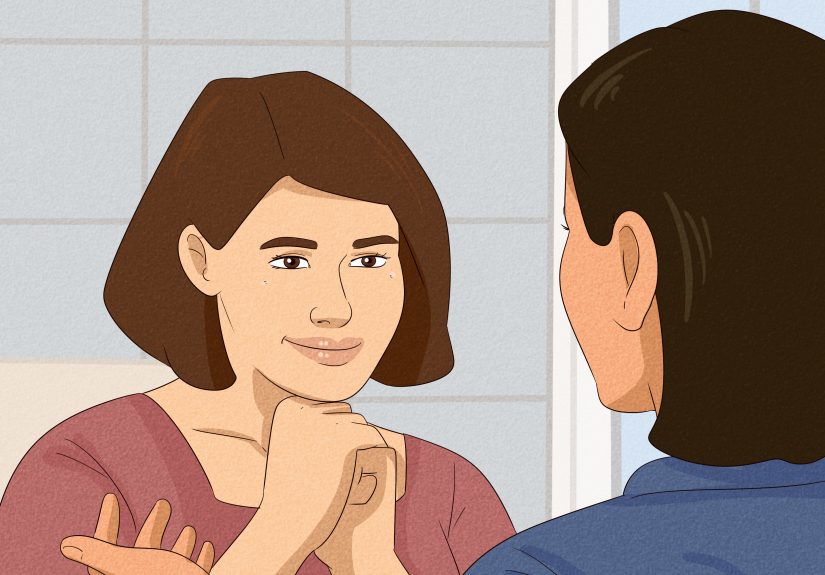
Nonverbal communication is the way people send and receive messages without relying only on spoken or written words. It includes how you look, listen, move, react, pause, and physically show up in a conversation. A warm smile, a steady voice, a respectful distance, and an attentive posture can say, “I’m here with you,” before you even open your mouth.
Body language is one major part of nonverbal communication, but it is not the whole story. Your tone, volume, speed of speech, eye contact, clothing, facial expression, and use of space also shape the message. A simple “Sure” can sound generous, annoyed, sarcastic, nervous, or delighted depending on the delivery. In other words, “Sure” is doing a lot of unpaid overtime.
Why Body Language Matters in Communication
Good nonverbal communication helps people feel safe, respected, and understood. In personal relationships, it can show affection, patience, curiosity, or concern. In the workplace, it can build credibility, improve teamwork, reduce tension, and help meetings feel less like a group of laptops wearing human faces.
Nonverbal cues also help regulate conversations. A nod encourages someone to continue. A raised hand politely asks for a turn. Leaning forward may show interest. Looking away for too long may signal distraction, discomfort, or simply that someone saw a dog outside the window. Context matters.
One important warning: body language is not a secret codebook. There is no universal dictionary where “left eyebrow twitch equals betrayal.” Research and communication experts repeatedly caution that nonverbal cues should be read in clusters, not as isolated signs. A person might cross their arms because they are defensive, cold, tired, comfortable, or trying not to knock over their salad. The cue is information, not a verdict.
The Golden Rule: Match Your Words and Your Signals
The most effective body language is congruent. That means your verbal message and nonverbal cues point in the same direction. If you say, “I’m excited to hear your idea,” but you are checking your phone, facing the door, and sighing like a haunted accordion, your listener will probably trust your behavior more than your sentence.
Congruence creates trust. When your face, voice, posture, and words line up, people do not have to work as hard to understand you. The conversation feels cleaner. There is less guessing, less defensiveness, and fewer “Wait, are you mad?” follow-up questions.
Core Types of Body Language and Nonverbal Cues
1. Facial Expressions
Your face is the billboard of your emotional neighborhood. Smiles, frowns, raised eyebrows, narrowed eyes, tightened lips, and relaxed cheeks all add meaning to your words. A genuine smile can communicate warmth and openness. A tense jaw may suggest stress or frustration. A blank face during someone’s emotional story may accidentally say, “I am a customer-service robot,” even if you care deeply.
To communicate better, let your facial expression reflect the moment. When someone shares good news, show enthusiasm. When someone shares a problem, soften your face and avoid smirking or looking impatient. Your expression does not need to be theatrical. You are communicating, not auditioning for a soap opera.
2. Eye Contact
Eye contact helps show attention, confidence, and respect. Too little eye contact can seem distracted or unsure. Too much can feel intense, invasive, or like you are trying to win a staring contest with a housecat. The best eye contact is natural and flexible.
In one-on-one conversations, look at the person while they speak, glance away occasionally, and return your attention. In group settings, share eye contact around the room instead of locking onto one person as if they are the only lighthouse in a foggy sea.
Remember that eye contact norms vary by culture, personality, neurodiversity, and situation. Some people listen better while looking away. Do not assume that limited eye contact automatically means dishonesty or disrespect.
3. Posture
Posture communicates energy and attitude. An open, balanced posture can suggest confidence and availability. Slouching, turning away, or collapsing into yourself may suggest boredom, insecurity, fatigue, or stress. Again, context matters: sometimes a person is not disengaged; their office chair is simply a medieval torture device with wheels.
For stronger communication, keep your shoulders relaxed, spine comfortably upright, and body oriented toward the person speaking. You do not need military posture. Aim for “present and engaged,” not “guarding Buckingham Palace.”
4. Gestures
Gestures help emphasize ideas, organize information, and bring energy to conversation. Open palms can feel inviting. Pointing may feel aggressive if overused. Fidgeting may distract from your message. Purposeful gestures can make you appear clearer and more expressive, especially when speaking publicly.
Use gestures to support meaning. Count points on your fingers, show size or direction with your hands, and keep movements controlled enough that nearby beverages remain safe. In professional settings, gestures should clarify your message, not become a weather system.
5. Tone of Voice
Tone is technically not body language, but it is a powerful nonverbal cue. Your pitch, pace, volume, rhythm, and pauses shape how people interpret your words. A calm tone can reduce conflict. A sharp tone can escalate it. A rushed tone can make people feel you want the conversation to end before it begins.
If the message is important, slow down. Use pauses. Let your tone match your intention. “I want to understand” should sound curious, not like a detective about to reveal fingerprints.
6. Personal Space
Proxemics, or the use of personal space, affects comfort. Standing too close can feel intrusive. Standing too far away can feel cold or disconnected. The right distance depends on the relationship, culture, environment, and situation.
In most American professional settings, give people enough room to breathe, gesture, and escape if the conversation turns into a surprise discussion about quarterly spreadsheets. In personal relationships, pay attention to the other person’s comfort and adjust naturally.
7. Touch
Touch can communicate care, encouragement, sympathy, or connection, but it must be used with consent and cultural awareness. A handshake, shoulder pat, hug, or supportive touch can be welcome in one relationship and inappropriate in another.
When in doubt, ask or avoid touch. Respecting boundaries is one of the clearest nonverbal messages you can send.
How to Read Body Language Without Overthinking Everything
Reading nonverbal cues works best when you observe clusters. A single cue is weak evidence. A pattern is stronger. If someone has crossed arms, a tense jaw, short answers, a turned-away body, and a clipped tone, they may be uncomfortable or frustrated. If they have crossed arms while smiling, leaning in, and speaking warmly, they may simply be comfortable.
Use the three C’s: context, clusters, and change.
Context
Where are you? What is happening? Is the room cold? Is the person under pressure? Are they speaking in a second language? Are they in a hurry? The same gesture can mean different things in different situations.
Clusters
Look for several cues pointing in the same direction. Facial expression, posture, tone, and words together give a more reliable picture than one isolated movement.
Change
Notice shifts from a person’s usual behavior. If a normally relaxed coworker becomes stiff, quiet, and avoids eye contact after a question, something may have changed. That does not tell you exactly what happened, but it gives you a reason to check in gently.
How to Use Body Language to Communicate Better
Start with Presence
Presence is the foundation of good nonverbal communication. Put away distractions, turn your body toward the person, and listen with your full attention. People can feel when you are only half-present. The other half is usually in your inbox.
Keep an Open Posture
Uncross your arms when appropriate, relax your shoulders, and avoid turning your body away. Open posture does not mean exaggerated friendliness. It means you look available for conversation rather than physically prepared to flee.
Use Nods and Small Encouragers
A nod, soft “mm-hmm,” or brief smile can show that you are following. These small cues help the speaker feel heard. Just avoid nodding automatically when you disagree. Otherwise, your head says yes while your brain files a formal complaint.
Mirror Carefully
Subtle mirroring can build rapport. If someone speaks calmly and leans slightly forward, matching their energy can help create connection. But do not mimic every movement. That turns rapport into accidental mime class.
Control Nervous Habits
Fidgeting, tapping, checking your phone, or constantly adjusting your clothes can distract from your message. If you are nervous, plant your feet, breathe slowly, and give your hands a simple job, such as resting lightly on the table or holding a pen.
Match Energy to the Moment
A celebration deserves more animation. A serious conversation calls for steadiness. A brainstorming session benefits from openness and movement. A difficult apology needs calm, sincere cues. Choose nonverbal signals that fit the emotional temperature of the room.
Body Language in Common Situations
At Work
In meetings, sit upright, face the speaker, and avoid multitasking. When presenting, use purposeful gestures and make eye contact with different people. During conflict, keep your tone even and your posture grounded. Calm body language can prevent a disagreement from turning into a corporate thunderstorm.
In Interviews
First impressions are shaped quickly, so enter with relaxed confidence. Offer a polite greeting, sit with open posture, and listen actively. Do not over-rehearse your gestures; you want to look prepared, not assembled from a leadership seminar starter kit.
In Relationships
With friends, partners, and family, nonverbal cues often carry emotional weight. Putting your phone down, softening your expression, and turning toward someone can communicate care more powerfully than a perfect sentence. During hard conversations, your tone and posture can either invite honesty or make the other person armor up.
In Public Speaking
Strong speakers use their bodies to guide attention. Stand with balance, gesture naturally, pause instead of rushing, and scan the room with friendly eye contact. Movement should have purpose. Wandering back and forth without reason can make the audience feel like they are watching a very anxious tennis match.
On Video Calls
Virtual communication compresses body language into a small rectangle, so your face, posture, and voice become even more important. Look near the camera occasionally, sit upright, use facial expressions to show engagement, and avoid checking other tabs. Yes, people can tell. Your “I am definitely listening” face has browser-tab energy.
Common Body Language Mistakes to Avoid
One common mistake is sending mixed signals. For example, saying “Take your time” while repeatedly checking the clock tells a different story. Another mistake is overinterpreting others. If you treat every scratch, glance, or posture shift like courtroom evidence, you will become exhausted and possibly unpopular.
Other common mistakes include standing too close, interrupting with gestures, avoiding eye contact entirely, using a harsh tone, looking at your phone, or wearing a facial expression that accidentally says, “I just smelled betrayal.” Self-awareness is the cure. Ask trusted people how you come across. Record yourself practicing a presentation. Notice what your body does when you are stressed.
A Simple Practice Plan for Better Nonverbal Communication
First, choose one cue to improve each week. Start with eye contact, posture, or tone. Trying to fix everything at once is like trying to reorganize your closet during an earthquake.
Second, practice active listening. In your next conversation, focus on facing the speaker, relaxing your expression, and not interrupting. Notice how the conversation changes when your body says, “I’m with you.”
Third, check alignment. Before an important conversation, ask yourself: What do I want this person to feel? Respected? Encouraged? Calm? Clear? Then choose body language that supports that goal.
Fourth, ask for feedback. A colleague, friend, coach, or mentor can tell you whether your nonverbal cues match your intentions. Feedback may be uncomfortable, but so is spinach in your teeth. Better to know.
Experience Notes: What Real Conversations Teach About Body Language
One of the clearest lessons from real-life communication is that people remember how you made them feel before they remember your exact words. Think about a time when someone listened to you with full attention. They may not have said anything brilliant. Maybe they simply turned toward you, nodded at the right moments, softened their face, and waited instead of jumping in. That kind of presence can make an ordinary conversation feel surprisingly safe.
In workplace conversations, body language often decides whether feedback lands well or crashes like a printer during tax season. Imagine a manager saying, “I want to help you grow,” while leaning back, crossing their arms, and speaking in a cold tone. The words sound supportive, but the body language feels like a locked door. Now imagine the same manager sitting at eye level, keeping a calm voice, leaving pauses, and asking, “How did this project feel from your side?” The feedback may still be difficult, but the nonverbal cues create room for honesty.
In friendships and family life, nonverbal communication can repair small emotional gaps. A partner who looks up from their phone when you walk in is sending a message: “You matter more than this screen.” A parent who kneels to a child’s eye level is saying, “I am not towering over you; I am here with you.” A friend who sits quietly beside you during a hard day may communicate more comfort than a dozen motivational quotes, especially the ones with mountains in the background.
There are also awkward lessons. Many people discover their nervous habits only after seeing themselves on video. They may rock back and forth, touch their face, overuse filler gestures, or smile when discussing serious topics. These habits are not moral failures. They are just signals that may confuse the listener. Once you notice them, you can adjust. The goal is not to become perfectly still or polished. The goal is to become easier to understand.
Another practical experience: silence is not empty. In emotional conversations, a pause can show respect. It gives the other person time to think, breathe, and continue. Many people rush to fill silence because it feels uncomfortable, but a calm pause often says, “I’m not pushing you.” That is powerful nonverbal communication.
The best communicators are not the flashiest. They are the people whose words, tone, face, posture, and attention all seem to agree. They do not perform connection; they create it. They know when to lean in, when to give space, when to smile, when to stay still, and when to simply listen. Body language is not about controlling others. It is about taking responsibility for the messages you send before and after your words.
Conclusion
Learning how to communicate with body language and nonverbal cues is one of the most practical ways to improve your relationships, confidence, and everyday conversations. You do not need dramatic gestures, mysterious techniques, or a detective’s squint. You need awareness, alignment, and practice.
Use open posture to show availability. Use natural eye contact to show attention. Use tone to support your message. Read others in context, not by isolated cues. Respect cultural differences, personal boundaries, and individual communication styles. Most of all, remember that body language works best when it is honest. When your words and nonverbal signals work together, people do not just hear you betterthey trust you more.