Table of Contents >> Show >> Hide
- Why Healthy Confidence Matters More Than “Looking Pretty”
- 16 Healthy Tips to Help a 10-Year-Old Girl Feel Her Best
- 1. Start with basic hygiene
- 2. Keep hair clean and easy to manage
- 3. Choose clothes that are comfortable first
- 4. Let her develop her own style
- 5. Teach skincare to be gentle and simple
- 6. Make sunscreen a daily habit
- 7. Encourage good posture
- 8. Focus on healthy food, not dieting
- 9. Make sleep a beauty secret that actually works
- 10. Keep nails clean and tidy
- 11. Use accessories for fun, not pressure
- 12. Build confidence through activities she enjoys
- 13. Teach kind self-talk
- 14. Keep comparisons off the throne
- 15. Encourage kindness and good manners
- 16. Let her stay age-appropriate
- Healthy Habits That Support Confidence Every Day
- What Adults Should Avoid
- Real-Life Experiences and Lessons from Families
- Final Thoughts
Note: This article takes a healthy, age-appropriate approach. Instead of pushing beauty standards on a child, it focuses on confidence, hygiene, comfort, self-expression, and kindnessthe stuff that actually lasts longer than glitter lip balm and one trendy headband.
Let’s be honest: a lot of advice aimed at young girls gets weirdly obsessed with looks. One minute it starts with “just a few tips,” and the next minute it sounds like a tiny fashion influencer is being trained for the red carpet. That is not the goal here. A 10-year-old does not need pressure to look “perfect.” She needs support, healthy habits, and room to be a kid.
If you want to help a young girl feel good about herself, the best place to start is not with heavy beauty routines or grown-up trends. It is with simple hygiene, comfy clothes, positive self-talk, good posture, and the kind of confidence that shows up in a smile, not a mirror panic. In other words, the real glow-up is feeling clean, capable, and happy.
This guide shares 16 practical, age-appropriate tips that help a 10-year-old girl look neat, feel comfortable, and build healthy self-esteem. Some are about grooming, some are about style, and some are about the inside stuff that matters even more. Because yes, a cute outfit is funbut kindness, confidence, and clean socks are undefeated.
Why Healthy Confidence Matters More Than “Looking Pretty”
Kids this age are still figuring out who they are. They notice what friends wear, what older kids do, and what the internet says is “cute,” “cool,” or “popular.” That can be a lot. The healthiest message to give a 10-year-old girl is that taking care of herself is a good thing, but she does not need to change her face, body, skin tone, or personality to be worthy.
Real confidence grows when a child feels safe, respected, clean, included, and free to express herself. That means routines should be simple, gentle, and supportive. No harsh products. No intense pressure. No “fixing flaws.” Just healthy habits and room to grow up at a normal speed.
16 Healthy Tips to Help a 10-Year-Old Girl Feel Her Best
1. Start with basic hygiene
Looking neat usually begins with feeling clean. A regular routinebathing, washing hands, brushing teeth twice a day, and putting on clean clothesgoes a long way. This is not glamorous advice, but neither is smelling like mystery gym socks. Good hygiene helps kids feel fresh, comfortable, and confident around others.
2. Keep hair clean and easy to manage
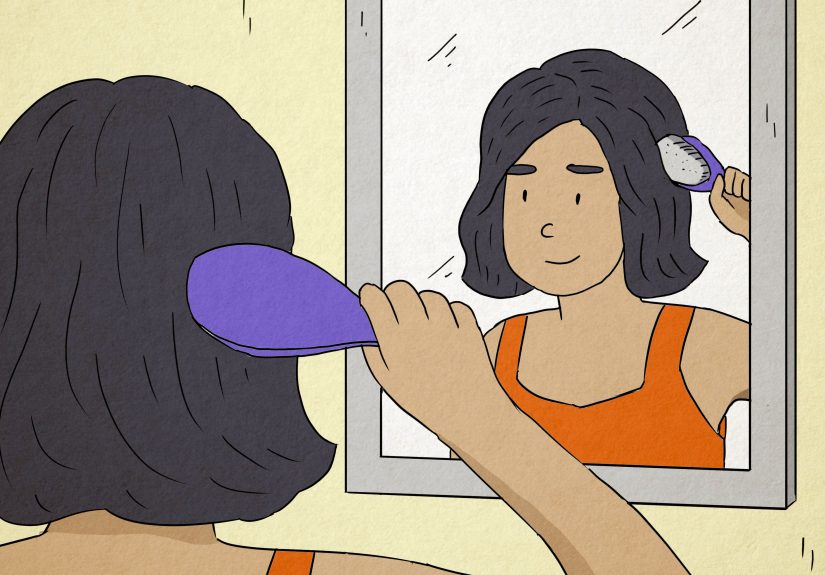
Hair does not need to be fancy to look nice. It just needs to be cared for in a way that matches the child’s hair type and daily routine. A simple wash schedule, a gentle brush or comb, and easy hairstyles like ponytails, braids, buns, or clips can make mornings much smoother. The best hairstyle is the one that stays out of her face during real life.
3. Choose clothes that are comfortable first
A child looks best when she is not tugging at itchy sleeves or trying to survive jeans that feel like cardboard tubes. Comfortable clothes that fit well help a 10-year-old move, play, sit in class, and be herself. Soft fabrics, weather-appropriate layers, and shoes she can actually walk in matter more than chasing every trend.
4. Let her develop her own style
Some girls love bright colors. Some want everything sparkly. Some are loyal to hoodies like it is a full-time job. Personal style is part of self-expression, and this is a good age to let it grow naturally. Give choices within reasonable limits and let her mix colors, accessories, or patterns that make her happy. Fashion at 10 should feel playful, not stressful.
5. Teach skincare to be gentle and simple
Young skin does not need a 14-step routine that looks like it came from an adult beauty aisle showdown. Usually, a gentle face wash, water, and sunscreen during the day are enough. If a child has specific skin concerns, a pediatrician or dermatologist is the right person to ask. Healthy skincare is about protection and comfort, not chasing perfection.
6. Make sunscreen a daily habit
One of the smartest self-care habits a child can learn early is using sunscreen when spending time outside. It helps protect skin from sun damage and supports long-term skin health. Think of it less as a beauty tip and more as a “future-you will appreciate this” move.
7. Encourage good posture
Good posture can change how a child feels almost instantly. Standing tall, lifting the head, and relaxing the shoulders can make her look more confident and feel more awake. No, she does not need to walk around like a tiny royal at a state dinner. Just a simple reminder to sit and stand comfortably can help.
8. Focus on healthy food, not dieting
At 10, the message should never be about dieting to “look better.” It should be about eating foods that help the body grow, play, learn, and feel strong. Regular meals, fruits, vegetables, protein, water, and balanced snacks support healthy energy and overall well-being. A child is not a before-and-after photo project.
9. Make sleep a beauty secret that actually works
If there were a truly magical “look better tomorrow” trick for kids, it would be sleep. Enough rest helps with mood, concentration, skin comfort, energy, and general human functioning. Bedtime routines matter: less chaos, less screen time before bed, and more consistency. Sleep is not glamorous, but it delivers results.
10. Keep nails clean and tidy
Clean, trimmed nails are a small detail that can make a child feel more put together. If she enjoys fun nail polish once in a while, that can be a playful extra, but neat nails matter more than color. Hygiene wins again. It keeps hands looking tidy and helps prevent dirt from setting up camp under the fingernails.
11. Use accessories for fun, not pressure
Headbands, scrunchies, hats, bracelets, colorful socks, or backpacks can add personality without making a child feel overly grown-up. Accessories should feel lighthearted. They are little extras, not requirements. If she loves them, great. If she does not, that is also great. Nobody has ever become less awesome because they skipped a bow.
12. Build confidence through activities she enjoys
A child who feels capable often appears more confident naturally. Sports, music, art, dance, reading, crafts, science clubs, or just being great at making the world’s most dramatic friendship bracelets all count. Skills build self-esteem. And when kids feel proud of what they can do, they stop measuring themselves only by how they look.
13. Teach kind self-talk
Kids hear a lot from the world, but the voice they build inside their own head matters even more. Help her replace harsh thoughts with kind, realistic ones. Instead of “I look weird,” try “I am still growing, and I can take care of myself.” Instead of “Everyone else is prettier,” try “Everybody looks different, and that is normal.” The goal is not fake perfection. It is self-respect.
14. Keep comparisons off the throne
Comparing a child’s appearance to friends, classmates, influencers, or celebrities is a fast way to damage confidence. Every 10-year-old develops differently. Different heights, different hair, different skin, different interests, different everything. Normal is a huge category. The healthiest standard is not “look like her.” It is “feel like yourself.”
15. Encourage kindness and good manners
People notice how someone acts just as much as how they looksometimes more. A warm smile, good manners, eye contact, and kindness toward others make a child seem approachable and confident. That does not mean she has to be a people-pleaser. It just means character is part of presence, and it matters.
16. Let her stay age-appropriate
This might be the most important tip of all. A 10-year-old does not need to look older to look good. Age-appropriate clothes, simple routines, and playful self-expression protect both confidence and childhood. There is absolutely no award for rushing into grown-up beauty standards early. Childhood is not a deadline.
Healthy Habits That Support Confidence Every Day
The biggest secret in this whole topic is that confidence is built through small, repeatable habits. A morning routine. Clean clothes. Brushed teeth. Hair that feels comfortable. Enough water. Enough sleep. A lunch that is actually food, not just three crackers and a wish. These habits do more for how a child feels than any trendy advice ever could.
It also helps when adults model a balanced attitude. If parents or caregivers constantly criticize their own appearance, kids notice. If adults treat grooming as self-care instead of a never-ending makeover mission, kids learn that too. Children do not just listen to advice; they absorb the environment around them.
What Adults Should Avoid
If you are helping a 10-year-old girl build confidence, there are a few things to skip. Avoid teasing her about looks, even as a joke. Avoid calling features “flaws.” Avoid grown-up beauty expectations, intense makeup, or comments that make her think her value depends on being attractive. Avoid turning ordinary hygiene into a performance review.
Also avoid perfectionism. Hair will be messy sometimes. Socks will mismatch. A shirt may be worn backward at least once in the history of childhood, probably before 8:15 a.m. That is normal. The goal is not a polished social media image. The goal is a healthy, happy child who feels good in her own skin.
Real-Life Experiences and Lessons from Families
Many parents and caregivers notice the same pattern: when they stop focusing on whether a child looks “pretty” and start focusing on whether she feels comfortable and confident, things get better fast. One mom realized her daughter hated getting dressed for school not because she wanted trendier outfits, but because her clothes were stiff, scratchy, and too fussy for recess. Once they switched to softer basics and let the child choose between a few favorite options, mornings became much calmer. The girl smiled more, complained less, and suddenly seemed more confidentnot because she looked dramatically different, but because she felt like herself.
Another family found that hair care was the daily battle zone. Brushing long hair had turned into a morning drama worthy of a full soundtrack and a fog machine. Instead of forcing the same routine, they tried detangler, a gentler brush, and simpler styles. They also let the child help choose clips and hair ties she actually liked. That small bit of control changed everything. She became more willing to care for her hair because it no longer felt like a punishment disguised as grooming.
Teachers often notice confidence cues too. Kids who come to school rested, clean, and comfortable tend to participate more easily. It is not because they meet some imaginary beauty standard. It is because they are not distracted by itchy clothes, tangled hair, or the feeling that they are being judged all day. When children feel secure, they raise their hands more, laugh more, and interact more naturally with friends.
Some caregivers also talk about the power of changing the language at home. Instead of saying, “You look so pretty today,” every single time, they mix in compliments like, “You look confident,” “You seem really happy,” “That color looks fun on you,” or “I like how you took care of yourself this morning.” Over time, children begin to understand that being valued is not just about appearance. They start noticing effort, creativity, kindness, and self-respect too.
There are also stories from girls themselves. Many remember feeling best not on the days they looked the most dressed up, but on the days they felt comfortable, included, and free to play without worrying about how they looked. The favorite sneakers, the ponytail that stayed put, the hoodie that felt safe, the friend who made them laugh at lunchthose moments shaped confidence more than any polished look ever did.
That is the heart of this topic. A 10-year-old girl does not need pressure to become prettier. She needs support to become more at ease with herself. She needs adults who help her learn basic care, let her explore personal style in safe ways, and remind her that appearance is only one tiny piece of a much bigger picture. When kids grow up hearing that they are valuable, capable, and allowed to be themselves, they carry that message much further than any beauty tip could ever travel.
And yes, there is still room for fun. Cute hair clips? Sure. Colorful shoes? Absolutely. A sparkly jacket that makes her feel like a disco comet with homework? Why not. Joy and self-expression belong in childhood. They just work best when they are not tied to pressure, comparison, or the idea that a child must “measure up” visually. The healthiest confidence always starts from the inside and then shows up on the outside in simple ways: a brighter smile, easier body language, and the relaxed energy of a kid who knows she is okay just as she is.
Final Thoughts
If you want a 10-year-old girl to feel her best, skip the unhealthy beauty pressure and lean into healthy routines, comfort, confidence, and kindness. The most powerful “tips and tricks” are not about changing her features. They are about helping her care for herself, express herself, and stay age-appropriate while growing naturally. In the end, the goal is not to create a tiny version of grown-up beauty culture. It is to help a child feel clean, capable, happy, and completely at home in who she is.