Table of Contents >> Show >> Hide
- What “DIY Personal Space Heater” Should Really Mean
- Why You Should Not Build a Homemade Electric Heater
- Project One: Build a DIY Warm-Zone Desk Pod
- Project Two: Make a DIY Personal Warmth Kit
- Project Three: Create a Draft-Free Reading or Gaming Corner
- When a Certified Space Heater Makes Sense
- DIY Personal Heater Ideas to Avoid
- How to Make Your Personal Warm Zone More Energy Conscious
- 500-Word Field Notes: What a DIY Personal Warm Zone Feels Like in Real Life
Cold office? Chilly bedroom? Drafty corner that feels like it has its own zip code? A personal space heater can make a small area much more comfortable without turning your entire home into a tropical resort. But there is one important distinction to make before grabbing wires, candles, flowerpots, or anything that looks suspiciously like a science-fair project: a safe DIY personal heater is not a homemade electric heater.
The smart approach is to build a personal warm zone. That means reducing drafts, trapping the warmth your body already creates, improving insulation around your workspace, and using a certified heater only when necessary. It is less dramatic than a glowing homemade coil, but it is also far less likely to turn your Tuesday afternoon into a call to the fire department.
What “DIY Personal Space Heater” Should Really Mean
When people search for a DIY personal space heater, they are usually trying to solve a simple problem: “I am freezing, but I do not want to heat an entire house for one human being and one laptop.” That is a fair complaint. Heating a whole home when you are parked at a desk for several hours can feel like using a stadium floodlight to find your keys.
The safest DIY solution is to create a smaller comfort zone around your body rather than trying to manufacture heat from scratch. A warm zone works by doing three things:
- Blocking cold drafts from windows, doors, and floor gaps.
- Reducing heat loss from your feet, legs, and lower body.
- Using layers and passive insulation to keep your own body heat close by.
This approach is especially useful for renters, students, remote workers, apartment dwellers, and anyone whose thermostat is controlled by another person who apparently believes sweaters are a personality trait.
Why You Should Not Build a Homemade Electric Heater
A commercially made space heater has more going on than a fan, a hot element, and a hopeful attitude. Properly designed heaters include temperature controls, insulated wiring, stable housings, overheat protection, tip-over safety features, and materials tested to reduce fire and electric-shock risks.
A homemade heater may appear simple, but the hidden risks are not. An exposed heating element can ignite fabric, overload a circuit, melt plastic, burn skin, or damage nearby electronics. Even a project that “worked fine last winter” can become dangerous when a wire loosens, a plug overheats, a pet bumps the setup, or a blanket lands in the wrong place.
Think of it this way: DIY is excellent for sewing a draft stopper, hanging window film, or building a cozy desk skirt. DIY is not the best place to improvise electrical engineering while wearing pajamas.
Project One: Build a DIY Warm-Zone Desk Pod
A desk pod is a simple, low-risk setup that helps trap body heat around your legs while reducing exposure to chilly air. It does not create heat. Instead, it prevents your workspace from stealing warmth faster than your body can replace it.
Materials You Will Need
- A fleece throw blanket, thick curtain panel, or lightweight quilt.
- Removable adhesive hooks, binder clips, or hook-and-loop strips.
- A foam footrest, yoga mat, folded blanket, or rug pad.
- A door draft stopper or rolled towel.
- Optional: window insulation film for nearby drafty windows.
Step 1: Start With the Floor
Cold floors are sneaky. You may feel reasonably warm from the waist up while your feet quietly turn into refrigerated vegetables. Place a foam mat, folded blanket, or insulated footrest under your desk. This creates a barrier between your feet and the floor, especially if you work on tile, concrete, laminate, or hardwood.
A small foam board covered with fabric can also work as a simple foot platform. Keep it stable, flat, and free of loose edges that could become a tripping hazard. The goal is comfort, not creating an obstacle course beneath your keyboard.
Step 2: Add a Desk Skirt
Attach a blanket, curtain panel, or fleece throw to the front and side edges of your desk using removable hooks, clips, or hook-and-loop strips. Let the material hang loosely around your legs, but do not create a sealed enclosure. You should be able to move your feet easily and stand up without fighting your furniture like it is a giant fabric octopus.
The desk skirt slows down air movement around your lower body. When cold air is not constantly sweeping under your desk, the warmth from your legs, socks, and lap blanket stays nearby longer.
Leave the back open, keep the fabric away from power strips, and do not place any heater inside the enclosure. The desk pod is designed to trap body warmth, not to become a tiny blanket-lined furnace.
Step 3: Use a Lap Blanket Strategically
A lap blanket is one of the simplest personal heating tools available. Choose fleece, wool, quilted cotton, or another comfortable insulating fabric. Drape it over your lap and legs while sitting, but avoid wrapping it so tightly that it restricts movement or makes it difficult to stand.
For a more polished setup, keep the blanket folded in a basket beside your desk. It looks intentional, cozy, and mildly impressivelike you have your life together, even if there are three coffee mugs hiding behind your monitor.
Step 4: Block the Drafts
Before buying anything electric, identify where the cold air is coming from. Place your hand around windows, exterior doors, and floor-level gaps. If you feel a noticeable draft, your room may be losing comfort faster than any small heater can replace it.
Use a fabric draft snake at the bottom of doors. You can make one by sewing a long tube from old fabric and filling it with clean fabric scraps, socks, or polyester stuffing. A rolled towel also works surprisingly well in a pinch.
For drafty windows, install seasonal window insulation film or use thick curtains after sunset. Closing blinds and curtains at night can help reduce the chilly feeling that often develops near glass.
Project Two: Make a DIY Personal Warmth Kit
A personal warmth kit is a collection of simple items that help you stay comfortable without depending entirely on a space heater. This is particularly useful if you work in a shared office, dorm room, garage studio, or rental where you do not control the thermostat.
What to Put in Your Warmth Kit
- Warm socks or insulated slippers with non-slip soles.
- A fleece lap blanket.
- A lightweight sweater, cardigan, or zip-up hoodie.
- Fingerless gloves for typing or using a mouse.
- A reusable water bottle for warm drinks.
- A compact foam footrest or folded travel blanket.
Layering works better than relying on one enormous sweater that makes you feel like a burrito with Wi-Fi. Thin layers trap air close to your body while giving you more control over your comfort level. Add or remove a layer as the room changes throughout the day.
Warm socks and insulated slippers deserve special respect. Cold feet can make an otherwise comfortable room feel miserable. A good pair of indoor slippers may not sound glamorous, but neither is shivering through a spreadsheet.
Project Three: Create a Draft-Free Reading or Gaming Corner
A personal space heater DIY project does not have to involve a desk. You can create a warmer reading nook, gaming chair zone, or couch corner by making small environmental improvements.
Choose the Right Location
Move your chair away from windows, exterior doors, and obvious drafts when possible. Even shifting a chair a few feet can change how warm a room feels. Avoid blocking heating vents, radiators, or air returns with furniture, blankets, or storage bins.
Use Soft Materials to Improve Comfort
Add a rug beneath your chair, a throw over the couch, and a pillow behind your lower back. These items do not magically raise the air temperature, but they reduce contact with cold surfaces and make your body feel warmer.
For a reading nook, try placing a bookcase, room divider, or tall plant between your chair and a drafty area. You are not building a fortress. You are simply persuading cold air to take the scenic route.
Keep Windows Covered at the Right Time
During sunny winter days, opening curtains may allow sunlight to warm the room naturally. Once the sun goes down, close curtains or blinds to reduce the cold-window effect. Thick fabric panels can make a room feel noticeably cozier, especially in older homes with less efficient windows.
When a Certified Space Heater Makes Sense
Sometimes passive warmth strategies are not enough. A certified portable heater can be useful for a small room, home office, or temporary cold spot, but it should be treated as a safety-sensitive appliancenot as a background decoration.
Look for a heater with:
- Recognized safety certification from a reputable testing organization.
- Automatic overheat protection.
- Tip-over shutoff protection.
- A thermostat or adjustable temperature setting.
- A sturdy base designed for floor use.
Place it on a hard, flat, nonflammable surface. Keep it well away from bedding, curtains, furniture, rugs, paper, clothing, pets, and anything else that could burn. Plug it directly into a wall outlet rather than a power strip or lightweight extension cord. Turn it off when you leave the room or go to sleep.
The best personal-heating strategy is often a hybrid one: improve drafts and insulation first, wear layers, then use a properly certified heater briefly when necessary. That combination can deliver comfort without trying to heat every cubic inch of the house.
DIY Personal Heater Ideas to Avoid
The internet is full of “brilliant” heating hacks that are really just fire hazards wearing a clever headline. Skip these entirely:
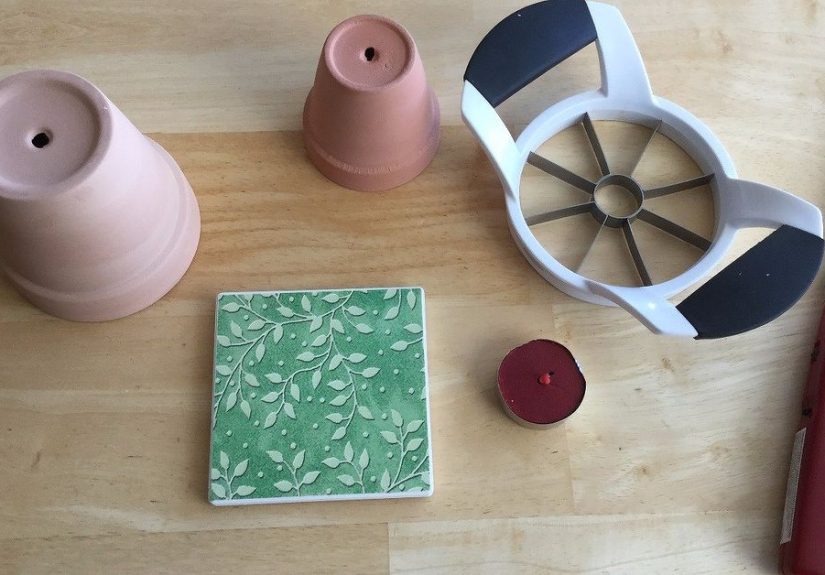
- Terracotta pot and candle heaters: Candles are open flames, and clay pots can become extremely hot.
- Homemade coil heaters: Exposed electrical parts and improvised wiring are dangerous.
- Using an oven or gas range for room heat: Cooking appliances are not designed to heat living areas.
- Charcoal grills indoors: These can produce deadly carbon monoxide.
- Fuel-burning heaters in enclosed rooms: Poor ventilation can create serious air-quality and carbon-monoxide risks.
- Blankets draped over space heaters: A cozy-looking photo is not worth a dangerous overheating situation.
- Power strips loaded with heaters and electronics: High-wattage appliances need proper electrical capacity.
There is a difference between inexpensive and unsafe. A rolled towel under a door is inexpensive. A candle trapped under a clay pot beside your curtains is unsafe, regardless of how many views the video has collected.
How to Make Your Personal Warm Zone More Energy Conscious
Saving energy is not just about buying a smaller appliance. It is also about heating the person and the occupied zone rather than wasting warmth in unused rooms. Before raising the thermostat for the entire house, try the following:
- Seal noticeable door drafts with a draft stopper.
- Close curtains after dark in colder months.
- Use a rug or insulated mat beneath your feet.
- Wear layered clothing rather than relying on one thin outfit.
- Set up your desk or chair away from obvious drafts.
- Use a lap blanket during seated activities.
- Heat a small occupied room rather than an entire empty floor.
These changes may seem modest, but comfort is usually a collection of small improvements. A blocked draft, warmer feet, a fleece layer, and a better chair location can make a room feel dramatically more livable.
500-Word Field Notes: What a DIY Personal Warm Zone Feels Like in Real Life
The first thing most people notice after setting up a personal warm zone is that the room has not suddenly become hot. That is not the point. The point is that you stop feeling like you are working inside a refrigerator aisle.
Imagine a typical winter workday. The thermostat says the house is technically comfortable, but your desk is next to a window that seems to have been installed during the Ice Age. Your hands are cold, your feet are cold, and every email feels personally offensive. Instead of immediately buying the biggest heater available, you start with the basics.
You place a foam mat under the desk. Suddenly, your feet are no longer touching a floor that feels like it was manufactured by a glacier. You add thick socks, then clip a fleece panel to the front of the desk. The space beneath the desk becomes calmer because cold air is not constantly rushing past your legs.
At first, the desk skirt may feel slightly silly. You might look down and think, “Have I built a tiny curtain for my knees?” The answer is yes. But your knees are now noticeably warmer, and they have not filed a complaint.
Next comes the lap blanket. This is where the setup begins to feel genuinely comfortable. The blanket traps warmth around your legs, while the desk pod reduces drafts underneath. You are not sweating. You are not overheating. You simply stop thinking about being cold every six minutes.
Then you notice another change: your productivity improves a little. Not because a blanket makes you smarter, unfortunately, but because you are less distracted. Cold fingers, stiff shoulders, and numb feet can make simple work feel annoying. A warmer personal zone removes some of that friction.
The best part is that the setup remains flexible. If the afternoon sun warms the room, fold the blanket away. If the temperature drops after sunset, close the curtains and bring it back. If you move to the couch to read, carry the blanket and slippers with you. The system follows you instead of forcing you to warm an entire building.
There is also a quiet satisfaction in solving the problem with simple materials. A draft stopper made from an old towel, a blanket you already own, and a foam mat from the closet can make a bigger difference than expected. It is not glamorous technology. It is practical comfort.
Of course, there are limits. If your room is genuinely cold, damp, or poorly heated, a desk pod cannot replace proper home repairs or a safe heating system. It is a comfort strategy, not a substitute for functioning heat. But for ordinary cold spots, drafty home offices, and long seated work sessions, a DIY personal warm zone can be surprisingly effective.
The biggest lesson is simple: do not try to build a risky heater. Build a smarter environment around yourself. Keep warmth close, block drafts, dress in layers, and use certified equipment carefully when you need additional heat. Your electric bill, your toes, and your smoke alarm will all appreciate the calmer approach.