Table of Contents >> Show >> Hide
- What Is Chocolate Flower?
- Best Growing Conditions for Chocolate Flower
- How to Plant Chocolate Flower
- How to Grow Chocolate Flower From Seed
- Chocolate Flower Care Through the Season
- Common Problems and How to Fix Them
- Best Landscape Uses for Chocolate Flower
- Companion Plants for Chocolate Flower
- Is Chocolate Flower Edible?
- How Long Does Chocolate Flower Bloom?
- My Experience Growing Chocolate Flower: Practical Notes From the Garden
- Conclusion
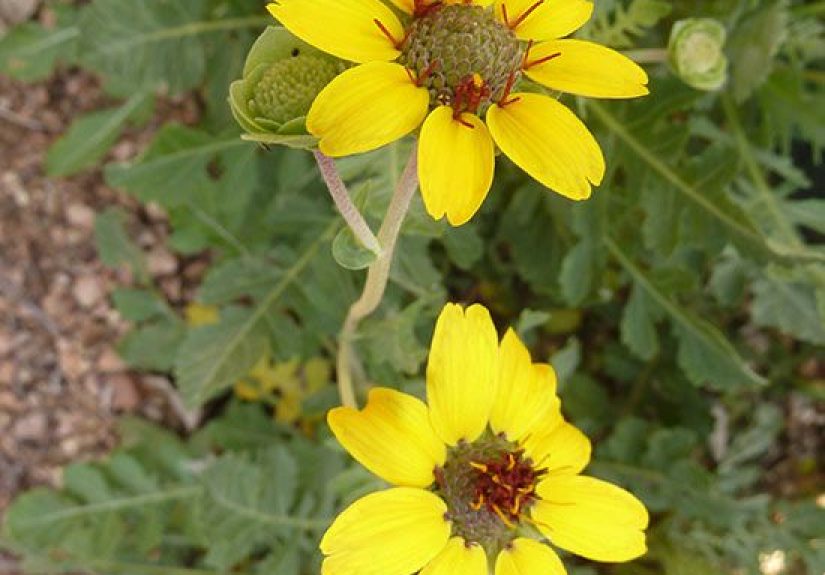
If a flower could wink at your nose, chocolate flower would do it before breakfast. Also known as chocolate daisy, lyreleaf greeneyes, or by its botanical name Berlandiera lyrata, this sunny native perennial produces cheerful yellow daisy-like blooms with a cocoa-like fragrance that is strongest in the morning. It is not a candy bar disguised as landscaping, unfortunately, but it is one of the most charming plants you can add to a dry, sunny garden.
Chocolate flower is native to parts of the central and southwestern United States and northern Mexico, where it has learned to thrive in the sort of hot, lean, rocky conditions that make fussier plants dramatically wilt as if auditioning for garden theater. For gardeners who want a low-water, pollinator-friendly, heat-tolerant perennial, chocolate flower is a small plant with a big personality.
This guide explains how to plant and grow chocolate flower successfully, including where to place it, how much water it needs, how to start it from seed, how to care for it through the season, and how to keep it looking fresh instead of floppy. Spoiler: the secret is sun, drainage, and not loving it to death.
What Is Chocolate Flower?
Chocolate flower is a herbaceous perennial wildflower in the aster family. It typically grows about 12 to 24 inches tall and wide, forming a loose mound of gray-green or medium-green foliage topped with yellow flowers that have maroon-brown centers. After the yellow petals drop, the remaining green central disk gives the plant one of its other common names: greeneyes.
The real party trick is the scent. The blooms release a noticeable chocolate or cocoa fragrance, especially early in the morning before the flowers close or the heat of the day takes over. Plant it near a patio, walkway, mailbox, or garden bench, and you may find yourself wandering outside with coffee just to sniff a flower like a perfectly normal person doing perfectly normal garden research.
Best Growing Conditions for Chocolate Flower
Chocolate flower is easy to grow when you match its natural preferences. It is not a plant that wants rich compost, constant pampering, or soggy roots. Think sunny prairie, dry meadow, gravel garden, xeriscape border, or native pollinator patch.
Light
Plant chocolate flower in full sun for the strongest growth and best flowering. A site with at least six hours of direct sunlight per day is ideal. In very hot climates, it can tolerate a little light afternoon shade, but too much shade may lead to fewer flowers and leggier stems.
Soil
Well-draining soil is the most important requirement. Chocolate flower prefers sandy, gravelly, rocky, or limestone-based soils. Average garden soil can work if it drains quickly, but heavy clay that stays wet is risky because the plant is prone to root problems in soggy conditions.
Avoid planting it in heavily amended, overly rich soil. This is one of those rare plants that may look at luxury compost and say, “No thank you, I was raised on gravel.” Too much fertility can encourage floppy growth and reduce the compact, rugged habit that makes the plant attractive.
Water
Water new plants regularly during the first growing season so they can establish a strong root system. Once established, chocolate flower is drought tolerant and performs best with low to moderate watering. Let the soil dry between waterings. In dry regions, occasional deep watering is better than frequent shallow watering.
Temperature and Hardiness
Chocolate flower is commonly grown as a perennial in USDA zones 4 through 9, though some sources list broader ranges depending on local conditions and seed strain. In cold climates, the top growth dies back in winter and returns from the roots in spring. In mild, frost-free areas, it may bloom over a much longer season.
How to Plant Chocolate Flower
The best time to plant chocolate flower is in spring after the danger of hard frost has passed, or in fall in mild-winter regions. Fall planting can work especially well in dry climates because cooler weather helps roots establish before the stress of summer heat.
Step 1: Choose the Right Location
Select a sunny spot with excellent drainage. Chocolate flower works beautifully in rock gardens, native plant beds, pollinator gardens, water-wise landscapes, curb strips, cottage gardens, and informal meadow plantings. It also looks good along paths, where people can enjoy the morning fragrance without stepping into the flower bed like a detective following dessert clues.
Step 2: Prepare the Soil
Loosen the soil to about 8 to 10 inches deep. If your soil is heavy clay, improve drainage by planting on a slight mound or raised bed. You can mix in coarse sand, small gravel, or decomposed granite to help create a leaner, faster-draining texture. Do not overdo compost or fertilizer; chocolate flower prefers a modest lifestyle.
Step 3: Space the Plants
Space plants about 12 to 18 inches apart. This gives each plant room to form a rounded clump while still creating a full look when planted in groups. For a meadow effect, plant several together in drifts rather than spacing them like lonely little garden soldiers.
Step 4: Plant at the Correct Depth
Dig a hole slightly wider than the root ball and about the same depth. Place the plant so the crown sits level with the surrounding soil. Backfill gently, firm the soil lightly, and water well to settle the roots.
Step 5: Mulch Carefully
Use a thin layer of gravel mulch, small stone, or coarse organic mulch if needed. Keep mulch away from the crown of the plant. Thick, moisture-holding mulch can trap dampness around the stems, which chocolate flower does not appreciate.
How to Grow Chocolate Flower From Seed
Chocolate flower is commonly grown from seed and may self-sow in favorable conditions. Starting from seed is budget-friendly, especially if you want a naturalized planting or a sunny patch filled with pollinator-friendly blooms.
Direct Sowing Outdoors
You can direct sow chocolate flower seeds outdoors in spring after frost danger has passed. In mild climates, fall sowing may also work. Prepare a weed-free seedbed, scatter the seeds, and press them gently into the soil. Cover lightly, because tiny wildflower seeds should not be buried like treasure.
Keep the seedbed lightly moist until germination. Once seedlings are established, gradually reduce watering. Thin seedlings to about 12 to 18 inches apart so they have room to develop into sturdy clumps.
Starting Seeds Indoors
To get a head start, sow seeds indoors several weeks before your last expected frost. Use a well-draining seed-starting mix and a sunny window or grow light. Keep the mix lightly moist, not wet. Transplant seedlings outdoors after hardening them off for a week, gradually increasing their exposure to sun and wind.
Self-Seeding
Chocolate flower can reseed when conditions are right. This is helpful in informal gardens because individual plants may be relatively short-lived, but seedlings can take their place. If you want a tidy garden, remove spent seed heads before they mature. If you want more plants, let some seed heads remain and allow nature to do a little unpaid landscaping.
Chocolate Flower Care Through the Season
Once established, chocolate flower is refreshingly low maintenance. The biggest mistake is giving it too much water, fertilizer, or shade. Treat it like a native dryland perennial, not a thirsty annual in a hanging basket.
Watering Established Plants
After the first season, water only when the soil is dry and the plant shows signs of stress. In many regions, rainfall may be enough. During long droughts, deep watering every couple of weeks can help maintain flowering, but constant moisture is unnecessary and may be harmful.
Fertilizing
In most gardens, chocolate flower does not need fertilizer. If your soil is extremely poor, a very light application of balanced organic fertilizer in spring may be enough. Avoid high-nitrogen feeding, which can create floppy foliage at the expense of flowers.
Deadheading
Deadheading spent blooms can encourage more flowering and reduce unwanted self-seeding. Snip faded flowers down to a healthy stem or basal foliage. If you enjoy the interesting seed heads or want volunteer seedlings, leave some flowers in place near the end of the season.
Cutting Back
Chocolate flower may sprawl or look tired during hot weather, especially after a heavy flush of bloom. A light midsummer shear can refresh the plant, encourage new growth, and extend blooming. Do not cut into the crown aggressively; simply trim back lanky stems and remove faded flowering stalks.
Winter Care
In cold climates, allow the plant to die back naturally after frost. You can leave some seed heads for birds and winter interest, then cut back old growth in late winter or early spring. In wet winter regions, good drainage is especially important because dormant roots dislike sitting in cold, wet soil.
Common Problems and How to Fix Them
Chocolate flower is generally tough, deer resistant, drought tolerant, and not especially bothered by many pests. Most problems come from growing it in conditions that are too wet, too rich, or too shady.
Problem: The Plant Looks Floppy
Floppy growth is often caused by too much water, too much fertilizer, or not enough sun. Move the plant to a brighter, drier location if possible. Skip fertilizer and trim it back lightly to encourage a more compact shape.
Problem: Few Flowers
Chocolate flower needs full sun to bloom well. If your plant is producing lots of leaves but few flowers, check the light first. Overly rich soil can also reduce flowering, so resist the urge to feed it every time you walk by with a watering can and good intentions.
Problem: Root Rot
Yellowing leaves, sudden wilting, and decline in wet soil may indicate root rot. Prevention is the best fix: plant in fast-draining soil and water sparingly once established. If your garden has heavy clay, raised beds or gravelly berms are safer than low spots.
Problem: Too Many Seedlings
In the right conditions, chocolate flower may self-sow. Pull unwanted seedlings when small, or deadhead before seeds mature. In a meadow garden, extra seedlings may be a bonus. In a formal border, they may be “enthusiastic volunteers” that need a gentle eviction notice.
Best Landscape Uses for Chocolate Flower
Chocolate flower is small enough for the front of a border but tough enough for difficult sunny sites. It is especially useful in gardens designed for low water use, native biodiversity, and long bloom seasons.
Pollinator Gardens
The yellow blooms attract bees, butterflies, and other beneficial insects. Because the flowers can bloom over a long season, they help provide nectar when many gardens are between floral performances.
Xeriscapes and Rock Gardens
Chocolate flower is a natural fit for xeriscaping. Pair it with other drought-tolerant plants such as penstemon, blanket flower, blackfoot daisy, blue grama grass, desert marigold, agastache, or prairie zinnia. The combination creates a lively, low-water planting that looks intentional rather than “I forgot to water this corner.”
Pathways and Sensory Gardens
Because the fragrance is strongest in the morning, plant chocolate flower where you will pass by early in the day. A sunny path to the mailbox, a breakfast patio, or a front entry garden are excellent choices. The scent is subtle but delightful, like nature quietly baking brownies somewhere behind the shrubs.
Containers
Chocolate flower can grow in containers if the pot has excellent drainage. Use a gritty, fast-draining potting mix and avoid oversized containers that hold too much moisture. Terra-cotta pots work well because they dry out faster than plastic. Place the container in full sun and water only when the mix has dried down.
Companion Plants for Chocolate Flower
Good companions share the same love of sun, drainage, and moderate-to-low water. Avoid pairing chocolate flower with thirsty plants that need constant irrigation. It is much happier beside fellow dry-garden performers.
Try it with lavender, salvia, yarrow, coreopsis, prairie clover, ornamental grasses, coneflower, gaillardia, hummingbird mint, or native milkweed. For a bold color mix, combine the yellow flowers with purple salvia or blue penstemon. For a softer prairie look, surround it with grasses and pale pink or white blooms.
Is Chocolate Flower Edible?
Some references mention edible floral parts, but gardeners should be cautious. Never eat any plant unless you are completely certain of its identity and know it has not been treated with pesticides, herbicides, or other chemicals. If you grow chocolate flower for beauty and fragrance, your safest harvest is the morning aroma. It has zero calories and no crumbs.
How Long Does Chocolate Flower Bloom?
Bloom time varies by climate, but chocolate flower commonly flowers from late spring or early summer into fall. In some warm regions, it may bloom for much of the year when temperatures are favorable. The flowers often look their best in the morning, then close, fade, or drop petals as the day warms.
Regular deadheading, occasional shearing, and avoiding overwatering can help extend the display. The plant may pause during extreme heat, then resume blooming when conditions improve.
My Experience Growing Chocolate Flower: Practical Notes From the Garden
The first thing I learned about chocolate flower is that it rewards restraint. Many gardeners are trained to improve soil, add compost, water generously, and check on new plants like nervous parents on the first day of school. Chocolate flower politely asks us to do less. Give it sun, drainage, and enough water to settle in, then step back.
In a mixed sunny border, chocolate flower performs best when planted slightly high, almost on a small mound. This keeps the crown from sitting in wet soil after rain. In heavier soil, that one detail can make the difference between a plant that returns happily and one that disappears over winter with no forwarding address.
The fragrance is real, but timing matters. Do not expect a chocolate-cloud perfume at noon in blazing heat. The best time to smell the flowers is early morning, especially on warm days. That is when the cocoa scent is most noticeable. Place it somewhere you naturally walk before the day gets busy. Near a driveway, porch step, herb garden, or morning coffee spot is perfect.
Another useful lesson: chocolate flower looks better in groups than as one lonely plant. A single plant is charming, but three to seven plants make a more convincing display. The flowers are not huge, so massing helps the color read from a distance. It also makes the fragrance easier to notice. One plant whispers. A small drift says, “Good morning, would you like imaginary brownies?”
Watering is where many people accidentally sabotage it. During establishment, yes, water it. New roots need help. But once the plant is settled, too much kindness becomes a problem. If the leaves are green and the plant is blooming, do not water just because the soil surface looks dry. Check deeper. Chocolate flower is built for lean conditions and can handle dry spells better than many ornamental perennials.
Cutting back is also helpful. By midsummer, especially in rich soil or after heavy rain, the stems may lean or sprawl. A light trim can make the plant look fresh again. Think of it as a haircut, not a dramatic makeover. Remove tired stems, let new growth push out, and the plant often rewards you with another round of cheerful blooms.
If you enjoy a natural garden, allow a few seed heads to mature. Chocolate flower may reseed, and those volunteer seedlings can keep the planting going even if older plants fade after a few seasons. If you prefer strict order, deadhead regularly. The plant is not usually a garden bully, but it can be a friendly self-promoter.
For design, chocolate flower pairs beautifully with plants that have purple, blue, or silver tones. Purple salvia makes the yellow flowers pop. Silver foliage plants echo its dryland character. Fine-textured grasses soften the look and make the planting feel like a miniature meadow. Avoid placing it beside lush, thirsty annuals, because their watering schedule is not compatible.
Growing chocolate flower is a reminder that not every beautiful plant wants luxury treatment. Some of the best garden performers are the ones that thrive when we stop fussing. Give this plant the sunny, lean, well-drained spot it wants, and it will give you flowers, pollinators, fragrance, and a small daily joke from nature: a chocolate-scented bloom you cannot unwrap, but will absolutely lean in to smell again tomorrow.
Conclusion
Chocolate flower is a delightful native perennial for gardeners who want beauty without constant maintenance. With its yellow daisy-like blooms, cocoa fragrance, drought tolerance, and pollinator appeal, Berlandiera lyrata brings personality to sunny borders, rock gardens, xeriscapes, and sensory landscapes. The key to success is simple: plant it in full sun, give it sharply drained soil, water carefully while it establishes, and avoid rich, soggy conditions.
Once established, chocolate flower asks for very little. Deadhead for more blooms, shear lightly if it sprawls, let a few seeds mature if you want volunteers, and enjoy the morning fragrance. It is not a high-drama garden diva. It is more like the funny, sun-loving friend who shows up with good energy and somehow smells like dessert.