Table of Contents >> Show >> Hide
- Why Urine Stains Are So Stubborn
- What You Need Before You Start
- How to Remove Fresh Urine Stains from a Mattress
- How to Remove Old Urine Stains from a Mattress
- How to Remove Urine Smell from a Mattress
- Important Mistakes to Avoid
- Special Tips for Different Mattress Types
- How to Prevent Future Urine Stains
- When Should You Replace the Mattress?
- Real-Life Experience: What Actually Works Best
- Conclusion
Urine stains on a mattress are one of those household problems nobody schedules into the week. There you are, living your normal life, and suddenly your bed has become the crime scene of a tiny accident, a pet mishap, or a middle-of-the-night “oops.” The good news: you do not have to drag the mattress to the curb, whisper an apology, and start shopping. Whether the stain is fresh and damp or old enough to have developed its own personality, you can usually remove the stain and odor with the right method.
The secret is timing, moisture control, and using the correct cleaner for the type of stain. Fresh urine stains need quick blotting and deodorizing. Old urine stains need rehydrating, breaking down odor-causing compounds, and patient drying. In both cases, the goal is the same: remove moisture, neutralize odor, lift discoloration, and avoid damaging the mattress. Think of it as cleaning science with a side of laundry-room courage.
Why Urine Stains Are So Stubborn
Urine is not just water with bad manners. It contains uric acid, salts, pigments, and odor-causing compounds that can sink into mattress fibers. When the stain dries, those compounds can crystallize and cling to fabric and foam. That is why an old urine stain may smell clean for a day, then return like an uninvited guest when the room gets warm or humid.
Mattresses make the problem trickier because they are thick, absorbent, and not exactly washing-machine friendly. If you use too much liquid, you can push the mess deeper into the foam. If you scrub too hard, you may spread the stain or damage the fabric cover. The best approach is controlled cleaning: blot, lightly apply solution, blot again, deodorize, and dry completely.
What You Need Before You Start
Before attacking the stain, gather your supplies. Having everything ready prevents the classic cleaning disaster where you run around looking for baking soda while the mattress quietly absorbs more liquid.
Basic Supplies
- Clean white towels or paper towels
- Cold water
- Distilled white vinegar
- Baking soda
- 3% hydrogen peroxide
- Mild dish soap or gentle liquid laundry detergent
- Spray bottle
- Vacuum with upholstery attachment
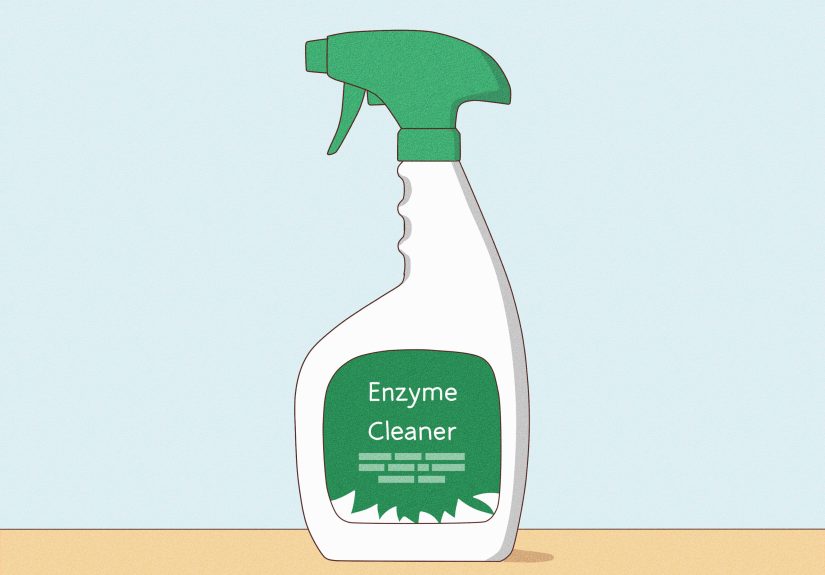
- Enzyme cleaner, especially for pet urine
- Fan or open window for drying
Use white towels if possible because colored towels can transfer dye when damp. Also, always test any cleaner on a hidden part of the mattress first. Hydrogen peroxide, in particular, can lighten some fabrics. It is a cleaning hero, but even heroes need supervision.
How to Remove Fresh Urine Stains from a Mattress
Fresh stains are much easier to remove because the urine has not fully dried into the fibers. Speed matters, but do not panic. The mattress can sense fear. Or at least it feels that way.
Step 1: Strip the Bed Immediately
Remove sheets, blankets, mattress pads, and protectors right away. Wash them separately according to their care labels. For washable bedding, a normal laundry cycle with detergent is usually enough, but adding white vinegar to the wash can help reduce odor. Avoid high heat until the smell is gone because heat can set odors and stains.
Step 2: Blot, Do Not Rub
Press clean towels firmly into the wet area to absorb as much liquid as possible. Replace towels as they become damp. Do not rub in circles like you are polishing a car. Rubbing spreads urine across the surface and can push it deeper into the mattress.
Step 3: Apply a Vinegar Solution
Mix equal parts cold water and distilled white vinegar in a spray bottle. Lightly mist the stained area until it is damp but not soaked. Vinegar helps neutralize odor and loosen urine residue. Let it sit for about 10 to 15 minutes.
The key word here is lightly. Your mattress is not a houseplant. Do not water it generously.
Step 4: Blot Again
Use fresh towels to blot the area until it feels only slightly damp. Press down firmly and patiently. This removes both the vinegar solution and the diluted urine from the mattress surface.
Step 5: Cover with Baking Soda
Sprinkle a generous layer of baking soda over the damp spot. Baking soda helps absorb moisture and odor. Let it sit for several hours, or overnight if possible. The longer it sits, the more time it has to pull out moisture.
Step 6: Vacuum Thoroughly
Once the baking soda is completely dry, vacuum it using an upholstery attachment. If the stain or odor remains, repeat the vinegar and baking soda process once more. Fresh stains often improve dramatically after one treatment, but a second round can help with deeper accidents.
How to Remove Old Urine Stains from a Mattress
Old urine stains are tougher because the stain has dried, settled, and possibly bonded with mattress fibers. This is where hydrogen peroxide or enzyme cleaner becomes useful. The best choice depends on whether the stain came from a person or a pet.
For Old Human Urine Stains: Use a Hydrogen Peroxide Mixture
For dried yellow stains and lingering odor, mix the following in a spray bottle:
- 1 cup 3% hydrogen peroxide
- 3 tablespoons baking soda
- 2 to 3 drops mild dish soap
Gently swirl the bottle instead of shaking aggressively. Spray the old stain until lightly damp. Let the solution sit for 10 to 20 minutes. As it dries, the baking soda may leave a powdery residue. That is normal. Once the area is fully dry, vacuum the residue away.
Hydrogen peroxide helps break down discoloration, while baking soda absorbs odor and dish soap helps loosen residue. However, do not store this mixture in a closed bottle for later. Mix it fresh and use it right away.
For Old Pet Urine Stains: Use an Enzyme Cleaner
Pet urine can be more persistent than human urine because animals have a very sensitive sense of smell. Even when you think the mattress smells fine, your dog or cat may still detect the old spot and consider it a bathroom with memory foam amenities.
Use an enzyme cleaner designed for pet stains and odors. These cleaners help break down odor-causing compounds rather than simply covering them. Follow the product directions carefully. Most enzyme cleaners need contact time to work, so do not blot them away too quickly. After the recommended waiting period, blot the area and allow it to dry completely.
What If the Old Stain Still Smells?
If the odor remains, repeat the enzyme treatment or hydrogen peroxide method. Old stains may need two or three careful rounds. The important thing is to let the mattress dry fully between treatments. Repeatedly adding moisture without full drying can create a new problem: mildew. Nobody wants to solve a urine stain by inventing a mold issue.
How to Remove Urine Smell from a Mattress
Sometimes the stain disappears, but the smell stays behind like a dramatic soundtrack. Odor removal requires patience because urine odor often comes from residue below the surface.
Use Baking Soda for General Odor
After treating the stain, sprinkle baking soda over the cleaned area or even the entire mattress surface. Let it sit for at least several hours. Overnight is better. Vacuum slowly and thoroughly. Baking soda is especially useful for mild odor, surface freshness, and moisture absorption.
Use Enzyme Cleaner for Deep Odor
If the urine smell is strong, old, or pet-related, enzyme cleaner is usually the better choice. It targets the source of the smell instead of simply masking it. Apply only enough to dampen the affected area, and give it time to work.
Air Dry Like Your Mattress Depends on It
Drying is not the boring final step. It is the step that decides whether your mattress is truly clean. Open windows, turn on a fan, and keep bedding off until the mattress is completely dry. If possible, place the mattress where it gets indirect sunlight and airflow. Avoid sleeping on it while damp.
Important Mistakes to Avoid
Cleaning urine from a mattress is not complicated, but a few mistakes can make the stain worse or damage the bed.
Do Not Oversaturate the Mattress
Too much liquid can push urine deeper into foam layers and slow drying. Use a spray bottle instead of pouring cleaner directly onto the mattress.
Do Not Use Bleach
Bleach is too harsh for most mattress materials. It can discolor fabric, weaken fibers, and leave strong fumes. It may also damage foam and void manufacturer care guidelines.
Do Not Use Hot Water on Fresh Urine
Cold water is safer for stain treatment. Hot water can make some stains and odors harder to remove, especially before the residue has been lifted.
Do Not Mix Cleaning Chemicals Randomly
Never mix bleach with vinegar, ammonia, or other cleaning products. Also, do not combine hydrogen peroxide and vinegar in the same bottle. Use one method at a time, rinse or blot between treatments, and keep your cleaning chemistry boring. Boring chemistry is safe chemistry.
Special Tips for Different Mattress Types
Memory Foam Mattresses
Memory foam absorbs moisture easily and dries slowly, so use as little liquid as possible. Blot carefully, apply cleaner lightly, and give it plenty of air-drying time. Do not steam clean memory foam unless the manufacturer specifically says it is safe.
Pillow-Top Mattresses
Pillow-top mattresses have extra cushioning that can hold moisture. Blot longer than you think you need to, and use baking soda generously after cleaning. A fan is especially helpful for drying the thicker top layer.
Latex Mattresses
Latex can be sensitive to harsh cleaners and excess moisture. Stick with mild solutions, avoid soaking, and check the care label before using hydrogen peroxide.
How to Prevent Future Urine Stains
The easiest urine stain to remove is the one that never reaches the mattress. A waterproof mattress protector is the best defense. Choose one that is breathable, washable, and fits snugly. If you have kids, pets, or anyone in the home dealing with nighttime accidents, a protector is not optional; it is mattress insurance with elastic corners.
Wash mattress protectors regularly and inspect them for cracks, worn backing, or damaged seams. A protector that no longer blocks moisture is just a fitted sheet with confidence issues.
When Should You Replace the Mattress?
Most urine stains can be cleaned, but replacement may be the better option if the mattress has repeated deep contamination, persistent odor after several treatments, visible mold, or structural damage. A mattress that smells bad every time the weather gets humid may have urine trapped too deeply to fully remove at home.
Also consider the mattress age. If it is already sagging, uncomfortable, or close to the end of its useful life, a serious stain may be the final sign that it is time for a new one. No judgment. Mattresses live hard lives.
Real-Life Experience: What Actually Works Best
In real homes, mattress accidents rarely happen at convenient times. They happen at 2:00 a.m., five minutes before guests arrive, or right after you changed the sheets and proudly declared the room “finally clean.” The most practical lesson from dealing with urine stains is this: do not wait until morning if the stain is fresh. Even a quick blotting session can make a huge difference. Pressing towels into the spot for several minutes removes more liquid than people expect, and it reduces the amount of cleaner needed later.
For fresh stains, vinegar and baking soda are often enough. The vinegar helps with odor, and the baking soda handles moisture. The process is simple, inexpensive, and forgiving. The only downside is that baking soda gets everywhere if you are too enthusiastic. Use a thick layer over the stain, not the entire bedroom like you are seasoning a giant potato.
For old stains, expectations matter. A dried urine stain may not vanish instantly, especially on a light-colored mattress cover. Hydrogen peroxide mixtures can work very well on yellow discoloration, but they need time and sometimes more than one application. The stain may fade gradually rather than disappear in a single dramatic movie moment. Always test first because some mattress fabrics can lighten unevenly.
Pet urine is its own category. Many people try vinegar, baking soda, and scented sprays, only to find the pet returns to the same spot. That usually means the odor was reduced for humans but not eliminated for the animal. Enzyme cleaner is the better tool here. It may take longer, and it may not smell as “clean” as a perfumed spray at first, but it targets the actual odor source. The trick is giving it enough contact time and not covering the mattress too soon.
Another practical lesson: drying is everything. A mattress can feel dry on top while still holding moisture below the surface. After cleaning, leave it uncovered as long as possible. Use a fan, open a window, and avoid putting sheets back on too quickly. If you must use the bed the same day, clean early, use strong airflow, and check carefully before making the bed. Trapping dampness under sheets can create a musty smell that is just as annoying as the original accident.
It also helps to keep a small emergency cleaning kit nearby if accidents are likely. A spray bottle, white towels, baking soda, vinegar, and enzyme cleaner can save time and stress. Parents, pet owners, and caregivers know that speed is half the battle. When supplies are ready, the cleanup feels less like a disaster and more like an inconvenient chore with a clear ending.
The final experience-based tip is to invest in a quality waterproof mattress protector before you need one. Many people buy one only after the first major accident, which is a bit like buying an umbrella after arriving soaked. A good protector does not have to feel crunchy or hot. Modern versions are quieter, softer, and much easier to wash than a mattress. Once you use one, you may wonder why mattresses are even sold without them.
Conclusion
Removing urine stains from a mattress is completely manageable when you use the right method for the stain’s age. For fresh urine, blot immediately, apply a light vinegar solution, blot again, cover with baking soda, and vacuum after it dries. For old urine stains, use a hydrogen peroxide mixture for human urine or an enzyme cleaner for pet urine. Work gently, avoid soaking the mattress, skip harsh chemicals, and give the bed plenty of time to dry.
A urine stain may be unpleasant, but it is not the end of your mattress. With patience, airflow, and the right cleaning supplies, your bed can return to being what it was meant to be: a comfortable place to sleep, not a mystery stain museum.
Note: This article is written for web publication and synthesizes practical mattress-cleaning guidance from reputable home care, sleep, and cleaning references without including source links in the published copy.