Table of Contents >> Show >> Hide
- How to Steam Potatoes at a Glance
- Why Steam Potatoes Instead of Boiling Them?
- The Best Potatoes for Steaming
- Equipment and Ingredients
- How to Steam Potatoes Step by Step
- Potato Steaming Time Chart
- How to Steam Potatoes Without a Steamer Basket
- Easy Ways to Season Steamed Potatoes
- What Can You Make with Steamed Potatoes?
- Common Potato-Steaming Mistakes
- How to Store and Reheat Steamed Potatoes
- Frequently Asked Questions
- Experience-Based Kitchen Notes: What Produces Better Steamed Potatoes
- Conclusion
Steaming potatoes may not have the dramatic flair of roasting or the bubbling excitement of boiling, but it is one of the easiest ways to produce tender, flavorful potatoes without turning them into waterlogged little sponges. The method requires minimal equipment, very little cleanup, and no advanced culinary skills beyond remembering to put a lid on the pot.
Whether you are preparing creamy mashed potatoes, a firm potato salad, buttery baby potatoes, or a quick weeknight side dish, steaming gives you excellent control over texture. The potatoes cook in hot vapor rather than sitting directly in water, helping them retain their shape and natural flavor. Once you understand the basic setup and cooking times, the process is practically foolproof.
How to Steam Potatoes at a Glance
Place a steamer basket inside a pot containing about 1 inch of water. The water should remain below the basket. Bring it to a boil, add evenly cut potatoes, cover the pot, and reduce the heat enough to maintain steady steam. Cook until the potatoes are easily pierced with a fork or thin knife.
Most 1-inch potato chunks take approximately 12 to 18 minutes. Halved baby potatoes usually need 15 to 20 minutes, while medium whole potatoes may require 25 to 35 minutes. Size matters more than the exact potato variety, so do not ask a giant russet to finish at the same time as a tiny new potato. That is unfair to everyone involved.
Why Steam Potatoes Instead of Boiling Them?
Boiling and steaming can both produce tender potatoes, but steaming keeps the potatoes above the cooking water. This reduces direct water absorption and can help prevent the soggy texture that sometimes appears when boiled potatoes sit in water too long. It is particularly useful when making mashed potatoes, potato salad, smashed potatoes, or any dish in which excess moisture is an unwelcome guest.
Because the potatoes are not submerged, fewer water-soluble components may escape into the cooking liquid. Steaming also allows you to cook a relatively small batch without heating a large pot of water. The method is quiet, efficient, and refreshingly low-maintenance.
Other advantages include:
- Potatoes are less likely to become waterlogged.
- Small and waxy varieties hold their shape well.
- The skins can remain intact for added texture.
- The potatoes are easy to season immediately after cooking.
- You can use the same method for whole, halved, or cubed potatoes.
The Best Potatoes for Steaming
Nearly any potato can be steamed, but the best choice depends on what you plan to do after it leaves the basket.
Yukon Gold and Yellow Potatoes
Yellow potatoes have naturally creamy flesh and a lightly buttery flavor. They are an excellent all-purpose choice for steaming because they become tender without immediately falling apart. Use them for mashed potatoes, warm potato salads, smashed potatoes, or simple herb-buttered side dishes.
Red Potatoes
Red potatoes have thin skins and relatively waxy flesh, which helps them retain their shape during cooking. They are especially useful for potato salad, soups, breakfast potatoes, and dishes in which you want tidy pieces rather than accidental mashed potatoes.
Baby and New Potatoes
Small potatoes are almost designed for steaming. Their compact size allows them to cook quickly, and many can be steamed whole or simply cut in half. Toss the finished potatoes with butter, parsley, dill, lemon, garlic, or olive oil for an easy side dish.
Russet Potatoes
Russets contain more starch and develop a fluffy texture when cooked. They are ideal when the steamed potatoes will be mashed or passed through a potato ricer. Because large russets cook unevenly when left whole, peel them if desired and cut them into uniform chunks before steaming.
Equipment and Ingredients
Equipment
- A saucepan, Dutch oven, or stockpot with a tight-fitting lid
- A collapsible metal steamer basket, silicone basket, or steamer insert
- A vegetable brush
- A knife and cutting board
- A fork, skewer, or paring knife for testing doneness
Basic Ingredients
- 1 to 2 pounds potatoes
- About 1 inch of water
- Salt, to taste
- Butter, olive oil, herbs, or other seasonings for serving
How to Steam Potatoes Step by Step
1. Wash the Potatoes
Rinse the potatoes thoroughly under cool running water. Scrub rough or dirty skins with a clean vegetable brush, especially when you intend to leave the skin on. Do not wash potatoes with dish soap, detergent, or bleach. Plain running water is the recommended choice for cleaning fresh produce.
Trim away bruised, damaged, green, or deeply sprouted areas. Wash the potatoes before peeling so your knife does not drag surface dirt across the freshly cut flesh.
2. Cut Them into Even Pieces
Small potatoes can be steamed whole. Cut baby potatoes in half if they are larger than a golf ball. Medium and large potatoes should generally be cut into 1- to 1½-inch chunks.
Uniform size is more important than mathematical perfection. Pieces that are roughly equal will finish cooking at approximately the same time. When potatoes are cut randomly, the smallest pieces begin collapsing while the largest pieces remain crunchy in the center.
3. Prepare the Steamer
Add approximately 1 inch of water to the pot and place the steamer basket inside. The water level must remain below the bottom of the basket. If the potatoes sit in the water, you are no longer steaming them; you have quietly wandered into shallow-boiling territory.
Cover the pot and bring the water to a boil over medium-high heat. Once steam begins building, carefully remove the lid while keeping your face and hands away from the escaping vapor.
4. Add the Potatoes
Arrange the potatoes in the basket. A loose layer is ideal, but a small amount of stacking is acceptable as long as steam can circulate around the pieces. Avoid packing the basket tightly.
Replace the lid and reduce the heat to medium or medium-low. The water should simmer steadily enough to generate steam without boiling so violently that it splashes into the basket.
5. Steam Until Tender
Begin checking small potato pieces after about 10 to 12 minutes. Insert a thin knife, skewer, or fork into the center of one of the largest pieces. Properly cooked potatoes should offer little resistance, but they should not split apart merely because a fork looked in their direction.
Recipes using similarly sized pieces commonly place the steaming range between about 15 and 25 minutes, while larger pieces or whole potatoes need longer.
6. Let Excess Moisture Escape
Turn off the heat and carefully lift the basket from the pot. Let the potatoes rest uncovered for two or three minutes. This allows surface moisture to evaporate and is especially helpful when preparing mashed potatoes or potato salad.
For exceptionally dry mashed potatoes, transfer the cooked pieces to the empty warm pot and place it over low heat for about one minute, gently shaking or stirring. Do not walk away. Potatoes are patient, but the bottom of a hot pan is not.
7. Season While Warm
Warm potatoes absorb dressings and melted butter better than completely cold potatoes. Toss them immediately with salt, pepper, olive oil, butter, vinaigrette, fresh herbs, or your chosen sauce.
Potato Steaming Time Chart
| Potato Size | Approximate Steaming Time | Good Uses |
|---|---|---|
| ½-inch cubes | 8 to 12 minutes | Hash, soups, quick salads |
| 1-inch chunks | 12 to 18 minutes | Mashing, salad, side dishes |
| Halved baby potatoes | 15 to 20 minutes | Herb potatoes, smashed potatoes |
| Whole baby potatoes | 18 to 25 minutes | Salads, appetizers, side dishes |
| Medium whole potatoes | 25 to 35 minutes | Stuffing, mashing, slicing |
These times are guidelines rather than legally binding potato contracts. Variety, exact size, basket depth, pot temperature, and the amount of food being cooked can all affect the final time.
How to Steam Potatoes Without a Steamer Basket
Use a Metal Colander
Set a heat-safe metal colander inside a deep pot, making sure its bottom remains above the water. Add the potatoes and cover the pot as tightly as possible. This works best when the colander fits comfortably and the lid can trap the steam.
Use a Heatproof Plate and Foil Supports
Form three balls of aluminum foil and place them in the bottom of a wide pot. Set a heatproof plate on top, add enough water to remain below the plate, and arrange the potatoes on the plate. Cover and steam normally. This improvised setup can work better than balancing a shallow sieve over a pot.
Steam Potatoes in the Microwave
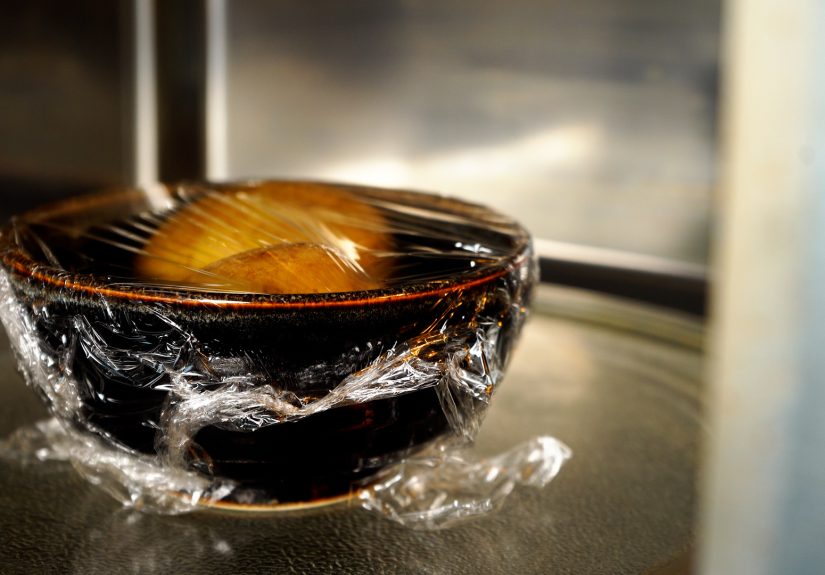
Place 1-inch potato pieces in a microwave-safe bowl with 1 to 2 tablespoons of water. Cover loosely with a microwave-safe lid or plate, leaving a small vent. Microwave on high for about five minutes, stir carefully, and continue in one- to two-minute intervals until tender.
Microwave power varies considerably, so check frequently. Open the cover away from your face because trapped steam can cause burns.
Easy Ways to Season Steamed Potatoes
Classic Butter and Herbs
Toss hot potatoes with melted butter, kosher salt, black pepper, and chopped parsley, chives, or dill. Add lemon zest for brightness.
Garlic and Olive Oil
Combine extra-virgin olive oil with minced or roasted garlic, oregano, red pepper flakes, and a squeeze of lemon juice. This combination works particularly well with yellow or red potatoes.
Mustard Vinaigrette
Whisk together Dijon mustard, apple cider vinegar, olive oil, salt, pepper, and minced shallot. Pour the dressing over the potatoes while they are still warm for a simple potato salad that does not require mayonnaise.
Parmesan and Black Pepper
Coat the potatoes with butter or olive oil, then add finely grated Parmesan and plenty of cracked black pepper. A little garlic powder is also welcome. Potatoes rarely object to cheese.
Spicy Seasoning
Try smoked paprika, cumin, chili powder, cayenne, lime juice, and cilantro. For a creamy finish, serve with Greek yogurt, sour cream, or a yogurt-based ranch dressing.
What Can You Make with Steamed Potatoes?
- Mashed potatoes: Steam peeled russet or Yukon Gold chunks, dry them briefly, and mash with warm milk and butter.
- Potato salad: Steam red, white, or yellow potatoes until just tender, then dress them while warm.
- Smashed potatoes: Steam baby potatoes, flatten them gently, coat with oil, and roast until crisp.
- Breakfast potatoes: Steam cubes until nearly tender, then brown them in a skillet with onion and peppers.
- Warm side dishes: Toss with herbs, browned butter, pesto, garlic sauce, or vinaigrette.
- Meal-prep bowls: Chill the potatoes and add them to grain bowls, salads, or reheatable lunches.
Common Potato-Steaming Mistakes
Allowing the Water to Touch the Potatoes
Check the water level after inserting the basket. The potatoes should sit above it. Water that reaches the basket can produce uneven, overly wet results.
Cutting Uneven Pieces
Large differences in size create large differences in doneness. Cut the potatoes uniformly and test one of the biggest pieces before declaring victory.
Letting the Pot Boil Dry
For long cooking sessions, check the water level occasionally. Add more boiling water along the inside edge of the pot when necessary. Avoid pouring cold water directly over the potatoes.
Opening the Lid Constantly
Every peek releases heat and steam. Keep the lid closed until the earliest reasonable testing time. The potatoes will not perform a magic trick while you are watching.
Overcooking Waxy Potatoes
For salads, stop steaming as soon as a knife enters smoothly. Overcooked potatoes may break apart when mixed with dressing.
Underseasoning
Steam itself does not season the interior as salted boiling water can. Add salt and flavorful fat while the potatoes are hot. A bold vinaigrette is particularly effective.
How to Store and Reheat Steamed Potatoes
Allow cooked potatoes to cool briefly, then transfer them to a shallow airtight container and refrigerate them promptly. Use refrigerated potatoes within three to four days for best quality.
Reheat them in a covered skillet with a splash of water, in a steamer basket for several minutes, or in the microwave. For crisp potatoes, coat them lightly with oil and reheat them in an oven or air fryer.
Do not leave cooked potatoes sitting at room temperature for an extended period. If they develop an unusual odor, slimy surface, or suspicious appearance, discard them rather than conducting an amateur laboratory experiment.
Frequently Asked Questions
Do you peel potatoes before steaming?
Peeling is optional. Thin-skinned red, yellow, baby, and fingerling potatoes can usually be steamed with their skins intact. Peel russets when you want especially smooth mashed potatoes.
Should you salt the steaming water?
You may salt the water, although the potatoes will not absorb as much seasoning as they would during boiling. Seasoning the potatoes immediately after steaming is more effective.
Can you steam whole potatoes?
Yes. Small whole potatoes steam particularly well. Medium or large potatoes take longer and may cook less evenly, so cutting them is usually more convenient.
Are steamed potatoes good for mashed potatoes?
Yes. Steaming can produce drier potato pieces that accept butter and dairy without becoming excessively loose. High-starch russets create fluffy mash, while Yukon Gold potatoes create a naturally creamy result.
Why are my steamed potatoes still hard?
They probably need more time, stronger steam, or smaller pieces. Make sure the lid fits tightly and the water continues simmering. Test the largest piece, not the smallest one.
Experience-Based Kitchen Notes: What Produces Better Steamed Potatoes
The most important practical lesson is that potato size controls the process. Recipes often provide a tidy number such as 15 minutes, but potatoes do not carry stopwatches. A basket of carefully cut 1-inch pieces can become tender in roughly the same window, while a mixture of tiny cubes and large quarters creates chaos. The small pieces soften too far, and the large ones remain stubbornly firm. Taking one extra minute to cut evenly saves several minutes of poking, guessing, and muttering at dinner.
Another noticeable difference comes from preheating the steaming water. Adding potatoes after the pot has begun producing steam creates a clearer starting point and more predictable cooking time. Adding them to a cold setup still works, but the warm-up period varies with the pot, stove, water volume, and whether the lid has decided to cooperate that day.
A moderate, steady simmer usually performs better than an aggressive boil. Violent bubbling does not force potatoes to cook twice as fast. Instead, it may splash water into the basket and cause the pot to run dry sooner. The goal is a continuous supply of steam, not a reenactment of a Yellowstone geyser.
Basket crowding also changes the result. A modest pile of potatoes is fine because steam can move through the gaps, but a tightly compressed mound cooks unevenly. Pieces near the outside soften first while those trapped in the center lag behind. For a large batch, using two rounds or a wider steaming insert is often faster than endlessly waiting for the center of an overcrowded basket.
The doneness test deserves more attention than it usually receives. A regular dinner fork works, but a thin paring knife or metal skewer gives more precise feedback. When the knife slides into the center without a hard, crunchy stop, the potatoes are ready. For potato salad, remove them while they still hold their edges. For mashing, allow them to become completely tender so they can be crushed without aggressive mixing.
Drying the potatoes briefly after steaming makes a surprisingly large improvement. Surface moisture can dilute butter, dressing, or cream. Letting the potatoes sit uncovered for two minutes creates a cleaner texture and helps seasonings cling. For mashed potatoes, returning them to the warm empty pot for a minute removes additional moisture and produces a fluffier base.
Seasoning timing is another small choice with a big payoff. Warm potatoes accept vinaigrette more readily than chilled potatoes. When making potato salad, tossing the pieces with vinegar, mustard dressing, or seasoned oil while they are still warm creates flavor throughout the dish rather than leaving the dressing parked on the exterior.
Different varieties also behave differently enough to matter. Red potatoes and many small yellow potatoes remain tidy and firm, making them forgiving choices for beginners. Russets become fluffy but can crack or crumble if overcooked. That tendency is useful for mashing and less useful when you want attractive salad cubes. Matching the potato to the final dish avoids asking a naturally fluffy russet to impersonate a waxy red potato.
Finally, steamed potatoes are best treated as a starting point rather than a finished personality. Plain potatoes can taste underwhelming because steam adds heat but no browning or salt. Butter, olive oil, fresh herbs, citrus, vinegar, mustard, garlic, cheese, and spices provide the finishing contrast. Steaming handles the tender interior; seasoning supplies the applause.
Conclusion
Learning how to steam potatoes gives you a dependable method for making tender, versatile potatoes with minimal equipment and very little mess. Use evenly sized pieces, keep the water below the steamer basket, maintain a steady simmer, and test the largest potato for doneness. Once cooked, let the potatoes release excess moisture and season them while warm.
From creamy mashed potatoes to bright herb salads and crispy smashed potatoes, steaming creates a useful foundation for dozens of dishes. It may be one of the quieter cooking methods, but the results speak fluent comfort food.