Table of Contents >> Show >> Hide
- Hurricane Ian at a Glance
- What Is the Trusted Choice® Relief Fund?
- Why IA Magazine’s Message Mattered After Ian
- How Donations Can Make a Practical Difference
- Insurance Does Not Always Cover Everything
- The Bigger Recovery Picture After Hurricane Ian
- Why Donate Through a Trusted Industry Relief Fund?
- What Independent Agents Learned From Hurricane Ian
- How Agencies Can Support Relief Efforts
- Experiences and Lessons Connected to Hurricane Ian Relief
- Conclusion: Giving That Helps the Helpers
When Hurricane Ian slammed into Florida in September 2022, it did not politely knock, ask for a towel, and leave. It arrived as one of the most destructive hurricanes in modern U.S. history, bringing catastrophic storm surge, extreme winds, flooding, power outages, damaged homes, shuttered businesses, and a long recovery road that stretched far beyond the first shocking news images.
For many people, disaster relief means helping homeowners, renters, families, and local communities rebuild. That is absolutely essential. But there is another group that often works quietly in the background during a catastrophe: independent insurance agents and agency employees. They are the people answering phones while their own roofs may be leaking. They help clients understand claims, policy limits, flood coverage, deductibles, documentation, emergency repairs, and the dreaded question: “What happens now?”
That is where the Trusted Choice® Relief Fund, now known as the Bobby Salmon Big “I” Relief Fund, became especially meaningful after Hurricane Ian. IA Magazine and the independent agency community called attention to the fund as a way to help insurance professionals and agencies affected by catastrophe, including those facing losses not fully covered by insurance, grants, or government programs.
Hurricane Ian at a Glance
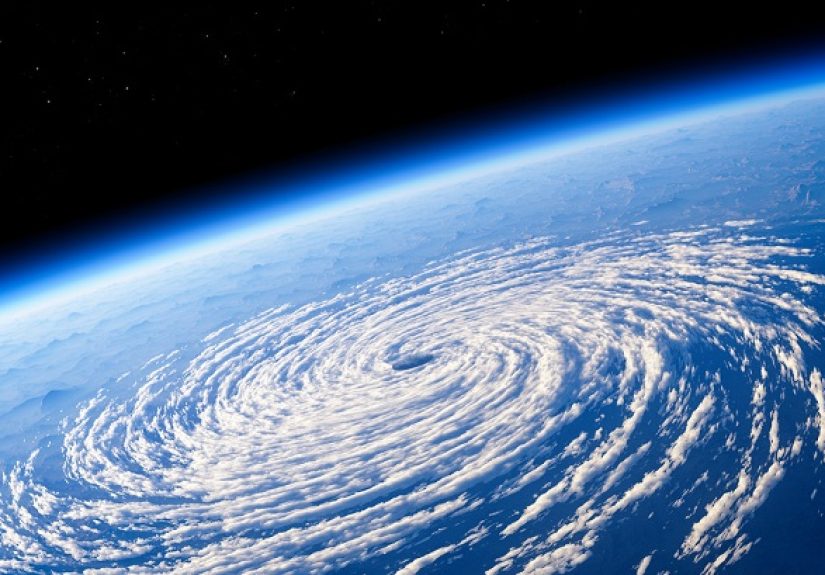
Hurricane Ian developed in late September 2022, strengthened rapidly, struck western Cuba, and then moved toward the Florida Gulf Coast. It made landfall in Southwest Florida as a powerful Category 4 hurricane, with devastating storm surge and wind damage around coastal communities such as Fort Myers Beach, Sanibel, Cape Coral, Punta Gorda, and nearby areas.
Ian’s impact was not limited to one beach town or one county. Heavy rain caused inland flooding across Florida, while the storm later regained hurricane strength and made another landfall in South Carolina. The result was a multistate disaster involving emergency shelters, debris removal, insurance claims, federal assistance, nonprofit relief, and years of rebuilding.
The numbers were staggering. Florida insurance regulators reported hundreds of thousands of residential property claims and more than $22 billion in estimated insured losses in Florida alone. Broader industry estimates placed Hurricane Ian among the costliest U.S. hurricanes, with insured losses ranking near the top of historical disaster tables. Translation: Ian was not a “patch the fence and move on” kind of storm. It was a “rethink the roof, the flood plan, the emergency fund, and maybe the entire office layout” kind of storm.
What Is the Trusted Choice® Relief Fund?
The Trusted Choice® Relief Fund was established by the IIAA Educational Foundation of the Independent Insurance Agents & Brokers of America. Its purpose is to provide critical relief to independent insurance agencies, brokerages, agency owners, employees, and eligible family members who experience loss, economic disruption, or financial distress because of a qualifying disaster or similar event.
In 2025, the fund was renamed the Bobby Salmon Big “I” Relief Fund in honor of Bobby Salmon, a respected Big “I” leader whose fundraising efforts after Hurricane Ian helped inspire nearly $200,000 in additional support for the fund. Because many readers still recognize the earlier name, “Trusted Choice® Relief Fund” remains important in search, industry memory, and Hurricane Ian relief discussions.
Who Can the Fund Help?
The fund is designed for the independent agency system. Eligible recipients may include independent insurance agencies and brokerages, their owners, employees, and in some cases surviving family members. It can also help organizations assisting insurance-industry businesses or individuals affected by qualifying events.
That matters because insurance professionals are not magically disaster-proof. An agency can lose computers, files, office space, payroll capacity, essential equipment, or customer-service continuity. An employee may lose a home, transportation, medication, eyeglasses, childcare stability, or wages. A catastrophe does not pause because someone works in insurance. If anything, the phone rings more.
Why IA Magazine’s Message Mattered After Ian
IA Magazine speaks to independent agents, brokers, carriers, wholesalers, and the broader insurance community. After Hurricane Ian, a donation appeal through that audience was not just a general “please help” message. It was a targeted call to support fellow professionals who were trying to serve clients while managing their own disaster losses.
Think about the role of an independent agent after a major storm. Clients need help distinguishing wind damage from flood damage. They need to know whether they have replacement cost coverage, actual cash value coverage, ordinance or law coverage, business interruption coverage, additional living expense coverage, or flood insurance through a private carrier or the National Flood Insurance Program. They may be overwhelmed, frightened, angry, or all three before breakfast.
Meanwhile, the agent may be operating from a kitchen table, a borrowed laptop, or a parking lot with better cell service than the office. That is not a glamorous scene, but it is real. Relief funds can help bridge the gap between disaster and stability so agencies can keep helping their communities.
How Donations Can Make a Practical Difference
The best disaster giving is not abstract. It turns into groceries, temporary housing, replacement equipment, payroll support, medicine, transportation, and a working phone line. The Trusted Choice® Relief Fund guidelines allow grants for expenses not covered by insurance, grants, or federal or state loan programs.
Examples of Needs the Fund May Address
Potential uses include lost wages and employment-related benefits, payroll and benefit expenses, medical costs not otherwise reimbursed, essential personal property, living expenses such as food and clothing, and housing needs such as temporary rent, mortgage assistance, or utilities. In plain English: the fund can help people take the next step when “the next step” feels buried under drywall, wet carpet, and claim paperwork.
For example, imagine a small independent agency in a coastal county. The office is closed because of water damage. Several employees are displaced. Clients are calling about claims. The agency owner has property insurance, but the claim will take time. Payroll is due Friday. Staff members need temporary housing and gas money. A relief grant will not rebuild the entire town, but it can help keep the agency alive and its people functioning.
Insurance Does Not Always Cover Everything
One reason relief funds matter is that insurance is powerful but not unlimited. Policies have deductibles, exclusions, waiting periods, documentation requirements, coverage limits, and claim-resolution timelines. Flood damage is often handled separately from standard homeowners insurance, and some property owners discover too late that they do not have the flood coverage they assumed they had.
Even when coverage exists, immediate needs do not wait politely in line. A family may need a hotel tonight. An employee may need prescriptions replaced today. An agency may need temporary equipment before a formal claim payment arrives. Relief funding fills part of that human gap.
The Bigger Recovery Picture After Hurricane Ian
Hurricane Ian triggered a vast response from federal agencies, state agencies, nonprofits, volunteers, insurers, and local communities. The American Red Cross provided shelter stays, meals, relief supplies, casework, and financial assistance. FEMA, the National Flood Insurance Program, and other federal programs supported households, communities, businesses, and policyholders. Florida regulators tracked claims data to monitor the insurance impact. Public health agencies also warned residents about floodwater, mold, cleanup hazards, and safe reentry.
Recovery from a storm like Ian happens in phases. The first phase is survival: evacuation, rescue, shelter, food, water, medication, and communication. The second phase is stabilization: temporary housing, debris removal, insurance claims, business continuity, and emotional support. The third phase is rebuilding: construction, financial planning, mitigation, stronger roofs, better drainage, updated insurance reviews, and a healthy respect for weather alerts that sound annoyingly dramatic until they are not.
Why Donate Through a Trusted Industry Relief Fund?
Disaster generosity is beautiful, but it should also be careful. After major hurricanes, scammers often appear with fake charities, copycat names, emotional social media posts, and urgent payment requests. Donors should always verify an organization before giving, use official donation channels, and avoid pressure tactics, gift cards, wire transfers, or suspicious links.
A fund connected to a long-standing industry organization can offer donors a clearer path. The Trusted Choice® Relief Fund was designed for a specific purpose: helping the independent insurance agency community recover from qualifying disasters. That focus matters. While large national charities serve broad disaster needs, industry-specific funds can reach people whose work is essential to the recovery process but whose own hardship may be overlooked.
A Simple Donor Checklist
- Confirm the official name of the fund before donating.
- Use the official Big “I” or fund donation channel, not a random social media link.
- Check whether contributions are tax-deductible to the extent allowed by law.
- Keep a receipt for tax and personal records.
- Ask whether your employer, agency, carrier, or association offers a donation match.
- Share verified information, not screenshots with mystery links.
What Independent Agents Learned From Hurricane Ian
Hurricane Ian reinforced several hard lessons for insurance professionals and consumers alike. First, insurance reviews should happen before hurricane season, not while the patio furniture is trying to become airborne. Second, flood coverage deserves serious attention, even for people who do not think of themselves as living in a “flood area.” Third, agency continuity planning is not optional. A backup power source, cloud-based systems, updated client contact data, remote-work procedures, and staff emergency plans can make the difference between chaos and controlled chaos.
Ian also highlighted the emotional side of insurance. A claim is not just a file number. It may represent a destroyed home, a lost family business, a flooded photo album, or a retiree’s only vehicle. Independent agents often become translators, counselors, document coaches, and calm voices in a situation where calm is in short supply.
How Agencies Can Support Relief Efforts
Agencies that want to help can do more than make a one-time donation, although one-time donations are welcome and wonderfully uncomplicated. They can organize internal giving campaigns, invite carrier partners to match employee contributions, share verified fund information in newsletters, host continuing-education events tied to disaster preparedness, or dedicate a portion of a community event to relief.
State associations can also amplify the message. After Hurricane Ian, leaders across the independent agency system encouraged donations and grant applications. That matters because some people need help but do not know a fund exists. In disaster recovery, information is relief too.
Experiences and Lessons Connected to Hurricane Ian Relief
The experience of Hurricane Ian showed that disaster recovery is both deeply personal and intensely practical. In affected communities, people did not wake up thinking about “catastrophe modeling” or “loss adjustment workflows.” They woke up wondering where the roof went, whether the car would start, and how long a phone battery could last at 7 percent. For insurance agencies, the day after the storm was often a strange mix of public service, technical work, and personal survival.
One common experience after Ian was communication breakdown. Cell towers, internet service, electricity, and office systems were interrupted in many areas. Agencies that had cloud-based management systems, remote access, and prepared staff contact trees were often able to respond faster. Others had to improvise. Some worked from temporary locations. Some used personal phones. Some relied on neighboring agencies or association networks. The lesson is simple: a business continuity plan should be boring before the storm so life can be less terrifying after it.
Another experience was the emotional weight of claim conversations. Clients were not merely asking, “Is this covered?” They were asking, “Can I rebuild my life?” Independent agents had to explain deductibles, exclusions, flood policies, documentation, and emergency repairs while showing empathy. That is not easy when the agent’s own neighborhood may also be damaged. Relief funds help because they recognize that helpers sometimes need help too.
A third experience involved documentation. People who photographed damage, saved receipts, listed damaged property, and contacted insurers quickly generally had a better foundation for claims. But in the real world, documentation is difficult when a home is unsafe, roads are blocked, or a family is displaced. Agencies that had prepared clients ahead of time with simple checklists were able to reduce confusion. The best disaster advice is practical enough to follow while tired, stressed, and possibly wearing mismatched shoes.
Hurricane Ian also reminded the industry that recovery is not evenly distributed. Some households and small businesses had savings, strong coverage, and support networks. Others had limited resources, high deductibles, no flood insurance, medical needs, or employees living paycheck to paycheck. A relief fund cannot solve every structural problem, but it can offer targeted assistance when people are caught between policy payments, government programs, and immediate needs.
Finally, Ian proved that generosity travels through relationships. When one agency donates, another may follow. When a state association shares verified information, members trust it. When industry leaders publicly support a fund, giving becomes easier and more visible. That is the real strength of the Trusted Choice® Relief Fund message: it turns professional community into practical action. It says, in effect, “We know what you do for others. Now let us help you stand back up.”
Conclusion: Giving That Helps the Helpers
Hurricane Ian left behind more than damaged buildings. It exposed the fragile systems people rely on after disaster: insurance, communication, housing, transportation, payroll, health care, and community trust. Independent insurance agents were part of that recovery system, and many were affected personally and professionally.
Donating to the Trusted Choice® Relief Fund, now the Bobby Salmon Big “I” Relief Fund, is a focused way to support the independent agency community after catastrophes like Ian. It helps agencies, owners, employees, and eligible families manage urgent needs when other resources are delayed, unavailable, or incomplete.
In a disaster, money given wisely can become something wonderfully concrete: a safe place to sleep, a paycheck that clears, a prescription replaced, a laptop restored, a client call answered, or an agency door reopened. That may not make headlines like wind speed or storm surge, but it is the kind of quiet recovery that keeps communities moving forward.