Table of Contents >> Show >> Hide
Introduction
Lie detector tests, often referred to as polygraph tests, are tools designed to measure physiological responses while a person answers a series of questions. The goal of these tests is to assess whether a person is being truthful or deceptive based on their body’s reactions. Despite being widely depicted in media and used in certain legal and corporate environments, the accuracy and ethical considerations of lie detector tests remain subjects of debate. In this article, we’ll delve into how lie detector tests work, their applications, limitations, and some experiences with these tools to offer a complete overview.
What is a Lie Detector Test?
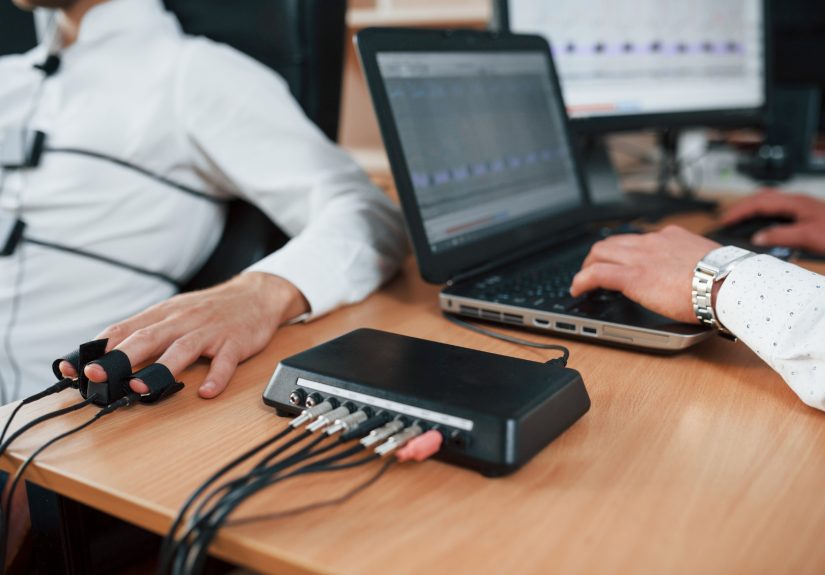
A lie detector test, also known as a polygraph, is a device that measures several physiological indicators such as heart rate, blood pressure, respiratory rate, and skin conductivity (sweating). The assumption is that when someone tells a lie, these physiological responses change in a detectable way. Polygraph tests typically involve a baseline phase, where the subject is asked neutral questions, followed by relevant questions to the matter being investigated.
How Does a Lie Detector Test Work?
The polygraph measures a person’s involuntary physical responses during the questioning process. During a test, electrodes are attached to the individual’s body to measure:
- Heart rate: A sensor measures the subject’s pulse to track changes in cardiovascular activity.
- Blood pressure: A cuff around the arm monitors blood pressure variations that may indicate stress.
- Respiration rate: Two bands are placed around the chest and abdomen to track breathing patterns.
- Galvanic skin response (GSR): Electrodes measure changes in the skin’s electrical conductivity, which can be influenced by sweating.
The premise is that deception can cause physiological changes due to stress or anxiety, which the polygraph can detect. For example, a person might experience increased heart rate or rapid breathing when lying, especially if they fear being caught.
Applications of Lie Detector Tests
Lie detector tests have been used in various settings, including law enforcement, the military, and even corporate environments. Here are a few of the most common applications:
1. Criminal Investigations
In criminal investigations, polygraph tests may be used as a tool to assess the truthfulness of suspects or witnesses. However, it is important to note that polygraphs are not foolproof, and many jurisdictions do not accept their results as definitive evidence in court due to concerns about their accuracy.
2. Employment Screening
Some companies, especially those in high-security fields such as government agencies or law enforcement, use lie detector tests as part of the hiring process. The goal is to ensure the candidate’s trustworthiness and assess any potential red flags that might indicate dishonesty or hidden information.
3. Marriage and Relationship Counseling
Couples sometimes use lie detector tests in therapy to address issues of trust. While this can be a controversial approach, it is sometimes used to determine whether one partner is being truthful about certain behaviors or events.
Accuracy and Limitations of Lie Detector Tests
The accuracy of polygraph tests remains highly contested. While proponents argue that they can detect deception with a high degree of certainty, critics claim that the tests are unreliable and often produce false positives or false negatives.
False Positives and Negatives
A false positive occurs when the polygraph indicates that a truthful person is lying, while a false negative occurs when the test fails to identify a liar. These errors can result from a variety of factors, including anxiety, nervousness, or medical conditions that can influence the body’s physiological responses.
Expert Interpretation
One of the major criticisms of polygraph tests is the subjective nature of the results. The interpretation of physiological data can vary depending on the examiner’s experience and judgment. This leaves room for inconsistencies and misinterpretation of the data, reducing the overall reliability of the test.
Legal and Ethical Concerns
The use of polygraphs raises ethical concerns about privacy and the potential for coercion. In some cases, individuals may feel pressured to take a lie detector test, especially in employment or legal contexts. Furthermore, the results of a polygraph test can impact an individual’s reputation or career, even if the results are not conclusive.
Can You Beat a Lie Detector Test?
Many individuals wonder whether it is possible to “beat” a lie detector test. While some believe that mental tricks, such as controlling breathing or heart rate, can manipulate the results, research has shown that polygraph exams are difficult to fool. However, certain techniques, like altering your physical state to appear calm when lying, might skew results. That said, experts argue that these strategies are unreliable and can lead to inaccurate conclusions.
Deceptive Behavior and Stress Management
Some individuals attempt to reduce the stress of being tested by using techniques like controlled breathing or relaxation exercises. While these might lower physiological responses, it’s unclear whether these strategies can consistently fool the polygraph, especially for highly trained examiners.
Experiences with Lie Detector Tests
Over the years, various people have shared their experiences with polygraph tests. While many express anxiety about being hooked up to the machine, others feel confident in their ability to pass the test. Here are a few personal accounts:
John’s Experience: The Job Interview Test
John, a former security contractor, underwent a polygraph test as part of his job application process. He describes the experience as nerve-wracking but ultimately revealing. Despite feeling calm, he found himself becoming anxious when asked about his past. “I had no reason to lie,” John recalls, “but my body betrayed me.” The test concluded with inconclusive results, highlighting the challenges of interpreting physiological data in real-time situations.
Sarah’s Story: A Personal Relationship Test
Sarah used a polygraph test as a way to address issues of trust in her marriage. “At first, I thought it would solve everything,” she explains. “But when the test showed that my husband was nervous about some of the questions, it didn’t make me feel any better.” Sarah reflects on how the emotional weight of the test, rather than the actual answers, created more stress in the relationship, leading her to question the ethics of using such tests for personal issues.
Mark’s Experience: Legal Use in Court
Mark, who was accused of theft in a workplace setting, was asked to take a polygraph as part of his defense. While he felt the test was stressful, he believed it would clear his name. “It was a gamble,” Mark admits. “But at the end of the day, the results were not admitted in court, and my case was decided based on other evidence.” His experience speaks to the limitations of polygraph results in legal settings, especially in cases where other evidence plays a more significant role in determining guilt or innocence.
Conclusion
Lie detector tests, or polygraphs, are fascinating tools that measure physiological responses to assess truthfulness. However, they are far from foolproof and are subject to a variety of limitations and criticisms. While polygraphs are commonly used in law enforcement, employment, and personal matters, the accuracy and ethical implications of their use remain contentious. It’s important to approach lie detector tests with caution and understand that they should not be seen as definitive evidence of truth or deception.