Table of Contents >> Show >> Hide
- What Is the Model 265 Adjustable Wall Lamp?
- A Brief History: Paolo Rizzatto’s 1973 Lighting Icon
- Design and Materials: Why the Model 265 Looks So Distinctive
- Available Finishes and Versions
- Where the Model 265 Works Best
- Why Designers Still Love the Model 265
- Lighting Performance: Direct, Flexible, and Practical
- Installation Considerations Before You Buy
- Model 265 vs. Standard Swing Arm Lamps
- Pros and Cons of the Model 265 Adjustable Wall Lamp
- How to Style the Model 265 Adjustable Wall Lamp
- Who Should Buy the Model 265?
- Buying Tips: What to Check Before Ordering
- Real-Life Experiences With the Model 265 Adjustable Wall Lamp
- Conclusion
The Model 265 Adjustable Wall Lamp is not the kind of light fixture that politely fades into the background. It enters a room like a well-dressed architect with a tape measure in one hand and a dramatic opinion in the other. Designed by Italian architect and designer Paolo Rizzatto in 1973 and produced by Flos, the Model 265 has become one of the most recognizable adjustable wall lamps in modern lighting design.
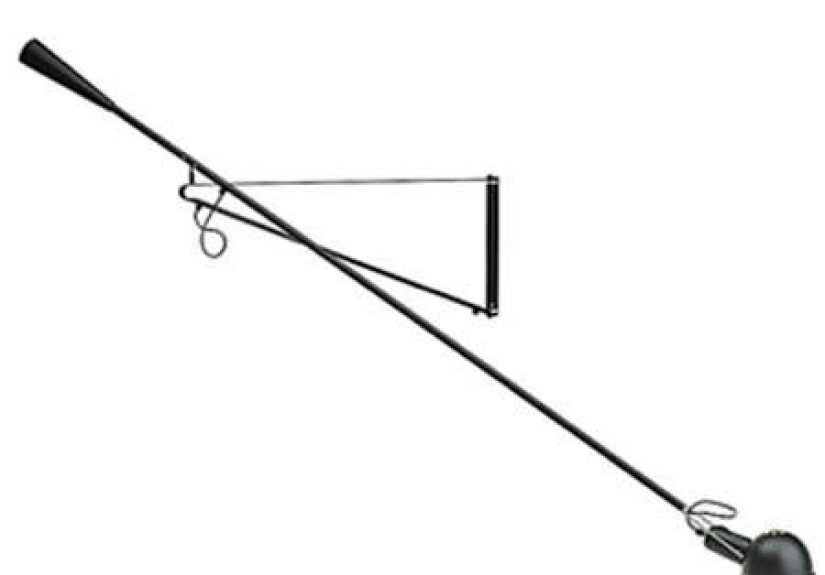
At first glance, it looks almost impossible: a long, slender arm stretches from the wall, a conical counterweight balances the opposite side, and a small reflector head points light exactly where it is needed. It is part wall sconce, part task lamp, part sculptural line drawing. If a floor lamp and a ceiling light had a stylish Italian cousin who studied architecture, this would be it.
But the beauty of the Model 265 wall lamp is not only visual. It solves a real lighting problem. Many homes need flexible light over a sofa, desk, dining table, bed, reading chair, or work zone, but not every room has the floor space for a standing lamp or the wiring for a centered ceiling fixture. The Model 265 answers with reach, rotation, balance, and a surprising amount of personality.
What Is the Model 265 Adjustable Wall Lamp?
The Model 265 is an adjustable wall-mounted lamp designed to provide direct, movable light from a fixed wall point. Unlike a standard sconce, which usually casts light in a small zone, the 265 uses a long pivoting arm to extend light far into the room. The lamp head rotates, allowing the beam to be aimed toward a dining surface, reading corner, desk, or lounge area.
The full-size version is famous for its dramatic reach. In many interiors, it can visually replace a pendant light or floor lamp while keeping the floor clear. That makes it especially useful in apartments, compact homes, studios, lofts, and rooms where furniture layouts change more often than anyone wants to admit.
The design is simple, but not plain. Its main components are easy to understand: a wall bracket, an adjustable steel arm, a rotating reflector, a chrome-plated brass reflector support, and a tapered cast-iron counterweight. The result is a lamp that feels engineered rather than decorated. Nothing appears unnecessary. Even the counterweight looks like it is doing a job, because it is.
A Brief History: Paolo Rizzatto’s 1973 Lighting Icon
Paolo Rizzatto designed the 265 in 1973, a period when modern lighting was moving away from pure decoration and toward smarter, more flexible forms. Rizzatto approached light as an architect. He was not merely trying to create a pretty object for a wall; he wanted a lamp that could change how people experienced a room.
That philosophy explains why the Model 265 still feels current. It was made for movement. Light is not locked into one spot. The lamp can reach, pivot, and direct illumination with unusual freedom. In practical terms, this means the same fixture can help with reading at night, brighten a dining table during dinner, highlight a work surface during the day, and become a sculptural accent when switched off.
The design also reflects the elegant restraint often associated with Italian modernism. Instead of hiding the mechanics, the 265 celebrates them. The long arm, counterweight, bracket, and reflector are all visible. The lamp says, “Yes, I am balanced. Yes, physics is invited to dinner.”
Design and Materials: Why the Model 265 Looks So Distinctive
The Long Adjustable Arm
The most obvious feature is the long arm. This is what gives the Model 265 adjustable wall lamp its impressive reach. A traditional wall sconce may light the wall beautifully, but it rarely stretches over a table or sofa. The 265 does. It can bring light into the center of a room from a side wall, which is incredibly useful when ceiling wiring is awkward or nonexistent.
This long arm also creates the lamp’s signature graphic silhouette. In minimalist interiors, it becomes a clean black, white, or chromatic line across the wall. In warmer rooms with wood, textiles, books, and art, it adds contrast without becoming fussy.
The 360-Degree Rotating Reflector
The lamp head is designed to rotate, giving the user control over the direction of light. That matters because direct light is only useful when it lands in the right place. A beautiful lamp that shines directly into your eyes while you read is not a design triumph; it is a tiny interrogation device.
With the Model 265, the reflector can be aimed toward a book, laptop, dining plate, artwork, or wall surface. This makes it a strong choice for task lighting, accent lighting, and flexible everyday use.
The Cast-Iron Counterweight
The tapered counterweight is one of the lamp’s most charming features. It gives the fixture visual balance and mechanical purpose. Instead of looking like a decorative add-on, it appears essential, because it helps the long arm maintain its poised, gravity-defying stance.
The counterweight also adds a little industrial honesty. The Model 265 does not pretend to float by magic. It shows the system: arm, bracket, head, weight, balance. For people who love design that reveals how it works, this is the good stuff.
Available Finishes and Versions
The Model 265 is commonly available in refined finishes such as black and white, with the bold Chromatica version adding red, yellow, and blue accents. The Chromatica finish is especially interesting because the colors do not feel random. They highlight separate functional elements of the lamp, turning construction into visual language.
There is also a smaller version, often called the 265 Small, designed for spaces where the full-size model might be too theatrical. The regular size is ideal when you want a major lighting statement over a sofa, dining table, or large desk. The smaller version works better near bedsides, compact reading nooks, or tighter walls.
Choosing between the two is partly practical and partly emotional. The large Model 265 says, “This room has a concept.” The small version says, “This room has taste, but also understands square footage.” Both are valid. Your ceiling height, furniture scale, and appetite for visual drama should decide.
Where the Model 265 Works Best
Above a Sofa
One of the best uses for the Model 265 adjustable wall lamp is above or beside a sofa. Mounted on the wall, it can extend over the seating area and provide reading light without requiring a floor lamp. This is especially helpful in smaller living rooms where every inch of floor space has already been claimed by furniture, plants, baskets, pets, or mysterious charging cables.
Over a Dining Table
The Model 265 can also act as an alternative to a pendant light. If your dining table is not centered under an electrical box, the 265 can solve the problem with elegance. Mount it on a nearby wall and swing the arm over the table. The effect is modern, clever, and slightly theatrical in the best way.
Beside the Bed
For bedrooms, the Model 265 brings a hotel-suite level of function. It can work as a bedside reading lamp while freeing up nightstand space. The rotating head lets one person read without flooding the whole room with light. Relationship-saving lighting? Possibly.
In a Home Office
In a work area, the Model 265 offers focused illumination without taking up desk space. This is useful for drafting tables, writing desks, creative studios, and home offices where task lighting matters. Its long reach also allows light to be positioned from the side, helping reduce screen glare when placed thoughtfully.
In a Reading Corner
The lamp is also perfect for a reading chair. Add a comfortable seat, a side table, and the Model 265 overhead, and suddenly a forgotten corner becomes a design magazine moment. The lamp’s adjustability makes it easy to shift from bright reading light to softer ambient glow by redirecting the head toward a wall.
Why Designers Still Love the Model 265
Interior designers appreciate fixtures that solve problems beautifully. The Model 265 does exactly that. It offers the reach of a floor lamp, the space-saving advantage of a wall sconce, and the directional control of a task lamp. That combination is rare.
The lamp also works across many interior styles. In a minimalist apartment, it looks crisp and intentional. In a mid-century modern room, it feels historically comfortable. In an industrial loft, the steel and counterweight make perfect sense. In a contemporary home, it adds an architectural gesture without feeling cold.
Another reason the Model 265 remains popular is proportion. The lamp is slim but expansive. It can fill visual space without feeling bulky. That makes it especially useful on large blank walls, where small sconces may look underpowered and artwork may not provide function.
Lighting Performance: Direct, Flexible, and Practical
The Model 265 is designed primarily for direct light. This means it is best when you want illumination aimed at a specific area. It is not a glowing globe or a soft shaded lamp meant to wash an entire room evenly. It is more precise than that.
For best results, pair it with the right bulb. Depending on the version and region, specifications may vary, but many listings reference an E26 or E27-style bulb base and a maximum wattage limit. In modern homes, a high-quality LED bulb is usually the smart choice because it provides strong light with lower energy use and less heat than traditional incandescent bulbs.
Warm white light, around 2700K to 3000K, usually works well in living rooms and bedrooms. For offices or task-heavy areas, some people prefer 3000K to 3500K for a slightly crisper feel. Avoid bulbs that are too cool unless you want your cozy reading corner to feel like a dental clinic.
Installation Considerations Before You Buy
Before buying the Model 265 adjustable wall lamp, measure carefully. This is not a tiny fixture. The full-size version has a long extension and needs visual breathing room. Check the width of the wall, ceiling height, nearby windows, doors, shelves, and artwork. Also consider how the arm will move and whether it might interfere with traffic flow.
The plug-in design makes installation more flexible than a hardwired fixture, but the wall bracket still needs secure mounting. Because the lamp has a long arm and a real counterweight, it should be installed into proper structural support according to the manufacturer’s instructions. When in doubt, hire a professional installer. A designer lamp should not become a surprise wall-removal experiment.
Also think about cord placement. The power cord can be part of the lamp’s honest industrial look, but some homeowners prefer to route it discreetly. Plan the nearby outlet location before mounting. A beautiful lamp with a cord stretched awkwardly across a wall is still beautiful, but now it is also doing slapstick.
Model 265 vs. Standard Swing Arm Lamps
Standard swing arm lamps are usually compact, practical, and modest. They are excellent for bedside reading or small workstations. The Model 265, however, is more ambitious. It does not merely adjust a little; it reaches dramatically into the room. It is both a lighting tool and a design statement.
The difference is similar to comparing a folding chair with a lounge chair by a famous designer. Both can support you, but only one changes the mood of the room. The Model 265 is for people who want their lighting to be functional, flexible, and visually memorable.
Pros and Cons of the Model 265 Adjustable Wall Lamp
Pros
The biggest advantage is versatility. The lamp can serve several zones from one wall-mounted point. It saves floor space, provides direct task lighting, and creates a strong architectural look. Its materials also feel durable and authentic, with painted steel and cast iron giving the fixture a serious, long-lasting presence.
Another advantage is timelessness. Because the design is based on function rather than trend, it has aged extremely well. A lamp designed in 1973 that still looks fresh today has clearly been doing something right.
Cons
The main drawback is scale. In a very small room, the full-size Model 265 can feel overwhelming. It needs room to extend and enough negative space around it to look intentional. It is also a premium design piece, so it costs more than a basic wall lamp.
Another consideration is light type. Because it provides direct light, it may need to be paired with softer ambient lighting in the same room. Think of it as the talented specialist, not the entire lighting department.
How to Style the Model 265 Adjustable Wall Lamp
For a clean modern look, mount the black or white version against a neutral wall and keep nearby furniture simple. A low sofa, rectangular table, or streamlined desk will let the lamp’s geometry shine. If you prefer a warmer look, pair the lamp with wood furniture, linen upholstery, and textured rugs. The contrast between mechanical precision and natural materials is very satisfying.
The Chromatica version deserves a little extra thought. Because it uses primary colors, it can become the strongest accent in the room. Let it lead. Pair it with white walls, black furniture, natural wood, or a few carefully chosen colorful accessories. Do not make every object in the room compete with it unless your design goal is “kindergarten, but expensive.”
For art-filled interiors, the Model 265 can act like a drawn line across the wall. It works especially well with abstract prints, architectural photography, or large-scale framed pieces. Just avoid crowding the bracket area. This lamp looks best when it has enough space to show off its balance.
Who Should Buy the Model 265?
The Model 265 adjustable wall lamp is ideal for homeowners, renters with permission to mount fixtures, designers, architects, and design lovers who want lighting that does more than glow. It is a smart choice for people who need flexible light but do not want a bulky floor lamp. It is also excellent for rooms where the ceiling junction box is in the wrong location.
It may not be the best choice for someone who wants invisible lighting, soft all-over illumination, or a tiny decorative sconce. The Model 265 has presence. It wants to be seen. Fortunately, it has earned the attention.
Buying Tips: What to Check Before Ordering
Before ordering, confirm the exact version, size, finish, voltage, bulb requirements, cord length, listing details, warranty, and return policy. Because product specifications can vary by market, always check the current retailer or manufacturer information. If you are buying in the United States, look for appropriate certification such as UL or cUL listing when available.
Also make sure you are buying an authentic Flos product if originality matters to you. The Model 265 is widely admired, which means lookalikes exist. A reproduction may capture the general shape, but it may not match the material quality, balance, finish, certification, or long-term value of the original.
Real-Life Experiences With the Model 265 Adjustable Wall Lamp
Living with the Model 265 is different from simply admiring it in a product photo. In real rooms, the first thing people notice is its reach. A lamp mounted on the wall that can stretch over a sofa or table feels surprisingly liberating. It removes the need to place a floor lamp exactly where people walk, vacuum, or trip while carrying snacks. That alone can make a room feel cleaner and more spacious.
One of the most enjoyable experiences is using it in a living room. Imagine a sofa against the wall, a coffee table in front, and the Model 265 extending overhead like a precise little moon crane. During the day, it looks sculptural. At night, it becomes practical. You can angle it toward a book, shift it toward a board game, or point it at the wall for softer reflected light. It changes mood without needing a full lighting redesign.
In a dining space, the experience is even more dramatic. Many homes have dining tables that are slightly off-center from the ceiling light. This is common, annoying, and responsible for many people staring at misplaced chandeliers while pretending everything is fine. The Model 265 helps by bringing light from the wall to the table. It gives the dining area a curated, gallery-like feeling. Dinner suddenly looks more intentional, even if the meal is takeout in ceramic bowls.
For bedroom use, the lamp feels luxurious but practical. A large wall lamp near the bed can replace a table lamp and free the nightstand for books, glasses, water, and the tiny museum of objects people accumulate before sleep. The adjustable head makes reading easier because the light can be aimed where needed instead of flooding the entire room. This is especially useful when one person wants to read and the other has already entered the sacred “do not turn on big light” stage of the evening.
In a home office, the Model 265 feels like a productivity upgrade. It keeps the desk surface clear and brings direct light exactly where work happens. For drawing, writing, planning, or reviewing printed documents, directional light can reduce eye strain and make the workspace feel sharper. The lamp also gives video-call backgrounds a more designed appearance. It says, “Yes, I have taste,” without needing to say, “Please ignore the laundry chair.”
There are a few lived-in lessons, too. First, measure twice. The full-size version has serious presence, and it needs room. Second, choose the bulb thoughtfully. A dim, poor-quality bulb will make an expensive lamp feel underwhelming. Third, be prepared for comments. Guests often ask about the Model 265 because it looks unusual, architectural, and slightly daring. It is not a shy lamp. It is the friend who arrives at brunch in a perfect black coat and somehow makes everyone else reconsider their outfit.
Overall, the experience of using the Model 265 adjustable wall lamp is about control. You control where the light goes, how the room feels, and how much visual drama the space carries. It is functional enough for daily use and iconic enough to make a room memorable. That balance is why the design has lasted for decades and still feels completely at home in modern interiors.
Conclusion
The Model 265 Adjustable Wall Lamp is more than a beautiful wall light. It is a flexible lighting solution, a modern design icon, and a clever answer to common interior problems. With its long adjustable arm, rotating reflector, cast-iron counterweight, and unmistakable silhouette, it delivers direct light exactly where it is needed while adding architectural character to the room.
It works best for people who want lighting that is useful, expressive, and space-saving. Whether installed above a sofa, beside a bed, over a dining table, or near a desk, the Model 265 brings movement and intention to interior lighting. It is not the cheapest wall lamp, nor the quietest visually, but it is one of the few fixtures that can make a practical task feel like good design.
If your room needs flexible light and a little Italian confidence, the Model 265 is ready to swing into action. Literally.