Table of Contents >> Show >> Hide
- What Are Nasal Polyps?
- Can Nasal Polyps Be Treated Naturally?
- Nasal Polyps Natural Treatment: 12 Home Treatments
- 1. Use a Saline Nasal Rinse Safely
- 2. Try Saline Nasal Spray for Gentle Moisture
- 3. Run a Clean Humidifier
- 4. Use Steam for Temporary Congestion Relief
- 5. Reduce Allergy Triggers at Home
- 6. Avoid Smoke, Strong Fragrances, and Air Irritants
- 7. Stay Hydrated to Thin Mucus
- 8. Eat an Anti-Inflammatory Diet
- 9. Consider Turmeric Carefully
- 10. Manage Reflux and Late-Night Eating
- 11. Improve Sleep Position
- 12. Track Symptoms and Know When to Seek Care
- Home Treatments to Avoid
- When Medical Treatment Is Needed
- Practical Daily Routine for Nasal Polyps Relief
- Personal Experience-Style Insights: Living With Nasal Polyps at Home
- Conclusion
Medical note: This article is for educational purposes only. Nasal polyps are soft, noncancerous growths that develop in the lining of the nose or sinuses, usually because of long-term inflammation. Natural home treatments may help reduce congestion, mucus, irritation, and sinus pressure, but they are not guaranteed to shrink or remove nasal polyps. If you have severe breathing problems, frequent sinus infections, loss of smell, facial swelling, fever, worsening headaches, or symptoms that keep returning, talk with an ENT specialist, allergist, or healthcare provider.
Nasal polyps are the kind of health issue that can make your nose feel like it has quietly opened a tiny furniture warehouse inside your face. You breathe through one nostril, then the other one files a complaint. You try to smell coffee, and your nose says, “Best I can do is mystery air.” While that sounds dramatic, anyone dealing with chronic nasal congestion, postnasal drip, mouth breathing, snoring, or reduced smell knows nasal polyps are not exactly a charming houseguest.
The good news is that many people can improve comfort at home by reducing triggers, keeping nasal passages moist, thinning mucus, and supporting overall sinus health. The not-so-magical news is that true nasal polyps often require medical treatment such as nasal corticosteroid sprays, oral medication, biologic therapy, or surgery in more serious cases. Think of home care as the helpful roommate, not the entire medical team.
Below are 12 natural and practical home treatments for nasal polyps, written in plain American English, with useful examples, safety notes, and a little humor because noses are already taking themselves too seriously.
What Are Nasal Polyps?
Nasal polyps are soft, painless, noncancerous growths that form in the lining of the nasal passages or sinuses. They are often linked with chronic rhinosinusitis, asthma, allergies, aspirin sensitivity, recurring sinus infections, and ongoing nasal inflammation. Small polyps may not cause symptoms, but larger ones can block airflow, interfere with smell, increase mucus drainage, and make you feel like you have had a cold since the invention of soup.
Common Symptoms of Nasal Polyps
- Long-lasting nasal congestion
- Runny nose or postnasal drip
- Reduced or lost sense of smell
- Reduced sense of taste
- Facial pressure or sinus fullness
- Mouth breathing
- Snoring or poor sleep
- Frequent sinus infections
If symptoms last more than 10 days, keep returning, or continue for weeks, it is smart to get checked. A cold usually packs its bags eventually. Nasal polyps may sign a long-term lease.
Can Nasal Polyps Be Treated Naturally?
Natural treatments can help manage the environment that makes nasal polyps worse. They may reduce mucus, rinse away allergens, calm dryness, and support easier breathing. However, there is no strong evidence that home remedies alone can permanently remove nasal polyps. Claims that a tea, oil, herb, or “miracle detox” can melt polyps overnight should be treated the same way you treat an email from a prince asking for your bank details: politely ignore it.
The best home strategy is consistent, gentle care. The goal is to reduce inflammation and irritation while working with a healthcare provider if symptoms are moderate or severe.
Nasal Polyps Natural Treatment: 12 Home Treatments
1. Use a Saline Nasal Rinse Safely
A saline nasal rinse is one of the most useful home treatments for nasal polyps symptoms. It can help flush out pollen, dust, thick mucus, and irritants from the nasal passages. This may reduce congestion and help your nose feel less like a blocked tunnel during rush hour.
You can use a squeeze bottle, bulb syringe, or neti pot. The key word is safe. Always use distilled, sterile, or previously boiled and cooled water. Do not use plain tap water straight from the faucet. Tap water may be safe to drink, but it is not sterile enough for nasal rinsing.
A simple saline rinse routine might look like this: use the rinse once daily during heavy congestion, breathe through your mouth while rinsing, and gently blow your nose afterward. If rinsing causes burning, use a weaker saline mix or a commercial packet. If your nose is completely blocked, skip the rinse and call a healthcare provider for advice.
2. Try Saline Nasal Spray for Gentle Moisture
If a full rinse feels like too much drama before breakfast, saline nasal spray is a gentler option. It does not flush the sinuses as deeply as irrigation, but it can moisten dry nasal tissue and loosen mucus. This is especially helpful in dry indoor air, winter heating, airplane travel, or dusty environments.
Use a preservative-free saline spray if your nose is sensitive. A few sprays in each nostril may help reduce crusting and dryness. It is not glamorous, but neither is breathing like a sleepy bulldog at 2 a.m.
3. Run a Clean Humidifier
Dry air can irritate nasal passages and make mucus thicker. A humidifier adds moisture to the air, which may make breathing more comfortable. Aim for balanced humidity, not a tropical rainforest in your bedroom. Too much humidity can encourage mold and dust mites, which are bad news for allergies and sinus inflammation.
Clean the humidifier regularly according to the manufacturer’s instructions. Empty it daily, let it dry, and use distilled or boiled and cooled water when possible. A dirty humidifier is basically a tiny fog machine for germs, and nobody invited that to the sinus party.
4. Use Steam for Temporary Congestion Relief
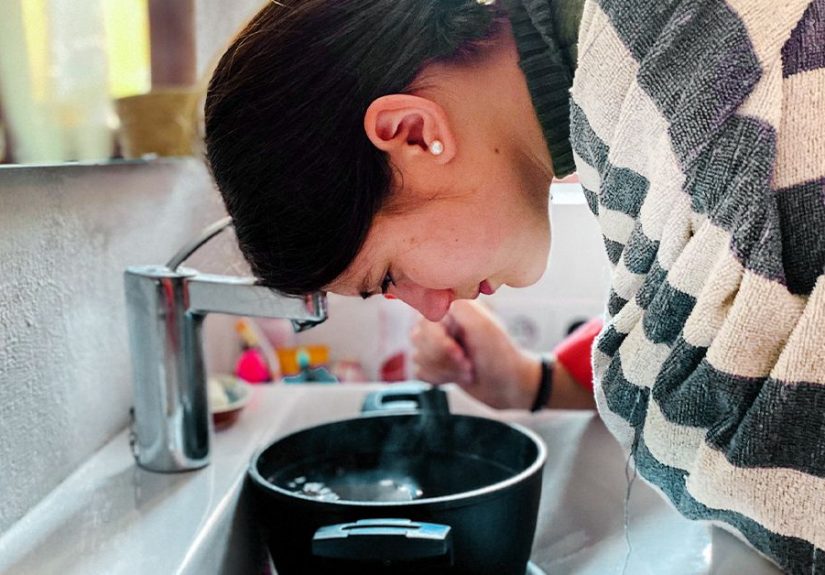
Steam will not shrink nasal polyps, but it may temporarily loosen mucus and ease stuffiness. A warm shower can help, especially in the morning when mucus feels thick. You can also sit in the bathroom with the shower running warm water for a few minutes.
Be careful with bowls of hot water because steam burns are real and extremely unpleasant. Keep your face at a safe distance and avoid adding essential oils directly to steam or nasal rinses unless your healthcare provider says it is safe. Some oils can irritate the nasal lining and make symptoms worse.
5. Reduce Allergy Triggers at Home
Allergies can contribute to chronic inflammation, and inflammation is the backstage manager of nasal polyps. Reducing allergens will not magically erase polyps, but it may reduce the irritation that keeps symptoms active.
Start with simple steps: wash bedding weekly in hot water, vacuum with a HEPA filter if possible, keep windows closed on high-pollen days, shower after outdoor activities, and keep pets out of the bedroom if pet dander worsens symptoms. Also, check for mold in bathrooms, basements, and around windows. Mold loves damp corners and apparently has no respect for nasal comfort.
6. Avoid Smoke, Strong Fragrances, and Air Irritants
Smoke, strong perfumes, cleaning fumes, incense, air fresheners, and pollution can irritate nasal passages. If your nose already has polyps, these irritants can make swelling and congestion feel worse.
Choose fragrance-free laundry products and cleaning supplies when possible. Open windows briefly when cleaning, or wear a mask if dust and fumes bother you. If you smoke, quitting can support better sinus and lung health. If someone else smokes around you, your nose may be silently writing a complaint letter.
7. Stay Hydrated to Thin Mucus
Hydration is not a miracle cure, but it helps keep mucus thinner and easier to clear. Thick mucus can worsen postnasal drip and make the nose feel more blocked. Water, warm tea, broth, and water-rich foods like oranges, cucumbers, and soups can all contribute.
A simple rule: if your mucus feels thick and sticky, check your fluid intake. Your sinuses do not need you to become a human aquarium, but they do appreciate basic hydration.
8. Eat an Anti-Inflammatory Diet
Because nasal polyps are linked with chronic inflammation, an anti-inflammatory eating pattern may support overall health. This means more fruits, vegetables, beans, whole grains, nuts, seeds, olive oil, and fatty fish, and fewer heavily processed foods, sugary snacks, and fried meals.
For example, a sinus-friendly plate might include salmon, brown rice, spinach, avocado, and berries. Another easy option is a vegetable soup with beans and herbs. No, a single blueberry will not fight your polyps like a tiny superhero. But consistent nutrition can support your immune system and help reduce inflammatory pressure over time.
9. Consider Turmeric Carefully
Turmeric contains curcumin, a compound studied for anti-inflammatory properties. Some people add turmeric to food or drink turmeric tea as part of a wellness routine. However, research does not prove that turmeric can treat or remove nasal polyps.
If you use turmeric in food, that is generally different from taking high-dose supplements. Supplements can interact with medications and may cause stomach upset or other side effects. Talk with a healthcare provider before using turmeric supplements, especially if you take blood thinners, have gallbladder disease, are pregnant, or have upcoming surgery.
10. Manage Reflux and Late-Night Eating
Acid reflux can irritate the throat and upper airway, and some people notice worse postnasal drip or throat clearing when reflux is active. While reflux does not directly cause every case of nasal polyps, reducing throat and airway irritation may help your overall comfort.
Try eating dinner earlier, avoiding heavy late-night meals, limiting spicy or greasy foods if they trigger symptoms, and elevating your head slightly during sleep. Your stomach and nose may not be best friends, but they do share the same building.
11. Improve Sleep Position
Nasal congestion often feels worse when lying flat. Elevating your head slightly may reduce nighttime stuffiness and postnasal drip. Use an extra pillow or raise the head of the bed a little. The goal is gentle elevation, not sleeping upright like a startled flamingo.
Better sleep matters because chronic congestion can lead to mouth breathing, snoring, poor rest, and daytime fatigue. If snoring is loud, breathing pauses occur, or you wake up gasping, talk with a healthcare provider about possible sleep apnea.
12. Track Symptoms and Know When to Seek Care
A symptom journal may sound boring, but it can be surprisingly useful. Track congestion, smell, sleep quality, sinus pressure, allergy exposure, foods, weather changes, and treatments used. After two or three weeks, patterns often appear.
For example, you may notice symptoms worsen after cleaning dusty rooms, sleeping with windows open, drinking alcohol, or skipping saline rinses. Bring this information to your doctor. It can help guide treatment and identify whether allergies, asthma, aspirin sensitivity, or chronic sinusitis may be part of the picture.
Home Treatments to Avoid
Not every natural idea belongs in your nose. Avoid putting undiluted essential oils, hydrogen peroxide, alcohol, apple cider vinegar, or random internet mixtures into your nostrils. Your nasal lining is delicate tissue, not a kitchen sink experiment.
Also avoid overusing decongestant nasal sprays. Some sprays can cause rebound congestion if used too long. If you need medicine often, ask a healthcare provider about safer long-term options.
When Medical Treatment Is Needed
Home care is useful, but nasal polyps often need medical help. Doctors may recommend nasal corticosteroid sprays, short courses of oral corticosteroids, allergy treatment, antibiotics for bacterial sinus infections, biologic medications for certain chronic cases, or endoscopic sinus surgery when other treatments fail.
You should seek medical care if you often cannot breathe through your nose, have repeated sinus infections, experience major smell loss, develop fever or severe headache, or have symptoms that disrupt sleep and daily life. Children with nasal polyps should always be evaluated because polyps in children can be linked with other health conditions.
Practical Daily Routine for Nasal Polyps Relief
Here is a simple daily routine many people can discuss with their healthcare provider:
- Morning: Use a safe saline rinse or saline spray, then gently blow your nose.
- Daytime: Drink water, avoid smoke and strong fragrances, and reduce dust exposure.
- Evening: Shower after outdoor pollen exposure and use a clean humidifier if air is dry.
- Night: Sleep slightly elevated and keep the bedroom clean, cool, and low-allergen.
Consistency matters more than intensity. Your nose prefers calm, regular care over one heroic weekend of aggressive rinsing and panic-Googling.
Personal Experience-Style Insights: Living With Nasal Polyps at Home
People who deal with nasal polyps often describe the experience as confusing because symptoms can change from day to day. One morning, breathing feels almost normal. The next morning, the nose seems to have closed for renovations. That unpredictability is why a home-care routine can be helpful. It gives you something steady to do even when symptoms act like they are running their own weather channel.
A common experience is that saline rinsing feels strange at first. Many beginners worry they are doing it wrong because the water does not flow perfectly or because it feels awkward. That is normal. The first rinse can feel like your nose is auditioning for a magic trick. With practice, most people learn the right head angle, water temperature, and pressure. The rinse should be gentle. If it burns, the saline mix may be too strong, the water may be too cold, or the nasal tissue may be irritated.
Another useful lesson is that the bedroom matters more than people expect. Many nasal polyp symptoms feel worse at night because lying down increases the feeling of congestion. Dusty pillows, pet dander, dry air, and open windows during pollen season can all make sleep worse. Washing pillowcases, using allergen covers, keeping pets off the bed, and using a clean humidifier in dry weather may not sound exciting, but neither does waking up at 3 a.m. breathing like a clogged accordion.
Food and hydration can also affect how people feel, although results vary. Some notice thicker mucus when they are dehydrated or after eating lots of salty, sugary, or heavily processed foods. Others do not see a clear food connection. That is why tracking symptoms is useful. Instead of guessing, write down what you ate, how you slept, what the pollen count was like, and how your nose behaved. Your nose may be annoying, but it often leaves clues.
Many people also learn that natural treatment works best as support, not as a replacement for medical care. Someone may rinse daily, run a humidifier, eat well, and still need a prescription nasal spray or specialist care. That does not mean the home routine failed. It means nasal polyps are often part of a chronic inflammatory condition, and chronic conditions usually need more than one tool. Think of it like maintaining a garden: watering helps, sunlight helps, but sometimes you still need to deal with the roots.
The biggest home-care mistake is doing too much too aggressively. Hard nose blowing, overly strong rinses, unsafe water, essential oils in the nose, and random “natural” recipes can irritate tissue and make symptoms worse. Gentle care wins. The nose is not a stubborn frying pan; it does not need scrubbing.
A realistic goal is not perfection. It is better breathing, fewer miserable mornings, less postnasal drip, improved sleep, and a clearer plan. If your sense of smell returns even a little, celebrate it. If congestion improves enough to sleep better, that counts. Progress with nasal polyps can be slow, but small improvements can make daily life feel much more manageable.
Conclusion
Nasal polyps natural treatment is really about managing inflammation, moisture, mucus, allergens, and irritation. Saline rinses, saline sprays, humidifiers, steam, hydration, allergen control, anti-inflammatory foods, and better sleep habits can all support symptom relief. Still, home treatments should be realistic. They may help you breathe easier, but they usually do not remove polyps completely.
If nasal congestion, smell loss, sinus pressure, or mouth breathing continues, medical evaluation is the smart next step. With the right combination of home care and professional treatment, many people can reduce symptoms and improve quality of life. Your nose may be dramatic, but it does not have to run the whole show.