Table of Contents >> Show >> Hide
- What Is the Original Lancaster Leather Chair?
- Construction and Materials
- Leather Options and Natural Character
- Comfort: Deep, Relaxed, and Not for Everyone
- Measure the Room and the Delivery Route
- How to Style the Original Lancaster Leather Chair
- Leather Care and Everyday Maintenance
- Advantages and Drawbacks
- Is the Original Lancaster Leather Chair Worth It?
- Living With the Original Lancaster: Practical Experience Scenarios
- Conclusion
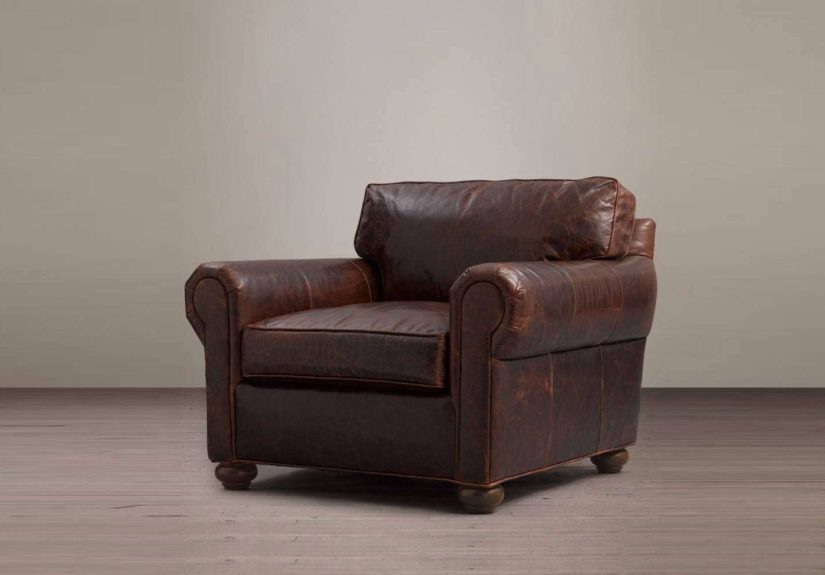
The Original Lancaster Leather Chair from RH is the furniture equivalent of a tailored wool coat worn over pajamas: traditional on the outside, unapologetically relaxed underneath. Rolled arms, turned hardwood feet, premium leather, and an exceptionally deep profile give it the stately appearance of a classic club chair. Its oversized cushions, however, are designed less for formal sitting and more for disappearing into a book.
This is also a serious investment that demands serious floor space. Before ordering, buyers should understand its construction, leather options, cushion behavior, maintenance needs, and delivery requirements. Here is an in-depth look at what makes the Original Lancaster distinctiveand whether its particular brand of sink-in comfort belongs in your home.
What Is the Original Lancaster Leather Chair?
The Original Lancaster Leather Chair is part of RH’s broader Lancaster seating collection, which includes sofas, sectionals, recliners, swivel chairs, ottomans, and fabric-upholstered alternatives. The chair combines familiar English and American club-chair details with the generous proportions associated with contemporary luxury furniture.
Its recognizable features include rounded arms, a loose seat cushion, a substantial back cushion, short turned feet, and a deep body. The lines are clean enough to prevent the chair from looking fussy, while the leather and traditional silhouette add warmth. It can anchor a reading corner, balance a large fireplace, or provide a one-person lounging zone in a family room.
Current prices depend on size, leather, finish, promotions, and RH membership. Because configurations and sale pricing change, treat any advertised starting price as a snapshot rather than a number carved into one of the chair’s hardwood feet.
Construction and Materials
A Frame Designed for Long-Term Use
Published Lancaster specifications have described a kiln-dried hardwood frame with reinforced joinery. Earlier product information also identified double-doweled construction and corner blocking. These details matter because a lounge chair must withstand repeated loading, shifting weight, and the occasional dramatic collapse after a long workday.
Kiln drying reduces excess moisture in wood, helping limit later warping or movement. Consumer furniture guidance generally regards kiln-dried hardwood as a strong foundation for quality upholstered seating. Buyers should still confirm the exact construction listed for their chosen configuration, since specifications can be revised over a collection’s lifetime.
Eight-Way Hand-Tied Suspension
The Lancaster line has traditionally used eight-way hand-tied spring suspension. In this system, springs are tied in multiple directions to distribute weight and create an even, responsive seat. It is labor-intensive and commonly associated with premium upholstered furniture.
This does not automatically make a chair comfortable for every person. Suspension is only one part of the equation; seat depth, cushion fill, body height, and posture matter too. Still, a substantial spring foundation is a meaningful advantage in a chair intended for frequent lounging.
Standard Fill Versus Down-Feather Fill
Depending on the current configuration, buyers may encounter different cushion choices. Traditional Lancaster specifications have included a standard option with polyfiber wrapped around a foam core and a softer down-feather version combining feathers and down around a supportive core.
- Standard fill: More structured, easier to maintain, and better at holding a tailored shape.
- Down-feather fill: Softer and more enveloping, but likely to require regular fluffing and repositioning.
Choose according to how you really live. If you enjoy a neat chair that looks composed with minimal intervention, standard fill is the practical choice. If your dream seat resembles an extremely elegant nest, down-feather fill may be worth the extra maintenance.
Leather Options and Natural Character
RH offers the Original Lancaster in multiple leathers and colors, with Italian Brompton Cocoa frequently used in product photography. The available assortment may include relatively uniform protected finishes as well as more natural-looking hides that display scars, grain variation, wrinkles, and tonal differences.
Those marks are not necessarily defects. Less corrected leather preserves more of the hide’s original surface, allowing it to develop a richer patina. More protected leather generally offers greater resistance to everyday spills and creates a more consistent appearance. Neither category is universally “better”; the right choice depends on whether you value organic character or easier maintenance.
Why Ordering Swatches Is Essential
Screen colors are affected by photography, lighting, and display settings. Leather can also look dramatically different under cool LEDs, warm lamps, and direct daylight. RH provides complimentary leather swatches, so examine your favorites in the actual room at several times of day.
Bend and rub each sample gently. Notice its softness, sheen, surface coating, grain, and color variation. If pets or young children share the room, ask which finish is most forgiving. A swatch is cheaper than discovering that your dream “warm cocoa” reads as “mysterious eggplant” beside your rug.
Comfort: Deep, Relaxed, and Not for Everyone
The defining feature of the Original Lancaster Leather Chair is its depth. Historical descriptions characterize the Lancaster seating profile as nearly four feet deep. That creates abundant room for curling up, sitting cross-legged, adding a lumbar pillow, or pairing the chair with its coordinating ottoman.
Taller users and dedicated loungers are likely to appreciate the generous seat. Shorter users may find that their feet do not rest comfortably on the floor when their back reaches the cushion. A supportive throw pillow can reduce the usable depth, but anyone seeking upright dining-chair posture should test the Lancaster in person before ordering.
Best Uses
- Reading for long stretches with a pillow and throw
- Relaxed television or movie viewing
- Creating a substantial fireplace chair
- Furnishing a library, study, den, or spacious bedroom
- Building a coordinated seating area with a Lancaster sofa or ottoman
Less Ideal Uses
- Small apartments with narrow circulation paths
- Formal conversation rooms requiring upright seating
- Homes where cushions must always look perfectly crisp
- Households unwilling to maintain natural leather
Measure the Room and the Delivery Route
Large furniture can fit inside a room yet fail spectacularly at the doorway. Before purchasing, verify the chair’s current width, depth, height, seat dimensions, and diagonal depth. Then measure every stage of the delivery route.
- Measure exterior and interior door openings.
- Check hallways, stairwells, landings, elevators, and tight turns.
- Account for door handles, railings, ceiling fixtures, and low overhangs.
- Confirm whether the feet can be removed for delivery.
- Mark the chair’s footprint on the floor with painter’s tape.
- Leave enough space for walking, side tables, and nearby drawers or doors.
The taped outline is especially helpful because the Lancaster’s visual bulk is easy to underestimate online. Live with the outline for a day. If everyone must sidestep it like a suspicious puddle, the chair is probably too large for that location.
How to Style the Original Lancaster Leather Chair
Balance Its Visual Weight
Because the chair is broad and grounded, pair it with pieces that offer some breathing room. A slim floor lamp, a leggy side table, or an open-base coffee table can keep the arrangement from feeling heavy. A small delicate table may look stranded beside it, so aim for visual lightness without choosing something comically undersized.
Mix Materials and Textures
Leather becomes more inviting when contrasted with softer or rougher surfaces. Linen curtains, a wool rug, a chunky knit throw, aged wood, ceramic lamps, and woven baskets all work well. Textured pillows are particularly useful because slick fabrics can slide across leather whenever someone sits down.
Choose a Compatible Color Palette
Brown leather pairs naturally with cream, oatmeal, forest green, navy, charcoal, rust, and muted blue. Black leather creates a sharper, more architectural result, while lighter neutral leather can suit contemporary rooms. Repeating the leather tone in one or two smaller accentsa frame, tray, or wood finishis usually enough. Matching every brown object precisely can make a room resemble a furniture showroom trapped in amber.
Give the Chair a Purpose
A comfortable chair feels more intentional when supported by the right accessories. Place a lamp near the shoulder, provide a table for a drink, and add a basket for reading material. If the chair is mainly used for lounging, an ottoman can improve leg support while reinforcing the room’s composition.
Leather Care and Everyday Maintenance
Leather is durable, but it is not indestructible. Different finishes require different products, so follow RH’s current instructions for the selected hide rather than applying a generic internet potion involving vinegar, olive oil, optimism, and regret.
- Dust the chair regularly with a soft, dry microfiber cloth.
- Use a soft upholstery attachment to remove crumbs from seams and crevices.
- Blot spills promptly with a clean, absorbent cloth; do not scrub.
- Keep the chair away from heating vents, radiators, and fireplaces.
- Limit strong, direct sunlight, which may fade or dry the leather.
- Test every approved cleaner or conditioner in a hidden area first.
- Rotate and fluff loose cushions when the construction permits.
Conditioning frequency varies by leather type, climate, and manufacturer guidance. Overconditioning can be as problematic as neglect, particularly on protected finishes. Never assume that saddle soap, household detergent, disinfecting wipes, or an all-purpose spray is safe merely because it behaved itself on a pair of boots.
Advantages and Drawbacks
| Potential Advantages | Potential Drawbacks |
|---|---|
| Classic rolled-arm design with relaxed proportions | Large footprint can overwhelm compact rooms |
| Published premium construction details | Premium price, especially in upgraded leather |
| Deep seat suited to curling up and lounging | May be too deep for short or upright sitters |
| Multiple leather, color, and fill choices | Customization makes selection more complicated |
| Natural leather can gain attractive patina | Scratches, wrinkles, and color change may be visible |
| Coordinates with a broad Lancaster collection | Plush cushions can require reshaping |
Is the Original Lancaster Leather Chair Worth It?
The Original Lancaster is most compelling for someone who wants a substantial leather lounge chair rather than a compact accent seat. Its combination of a hardwood structure, traditional suspension, generous cushions, and customizable leather supports its luxury positioning. The silhouette is established enough to survive shifting decorating trends, which matters when buying furniture intended to remain in the home for years.
Its value is less convincing if you rarely sit in the chair, need a perfectly upright seat, or must squeeze it into a small room. A lower-priced club chair may provide a similar visual idea without the same depth or customization. Conversely, a recliner may offer better ergonomic support for someone who prioritizes adjustable comfort over traditional construction.
Before deciding, sit in a showroom model for at least 10 to 15 minutes. Test normal sitting, reading posture, and getting back up. Review the precise leather, cushion fill, warranty terms, delivery charges, and return restrictions attached to the final order. Luxury furniture is most satisfying when the romance survives contact with the tape measure.
Living With the Original Lancaster: Practical Experience Scenarios
The first impression is likely to be scale. In an online photograph, the Lancaster looks like a handsome armchair. Once placed in a room, it behaves more like a compact personal sofa. That presence can be wonderful in a large den, where the chair visually balances a fireplace or substantial bookcase. In a modest living room, however, the same depth may narrow the walkway and make nearby furniture feel undersized.
During a typical evening, the chair rewards informal sitting. A taller adult may settle against the back cushion with knees comfortably positioned and an elbow supported by each rolled arm. A shorter sitter may instinctively add a lumbar pillow or curl both legs onto the seat. This is not a flaw so much as a clue about the design’s purpose: the Lancaster encourages lounging rather than keeping both feet planted during a formal conversation.
The cushion choice noticeably changes daily ownership. With a structured fill, the seat should require less reshaping and may feel more supportive when standing up. A down-feather configuration creates a softer landing and a more relaxed appearance. After a movie marathon, though, that cushion may display exactly where the viewer spent the evening. Fluffing becomes part of the routinebrief, easy, and necessary if a tailored appearance matters.
Natural leather introduces another evolving experience. Areas touched most often, including the front seat edge and arms, may gradually change in sheen or color. Small scratches can become part of an attractive patina on suitable leather, but a buyer expecting a perfectly uniform surface may see every mark as an emergency. This is why handling a sample and discussing finish characteristics before ordering is more valuable than memorizing marketing terms.
Families may appreciate that loose crumbs and pet hair can often be removed from leather more easily than from textured fabric. The seams and gaps around the large cushions still need vacuuming, and claws can leave marks. A dog may also decide that the chair is a throne purchased specifically in its honor. House rules should therefore be established before the delivery crew leaves, preferably with more authority than the dog possesses.
Placement strongly affects long-term satisfaction. Near a window, the chair can become a favorite reading spot, but strong daily sunlight may fade the upholstery unevenly. Beside a fireplace, it looks wonderfully traditional, yet excessive heat can dry leather. The best position provides good light and a pleasant view while keeping a sensible distance from direct heat and ultraviolet exposure.
Over time, the most successful ownership experience comes from accepting what the Lancaster is: large, soft, traditional, and designed to relax visibly. It is not a background chair. It asks for room, occasional cushion maintenance, and reasonable leather care. In return, it can become the seat that family members quietly compete forthe strongest endorsement any chair can earn.
Conclusion
The Original Lancaster Leather Chair delivers classic club-chair character with modern, oversized comfort. Its premium construction and broad range of leather choices make it a credible long-term investment for spacious rooms and committed loungers. Its depth, price, and maintenance requirements mean that it should be tested and measured carefully rather than purchased on appearance alone.
If the dimensions suit your space, the seat supports your body, and you welcome the evolving character of real leather, the Lancaster can become an enduring centerpiece. If you want compact dimensions, firm upright posture, or furniture that always looks untouched, keep shopping. There is no shame in declining a beautiful chair when it requires its own ZIP code.