Table of Contents >> Show >> Hide
- What Is the Surprising Condiment? Meet Miso Paste
- Why Miso Makes Homemade Caramel Taste Better
- How to Make Miso Caramel Sauce at Home
- Important Caramel Tips So Your Sauce Behaves
- How Much Miso Should You Add?
- Best Ways to Use Miso Caramel
- Flavor Variations to Try
- Common Mistakes When Making Miso Caramel
- Why This Condiment Hack Works for Modern Home Bakers
- Experience Notes: What It Is Like to Make and Serve Miso Caramel
- Conclusion: Miso Is the Secret to Better Homemade Caramel
Homemade caramel is already the golden retriever of dessert sauces: loyal, sweet, and welcome at almost every party. Drizzle it over ice cream, spoon it onto apple pie, swirl it into brownies, or sneak a tiny taste from the jar while pretending to “check the texture.” No judgment. We have all been there with a clean spoon and suspiciously sticky fingers.
But here is the delicious twist: the secret to deeper, more memorable caramel may not be more sugar, more butter, or a dramatic sprinkle of fancy salt. It is miso paste. Yes, the same savory Japanese condiment often stirred into soup can make homemade caramel taste richer, rounder, and more sophisticated. Think of it as salted caramel after taking a semester abroad and coming home with excellent taste.
Miso caramel combines the buttery sweetness of traditional caramel sauce with the savory, fermented depth of miso. The result is not “soup-flavored candy,” thankfully. It is a glossy, sweet-salty, slightly nutty caramel sauce with a subtle umami backbone. It tastes familiar enough to comfort you, but surprising enough to make guests pause and say, “Wait, what did you put in this?” That is the dessert-table version of winning an Oscar.
What Is the Surprising Condiment? Meet Miso Paste
Miso is a fermented paste traditionally made from soybeans, salt, and koji, often with rice or barley depending on the style. It is a staple in Japanese cooking and is prized for its savory depth. In simple terms, miso adds umami, often described as the fifth taste after sweet, salty, sour, and bitter. Umami gives food a satisfying, mouth-filling qualitythe reason some dishes taste complete instead of flat.
For homemade caramel, miso works because caramel is mostly sweetness and richness. Delicious? Absolutely. But without contrast, caramel can become one big sugar monologue. Miso steps in like the friend who tells the story better. It adds saltiness, gentle funk, and savory balance, making the caramel taste more complex without shouting over the butter and sugar.
Why White Miso Is Usually Best for Caramel
If you are new to miso caramel, start with white miso, also called shiro miso. White miso is generally milder, slightly sweet, and less intense than darker varieties. That makes it ideal for desserts because it blends into caramel smoothly without overpowering the sauce.
Yellow miso can also work if you want a deeper savory note. Red miso is stronger, saltier, and more assertive, so use it carefully. A little red miso can be wonderful in a bold chocolate dessert, but too much can turn your elegant caramel into something that tastes like it wandered out of a ramen shop wearing a tuxedo.
Why Miso Makes Homemade Caramel Taste Better
The magic of miso caramel comes from contrast. Sugar gives caramel sweetness. Butter and cream bring richness. Miso adds salt, fermented depth, and a subtle savoriness that makes every spoonful feel more layered. Instead of tasting only sweet, the caramel develops a flavor arc: first buttery and sugary, then salty, then slightly nutty and savory at the finish.
This is the same reason salted caramel became a modern dessert classic. Salt sharpens sweetness and prevents caramel from feeling cloying. Miso does that too, but it goes further. It does not simply season the caramel; it gives it character. It is like replacing a flat background wall with a full mural. Suddenly, there is something to look at.
Miso Adds Balance, Not Weirdness
The biggest concern people have is whether miso caramel will taste too savory. The answer is: not if you use it correctly. When whisked into warm caramel, miso melts into the sauce and becomes part of the flavor structure. You should not taste “soybean paste” as a separate ingredient. Instead, you get a richer version of caramel that feels slightly salty, slightly nutty, and deeply satisfying.
In fact, many people who taste miso caramel cannot immediately identify the secret ingredient. They just know the caramel tastes better than usual. That is the best kind of kitchen trick: impressive, simple, and not requiring a tiny blowtorch.
How to Make Miso Caramel Sauce at Home
You do not need professional pastry training to make miso caramel. You do need attention, patience, and the emotional strength not to answer a text while sugar is turning amber. Caramel is not difficult, but it is dramatic. It goes from pale to perfect to “why does my kitchen smell like regret?” faster than you might expect.
Ingredients
- 1 cup granulated sugar
- 1/4 cup water
- 1/2 cup heavy cream, warmed
- 4 tablespoons unsalted butter, cut into pieces
- 1 1/2 to 2 tablespoons white miso paste
- 1 teaspoon vanilla extract
- Optional: 1 tablespoon light corn syrup to help reduce crystallization
Step-by-Step Method
- Prepare everything first. Measure the cream, butter, miso, and vanilla before you turn on the stove. Caramel waits for no one, not even people with excellent intentions.
- Cook the sugar. Add sugar and water to a clean, heavy-bottomed saucepan. Stir gently just to moisten the sugar. Place over medium heat.
- Stop stirring once it boils. Stirring after the syrup begins boiling can encourage crystallization. Instead, gently swirl the pan if needed.
- Watch the color. Cook until the sugar syrup turns a deep amber color. Pale caramel tastes mostly sweet; darker amber caramel has more complexity. Do not let it burn.
- Add butter carefully. Remove the pan from heat and whisk in the butter. The mixture will bubble, so keep your face and hands safely back.
- Add warm cream slowly. Pour in the cream a little at a time while whisking. The caramel will steam and foam. This is normal, although it does look like a tiny dessert volcano.
- Whisk in miso and vanilla. Add the white miso paste and vanilla. Whisk until smooth and glossy.
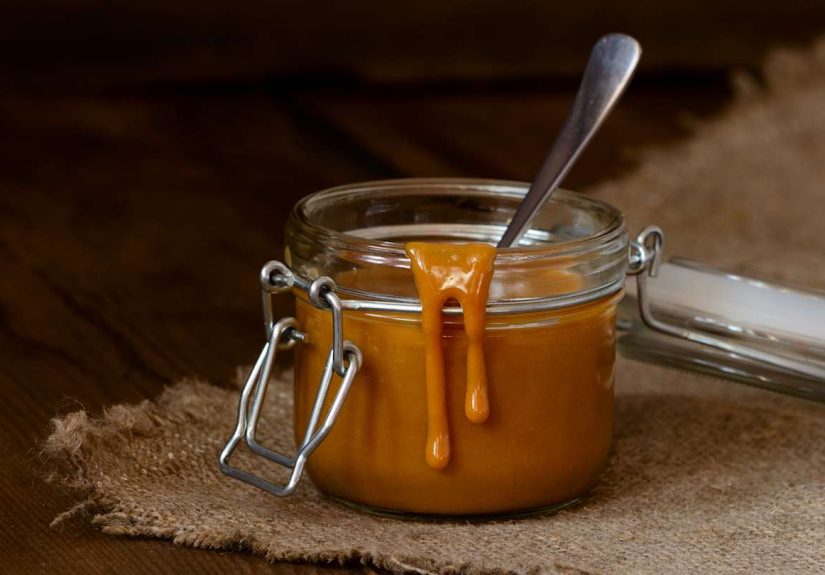
- Cool and store. Let the caramel cool slightly before transferring it to a clean jar. It will thicken as it cools.
Important Caramel Tips So Your Sauce Behaves
Homemade caramel has a reputation for being fussy, but most problems come from a few common mistakes. Avoid those, and you are already ahead of the saucepan.
Use a Heavy-Bottomed Pan
A thin pan can create hot spots, which may cause the sugar to burn unevenly. A heavy-bottomed saucepan distributes heat more evenly, giving you better control. Caramel is all about control. It is basically dessert yoga, but stickier.
Do Not Stir Too Much
Once the sugar syrup begins to boil, avoid stirring. Agitation can encourage sugar crystals to form, making your sauce grainy. If sugar crystals appear on the sides of the pot, you can brush them down with a wet pastry brush. If you do not own a pastry brush, this is your sign that adulthood comes in strange forms.
Warm the Cream First
Cold cream can shock hot caramel and make the mixture seize. Warm cream blends more smoothly and reduces splattering. You do not need it boiling hot; gently warm is enough.
Add Miso Off the Heat
Miso has delicate fermented flavor compounds, so it is best whisked in after the caramel has been removed from direct heat. This keeps the flavor smooth and prevents the miso from tasting harsh.
How Much Miso Should You Add?
For one cup of sugar, start with 1 1/2 tablespoons of white miso. Taste after the caramel cools slightly. If you want a stronger savory note, add another half tablespoon. Remember: miso varies by brand, color, and salt level. Some white miso tastes sweet and gentle; some has a stronger salty punch.
The best approach is to add less at first. You can always whisk in more, but you cannot politely ask miso to leave once it has moved in and unpacked its suitcase.
Best Ways to Use Miso Caramel
Once you have a jar of homemade miso caramel, the question becomes less “What can I use it on?” and more “Is it socially acceptable to put this on breakfast?” The answer depends on your breakfast, but waffles are definitely raising their hands.
Drizzle It Over Ice Cream
Vanilla ice cream and miso caramel are an easy win. The cold creaminess softens the salty depth of the sauce, while the caramel brings a warm, buttery finish. It is simple, classic, and just unusual enough to feel restaurant-worthy.
Pair It with Apples and Pears
Miso caramel is excellent with crisp apples, baked apples, poached pears, and fruit tarts. The savory edge keeps the dessert from becoming too sweet, especially when paired with buttery pastry or vanilla whipped cream.
Swirl It Into Brownies
Chocolate loves salt and umami. Spoon miso caramel over brownie batter and swirl it in before baking. The result is fudgy, glossy, and dangerously easy to justify as “just one small square.” Spoiler: the square will become a rectangle.
Use It in Coffee Drinks
A spoonful of miso caramel in a latte creates a sweet-salty coffeehouse-style drink with more depth than ordinary caramel syrup. Add it to hot coffee, iced coffee, or cold brew with milk. Stir well, because caramel likes to lounge at the bottom of the glass like it owns the place.
Spoon It Over Cheesecake
Cheesecake has tang, creaminess, and richness, making it a perfect match for miso caramel. The sauce cuts through the density and adds a polished finish. Add toasted sesame seeds or chopped roasted peanuts for crunch.
Flavor Variations to Try
Once you understand the basic method, you can customize miso caramel in several directions. Keep the miso as the anchor, then add supporting flavors that complement its savory-sweet personality.
Vanilla Miso Caramel
This is the most versatile version. Vanilla softens the savory edge of miso and makes the caramel taste rounder. Use it for ice cream, cakes, pancakes, and apple desserts.
Chocolate Miso Caramel
Whisk in two ounces of chopped dark chocolate after adding the cream. This creates a thick, glossy sauce that tastes like hot fudge and salted caramel had a very successful meeting.
Sesame Miso Caramel
Add a teaspoon of toasted sesame oil or sprinkle toasted sesame seeds over the finished sauce. This version is especially good with banana, mochi, rice pudding, or chocolate cake.
Spiced Miso Caramel
Add a pinch of cinnamon, ginger, or cardamom. Warm spices work beautifully with the fermented depth of miso, especially in fall desserts like apple crisp, pumpkin cake, and bread pudding.
Common Mistakes When Making Miso Caramel
Even good caramel can go sideways. Fortunately, most issues are fixable or preventable.
The Caramel Tastes Too Salty
You may have used a stronger miso or added too much. Next time, reduce the amount by half. For the current batch, serve it with unsweetened whipped cream, vanilla ice cream, or plain fruit to balance the saltiness.
The Sauce Is Grainy
Graininess usually means the sugar crystallized. Use a clean pan, avoid stirring once the syrup boils, and consider adding a small amount of corn syrup. Brushing the sides of the pot with water can also help.
The Caramel Is Too Thin
Thin caramel may need more time to cool. If it is still too runny after chilling, gently reheat it and simmer briefly to reduce it. Be careful not to cook it too long after the miso is added, since high heat can dull the flavor.
The Caramel Is Too Thick
Warm it gently and whisk in a splash of cream. Add the cream slowly so the sauce stays smooth.
Why This Condiment Hack Works for Modern Home Bakers
Home baking has moved far beyond plain sweet flavors. People love desserts that feel layered: salty chocolate chip cookies, olive oil cake, brown butter blondies, tahini brownies, and black sesame ice cream. Miso caramel belongs in that same delicious family. It gives a familiar dessert sauce an unexpected twist without making the recipe complicated.
It also helps homemade caramel stand out. Regular caramel is wonderful, but miso caramel has personality. It tastes like something from a bakery where the menu is handwritten, the lighting is flattering, and someone behind the counter knows exactly how to pronounce “kouign-amann.”
Experience Notes: What It Is Like to Make and Serve Miso Caramel
The first time you make miso caramel, the process feels almost too simple for the payoff. You start with ordinary pantry ingredients: sugar, butter, cream, vanilla. The sugar melts, the kitchen fills with that warm toasted aroma, and everything seems familiar. Then the miso goes in, and suddenly the sauce changes. Not visually in a dramatic wayit still looks like caramelbut the aroma becomes deeper. It smells buttery, sweet, and slightly savory, as if the caramel has gained a bass line.
The first spoonful can be surprising. At the beginning, it tastes like classic caramel: sweet, creamy, and rich. Then the miso appears in the background. It is not loud. It does not announce itself with a tiny flag. Instead, it makes the caramel taste more complete. The finish is longer, saltier, and more interesting. It is the kind of flavor that makes people take a second bite before they have finished thinking about the first one.
Serving it to friends is even more fun. If you tell them in advance that miso is involved, some people will look nervous, as if you have invited soup to dessert without asking permission. But if you let them taste it first, the reaction is usually curiosity followed by enthusiasm. Over vanilla ice cream, the sauce tastes like salted caramel with extra depth. Over brownies, it becomes intense and luxurious. With apple slices, it tastes playful and balanced, like a caramel apple that went to culinary school.
One of the best uses is a quick dessert board. Put out sliced apples, pretzels, shortbread cookies, strawberries, cubes of pound cake, and a small bowl of warm miso caramel. Suddenly, you have a dessert that looks planned, even if the real plan was “open the pantry and hope.” The salty-sweet flavor works especially well with pretzels because the crunch makes the caramel feel even silkier.
Another great experience is adding a spoonful to coffee. Regular caramel coffee can sometimes taste sugary and flat, but miso caramel adds a subtle savory balance. It is especially good in iced coffee with milk, where the caramel slowly dissolves and gives the drink a café-style richness. You do need to stir well, because thick caramel is not known for its athletic speed.
The biggest lesson from making miso caramel is that small changes can create big flavor. You do not have to rebuild a recipe from scratch to make it exciting. Sometimes one smart ingredient is enough. Miso paste proves that dessert does not need to be only sweet to be satisfying. A little savory depth can make sweetness shine brighter, butter taste richer, and caramel feel brand-new again.
Conclusion: Miso Is the Secret to Better Homemade Caramel
If you love salted caramel, miso caramel is the next step. It has the same sweet-salty appeal but with more depth, more personality, and a subtle umami finish that makes it taste special. White miso is the best place to start because it is mild, smooth, and dessert-friendly. Add it to homemade caramel sauce after the sugar, butter, and cream come together, then use the sauce on ice cream, brownies, fruit, cheesecake, pancakes, coffee, or anything else that could use a golden upgrade.
Homemade caramel does not need much help, but miso gives it a delicious advantage. It turns a classic sauce into something memorable, without requiring complicated technique or hard-to-find ingredients. In other words, this surprising condiment may be the easiest way to make your caramel taste like it has a secretand fortunately, it is a very tasty one.