Table of Contents >> Show >> Hide
- What Is Polyblend Sanded Cement Grout?
- Where Polyblend Sanded Grout Works Best
- Sanded vs. Unsanded Grout: Why the Difference Matters
- Color Selection: The Grout Line Has Opinions
- How to Prepare Before Applying Polyblend Sanded Cement Grout
- How to Mix Polyblend Sanded Grout Correctly
- How to Apply Polyblend Sanded Cement Grout
- Cleaning Grout Haze Without Ruining the Joint
- Does Polyblend Sanded Cement Grout Need Sealing?
- Common Mistakes to Avoid
- Maintenance Tips for Long-Lasting Results
- Is Polyblend Sanded Cement Grout Good for DIY Projects?
- Real-World Experience With Polyblend Sanded Cement Grout
- Conclusion
- SEO Tags
Polyblend Sanded Cement Grout is one of those home-improvement products that does not get applause when it performs wellwhich is exactly the point. Nobody walks into a bathroom and says, “Wow, those grout joints are emotionally moving.” But they will absolutely notice if the grout is cracked, stained, uneven, powdery, or the wrong color. Grout is the quiet line work that makes tile look finished, professional, and durable.
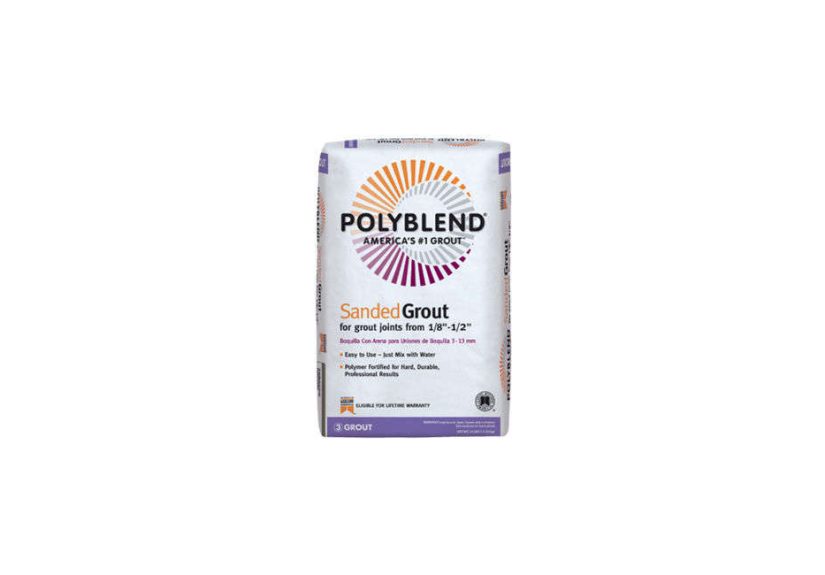
For homeowners, DIY remodelers, tile installers, landlords, and anyone brave enough to renovate a bathroom without losing their will to live, Polyblend sanded grout is a familiar name. It is a cement-based, sanded grout designed for tile joints that need strength, structure, and a clean finished look. The current Polyblend Plus Sanded Grout line from Custom Building Products is widely used for floors, walls, countertops, showers, fountains, pools, and other interior or exterior tile installations.
This guide explains what Polyblend Sanded Cement Grout is, when to use it, how it compares with unsanded grout, how to apply it properly, what mistakes to avoid, and what real-world experience teaches you after the sponge bucket turns suspiciously gray.
What Is Polyblend Sanded Cement Grout?
Polyblend Sanded Cement Grout is a dry, cement-based grout mixed with sand and performance additives. The sand gives the grout body, reduces shrinkage, and helps it stay stable in wider joints. In plain English, sanded grout is the sturdier cousin at the tile family reunionthe one you call when the floor has to deal with shoes, pets, rolling chairs, dropped shampoo bottles, and the occasional “I thought I could move the refrigerator by myself” moment.
The current Polyblend Plus Sanded Grout is described as an ANSI A118.7 polymer-modified, cement-based sanded grout. That matters because polymer modification improves performance compared with basic cement-and-sand mixes. It helps the grout form hard, dense joints that resist shrinking, cracking, and wear. For most residential tile projects, especially ceramic or porcelain tile with medium-width joints, this is exactly the kind of practical durability people are looking for.
Where Polyblend Sanded Grout Works Best
Polyblend Sanded Cement Grout is best suited for grout joints from about 1/8 inch to 1/2 inch. That range makes it useful for many popular tile layouts, including kitchen floors, bathroom floors, laundry rooms, mudrooms, patios, and shower walls where the tile surface can safely handle sanded grout.
Common applications include:
- Ceramic tile floors
- Porcelain tile floors and walls
- Kitchen backsplashes with appropriate joint widths
- Bathroom floors
- Shower walls and tub surrounds
- Countertops
- Exterior tile installations
- Pool, fountain, and wet-area tile projects when installed according to product directions
The key phrase is “when installed according to product directions.” Grout is forgiving, but it is not magic powder. If the tile is loose, the substrate is moving, the joints are packed with thinset, or the grout is mixed like soup, even a good product cannot save the project from becoming a cautionary tale.
Sanded vs. Unsanded Grout: Why the Difference Matters
The biggest decision in cement grout is usually sanded versus unsanded. Sanded grout contains fine aggregate, which gives it strength and makes it better for wider joints. Unsanded grout is smoother and better for narrow joints, polished stone, glass tile, and surfaces that could be scratched by sand.
Use Polyblend Sanded Cement Grout When:
- Your grout joints are 1/8 inch or wider.
- You are grouting durable ceramic or porcelain tile.
- You need stronger joints for a floor or high-traffic area.
- You want reduced shrinkage in wider gaps.
- Your tile surface is not easily scratched.
Choose Unsanded Grout Instead When:
- The grout joints are smaller than 1/8 inch.
- The tile is polished marble, glass, metal, or another delicate surface.
- The manufacturer recommends unsanded grout.
- You need a very smooth grout texture.
One of the classic DIY mistakes is trying to force sanded grout into tiny joints by adding extra water. Please do not do this. Overwatering grout weakens it, causes color inconsistency, creates pinholes, and makes the finished surface look like it has been through a tiny cement-based thunderstorm.
Color Selection: The Grout Line Has Opinions
Polyblend sanded grout is available in many colors, which is both helpful and mildly dangerous. Helpful because you can match almost any tile design. Dangerous because choosing grout color at 9:47 p.m. under garage lighting is how people end up with “close enough” regret.
Color affects the entire personality of a tile installation. Matching grout creates a softer, more continuous look. Contrasting grout emphasizes the tile shape and pattern. A white subway tile with white grout looks clean and classic. The same tile with charcoal grout looks graphic and bold. Neither is wrong, but they are definitely not the same mood.
Practical Color Tips
- Match the tile for a calm, seamless appearance.
- Use contrast to highlight tile patterns such as subway, hexagon, basketweave, or herringbone.
- Choose mid-tone grout for floors that need to hide everyday dirt.
- Test first because grout can look different after curing.
- Buy enough from the same color family to reduce inconsistency across batches.
For floors, many homeowners prefer gray, beige, taupe, or other middle-ground colors because they age gracefully. Bright white grout on a busy floor can be beautiful, but it also has the emotional resilience of a white shirt at a barbecue.
How to Prepare Before Applying Polyblend Sanded Cement Grout
Successful grouting begins before the bag is opened. The tile should be firmly bonded, the setting material should be cured, and the joints should be clean. If thinset mortar is sticking up between tiles, scrape it out before grouting. Grout is supposed to fill the joint, not sit on top of old mortar like frosting on a very crunchy cake.
Before Mixing, Check These Items:
- The tile is fully set and not moving.
- The thinset or adhesive has cured long enough.
- Grout joints are clean and evenly open.
- Tile surfaces are free of dust, spacers, and debris.
- Porous tile or natural stone has been sealed if required.
- You have clean water, clean buckets, a grout float, sponges, gloves, and towels ready.
Preparation may not be glamorous, but it is the difference between “nice tile job” and “why does this floor look haunted?”
How to Mix Polyblend Sanded Grout Correctly
Always follow the product packaging instructions for exact water ratios, slake time, mixing time, and working time. The general rule is simple: measure carefully, mix thoroughly, let the grout rest if directed, and remix before applying. Do not keep adding water after the grout begins to firm up. That trick feels clever for about eight minutes and then becomes the reason the color dries unevenly.
The ideal consistency is often compared to peanut butternot runny, not crumbly, and not so stiff that it fights back. If the grout slides off the float like pancake batter, it is too wet. If it crumbles like desert soil, it is too dry. Proper consistency helps the grout pack tightly into joints and cure with better strength.
How to Apply Polyblend Sanded Cement Grout
Apply the grout with a rubber grout float, holding the float at about a 45-degree angle. Work diagonally across the tile joints to push grout fully into the spaces. The goal is to pack the joints completely, not politely introduce the grout to the surface and hope they become friends.
Basic Application Steps
- Mix the grout according to instructions.
- Spread it over a small section of tile.
- Force grout into the joints with firm pressure.
- Remove excess grout with the edge of the float.
- Wait until the grout firms slightly before washing.
- Clean the tile surface with a damp sponge, rinsing often.
- Buff off haze after the surface dries.
- Allow the grout to cure properly before heavy use or sealing.
Small sections are your friend. Trying to grout an entire room at once is how beginners discover panic as a flooring technique. Work in manageable areas so you can clean before the grout hardens on the tile face.
Cleaning Grout Haze Without Ruining the Joint
Grout haze is the thin film left on tile after washing. It is normal, but it should be removed at the right time. Use a lightly damp sponge, not a dripping sponge. Too much water during cleanup can pull pigment and cement from the joints, leaving weak, washed-out grout lines.
Rinse the sponge frequently and change the bucket water often. Dirty water does not clean; it simply redistributes sadness. After the grout haze dries, buff the tile with a clean microfiber cloth or cheesecloth. If haze remains, use a cleaner recommended for your tile and grout type after the grout has cured.
Does Polyblend Sanded Cement Grout Need Sealing?
Cement-based sanded grout is porous, so sealing is commonly recommended after curing unless the product system or project specification says otherwise. A penetrating grout sealer can help reduce staining, moisture absorption, and everyday grime. This is especially useful in kitchens, bathrooms, showers, laundry rooms, and entryways.
Sealer does not make grout invincible. It is more like a raincoat than a force field. It gives the grout better protection, but you still need regular cleaning and reasonable maintenance.
Common Mistakes to Avoid
1. Using Sanded Grout on Scratch-Sensitive Tile
Always test first if the tile is polished stone, glass, metal, or glossy decorative tile. Sand can scratch delicate surfaces during installation.
2. Adding Too Much Water
Overwatering is one of the fastest ways to weaken grout and cause color problems. Measure water carefully and resist the urge to “loosen it up” repeatedly.
3. Washing Too Soon
If you start cleaning before the grout firms up, you may pull grout out of the joints. Give it time to set according to directions.
4. Ignoring Movement Joints
Grout should not be used where flexible caulk or sealant is required, such as changes of plane, corners, and expansion joints. Grout is rigid; buildings move. The building usually wins.
5. Skipping Maintenance
Even well-installed grout needs care. Clean spills promptly, avoid harsh chemicals that can damage tile or grout, and reseal when needed.
Maintenance Tips for Long-Lasting Results
To keep Polyblend Sanded Cement Grout looking good, sweep or vacuum floors regularly so grit does not grind into the grout lines. Mop with a pH-neutral cleaner suitable for your tile. Avoid harsh acidic cleaners on natural stone, and avoid using vinegar unless the tile and grout system can safely handle it.
For stained grout, start gently. A baking soda and water paste can help with light soil. For tougher stains, use a grout cleaner approved for your surface. Scrub with a grout brush, rinse thoroughly, and dry the area. After deep cleaning, consider resealing the grout to help protect it from future stains.
Is Polyblend Sanded Cement Grout Good for DIY Projects?
Yes, Polyblend Sanded Cement Grout can be a good choice for DIY tile projects when the tile type and joint width are appropriate. It is widely available, budget-friendly, and familiar to many installers. It mixes with water, comes in many colors, and works for a broad range of residential applications.
However, DIY success depends on patience. The grout itself is not the hard part. The hard part is timing, cleaning, water control, and not panicking when the tile suddenly looks like it has been attacked by wet concrete. Stay calm. Work in sections. Rinse the sponge. Change the water. Do not rush.
Real-World Experience With Polyblend Sanded Cement Grout
After working with sanded cement grout on floors, backsplashes, and bathroom projects, one lesson becomes obvious: grout rewards preparation more than confidence. You can walk into a tile job feeling like a renovation genius, but if the joints are dirty, the sponge is too wet, or the grout is mixed inconsistently, the finished surface will politely expose every shortcut.
In a typical bathroom floor project, Polyblend sanded grout performs best when the joints are uniform and the tile is porcelain or ceramic. The sanded texture packs nicely into 1/8-inch and larger joints, and it gives the floor a firm, finished feel. The first few passes with the grout float may feel messy, especially if you are new to grouting. Suddenly the beautiful tile you spent hours installing is covered in gray paste, and your brain whispers, “We have made a terrible mistake.” You probably have not. That messy stage is normal.
The biggest experience-based tip is to clean in stages. Beginners often try to make the tile perfectly clean on the first sponge pass. That usually means too much water and too much pressure. A better approach is to shape the joints gently, remove the bulk of residue, rinse often, and come back for haze later. Grout haze is annoying, but washed-out joints are worse. Haze can usually be buffed away; weak joints require repair.
Another practical lesson is that grout color looks different in the bag, in the bucket, wet on the tile, half-dry, and fully cured. In other words, grout color has more phases than a teenager. A color that looks too dark during installation may dry lighter. A color that seems perfect under store lighting may look warmer or cooler at home. Testing a small area or making a sample board is not overthinkingit is cheap insurance.
On kitchen floors, medium gray or beige Polyblend sanded grout colors tend to be forgiving. They hide daily dust, crumbs, and the mysterious specks that appear five minutes after mopping. Bright white grout can look beautiful in a magazine photo, but in a real kitchen with coffee, pets, kids, and life happening at full volume, it requires commitment. If you choose white grout, seal it carefully and prepare for regular cleaning.
In showers, technique matters even more. Cement-based grout can work well, but the installation must be sound, cured, sealed when appropriate, and maintained. Corners and changes of plane should be handled with suitable flexible sealant rather than rigid grout. This is one of those details that separates a long-lasting shower from a future weekend spent scraping cracked lines while questioning your choices.
For first-time DIY users, the best experience is usually a small floor or backsplash with simple ceramic or porcelain tile. Avoid starting with polished marble, glass mosaics, complicated patterns, or a giant room where the grout begins drying before you finish spreading it. Learn the rhythm first: pack, scrape, wait, wipe, rinse, repeat. Once that rhythm clicks, Polyblend Sanded Cement Grout becomes much less intimidating.
The final lesson is simple: grout is not just filler. It is part of the design, part of the structure, and part of the maintenance plan. Polyblend sanded grout can deliver strong, attractive joints, but it asks for careful mixing, thoughtful color selection, correct application, and a little respect. Treat it like an important finishing material, not an afterthought, and it will make the entire tile installation look more polished and professional.
Conclusion
Polyblend Sanded Cement Grout is a practical, durable, and widely used choice for tile projects with joints from about 1/8 inch to 1/2 inch. Its sanded, polymer-modified cement formula helps create dense joints that resist shrinking, cracking, and everyday wear. It is especially useful for ceramic and porcelain tile floors, walls, countertops, showers, and exterior installations when the tile surface is suitable for sanded grout.
The best results come from choosing the right grout type, preparing the joints properly, mixing with care, applying in small sections, cleaning with minimal water, and sealing when needed. It may not be the flashiest part of a remodel, but grout is the detail that makes tile look complete. Get it right, and the room feels finished. Get it wrong, and the grout lines will remind you every morning while you brush your teeth.