Table of Contents >> Show >> Hide
- What Is a Pretty in Pink Hutch?
- Why Pink Works So Well on a Hutch
- Choosing the Right Shade of Pink
- How to Paint a Hutch Pink the Right Way
- Best Hardware for a Pink Hutch
- How to Style a Pretty in Pink Hutch
- Where to Use a Pink Hutch
- Design Styles That Love a Pink Hutch
- Common Mistakes to Avoid
- Maintenance Tips for a Pink Hutch
- Experience: Living With a Pretty in Pink Hutch
- Conclusion
A pretty in pink hutch is proof that furniture can have a personality without yelling across the room. It is charming, useful, a little nostalgic, and just bold enough to make guests say, “Wait, why does that look so good?” Whether it sits in a dining room, kitchen, breakfast nook, hallway, or cozy cottage-style living room, a pink hutch can turn everyday storage into a sweet design moment.
Of course, pink furniture can go in two very different directions. Done well, it looks curated, warm, and stylish. Done poorly, it can feel like a dollhouse staged a coup in your dining room. The difference comes down to shade, finish, styling, proportion, and how the piece connects with the rest of the space. A blush pink hutch with brass pulls and white dishes feels soft and elegant. A dusty rose cabinet with vintage glassware feels collected and romantic. A hot pink hutch can be fabulous too, but it needs confidence, balance, and possibly a room that already owns a dramatic streak.
This guide explores how to choose, paint, style, and live with a pink hutch in a way that feels fresh rather than fussy. Think of it as a love letter to cheerful storagewith practical advice, because even the prettiest hutch still has to hold plates without becoming a clutter museum.
What Is a Pretty in Pink Hutch?
A hutch is traditionally a two-part furniture piece: a lower cabinet or buffet-style base and an upper shelving or display section. Some hutches have glass doors, some have open shelves, and some look like they were born to guard Grandma’s china with royal seriousness. A pretty in pink hutch simply takes that classic storage piece and gives it a color story with warmth, softness, and visual charm.
The phrase “pretty in pink” does not have to mean sugary or childish. Pink can be sophisticated, especially when the shade leans muted, earthy, peachy, or dusty. In modern interiors, pink often works like a warm neutral. It brings more personality than beige, more softness than red, and more surprise than white. For a hutch, that makes it especially powerful because the piece is already a natural focal point.
Why Pink Works So Well on a Hutch
A hutch is large enough to matter but usually not as permanent as built-in cabinetry. That makes it a perfect candidate for color. Painting an entire kitchen pink may feel like signing a lifetime contract with bubblegum, but painting a hutch pink is more like going on a delightful design date. It gives the room a focal point without overwhelming every surface.
Pink also pairs beautifully with materials commonly found in dining rooms and kitchens. It warms up white dishes, softens dark wood floors, flatters brass hardware, and adds contrast beside natural textures like rattan, linen, cane, and stoneware. If your room feels too plain, a pink hutch can wake it up. If your room feels too formal, it can loosen the tie. If your room already has vintage charm, pink can make the whole space feel intentional rather than accidental.
Choosing the Right Shade of Pink
The secret to a beautiful pink hutch is choosing a shade that matches the mood of your home. Pink is not one color; it is a whole family reunion. Some relatives are elegant. Some are loud. Some brought glitter.
Blush Pink
Blush pink is soft, pale, and easy to live with. It works well in farmhouse, cottage, coastal, vintage, and transitional spaces. A blush hutch looks especially lovely with white plates, pale wood, woven baskets, and cream walls. It is the safest choice if you want charm without drama.
Dusty Rose
Dusty rose has gray or brown undertones, which gives it a more grown-up feel. This is a wonderful option for dining rooms, older homes, and spaces with antique rugs, dark wood, or muted wall colors. It feels romantic but not precious.
Peachy Pink
Peachy pink adds warmth and sunshine. It can make a kitchen or breakfast nook feel cheerful, especially when paired with ivory, terracotta, copper, or natural wood. If your home already has warm undertones, peach-pink may look more harmonious than a cool pastel.
Coral or Raspberry Pink
Coral, raspberry, and brighter pinks are for homeowners who believe furniture should not whisper when it can sing backup vocals. These shades work best when the rest of the room is edited. Pair them with simple dishes, clean walls, and thoughtful accents so the hutch feels like the star, not the entire parade.
How to Paint a Hutch Pink the Right Way
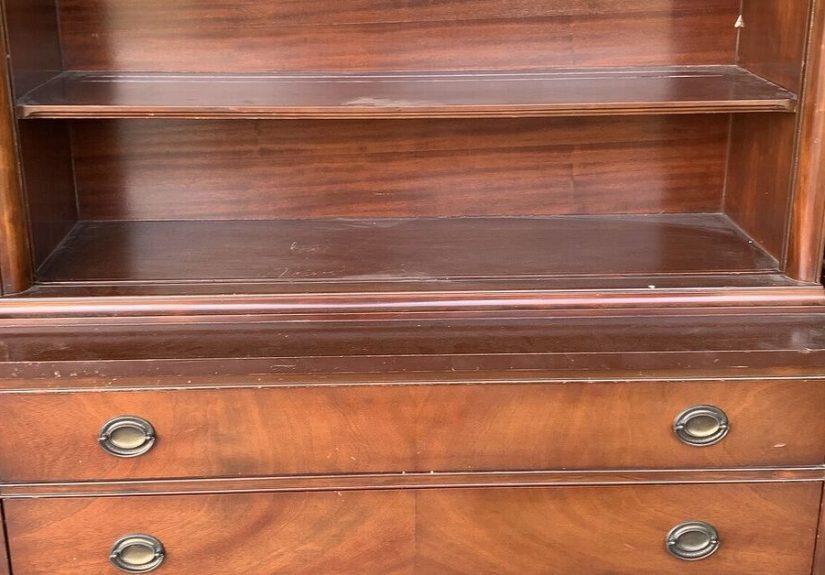
If you already own a wooden hutch that looks tired, dated, or aggressively brown, paint can work wonders. But a smooth, durable finish depends on preparation. A hutch has doors, trim, shelves, hardware, corners, and sometimes glass panels. In other words, it has many opportunities to make you regret rushing.
Step 1: Clean the Piece Thoroughly
Before sanding or painting, clean the hutch to remove dust, grease, wax, and old furniture polish. Kitchen and dining room furniture often collects a thin film from cooking oils, hands, and years of “I’ll wipe that later.” Paint does not bond well to grime, no matter how politely you ask.
Step 2: Remove Hardware and Doors
Take off knobs, pulls, hinges, and removable doors if possible. Label hardware in small bags so you do not end up crawling around the floor three hours later asking a screw where it came from. Removing pieces also helps you paint clean edges and avoid drips around hinges.
Step 3: Sand or Scuff the Surface
You do not always need to strip furniture down to raw wood, but you usually need to dull a glossy finish. Light sanding helps primer and paint grip better. Use a fine sanding sponge for detailed areas and wipe away dust with a tack cloth or slightly damp cloth. The goal is not to punish the furniture; it is to give the new finish something to hold onto.
Step 4: Repair Chips and Gaps
Fill dents, cracks, and old hardware holes with wood filler if needed. Once dry, sand the repaired areas smooth. A pink finish highlights charming details, but it will also reveal sloppy patches. Think of this as skincare for furniture: prep first, glow later.
Step 5: Prime Before Painting
Primer is especially important if the hutch has a glossy finish, dark stain, knots, laminate-like surfaces, or mystery varnish from 1987. A bonding or stain-blocking primer helps prevent bleed-through and improves durability. This is the step many people skip right before they discover peeling paint and emotional growth.
Step 6: Apply Thin Coats of Paint
Use a furniture, cabinet, trim, or enamel-style paint designed for durability. Thin, even coats are better than one thick coat that looks like frosting applied during a minor earthquake. A small foam roller can help create a smooth surface on flat areas, while an angled brush works well for trim and corners. Let each coat dry fully before adding the next.
Step 7: Protect the Finish
Depending on the paint, you may want a clear protective topcoat, especially on shelves, drawer fronts, and the buffet surface. Choose a non-yellowing finish if you are using a pale pink. Always test first because some clear coats can slightly change the color.
Best Hardware for a Pink Hutch
Hardware can change the entire mood of a pink hutch. Brass knobs make it feel warm and elegant. Antique bronze gives it vintage depth. Glass knobs add cottage charm. Matte black creates contrast and keeps the look from becoming too sweet. Nickel or chrome can work in cleaner, more modern spaces.
If the hutch has ornate details, simple hardware may be best. If the hutch is plain, decorative pulls can add character. Just avoid hardware that competes too loudly with the color. Pink already brought the cupcakes; the knobs do not need to bring fireworks.
How to Style a Pretty in Pink Hutch
A hutch is both storage and display, which means styling matters. The goal is to make it look collected, not crammed. If every shelf is packed edge to edge, your hutch may start resembling a very polite yard sale.
Start With a Color Palette
Choose two or three main colors for the items inside the hutch. White, cream, soft blue, sage green, clear glass, brass, and natural wood all pair beautifully with pink. A limited palette helps the display feel calm and intentional.
Use Everyday Items as Decor
Pretty plates, bowls, pitchers, cake stands, teacups, glassware, cookbooks, and serving pieces can all become part of the display. The best hutch styling often uses items you actually use. That way, the cabinet feels personal instead of staged by someone who thinks humans survive on decorative pears.
Vary Height and Shape
Mix tall pitchers with stacked plates, small bowls with framed art, and glassware with baskets. Varying height keeps the shelves visually interesting. If everything is the same size, the display can look flat.
Group Items in Odd Numbers
Groups of three or five often feel more natural than perfectly even pairs. Try a small stack of plates, a vase, and a candle. Or place a framed recipe card beside a pitcher and a tiny bowl. The arrangement should feel relaxed, not like the dishes are standing at attention.
Leave Breathing Room
Negative space is not wasted space. It gives your favorite objects room to shine. If you cannot see the back of the hutch anywhere, remove a few items. Your dishes deserve oxygen too.
Where to Use a Pink Hutch
A pink hutch can work in more rooms than you might expect. In a dining room, it can hold dishes, linens, candles, serving trays, and seasonal decor. In a kitchen, it can become a coffee station, baking cabinet, or cheerful storage zone for mugs and cookbooks. In a living room, it can display books, ceramics, framed photos, and collected objects. In a hallway, it can hold baskets, keys, mail, and small lamps. In a bedroom, a hutch can even store sweaters, accessories, perfume, or folded linens.
The key is to style the hutch according to the room. A dining hutch should not look like it is storing random office supplies unless your dinner parties involve tax documents. A bedroom hutch can be softer and more personal. A kitchen hutch should be attractive but practical enough that you can grab a mug without dismantling a still life.
Design Styles That Love a Pink Hutch
Cottage Style
Cottage interiors and pink hutches are natural friends. Add floral dishes, scalloped edges, woven baskets, and linen napkins for a cozy look. The result feels charming without trying too hard.
Vintage and Retro Style
A pink hutch can lean retro when paired with colorful glassware, checkerboard floors, diner-inspired details, or mid-century accessories. Soft pink also works beautifully with vintage kitchen pieces and thrifted finds.
French Country Style
For a French country mood, choose a muted pink with gray or beige undertones. Pair it with antique brass, white ironstone, aged wood, and linen textures. The look should feel elegant, relaxed, and slightly sun-faded.
Modern Eclectic Style
In a modern eclectic room, a pink hutch can act as the playful anchor. Add bold art, sculptural ceramics, colorful books, and clean-lined accessories. Keep the shelves edited so the piece feels artistic rather than chaotic.
Common Mistakes to Avoid
The first mistake is choosing a pink shade without testing it in the room. Paint can shift dramatically depending on light. A color that looks like soft blush in the store may look like strawberry yogurt under warm bulbs. Always test a sample.
The second mistake is skipping prep. A hutch is touched, opened, closed, and dusted. It needs a durable finish. Cleaning, sanding, priming, and curing time are what make the difference between a makeover and a meltdown.
The third mistake is overdecorating the shelves. A pink hutch already has visual presence. You do not need to fill it with every plate, vase, bird figurine, candle, teapot, and emotionally significant mug you own. Edit with mercy.
The fourth mistake is ignoring the rest of the room. Add one or two pink accents elsewhere, such as flowers, artwork, napkins, a rug detail, or a small lamp. This helps the hutch feel connected rather than dropped from a cotton-candy cloud.
Maintenance Tips for a Pink Hutch
Keep the finish clean with a soft cloth and mild soap when needed. Avoid harsh cleaners, especially on painted furniture. Use felt pads under heavy dishes or decorative objects to prevent scratches. If the shelves hold plates or glassware, consider clear shelf liners that protect the surface without distracting from the color.
Give painted furniture time to cure before heavy use. Paint may feel dry within hours, but it often needs longer to harden fully. During the first few weeks, be gentle. No slamming doors, no dragging ceramic bowls across shelves, and no testing durability like you are quality control at a furniture factory.
Experience: Living With a Pretty in Pink Hutch
The most surprising thing about a pretty in pink hutch is how quickly it becomes the emotional center of a room. At first, you may think you are simply painting a piece of furniture. Then one morning, you walk in with coffee, see the soft pink glow against your dishes, and suddenly your kitchen feels like it has a soundtrack. Not a dramatic orchestramore like cheerful breakfast jazz.
One of the best experiences with a pink hutch is watching how it changes ordinary objects. White plates look cleaner. Clear glasses sparkle more. Old cookbooks seem more charming. Even a slightly chipped pitcher starts looking intentional, like it has a backstory involving a flea market, a rainy Saturday, and excellent taste. The hutch gives humble pieces a stage.
Another real-life advantage is that a pink hutch can make decorating feel easier. Instead of spreading small decor pieces all over the house, you get one beautiful focal point. Seasonal styling becomes simple. In spring, add tulips, floral plates, or pastel napkins. In summer, use clear glass, woven trays, and fresh greenery. In fall, bring in copper, cream pumpkins, amber glass, or dried flowers. In winter, add candles, white ceramics, velvet ribbon, or tiny evergreen branches. The hutch does not need a full costume change; it just needs a few thoughtful accessories.
There is also a confidence boost that comes from choosing pink. Many people play it safe with furniture because they worry they will get tired of color. But a hutch is the perfect place to try something joyful. Unlike walls or cabinets, it can move. Unlike a sofa, it does not need to match every pillow you will ever buy. And unlike a tiny decor item, it has enough presence to make the choice feel meaningful.
Of course, living with a pink hutch teaches restraint too. The first instinct may be to fill it with everything cute. Pink teacups! Floral bowls! Tiny cake stands! A ceramic bunny with suspicious confidence! But the most beautiful hutches usually include fewer items than expected. Editing makes the pink feel stylish instead of sugary. When in doubt, remove one thing from each shelf and see if the whole piece breathes better.
A pink hutch also has a way of starting conversations. Guests may ask where you bought it, what paint color you used, or whether it was inherited. That is part of the appeal. It feels personal. A white cabinet may be useful, but a pink hutch has a point of view. It says the home belongs to someone who enjoys details, warmth, and maybe dessert plates displayed with unreasonable pride.
The best part is that a pretty in pink hutch does not have to be perfect. A small brush mark, an old dent, or a slightly uneven shelf can add character. Painted vintage furniture often looks better when it keeps a little history. The goal is not showroom perfection. The goal is a piece that makes the room feel loved, used, and alive.
If you are considering one, start with the shade. Tape paint samples near the hutch location and watch them throughout the day. Then think about what you want to store and display. Choose hardware that supports the mood. Style the shelves slowly. Step back often. Remove the extra mug. Yes, that one too.
In the end, a pretty in pink hutch is not just about color. It is about turning storage into joy. It makes dishes feel special, gives a room a focal point, and proves that practical furniture does not have to dress like it works in accounting. A pink hutch can be sweet, sophisticated, vintage, modern, cozy, or bold. Most importantly, it can make a home feel more like the person who lives there.
Conclusion
A pretty in pink hutch is one of the most charming ways to combine storage, style, and personality. Whether you choose blush, dusty rose, peach-pink, or a bolder raspberry shade, the right pink hutch can brighten a room without overwhelming it. With proper prep, durable paint, thoughtful hardware, and edited shelf styling, an old cabinet can become a standout piece that feels fresh, useful, and wonderfully personal.
The magic is in balance. Let the pink bring warmth and character, but support it with practical finishes, calm accessories, and a clear color palette. Style the shelves with dishes, glassware, books, baskets, and meaningful pieces, but leave enough space for the display to breathe. A hutch should hold your favorite thingsnot your entire attic wearing a fancy outfit.
Done well, a pink hutch becomes more than furniture. It becomes a mood, a memory keeper, a conversation starter, and a daily reminder that home design is allowed to be fun.
Note: This article is original, publication-ready content written in standard American English and based on real home decor, furniture painting, and display styling practices.