Table of Contents >> Show >> Hide
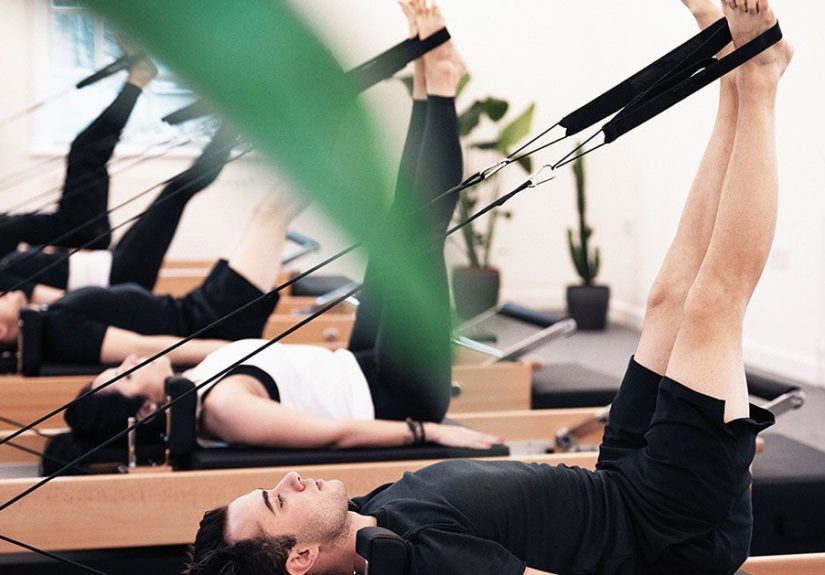
Reformer Pilates has a funny way of looking both luxurious and mildly alarming. The machine resembles a narrow bed equipped with springs, straps, shoulder blocks, and a platform that moves whs “medieval stretching device” and more versatile resistance-training system.
Like mat Pilates, Reformer Pilates emphasizes controlled movement, breathing, alignment, and core stability. The moving carriage and adjustable springs add resistance or assistance, allowing exercises to be modified for beginners, experienced athletes, older adults, and some people returning to exercise after an injury. Pilates may improve strength, flexibility, posture, balance, and movement awareness, although the quality of evidence varies by outcome and population.is guide explains the most realistic Reformer Pilates benefits, the risks worth taking seriously, and how to begin without treating your first class like an audition for an acrobatic circus.
What Is Reformer Pilates?
Reformer Pilates is performed on a specialized machine originally developed from the exercise system created by Joseph Pilates. Its central feature is a padded platform called the carriage, which slides along rails. Springs connect the carriage to the frame and provide adjustable resistance.
A typical reformer also includes a footbar, shoulder rests, hand and foot straps, ropes, and sometimes a platform or box. You may exercise while lying down, kneeling, sitting, standing, or balancing with different parts of your body on the carriage and frame.
How the springs work
One of the first surprises is that heavier springs do not automatically make every exercise harder. More spring tension can make pushing movements more demanding, but it may also stabilize the carriage and provide support. Lighter springs can require greater control because the carriage moves more freely. This is why randomly changing springs is not a great beginner strategy. The instructor chooses resistance based on the exercise, your body position, and your ability to control the machine.
Reformer Pilates versus mat Pilates
Mat Pilates uses body weight and small props on the floor. Reformer Pilates uses spring resistance and a moving surface. Neither version is universally better. Mat work is portable and affordable, while the reformer offers more exercise variations and can either support a movement or make it more challenging.
The equipment can also provide useful feedback. For example, if one leg pushes harder during footwork, the carriage may shift unevenly. The machine is essentially saying, “Nice try, right leg, but we noticed.” Guidance from a trained teacher is especially important when specialized Pilates equipment is involved.on>
Potential Benefits of Reformer Pilates
Reformer Pilates is adaptable, low impact, and capable of training the whole body. Its effects depend on class design, frequency, resistance, instructor quality, and your starting fitness level. It is exercise, not magic upholstery.
1. Improved core strength and endurance
Pilates places considerable emphasis on controlling the trunk while the arms and legs move. That requires coordination among the abdominal muscles, back muscles, diaphragm, pelvic floor, hips, and glutes. On the reformer, the moving carriage creates an additional stability challenge.
A stronger, more coordinated core may improve how efficiently you transfer force between the upper and lower body. That can make ordinary taskslifting groceries, getting out of a chair, carrying a child, or standing at a deskfeel more controlled.2. Full-body muscular conditioning Although Pilates is famous for abdominal work, a thoughtfully programmed reformer class can train the legs, hips, back, shoulders, chest, and arms. Exercises may involve pushing against the footbar, pulling straps, stabilizing the shoulder blades, extending the hips, or controlling the carriage during lunges. The resistance is generally lighter than traditional heavy weight training, but slow tempos and long sets can produce a memorable muscular burn. Small stabilizing muscles often join the meeting after years of ignoring the calendar invitation. Reformer exercises frequently require attention to rib position, spinal alignment, shoulder placement, and pelvic control. This does not guarantee permanently perfect posture, nor should anyone remain rigidly upright all day. Healthy posture includes the ability to change positions comfortably. However, Pilates may help you recognize habits such as arching the lower back, gripping the shoulders, locking the knees, or shifting weight to one side. Greater awareness can make it easier to adjust those patterns during exercise and daily movement.4. Increased flexibility and mobility Many reformer movements combine strength with controlled range of motion. Rather than relaxing passively into a stretch, you often use muscles to enter and leave the position. This can improve active mobilitythe range you can controlalong with conventional flexibility. Results are gradual. A first class may not transform tight hamstrings into cooked spaghetti, but regular practice can improve movement quality when exercises are appropriate and performed consistently. Kneeling and standing exercises challenge balance because the carriage can move beneath you. Even exercises performed while lying down demand coordination between breathing, limb movement, and trunk stability. Research on Pilates and balance is encouraging but not perfectly consistent. Some reviews report improvements in older adults, while others note that benefits may depend on the population, program, and balance tests used. Pilates should therefore be viewed as one possible part of a broader balance and fall-prevention plan, not a guaranteed shield against every wobble.6. Low-impact resistance training Many reformer exercises are performed without jumping or repeated impact. The equipment can support body weight, making certain movements more approachable for people who dislike high-impact workouts. Low impact does not mean low effort or zero risk. A demanding reformer class can leave the legs shaking like a phone on silent mode. Still, the ability to adjust springs, range of motion, body position, and exercise complexity makes the method highly adaptable. Multiple studies and systematic reviews have found that Pilates-based exercise may reduce pain and disability in some people with chronic nonspecific low back pain. Improved trunk endurance, movement confidence, and spinal control may contribute to these outcomes. That does not mean every back problem should be treated with a group reformer class. Pain caused by a fracture, nerve compression, infection, inflammatory disease, or another specific condition needs appropriate medical assessment. People with persistent symptoms may benefit from working with a physical therapist or instructor experienced in clinical populations.8. Focus and stress management Reformer Pilates requires concentration. You must coordinate breathing, alignment, spring tension, and a platform that has no sympathy for daydreaming. This focused attention can provide a mental break from work, notifications, and general life clutter. Exercise in many forms can support stress management and mood. Pilates is not a substitute for mental health treatment, but its combination of movement, breathing, and attention may help some people feel calmer and more connected to their bodies.on> A reformer program can contribute to muscular strength and endurance, but it may not provide enough cardiovascular exercise to satisfy general aerobic recommendations. U.S. guidelines advise most adults to accumulate at least 150 minutes of moderate-intensity aerobic activity per week and perform muscle-strengthening activities on two or more days. Depending on the style and intensity, a reformer class may count toward some strength or moderate activity goals. However, many people will still benefit from walking, cycling, swimming, running, dancing, or another aerobic activity. Combining Pilates with cardio and progressively challenging resistance training creates a more balanced fitness program.lates also cannot permanently “lengthen” muscles in the literal sense or selectively burn fat from the waist, thighs, or arms. It can improve strength, control, and muscle definition, but body-fat changes depend on overall energy balance, genetics, sleep, nutrition, and total activity. Reformer Pilates is generally considered low impact, but injuries can occur. The moving equipment, spring resistance, unfamiliar positions, and pressure to keep up with a group can create problems when technique or class selection is poor. New participants may experience delayed-onset muscle soreness, especially in the abdominal muscles, glutes, inner thighs, and shoulders. Mild soreness that improves over several days is common. Sudden sharp pain, worsening joint pain, significant swelling, weakness, or symptoms that alter your normal movement deserve more attention. Beginners are more likely to overdo it when they choose advanced classes, increase attendance too quickly, or assume that shaking means they must keep going. Safe exercise programs build frequency, intensity, and duration gradually.Neck, wrist, shoulder, knee, or back irritation Poor alignment, unsuitable resistance, or excessive range of motion can irritate joints and surrounding tissues. Common mistakes include pulling on the neck during abdominal work, collapsing into the shoulders during planks, locking the knees during footwork, or allowing the lower back to move beyond a controllable range. Good instructors modify the position, spring setting, range, or exercise rather than treating pain as proof of progress. “No pain, no gain” is not a Pilates principle. It is mostly a reliable way to meet your local physical therapist. Fingers, hair, jewelry, loose clothing, and feet can be caught near moving components. A carriage may return unexpectedly if tension is released without control. Standing exercises also introduce a risk of losing balance. Follow the instructor’s setup directions, keep hands away from springs and wheels, secure long hair, and wait until the carriage is still before changing positions. Never adjust the machine in the middle of a movement unless instructed. People with osteoporosis or previous vertebral fractures may need to avoid or modify loaded spinal flexion, deep twisting, and extreme bending. Pilates can still support posture, balance, and muscular function, but the program must reflect the individual’s fracture risk and medical history.Pregnancy and postpartum exercise Physical activity is considered safe and beneficial for most uncomplicated pregnancies, but Reformer Pilates should be adjusted as pregnancy progresses. Changes may be needed for prolonged supine positions, balance challenges, abdominal pressure, intensity, and transitions on or off the machine. Pregnant and postpartum participants should tell the instructor before class and follow guidance from their obstetric professional, particularly when complications, pelvic-floor symptoms, significant pain, bleeding, dizziness, or other concerning symptoms are present.When to seek medical guidance first Talk with a qualified healthcare professional before beginning if you have recently had surgery, are recovering from a major injury, have unstable cardiovascular or respiratory disease, experience unexplained fainting, have severe osteoporosis, or have been told to restrict physical activity. Stop exercising and seek prompt medical care for chest pain, fainting, severe shortness of breath, sudden weakness, loss of coordination, or intense pain. Exercise should challenge you, but it should not produce emergency warning signs.on> Look for terms such as introductory, foundations, beginner, or Level 1. Avoid classes advertised as athletic, advanced, jumpboard, power, or high intensity until you understand basic reformer setup and movement cues. Some studios require a private orientation before group classes. Although this costs more, it can be valuable when you have injuries, mobility limitations, significant anxiety about the equipment, or no previous Pilates experience. Ask whether the teacher has comprehensive reformer training and experience working with beginners. Reputable education should include functional anatomy, equipment safety, teaching methods, supervised practice, and competency assessment. The Pilates Method Alliance and National Pilates Certification Program provide information about professional standards and qualified teachers.Tell the instructor about relevant conditions Arrive early and mention injuries, pregnancy, recent surgery, osteoporosis, joint replacements, dizziness, chronic pain, or movement restrictions. You do not need to deliver your entire medical biography while everyone adjusts their socks. Share the information that affects safe participation. Your first sessions should introduce the carriage, springs, footbar, straps, shoulder rests, and safe transitions. You will likely practice basic footwork, bridging, arm pulls, leg straps, and simple abdominal exercises. Focus on moving smoothly and breathing normally. Holding your breath can increase unnecessary tension and may contribute to blood-pressure changes during exertion. Controlled range of motion matters more than pushing the carriage as far as physically possible.Start with one or two classes per week For most beginners, one or two weekly sessions allow time to learn technique and evaluate recovery. Add frequency only when soreness is manageable, joints feel normal, and you can maintain control throughout the class. A simple four-week introduction might look like this: Starting slowly is not laziness. It is how muscles, connective tissue, coordination, and confidence adapt without staging a rebellion.Wear practical clothing Choose fitted, stretchy clothing that allows the instructor to observe alignment and is unlikely to catch in the machine. Many studios require grip socks for hygiene and traction. Remove dangling jewelry and secure long hair. Bring water, but do not expect to drink during every exercise transition. A small towel may be useful. Most importantly, bring patience; coordination often takes longer to develop than enthusiasm. Muscular fatigue, warmth, and controlled shaking can occur. Sharp, pinching, electrical, or escalating pain is different. Stop and tell the instructor rather than quietly negotiating with your shoulder for the remaining 37 minutes. A well-designed class can be challenging while still allowing you to breathe, understand cues, and control the carriage. When technique deteriorates completely, reducing resistance or resting is often more productive than forcing additional repetitions. Your first Reformer Pilates experience may begin with a brief tour of the machine followed by an unexpected vocabulary lesson. The teacher may mention neutral pelvis, tabletop legs, spinal articulation, shoulder stabilization, or the Pilates “box.” At first, these cues can feel like someone is narrating an appliance manual while you are trying not to slide off the appliance. Then comes footwork. You lie on the carriage, place your feet on the bar, and press away. It may seem suspiciously easy for approximately 20 seconds. As the repetitions continue and your alignment becomes more precise, the thighs and glutes start working harder. The challenge is not simply moving the carriage; it is moving it without locking the knees, lifting the hips, gripping the shoulders, or launching yourself toward the other side of the studio. Strap exercises often create another surprise. Small arm circles or leg movements can feel manageable until the instructor asks you to keep the ribs, pelvis, shoulders, and carriage completely steady. Suddenly, a movement measured in inches requires the concentration normally reserved for defusing a movie bomb. Beginners commonly notice that one side feels stronger or more coordinated. One leg may push smoothly while the other wobbles. One hip may rotate more easily. These differences are not necessarily injuries. Bodies are rarely perfectly symmetrical. The useful part of Pilates is learning to notice the difference without forcing both sides into identical ranges. After class, some people feel taller or more open through the chest and hips. This is usually a temporary combination of muscular activation, mobility, and postural awareness rather than an overnight structural transformation. You may also notice muscles you did not realize were invited, particularly around the deep abdomen, glutes, inner thighs, and shoulder blades. The following day can bring mild soreness. Getting out of bed, laughing, or reaching for something on a low shelf may reveal exactly how much trunk work occurred. This soreness should generally improve rather than intensify. Severe pain, significant swelling, numbness, or altered movement is not a badge of honor and should be evaluated appropriately. By the third or fourth class, the equipment usually feels less mysterious. Spring changes become familiar, transitions become quicker, and breathing no longer disappears whenever an exercise becomes difficult. You may begin to understand that more resistance is not always better. Sometimes the hardest version uses a lighter spring and demands slower control. Progress may first appear outside the studio. You might notice better awareness while lifting a suitcase, fewer shoulder shrugs while typing, more control during a squat, or improved confidence balancing on one leg. These small functional changes are often more meaningful than performing the fanciest reformer exercise on social media. Cost and scheduling can affect the experience as much as the workout itself. Reformer classes are typically more expensive than mat classes because equipment limits class size. A studio close to home with beginner-friendly times may be more valuable than a glamorous location that requires a heroic commute. Consistency usually beats novelty. The best beginner experience is not the class that leaves you unable to sit down comfortably for four days. It is the class that feels safe, understandable, appropriately challenging, and interesting enough that you are willing to return. Reformer Pilates rewards repetition. Over time, movements become more coordinated, resistance can progress, and the machine shifts from intimidating contraption to surprisingly useful training partner. Reformer Pilates offers adjustable, low-impact resistance training with a strong emphasis on core control, posture, mobility, coordination, and body awareness. It may also help some people manage chronic nonspecific low back pain when taught appropriately. Its main risks come from poor equipment setup, unsuitable resistance, excessive range of motion, rushed progression, and failure to modify exercises for injuries or medical conditions. Start with a genuine beginner class, choose a well-trained instructor, communicate relevant health concerns, and progress according to movement quality rather than ego. For well-rounded fitness, combine Reformer Pilates with aerobic movement and other suitable strength or weight-bearing activities. The reformer can do many things, but it cannot walk the dog for you.3. Better posture and body awareness
5. Balance and coordination
7. Possible relief for some types of low back pain
What Reformer Pilates Does Not Do by Itself
Reformer Pilates Risks and Disadvantages
Muscle strains and excessive soreness
Carriage, spring, and equipment accidents
Special considerations for osteoporosis
How to Start Reformer Pilates Safely
Choose a true beginner class
Check the instructor’s education
Learn the neutral starting positions
Use effort, not pain, as your guide
A Realistic Beginner Experience: What Reformer Pilates Actually Feels Like
Conclusion