Table of Contents >> Show >> Hide
- What Happened Between Roku and Quibi?
- Why Roku Wanted Quibi’s Original Content
- Why Quibi Failed but the Content Still Had Value
- How Roku Reframed the Deal as a Strategic Win
- What the Move Meant for the Streaming Industry
- Examples of Titles That Helped the Deal Make Sense
- The Hidden Genius of “Free”
- Experiences Around the Roku-Quibi Moment: What It Felt Like for Viewers and the Industry
- Final Takeaway
- SEO Tags
Some stories in Hollywood arrive wearing a tuxedo. Others show up like a raccoon with a ring light. The Roku-Quibi deal was a little of both. On one side, you had Quibi, the spectacularly expensive short-form streaming experiment that burned brightly, briefly, and very publicly. On the other, Roku, the platform company that looked at Quibi’s abandoned content library and said, in effect, “You know what? This weird little pile of prestige mini-shows might actually work if people don’t have to pay for it.”
And that, in one sentence, is why the story still matters.
When Roku moved to stream Quibi’s original content on The Roku Channel, it was not just rescuing stranded series. It was making a smart bet on the future of free streaming, ad-supported television, and the idea that content can fail in one business model and thrive in another. That is a lesson the streaming industry keeps relearning, usually after spending a breathtaking amount of money first.
In this article, we will break down what happened, why Roku wanted Quibi’s originals, what the move said about the streaming wars, and what marketers, viewers, and media companies could learn from one of the strangest content second acts in recent memory.
What Happened Between Roku and Quibi?
Quibi launched in April 2020 with enormous ambition, huge funding, and a very specific pitch: premium short-form shows built for phones, delivered in episodes usually under 10 minutes. The service leaned on celebrity names, glossy production values, and a mobile-first presentation that included its much-discussed “Turnstyle” format. The concept sounded futuristic. The reality was more like a cautionary tale wearing expensive shoes.
By October 2020, Quibi announced it was winding down operations after just six months. It had star power, but not enough stickiness. It had buzz, but not enough users willing to keep paying. It had timing so bad that if timing were a movie villain, Quibi would have been the first character to trip over a decorative coffee table. A service built for watching on the go entered the market when millions of people were stuck at home.
Then Roku entered the chat.
In January 2021, Roku announced that The Roku Channel would become the exclusive place to stream more than 75 premium shows and documentaries from Quibi. Even better for viewers, Roku planned to make the content available for free on an ad-supported basis. That was the key twist. Quibi had tried to charge for short-form mobile-first entertainment. Roku repositioned the same library as free, premium content designed to boost engagement on The Roku Channel.
Later, Roku rebranded the former Quibi shows as Roku Originals, a label that conveniently removed the baggage of the Quibi name while allowing Roku to present the library as something fresher, cleaner, and more platform-friendly. In May 2021, Roku launched the first slate of 30 titles, including Die Hart, #FreeRayshawn, Reno 911!, Punk’d, and Chrissy’s Court.
Why Roku Wanted Quibi’s Original Content
At first glance, the deal looked odd. Why would Roku, a company best known for streaming devices and platform distribution, want the leftovers from a failed startup? The answer is simple: because “failed startup” and “worthless content” are not the same thing.
1. Roku Needed Distinctive Programming
The Roku Channel was already a meaningful player in the ad-supported streaming space, but original content gives a platform a sharper identity. Licensed catalog titles are useful, but exclusives give viewers a reason to remember where they watched something. Roku saw the Quibi library as an instant, relatively efficient way to enter the originals business without starting from zero.
Instead of waiting years to develop dozens of shows, Roku acquired a ready-made pipeline of professionally produced projects featuring recognizable talent. In streaming, speed matters. Building a content brand the slow way can be noble, but buying one is often more practical.
2. The Price Was Likely Attractive
Roku did not disclose financial details in its official announcement, but multiple reports at the time suggested the content library sold for far less than Quibi had spent creating it. That is the sort of bargain that makes executives smile in spreadsheets. Quibi had reportedly poured a fortune into original programming; Roku picked up distribution rights to that premium inventory at a far lower cost than producing a comparable slate from scratch.
3. Free Streaming Was Gaining Momentum
The move also aligned with a broader industry shift. Consumers were getting tired of paying for every app under the sun, moon, and algorithm. Free ad-supported streaming television, often called FAST or AVOD depending on the model, was becoming increasingly attractive. Roku understood that strong free content could drive users, viewing hours, and advertising revenue all at once.
That meant Quibi’s premium shows did not need to become subscription magnets. They just needed to attract attention, keep people watching, and give advertisers a reason to spend. That is a very different job, and arguably a much better one for short-form entertainment.
Why Quibi Failed but the Content Still Had Value
One of the biggest misconceptions about Quibi is that everything about it was a disaster. That is not really true. The business failed. The library was more mixed. Some shows drew praise, some earned awards, and some had legitimate audience appeal. The problem was not simply the content itself. The problem was the product-market fit.
The Business Model Was the Real Villain
Quibi asked people to pay for a service centered on short episodes they could primarily watch on phones. That may have sounded clever in a pre-pandemic boardroom, but it became a harder sell once consumers had plenty of longer, more familiar entertainment options on larger screens at home. Even before the shutdown, critics and analysts noted that Quibi’s mobile-only premise was restrictive and that the service struggled to create must-have cultural momentum.
Roku solved part of that problem by removing the paywall. Viewers are far more willing to sample something unusual when the price tag is zero. A 10-minute celebrity thriller or reality show becomes a fun click instead of a monthly financial commitment you have to justify to yourself like a gym membership you have not used since spring.
Short Episodes Work Better as a Bonus Than a Burden
Quibi’s short episodes were originally positioned as the main event. Roku reframed them more like snackable premium viewing inside a larger free entertainment ecosystem. That subtle shift mattered. People do enjoy short-form content. They just do not always want to organize their entire streaming life around it.
On The Roku Channel, those 10-minute episodes became a feature, not a limitation. They could be binged casually, sampled quickly, or folded into a broader viewing session alongside movies, live channels, and traditional TV shows. In other words, the same content became easier to love once it stopped asking to be the center of the universe.
The Content Carried Familiar Names
Even if viewers had never subscribed to Quibi, many of the shows featured stars they already knew. Kevin Hart, Liam Hemsworth, Sophie Turner, Anna Kendrick, Jennifer Lopez, and Laurence Fishburne are not exactly obscure improv performers from your cousin’s basement sketch group. Roku inherited a library with built-in marketing hooks, which made discovery easier and helped the rebrand feel credible.
How Roku Reframed the Deal as a Strategic Win
Roku was smart enough not to simply say, “Hey, remember that service everyone roasted online? Good news, we bought its stuff.” Instead, the company turned the acquisition into a broader story about originals, accessibility, and free streaming.
The Rebrand to Roku Originals Was a Masterstroke
Branding matters. Quibi had become shorthand for overfunded streaming hubris. Roku Originals sounded cleaner, broader, and more useful. It allowed Roku to take ownership of the content experience without spending every marketing campaign explaining why viewers should revisit a service they had already filed away in the entertainment cemetery.
By dropping the Quibi label, Roku also made the shows feel less like recycled leftovers and more like a fresh launch. That psychological shift is no small thing. Media companies sell perception almost as much as programming.
The Roku Channel Became More Than a Side Door
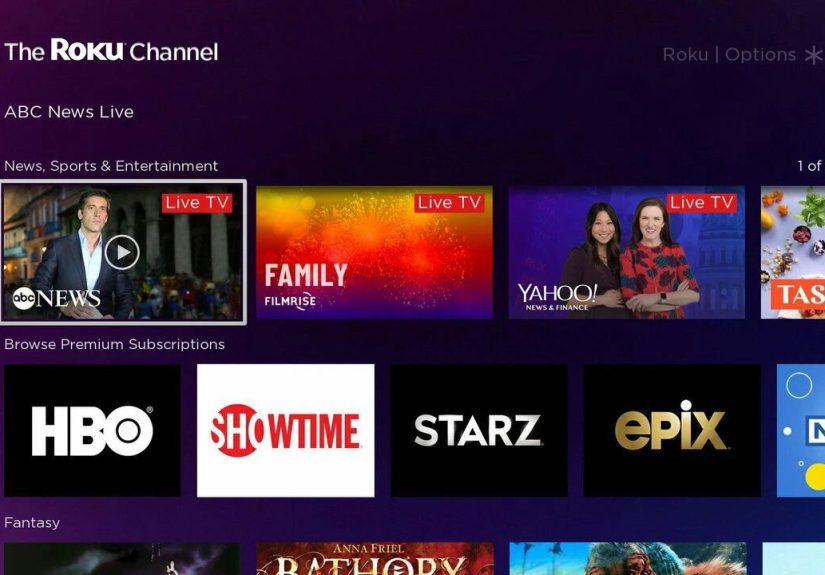
The acquisition helped elevate The Roku Channel from a nice free extra into a more serious content destination. Roku already had a large installed base, but exclusive programming gave the platform more gravity. It could now compete not just as a distribution layer, but as a media brand with recognizable originals.
Roku later reported that the launch of Roku Originals drove a record two-week streaming period for The Roku Channel, with millions of people streaming the new titles and the top 10 most-watched programs during that stretch all coming from Roku Originals. That result suggested the company’s thesis was not just clever on paper. It worked in practice.
What the Move Meant for the Streaming Industry
The Roku-Quibi story is bigger than one content library. It exposed several truths about modern streaming that still matter.
Content Can Be Rescued by a Better Distribution Model
A show does not always fail because it is bad. Sometimes it fails because it is trapped in the wrong system. Roku demonstrated that content value is often contextual. Premium short-form programming looked shaky behind a niche subscription paywall, but looked much stronger as free exclusive programming on a widely available ad-supported service.
AVOD and FAST Are Not Side Hustles Anymore
For years, ad-supported streaming was treated like the less glamorous cousin at the streaming family reunion. Subscription services got the spotlight, the prestige headlines, and the fancy investor language. But Roku’s Quibi deal showed that free streaming could support real original content, real audience growth, and real strategic ambition. That was an early sign of how important ad-supported ecosystems would become.
Platform Companies Want More Control
Roku’s move also reflected a broader trend: platforms no longer want to be just neutral pipes. They want audience data, ad revenue, exclusive content, and brand loyalty. Buying Quibi’s library helped Roku strengthen all four. It gave the company more leverage in the streaming economy and turned The Roku Channel into a bigger part of Roku’s long-term business story.
Examples of Titles That Helped the Deal Make Sense
Part of the deal’s appeal was the range of programming Roku acquired. This was not one genre and one mood. It was a surprisingly varied package.
- Die Hart brought Kevin Hart’s star power and broad entertainment appeal.
- #FreeRayshawn carried prestige value and awards recognition.
- Reno 911! arrived with an existing fan base and strong comedy awareness.
- Punk’d had reboot familiarity and pop-culture recognition.
- Chrissy’s Court offered celebrity-driven unscripted fun that fit the snackable format.
That mix mattered because it allowed Roku to test different audience segments at once. Scripted, unscripted, comedy, reality, documentary, and celebrity-driven formats all gave The Roku Channel more ways to keep viewers engaged. This was not just about rescuing Quibi. It was about turning stranded inventory into a flexible content engine.
The Hidden Genius of “Free”
If there is one word that explains why Roku had a better shot than Quibi, it is this: free.
Free lowers resistance. Free invites curiosity. Free says, “Come on in, the water is fine,” instead of “Please justify another recurring charge on your credit card statement.” In a crowded streaming market, that difference is enormous.
Roku did not need every former Quibi title to become a blockbuster. It just needed enough of them to generate trial, repeat viewing, and ad inventory that advertisers wanted to buy. The economics were fundamentally different, and that is why the same library could look like a flop in one setting and a clever acquisition in another.
There is also a branding advantage to free access. It makes a platform feel generous, useful, and easy to recommend. Viewers can tell friends to watch a Roku Original without adding the awkward phrase “assuming you still have room in your budget after the six other services you forgot to cancel.”
Experiences Around the Roku-Quibi Moment: What It Felt Like for Viewers and the Industry
The most interesting part of the Roku-Quibi story may not be the transaction itself, but the experience surrounding it. For viewers, the deal felt like finding a tray of expensive desserts in the office kitchen after a meeting you did not attend. Nobody expected it. Nobody was quite sure who paid for it. But suddenly, there it was, and it would have been silly not to take a look.
There was also a strange kind of relief in seeing Quibi’s shows get a second life. When a high-profile platform collapses, audiences usually assume the content disappears into licensing limbo, where good ideas go to collect dust and develop trust issues. Roku changed that experience by making the former Quibi slate visible again, easy to access, and free to sample. For viewers who had heard about titles like Die Hart or #FreeRayshawn but never felt compelled to subscribe to Quibi, Roku lowered the barrier enough to turn vague curiosity into actual viewing.
For industry watchers, the experience was almost philosophical. It forced executives, analysts, and advertisers to confront an uncomfortable truth: sometimes the problem is not the show, but the shelf you put it on. Content strategy can fail because of timing, packaging, pricing, device limitations, or plain old brand confusion. Roku’s move reminded the industry that distribution is not just plumbing. Distribution is positioning. It changes how viewers interpret value.
There was also a practical lesson for advertisers. A premium short-form library starring recognizable talent became much more attractive when placed inside a free, ad-supported ecosystem with reach. Instead of asking consumers to commit first and watch second, Roku flipped the experience: watch first, stay longer, and let advertising do the monetization heavy lifting. That model feels a lot closer to how many consumers naturally behave.
And then there was the emotional experience of the rebrand itself. Calling the library “Roku Originals” gave the content a fresh runway. The shows no longer felt like artifacts from a failed app. They felt like part of a new experiment, one with less hype and more practicality. That matters because audiences are surprisingly sensitive to context. People often do not watch content in a vacuum. They watch stories wrapped in brand signals, pricing signals, and cultural signals.
In many ways, the Roku-Quibi episode felt like a streaming-era makeover montage. Same core material, different styling, much better lighting. It was not magic. It was strategy. And for anyone working in digital media, content marketing, streaming, or advertising, that experience remains deeply instructive. A failed launch does not always mean a failed asset. Sometimes it just means the first invitation was written poorly.
Final Takeaway
Roku’s decision to stream Quibi’s original content was one of the clearest examples of how distribution, pricing, and branding can completely change the fate of entertainment. Quibi failed because its model asked too much from consumers at the wrong time in the wrong format. Roku succeeded by asking much less: just press play.
That is why the deal still stands out. It showed that free ad-supported streaming was not a backup plan. It was a real growth strategy. It showed that original content does not need to begin inside a traditional studio pipeline to create platform value. And it showed that even in a crowded streaming market, there is always room for a second act if the audience can get to it easily enough.
In the end, Roku did not just buy Quibi’s content. It bought an opportunity to prove that good distribution can rescue good-enough content, that failed brands can be repackaged into useful ones, and that in streaming, convenience often beats concept. That may not be as flashy as Quibi’s original pitch, but it turned out to be a whole lot smarter.