Table of Contents >> Show >> Hide
- How Smartwatches Help With Diabetes Monitoring
- The Role of Continuous Glucose Monitors
- Can a Smartwatch Measure Blood Sugar by Itself?
- Smartwatch Benefits for People With Diabetes
- Popular Diabetes Monitoring Setups Involving Smartwatches
- What Smartwatches Cannot Do for Diabetes
- Smartwatches, Type 1 Diabetes, and Type 2 Diabetes
- How to Choose a Smartwatch for Diabetes Monitoring
- Privacy and Data Sharing
- Practical Examples of Smartwatch Diabetes Monitoring
- Experience-Based Insights: Living With Diabetes Data on Your Wrist
- The Future of Smartwatches and Diabetes Care
- Conclusion: A Smarter Wrist, Not a Standalone Cure
Diabetes management used to feel like a pocket full of gadgets, test strips, lancets, reminders, and one very tired brain trying to remember what happened after lunch. Today, smartwatches are changing that experience. They cannot magically replace medical care, and they definitely are not tiny wrist doctors wearing invisible lab coats. But when paired with approved diabetes technologyespecially continuous glucose monitors, or CGMsthey can make glucose trends easier to see, understand, and act on.
The big idea behind smartwatches for diabetes monitoring is simple: people make better decisions when helpful information is close, clear, and timely. A smartwatch can show glucose readings, trend arrows, alerts, activity data, heart rate, sleep patterns, medication reminders, and health notifications in one glance. For someone living with diabetes, that glance can mean noticing a rising glucose trend before a meeting, catching a low alert during a walk, or learning that last night’s “innocent” snack had the subtlety of a marching band.
Still, there is an important truth at the center of this topic: most smartwatches do not measure blood glucose directly. Instead, they usually display information sent from an FDA-authorized CGM sensor worn on the body. That distinction matters. A smartwatch can be the dashboard, but the CGM is the engine collecting glucose data.
How Smartwatches Help With Diabetes Monitoring
Smartwatches support diabetes care by making glucose information more visible and less disruptive. Instead of pulling out a phone, opening an app, unlocking a screen, and pretending not to check notifications from three group chats, a person can raise their wrist and see key data instantly.
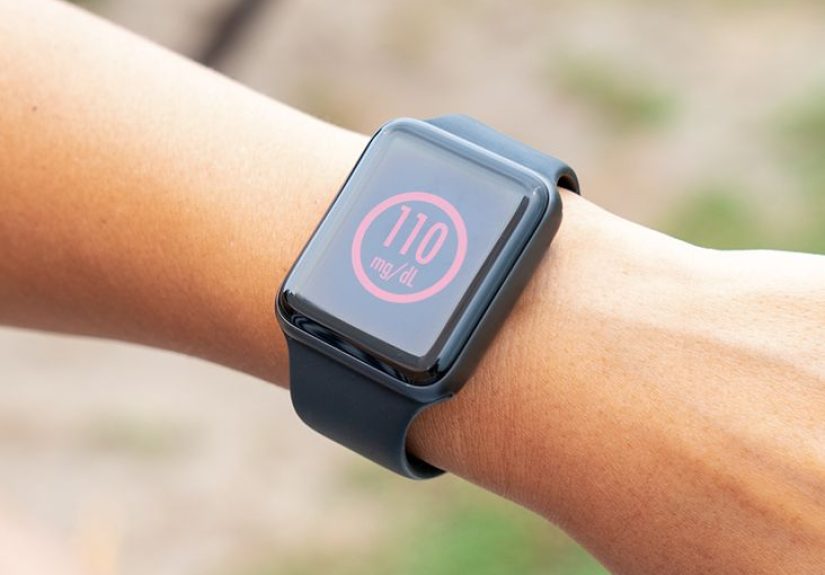
For people using CGMs such as Dexcom, FreeStyle Libre, or other compatible systems, smartwatch integration can show real-time or near-real-time glucose readings. Some systems also display trend arrows that suggest whether glucose is steady, rising, or falling. This is often more useful than a single number alone. A glucose reading of 110 mg/dL can mean different things depending on whether it is stable, climbing fast after breakfast, or dropping during exercise.
Key Diabetes Data a Smartwatch May Display
Depending on the device, app, phone, CGM model, and region, smartwatch diabetes tools may show:
- Current glucose readings from a CGM
- Trend arrows showing glucose direction
- High and low glucose alerts
- Time in range summaries
- Exercise, heart rate, and activity data
- Sleep information that may help explain glucose patterns
- Medication, meal, hydration, and appointment reminders
This creates a more complete picture. Diabetes is not only about glucose numbers. It is also about food, movement, stress, sleep, illness, medication timing, hormones, travel, school, work, and those mysterious days when the body seems to say, “I have chosen chaos.”
The Role of Continuous Glucose Monitors
A continuous glucose monitor is a wearable device that uses a small sensor inserted under the skin to estimate glucose levels in interstitial fluid, the fluid around cells. The sensor sends glucose data to a receiver, smartphone, insulin pump, or smartwatch-compatible app. This gives users a stream of glucose information throughout the day and night.
Unlike traditional fingerstick blood glucose checks, which show one moment in time, CGMs show patterns. That is the real power. A single glucose reading is like one photo. A CGM gives you the movie.
For example, a person might notice that their glucose rises sharply after a certain breakfast, stays smoother after a protein-rich meal, drops after a long walk, or climbs overnight after poor sleep. These patterns help people and clinicians make smarter decisions about meal planning, physical activity, insulin timing, medication adjustments, and safety planning.
Why “Time in Range” Matters
One of the most useful CGM metrics is time in range. This refers to the percentage of time glucose stays within a target range set by the healthcare team. Instead of focusing only on A1C, which gives an average over several months, time in range shows daily glucose stability.
Think of A1C like a semester grade and time in range like checking your homework along the way. Both matter, but one helps you catch problems sooner. A person can have a decent average glucose while still experiencing frequent highs and lows. CGM data helps reveal those hidden swings.
Can a Smartwatch Measure Blood Sugar by Itself?
This is where the hype train needs a speed limit. As of now, the U.S. Food and Drug Administration has warned consumers not to use smartwatches or smart rings that claim to measure blood glucose directly without a skin-piercing sensor. The FDA has not authorized smartwatches or smart rings that independently measure or estimate blood glucose values on their own.
That does not mean smartwatch diabetes features are useless. Quite the opposite. It means users should understand the difference between a watch that displays CGM data and a watch that claims to measure glucose on its own. The first can be valuable when connected to an approved CGM. The second should be treated with caution, especially if it promises painless, needle-free, perfect glucose readings from the wrist. In health tech, “too good to be true” often arrives wearing a shiny screen and a discount coupon.
Why Noninvasive Glucose Monitoring Is Hard
Glucose is not easy to measure accurately from the outside of the body. Researchers are studying optical sensors, sweat-based sensors, skin-based signals, machine learning, and other methods. These ideas are exciting, and future smartwatches may become more advanced. But diabetes management requires accuracy because wrong numbers can lead to wrong decisions.
For someone taking insulin or medication that can cause low blood sugar, inaccurate readings can be dangerous. A false low might lead someone to eat unnecessary carbohydrates. A false high might encourage inappropriate treatment. A missed low could be even worse. That is why approved CGMs and blood glucose meters remain central tools in diabetes care.
Smartwatch Benefits for People With Diabetes
Smartwatches are not magic, but they are convenient. Convenience matters because diabetes is not a once-a-week hobby. It is daily, repetitive, and occasionally rude. A device that reduces friction can make self-management less exhausting.
1. Faster Access to Glucose Trends
A smartwatch lets users check glucose data discreetly and quickly. This can be helpful in class, at work, during exercise, while driving with appropriate safety precautions, or at social events. A quick glance can reduce the need to constantly pull out a phone.
2. Better Alerts for Highs and Lows
Many CGM systems can send alerts when glucose is too high, too low, rising quickly, or falling quickly. A smartwatch can make these alerts harder to miss through vibration, sound, or on-screen notifications. For people with hypoglycemia unawareness, overnight lows, or busy schedules, alerts can be especially useful.
3. Activity Tracking in the Same Place
Exercise can lower glucose, raise glucose temporarily, or do both depending on intensity, timing, food, medication, and individual response. Smartwatches track steps, workouts, heart rate, and sometimes sleep. Seeing activity data near glucose data can help users connect the dots.
For example, a 20-minute walk after dinner may smooth out a glucose spike. A stressful high-intensity workout might temporarily raise glucose before it settles. A smartwatch can help show these patterns over time.
4. Support for Caregivers and Families
For children, teens, older adults, or people who need extra support, CGM sharing features can help caregivers monitor glucose remotely. Smartwatch alerts can also support parents, partners, school nurses, coaches, or caregivers when used appropriately and with privacy in mind.
5. Less Mental Math, More Pattern Recognition
Diabetes often asks people to become part-time data analysts. Smartwatch apps can simplify some of that data into trends, alerts, and summaries. The goal is not to stare at numbers all day. The goal is to notice patterns without turning life into a spreadsheet with snacks.
Popular Diabetes Monitoring Setups Involving Smartwatches
Different brands and systems offer different levels of smartwatch support. Compatibility can change, so users should always check current device requirements before buying hardware or switching apps.
Dexcom and Apple Watch
Dexcom CGM systems have become well known for smartwatch integration. Some Dexcom features allow glucose information to appear on Apple Watch, and newer direct-to-watch options can reduce dependence on having a phone nearby for certain functions. This can be helpful during workouts, short walks, or moments when carrying a phone is inconvenient.
FreeStyle Libre and Smartwatch Viewing
Abbott’s FreeStyle Libre systems have expanded app-based glucose viewing, including smartwatch-related features in supported setups. Users may be able to see glucose readings through compatible apps and watch displays, depending on the specific Libre product, mobile operating system, and location.
Medtronic and Connected Diabetes Tools
Medtronic diabetes technology includes CGM systems, insulin pump integration, alerts, and mobile app support. Some users rely on connected apps to view glucose patterns and receive warnings. As with all systems, smartwatch support depends on model compatibility and software availability.
What Smartwatches Cannot Do for Diabetes
Smartwatches can help, but they do not replace clinical judgment. They cannot diagnose diabetes, prescribe medication, adjust insulin safely by themselves, or understand the full context of a person’s health. They also cannot tell whether a person is sick, dehydrated, stressed, or recovering from a poor night’s sleep unless the user and healthcare team interpret the data thoughtfully.
Even CGM readings may sometimes need confirmation with a fingerstick blood glucose meter, especially when symptoms do not match the reading, readings are changing rapidly, the sensor is new, or the device gives an error. Technology is a tool, not an oracle. The wrist may be smart, but it still does not get a medical degree.
Common Limitations
- Smartwatch glucose displays usually require a separate CGM sensor.
- Battery life, Bluetooth connection, and app permissions can affect reliability.
- Some alerts may be missed if notifications are silenced.
- Insurance coverage and out-of-pocket costs vary.
- Not every CGM works with every phone or watch.
- Data overload can cause anxiety for some users.
Smartwatches, Type 1 Diabetes, and Type 2 Diabetes
People with type 1 diabetes often benefit from CGM and smartwatch alerts because insulin dosing and hypoglycemia risk are daily concerns. Real-time glucose trends can support safer decisions around meals, exercise, sleep, and insulin use.
People with type 2 diabetes may also benefit, especially if they use insulin, have episodes of low blood sugar, are working on lifestyle changes, or want clearer feedback on food and activity. CGM access has expanded in recent years, including over-the-counter options for some people who do not use insulin. This does not mean everyone needs a CGM, but it does make glucose insights more accessible than before.
For people with prediabetes or those simply curious about metabolic health, glucose wearables may reveal how meals, sleep, and exercise affect glucose patterns. However, data without context can be confusing. A normal glucose rise after eating is not automatically a disaster. Bodies are supposed to respond to food. The goal is understanding useful patterns, not declaring war on every potato.
How to Choose a Smartwatch for Diabetes Monitoring
The best smartwatch for diabetes is not necessarily the newest, flashiest, or most expensive. The best choice is the one that works reliably with the user’s CGM, phone, lifestyle, and healthcare plan.
Check CGM Compatibility First
Before choosing a smartwatch, users should check whether their CGM app supports their phone model, operating system, and watch. Compatibility can be surprisingly specific. A watch may be excellent for fitness but useless for glucose display if the app does not support it.
Prioritize Alerts and Readability
For diabetes management, readable numbers and dependable alerts matter more than fancy watch faces. A good setup should make glucose data easy to see quickly. The display should be bright enough, the text should be readable, and alerts should be noticeable without becoming annoying every six minutes like a needy microwave.
Consider Battery Life
A smartwatch that dies before dinner is not ideal for health monitoring. Users who rely on overnight glucose alerts should plan charging routines carefully. Some people charge while showering or during a predictable downtime so the watch is ready for sleep.
Think About Comfort
Comfort matters because wearables only help when people actually wear them. A lightweight watch, breathable band, and simple interface can make daily use easier. The same goes for CGM sensors: placement, adhesive comfort, and skin sensitivity can affect long-term success.
Privacy and Data Sharing
Diabetes data is personal health information. Smartwatch apps, CGM platforms, cloud sharing, and caregiver notifications can be helpful, but users should understand what data is being collected and who can see it.
Parents and caregivers may need access for safety, especially for younger children. Teens and adults may prefer more independence. The healthiest setup balances safety, privacy, trust, and communication. Nobody wants their glucose graph treated like a public scoreboard.
Practical Examples of Smartwatch Diabetes Monitoring
Example 1: The After-Lunch Spike
A person eats a sandwich, chips, and a sweet drink. An hour later, their smartwatch shows glucose rising quickly. Over several days, they notice the same pattern. With guidance from a clinician or dietitian, they may experiment with different meal combinations, portion sizes, fiber, protein, or post-meal walking.
Example 2: The Exercise Drop
During a long walk, a smartwatch alert shows glucose trending downward. The person pauses, checks symptoms, follows their care plan, and prevents a more serious low. Over time, they learn how different workouts affect glucose and prepare more confidently.
Example 3: The Overnight Pattern
A CGM sends overnight glucose data to an app, and the user reviews trends in the morning. They notice repeated early-morning highs. This pattern can be discussed with a healthcare professional, who may evaluate medication timing, evening meals, insulin settings, sleep quality, or other factors.
Experience-Based Insights: Living With Diabetes Data on Your Wrist
Using a smartwatch for diabetes monitoring can feel surprisingly personal. At first, the wrist display may seem like a futuristic upgradealmost like having a tiny mission control center attached to your arm. Then reality arrives: alerts buzz during dinner, trend arrows appear during workouts, and suddenly you are learning that your body has opinions about cereal, stress, sleep, and that “small” dessert that was absolutely not small.
One of the biggest real-life benefits is confidence. People often describe feeling less in the dark when they can see glucose trends quickly. Instead of wondering why they feel shaky, tired, foggy, or unusually thirsty, they can check data and compare it with how they feel. That does not mean the number is always perfect or that symptoms should be ignored. It means there is one more clue available at the right moment.
The smartwatch also changes the rhythm of daily diabetes care. Checking glucose becomes less dramatic. There is no need to stop everything, dig through a bag, or open an app in the middle of a conversation. A wrist glance is subtle. For students, workers, athletes, parents, and anyone who prefers not to announce “now entering glucose management mode,” that subtlety matters.
Another practical experience is learning the emotional side of constant data. Real-time glucose information can be empowering, but it can also be noisy. Some users may feel tempted to chase every tiny change. A small rise after eating may cause worry even when it is expected. A mild dip may create anxiety before it becomes clinically meaningful. The healthiest approach is to use smartwatch data as a guide, not a judge. Glucose curves are information, not a report card on personal character.
There is also a learning curve with alerts. At first, users may set every notification possible. High alert? On. Low alert? On. Rapid rise? On. Rapid fall? On. App notification? On. Watch vibration? On. Phone sound? On. Soon the person feels like they are being managed by a very concerned robot. Over time, many users work with their healthcare team to choose alert settings that are safe but not overwhelming. The goal is useful awareness, not alarm fatigue.
Smartwatches can also encourage better conversations with healthcare providers. Instead of saying, “My glucose has been weird,” a person can show patterns: after breakfast, during soccer practice, overnight, after stressful workdays, or when sleep is poor. Specific patterns lead to better questions. Better questions lead to better care.
Families may experience benefits too. A parent of a child with diabetes may sleep a little easier knowing alerts are available. A partner may better understand how quickly glucose can change. A teen may gain more independence while still having a safety net. However, boundaries are important. Shared diabetes data should support care, not become a tool for nagging. Nobody wants a text that says, “I saw your glucose spike,” before they have even finished chewing.
Daily use also teaches practical habits. Keep devices charged. Update apps carefully. Confirm unusual readings when needed. Carry backup supplies. Know what to do if Bluetooth disconnects. Make sure alerts are loud or strong enough during sleep. These small routines make the technology more dependable.
The most valuable lesson is that a smartwatch does not make diabetes effortless. It makes diabetes more visible. Visibility can lead to better decisions, earlier action, and fewer surprises. For many people, that is a meaningful improvement. Diabetes may still be complicated, but at least the wrist can help translate some of the chaos into patterns that make sense.
The Future of Smartwatches and Diabetes Care
The future of wearable diabetes technology is moving toward smaller sensors, smarter alerts, longer wear times, better app integration, and more personalized insights. Artificial intelligence may help identify patterns that humans miss, such as glucose responses linked to sleep timing, stress, menstrual cycles, exercise intensity, or meal composition.
Noninvasive glucose monitoring remains one of the biggest goals in wearable health. A truly accurate smartwatch that measures glucose without a sensor under the skin would be a major breakthrough. But until that technology is proven, regulated, and clinically reliable, the safest path is to use approved CGMs, blood glucose meters, and medical guidance.
Conclusion: A Smarter Wrist, Not a Standalone Cure
Smartwatches are becoming powerful companions in diabetes management. They make glucose trends easier to see, alerts harder to miss, and lifestyle patterns easier to understand. When paired with an approved continuous glucose monitor, a smartwatch can help people respond sooner, plan better, and feel more connected to their health data.
But the smartwatch is not the glucose sensor by itself. It is the window, not the whole house. People should avoid unapproved devices that claim to measure blood sugar directly from the wrist, especially when treatment decisions are involved. Diabetes care deserves reliable data, not wishful thinking with a nice screen.
The best use of smartwatch diabetes monitoring is practical, balanced, and informed: use it to spot trends, support routines, improve conversations with healthcare professionals, and reduce the daily friction of diabetes management. In other words, let the watch helpbut do not let it boss you around like a tiny square gym teacher.
Note: This article is for educational purposes only and should not replace advice from a licensed healthcare professional. People with diabetes should follow their care plan and consult their healthcare team before making treatment changes based on smartwatch or CGM data.