Table of Contents >> Show >> Hide
- The Real Story Behind the Tesla Key Implant
- How Tesla Key Cards Work in Everyday Use
- Why This Story Went Viral
- Biohacking, RFID, and the Rise of Human-Machine Convenience
- The Practical Benefits: Convenience With a Cyberpunk Accent
- The Risks and Limitations People Should Not Ignore
- What the Tesla Implant Says About the Future of Car Keys
- Public Reaction: Brilliant, Bizarre, or Both?
- Security Questions Around Implantable Keys
- Why Makers Love Projects Like This
- Experience-Based Reflections: Living With Technology That Gets Too Close
- Conclusion: A Tiny Key to a Much Bigger Conversation
Some people misplace their car keys. Some people buy a keychain the size of a hotel chandelier. And then there is Amie DD, the software engineer and maker who looked at a Tesla Model 3 key card and apparently thought, “What if the keychain was me?” Her now-famous Tesla key implant story sounds like a cyberpunk movie pitch, but it was a real experiment at the intersection of electric vehicles, body modification, RFID technology, and the very human desire to never again pat down twelve pockets in a parking lot.
The story made headlines because it was equal parts clever, strange, practical, and eyebrow-raising. Amie DD, also known as Amie Dansby, was already familiar with implanted RFID technology before the Tesla project. She had previously used an implant for basic access-control tasks, such as opening doors and triggering simple digital actions. When she bought a Tesla Model 3, she saw a new challenge: could the tiny electronic function inside a Tesla key card be transformed into something that lived under the skin?
The answer, after a long experiment involving specialists, custom encapsulation, and plenty of public curiosity, was yes. But this is not a “try this at home” story. It is better understood as a case study in modern convenience, biohacking culture, vehicle access systems, security trade-offs, and the future of how humans interact with machines. It is also a reminder that technology can be brilliant, useful, and extremely weird at the same timelike a smartwatch with commitment issues.
The Real Story Behind the Tesla Key Implant
Amie DD is a software engineer, programmer, and self-described maker who documented her Tesla Model 3 biohacking project online. The basic idea was simple in concept: Tesla key cards use short-range wireless technology to authenticate access to the car. Instead of carrying the card, she wanted the essential chip-based component to be implanted in her arm so she could unlock and start the vehicle by bringing her arm close to the car’s reader.
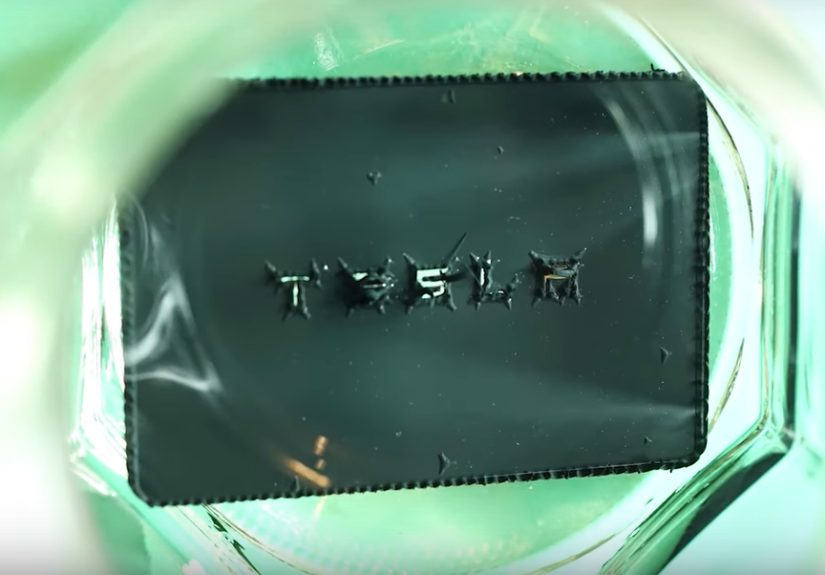
The public reports around the project explained that she removed the key-card component from the Tesla card, had it safely encased in a biocompatible material with help from specialists, and then had the implant placed by a professional body-modification expert. That last sentence should not be mistaken for a tutorial. The important point is not “how to do it.” The important point is that this was a carefully planned personal experiment by someone with technical experience, access to knowledgeable people, and a high tolerance for becoming a headline that makes relatives ask follow-up questions at Thanksgiving.
Her goal was not merely to become an internet oddity. The project came from a maker mindset: take a system, understand how it works, and test the limits of what is possible. In that sense, the Tesla implant was part convenience hack, part engineering challenge, and part commentary on how close our digital identities already are to our bodies.
How Tesla Key Cards Work in Everyday Use
Tesla vehicles can use different types of keys depending on the model and configuration, including phone keys, key cards, and key fobs. For many Tesla drivers, the phone key is the default daily option because it uses a smartphone connection for convenient access. The key card, however, remains an important backup. It can be used when a phone is dead, unavailable, lost, or not the right option for a valet, repair shop, or another temporary driver.
A Tesla key card does not behave exactly like an old-fashioned metal key. It is closer to a contactless credential. The driver taps or places the card near a specific reader area to unlock or authorize the vehicle. That design is convenient because the card is thin, portable, and easy to store. It is also why the implant idea was technically interesting: if the credential can function at very close range, could the credential still work when carried inside the body?
Amie DD’s project showed that the concept could work, but not with the effortless magic of a superhero movie. Reports noted that short-range placement mattered. The arm had to be close to the correct reader area. In other words, it was not “wave dramatically from across the driveway and summon the Tesla.” It was more like “carefully present your arm to the car like you are introducing two very shy robots.”
Why This Story Went Viral
The Tesla implant story spread quickly because it touched several public obsessions at once. First, Tesla already attracts attention. The brand sits at the center of conversations about electric vehicles, software-defined cars, futuristic design, and whether a dashboard really needs that many menus. Second, implanted technology triggers strong reactions. Some people see it as a natural extension of wearables. Others hear “chip in arm” and immediately start backing away like the Wi-Fi router just winked at them.
Third, the story had a strong character at the center. Amie DD was not portrayed as a random person chasing a stunt. She was a software engineer and maker with a history of experimenting with RFID technology. That background made the story more interesting because it was not only about convenience. It was about curiosity, technical problem-solving, and a willingness to test an idea on the most personal hardware platform available: the human body.
Finally, the project landed at the perfect cultural moment. Smart locks, tap-to-pay cards, phone-based car keys, wearable devices, and biometric authentication were already normalizing the idea that access could be digital, invisible, and almost frictionless. The implant simply pushed that trend one step furtherpossibly two steps further, depending on your comfort level with forearm-based transportation management.
Biohacking, RFID, and the Rise of Human-Machine Convenience
Biohacking is a broad term. It can describe everything from careful health tracking to implanted chips. In the context of Amie DD’s Tesla project, biohacking refers to modifying the body to interact with technology in a new way. RFID and NFC implants are usually passive devices, meaning they do not carry their own battery. Instead, they respond when placed near a compatible reader. That makes them useful for access-control experiments, digital identity tests, and hobbyist projects.
The appeal is easy to understand. A small implanted credential cannot be forgotten on a kitchen counter. It cannot fall between car seats into the mysterious French fry zone. It does not require charging. For people who love frictionless systems, that sounds elegant. For people who love keeping technology outside their skin, it sounds like a firm “absolutely not, thank you, I enjoy pockets.”
The truth lives somewhere in the middle. RFID implants can be fascinating tools, but they also raise practical and ethical questions. What happens if the technology becomes obsolete? What if the implant stops working? What if a person changes vehicles, jobs, access systems, or preferences? A key card can be replaced. An implant is more personal, more permanent, and much more complicated than losing a plastic card and ordering another one.
The Practical Benefits: Convenience With a Cyberpunk Accent
The obvious benefit of a Tesla key implant is convenience. The key is always with the owner. There is no phone battery anxiety, no key card left in another bag, and no awkward pocket dance in the rain. For someone who already enjoys embedded technology, the experience can feel like the next logical step in personal automation.
There is also a psychological benefit for makers and engineers: the satisfaction of turning a “what if?” into a working prototype. That matters. Many useful technologies start as projects that look unnecessary, silly, or too niche. Early home automation once seemed excessive. Now people casually ask speakers to turn on lights, set timers, and play rain sounds because silence apparently needed a subscription plan.
Another benefit is the conversation value. A Tesla key implant is not merely a tool; it is a demonstration. It makes people talk about vehicle access, digital identity, human augmentation, and security. A single unusual project can do more to spark public discussion than a dozen polite white papers.
The Risks and Limitations People Should Not Ignore
For all the fascination, this kind of implant comes with serious limitations. First, there are health considerations. Any implanted object can involve risks, including infection, irritation, rejection, migration, or discomfort. Peer-reviewed discussions of human chip implants have also emphasized that long-term safety, complications, and medical management remain important concerns.
Second, there is no universal compatibility guarantee. A chip that works with one system may not work with another. Vehicles change. Software changes. Hardware standards change. A clever implant can become a tiny museum exhibit under your skin if the technology it depends on moves on.
Third, convenience is not the same as security. A physical key card, phone key, or fob can be removed from circulation, replaced, or disabled. An implant may still be manageable from the vehicle’s key settings, but the physical credential itself is not as casually disposable as a card. That creates a different relationship between the owner, the vehicle, and the access system.
Fourth, it can simply be less convenient than it sounds. If the reader requires precise placement, the owner may still need to perform a very specific gesture. At that point, a key card in a wallet starts looking less primitive and more like a highly advanced flat rectangle.
What the Tesla Implant Says About the Future of Car Keys
The Tesla key implant may be unusual, but the larger trend is not. Car keys have been disappearing in stages for decades. Metal keys gave way to remote fobs. Remote fobs gave way to proximity keys. Smartphones became digital keys. Smartwatches entered the conversation. Biometric systems and cloud-connected vehicle profiles continue to evolve.
Modern vehicles are increasingly software platforms on wheels. Access is no longer only mechanical. It is digital, permission-based, and often connected to an account. That shift makes cars more flexible but also more complex. Drivers can share access, revoke access, use apps, manage profiles, and sometimes control features remotely. The key is no longer just a key. It is part of an identity system.
Amie DD’s implant highlights the natural next question: if access keeps becoming more personal, will it eventually become bodily? For most people, the answer is probably no. Smartphones and wearables offer a strong compromise. They are close to the body without being inside it. They can be upgraded, replaced, repaired, and removed before bedtime. That is a powerful advantage.
Still, the implant story matters because it shows the edge of the possible. The fringe often helps define the mainstream. Even if most drivers never implant anything, experiments like this push designers and engineers to think harder about what convenience should look like, where security should live, and how much control users should have over the tools they own.
Public Reaction: Brilliant, Bizarre, or Both?
Public reaction to the Tesla key implant was exactly what one would expect from the internet, a place where people can argue for six hours about charging cables. Some praised the project as inventive and futuristic. Others called it unnecessary, risky, or strange. Many landed in the middle: impressed by the technical achievement, but personally unwilling to turn their arm into a valet accessory.
That split reaction is what makes the story useful. It reveals different comfort levels with technology. Some people want tools to disappear into daily life until they become almost invisible. Others want clear boundaries between the body and machines. Neither reaction is irrational. Technology adoption is not only about whether something works; it is about whether people feel comfortable living with it.
There is also a cultural layer. Body modification has existed for thousands of years, from tattoos and piercings to medical implants and prosthetics. What feels radical in one era can become ordinary in another. The difference with RFID implants is that they are not purely decorative or medical. They are functional digital objects. That makes them harder to categorize. Are they accessories? Tools? Identity devices? Personal infrastructure? The answer may be yes, which is both exciting and slightly exhausting.
Security Questions Around Implantable Keys
Vehicle access systems always involve trade-offs. A metal key can be stolen. A fob can be relayed. A phone account can be compromised. A key card can be misplaced. An implanted key solves one problemforgetting the credentialbut it does not magically solve every security issue. In some ways, it introduces new questions.
For example, how should users think about revocation? If a key card is lost, it can usually be removed from the vehicle’s list of authorized keys. If an implanted credential is no longer wanted, the digital permission can be removed, but the object remains physical. That difference matters. Security is not only about access; it is also about lifecycle management.
Privacy is another concern. Most simple RFID implants do not behave like GPS trackers, and they are not broadcasting a dramatic villain signal to satellites. However, any identity-related technology deserves thoughtful handling. Users should understand what data is stored, how it is read, how far it can be read from, and who controls the system it interacts with.
The best lesson from the Tesla implant is not that everyone should rush toward implanted keys. The lesson is that access technology should be transparent, manageable, and user-centered. Whether the credential is in a phone, watch, card, fob, or arm, users need clear control over who can enter, who can drive, and how access can be removed.
Why Makers Love Projects Like This
Makers are often motivated by a question that begins with “Can I?” and only later bumps into “Should I?” That is not necessarily a flaw. Experimentation is how technology culture explores boundaries. Amie DD’s Tesla implant reflects the spirit of taking apart assumptions. A key is supposed to be carried. A card is supposed to stay a card. A car is supposed to recognize external credentials. What happens if those assumptions are rearranged?
That curiosity can produce strange, funny, and genuinely insightful results. The same mindset that leads someone to modify a Tesla key can also lead to better accessibility tools, smarter authentication systems, or more resilient backups for daily technology. The project may look extreme, but the thinking behind it is familiar: reduce friction, test constraints, and make the system behave in a more personal way.
Of course, responsible making also means knowing when not to copy a project. The safest takeaway for most readers is conceptual, not practical. The story invites people to think about design, convenience, and digital identity. It does not invite anyone to turn the kitchen table into a technology surgery center. Curiosity is wonderful. So is keeping your arm out of customer support tickets.
Experience-Based Reflections: Living With Technology That Gets Too Close
Stories like Amie DD’s Tesla key implant make people imagine the future as something shiny, fast, and slightly dramatic. But the real experience of living with technology is usually more ordinary. It is the dead phone at the worst possible moment. It is the key card hiding in the one jacket pocket you did not check. It is standing near your car with groceries, rain, and a level of patience usually reserved for assembling discount furniture.
That is why the idea of an always-present key is emotionally powerful. Anyone who has ever lost access to something important understands the appeal. A car key is not just an object; it is permission. It is mobility. It is the difference between leaving on time and sending a text that begins, “Funny story…” The Tesla implant takes that everyday anxiety and answers it with an extreme form of certainty: the key is physically with you.
At the same time, daily convenience has a funny way of changing shape. What feels futuristic on day one can feel normal on day thirty. A fingerprint sensor once felt magical; now people get annoyed if it takes half a second. Face unlock felt like science fiction; now users complain when it fails because their face is at a weird pillow angle. If an implanted car key became routine, the novelty would probably fade too. The owner might stop thinking, “I am living in the future,” and start thinking, “Why do I still have to stand this close?”
That is the hidden lesson in many convenience technologies: removing one friction point can reveal another. A phone key removes the need for a physical key, but it introduces battery dependence. A key card removes battery dependence, but it can be forgotten. A wearable key stays attached, but it must be charged or worn. An implant is always present, but it raises medical, ethical, and upgrade questions. There is no perfect key. There are only different flavors of compromise, some of which are worn, some carried, and some definitely not recommended for casual experimentation.
From a user-experience perspective, the Tesla implant is fascinating because it turns access into a gesture. The body becomes part of the interface. That can feel empowering: no pocket, no wallet, no app, just motion. But it can also feel awkward if the gesture is too precise or socially odd. Good technology should not make users feel like they are auditioning for a robot ballet every time they unlock a car.
There is also a trust experience. People trust tools differently when those tools are close to the body. Glasses, hearing aids, pacemakers, fitness trackers, and smartwatches all occupy different levels of intimacy. An implanted chip sits much higher on that intimacy ladder than a phone. It asks the user to trust the material, the installer, the company, the software, the security model, and the long-term usefulness of the system. That is a lot of trust for something whose job is basically “please open the door.”
For most drivers, the practical lesson is not to implant a key. It is to build better backup habits. Keep a key card in a reliable place. Understand how your vehicle manages authorized keys. Know what happens if your phone dies. Review access permissions when you sell a car, change phones, or lend the vehicle. The boring solution is often the best one, even if it does not get you invited onto technology podcasts.
Still, the emotional lesson is more generous. Amie DD’s project represents a kind of fearless tinkering that has always pushed technology forward. Not every experiment needs to become mainstream to be valuable. Some experiments are useful because they make society ask better questions. How much convenience do we want? What should remain removable? Who controls digital access? When does a tool become part of us? And perhaps most importantly, how many ways can humans invent to avoid carrying a small piece of plastic?
Conclusion: A Tiny Key to a Much Bigger Conversation
Amie DD’s Tesla valet key implant is more than a viral technology story. It is a snapshot of a world where cars, bodies, software, and identity are becoming increasingly connected. The project was unusual, yes. It was also thoughtful, technically interesting, and culturally revealing. It showed how far some makers are willing to go to reduce friction and personalize their tools.
For everyday readers, the safest and smartest conclusion is simple: admire the creativity, learn from the questions it raises, and do not treat it as a weekend project. The future of vehicle access will likely be shaped by phones, wearables, biometrics, smarter cards, and better account security long before implanted keys become normal. But the Tesla implant story will remain memorable because it captured the imagination. It turned a car key into a conversation about the future of human-machine interaction.
And in the grand history of people losing keys, that is a pretty unforgettable way to make sure one never slips between the couch cushions again.
Note: This article is for informational and editorial purposes only. It does not provide instructions for body modification, implant procedures, or vehicle-security experimentation.